Lake Manyara vs. Nyerere Safari Prices | Tanzania Guide
A Lake Manyara safari can cost USD 150–220 per person for a shared day trip from Arusha. A published example of a…
Read articleArusha City - Tanzania
Safari & Travel Tips
August 13, 2026 · 11 min read
A cheap Nyerere National Park safari adventure offers an affordable way to experience one of Tanzania’s largest and most spectacular wildlife destinations. Formerly part of the Selous Game Reserve, Nyerere National Park is famous for its wild landscapes, diverse animals, Rufiji River boat safaris and quieter game-viewing areas.
Unlike Tanzania’s busy Northern Safari Circuit, Nyerere provides a peaceful and authentic safari experience. Visitors can enjoy traditional game drives, boat safaris, walking adventures and relaxing evenings surrounded by nature. Its accessibility from Dar es Salaam and Zanzibar also makes it an excellent choice for travelers looking for an affordable short safari.
At Kilipath African Safaris, we organize budget-friendly Nyerere safari packages for solo travelers, couples, families and groups. Our packages can include transportation, professional safari guides, park fees, accommodation, meals, game drives and boat safari activities.
Nyerere National Park is an excellent destination for travelers who want an authentic safari without the crowds commonly found in more famous parks. Its enormous wilderness contains rivers, lakes, woodlands, open plains and wetlands.
Reasons to choose Nyerere include:
The park is particularly suitable for adventurous travelers who value nature, privacy and variety rather than luxury accommodation.
A cheap safari does not mean missing Tanzania’s remarkable wildlife. Nyerere supports a rich variety of animals, although sightings depend on the season, weather and natural movement of wildlife.
Animals commonly found within the ecosystem include:
Nyerere is also known as an important habitat for African wild dogs. These endangered predators travel across large territories, so sightings cannot be guaranteed. However, exploring the park with an experienced guide can improve your chances of finding them.
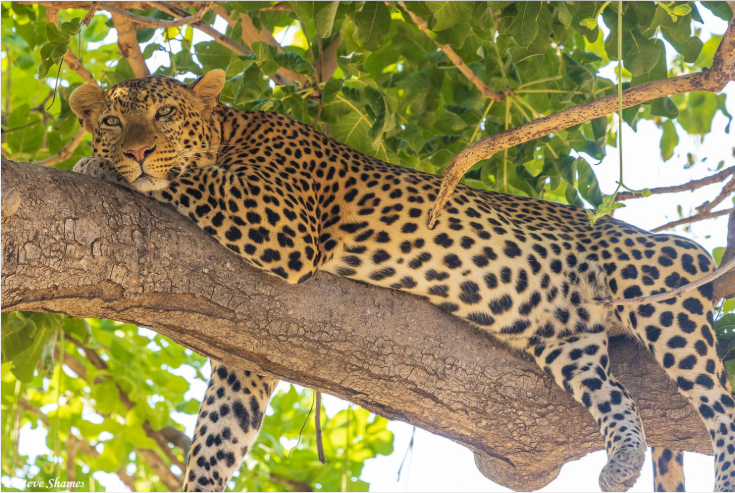
Leopards are also present but are naturally elusive. Early-morning and late-afternoon game drives may provide the best opportunity to encounter predators when temperatures are cooler.
A boat safari is one of the experiences that makes Nyerere different from many other Tanzanian national parks. The Rufiji River flows through the ecosystem and creates channels, lakes and wetlands filled with wildlife.
During a boat safari, you may see:
Boat safaris are usually conducted in the afternoon, depending on the itinerary and local conditions. The activity offers a slower and more peaceful perspective than a vehicle-based game drive.
Travelers can photograph animals, birds and river scenery while an experienced boat guide explains the surrounding ecosystem. Life jackets and essential safety equipment should be provided during the excursion.
Game drives form the central part of most Nyerere safari packages. Travelers explore the park in a safari vehicle accompanied by a professional driver-guide.
Morning game drives are particularly rewarding because animals are often active before the temperature rises. Lions may still be hunting, herbivores gather in open areas, and elephants frequently move between feeding and drinking locations.
Afternoon drives provide opportunities to explore different habitats and watch wildlife return to rivers or lakes. Your guide will use tracks, animal behavior and information from other guides to search for interesting sightings.
A typical safari vehicle provides:
Private vehicles offer greater flexibility, while shared safaris help reduce the cost by allowing travelers to divide transportation expenses.
Some Nyerere itineraries can include a guided walking safari outside or within designated wilderness areas, subject to park regulations and availability.
A walking safari is not focused only on seeing large animals. It introduces travelers to smaller details that are easily missed during a game drive.
A guide may explain:
Walking safaris must always be conducted with qualified guides and according to local safety regulations. Travelers should never leave their camp or safari vehicle without authorization.
The price of a safari is influenced by transportation, accommodation, park fees, activities and the number of travelers. Several practical choices can help reduce the total cost.
Shared safaris allow several travelers to use one vehicle. Transportation and guide expenses are divided among participants, making the trip more affordable.
Shared trips normally follow a fixed itinerary. Travelers should therefore be comfortable with the departure time, accommodation and daily program selected for the group.
Families and groups of friends can often obtain a better price per person because the vehicle cost is shared. A private safari may become surprisingly affordable when four to six people travel together.
Affordable camps and lodges provide the essential facilities required for a comfortable stay without expensive luxury additions. Depending on the selected property, budget accommodation may offer permanent tents, private or shared bathrooms, mosquito nets and restaurant facilities.
Always confirm exactly what is included before booking.
Accommodation rates can be lower during quieter months. The landscape is green, birdlife is impressive and tourist numbers are reduced.
Rain can occasionally affect road conditions and daily activities, so travelers should maintain a flexible attitude.
Traveling by road from Dar es Salaam is generally more economical than arranging several domestic flights. However, the journey is long and road conditions can influence travel time.
A complete package can help travelers control their budget because major expenses are arranged in advance. The quotation should clearly identify accommodation, meals, activities, park fees and transfers.
Your adventure begins with an early pickup from your hotel, residence or agreed meeting point in Dar es Salaam. You will travel toward Nyerere National Park with your driver-guide.
The journey passes through local towns and rural landscapes, offering an introduction to everyday life in southern Tanzania. Upon arrival, you will check in at your selected budget camp or lodge and enjoy lunch.
In the afternoon, you may take a boat safari along the Rufiji River. Look for hippos, crocodiles, waterbirds and animals visiting the riverbanks.
After the boat safari, return to your accommodation for dinner and overnight.
After an early breakfast, depart for a full-day game drive inside Nyerere National Park. Your guide will search for elephants, giraffes, lions, buffaloes, zebras, antelopes and other wildlife.
A packed lunch may be served at an authorized picnic area. After lunch, continue exploring the park’s lakes, woodlands and open areas.
The exact route will depend on wildlife movement and road conditions. In the late afternoon, return to the camp or lodge for dinner and overnight.
Begin the morning with an optional guided nature walk, depending on availability and the package selected. Learn how guides identify animal tracks, plants, insects and signs of wildlife activity.
After breakfast, check out and begin the return journey to Dar es Salaam. Arrival time will depend on traffic and road conditions.
A four-day itinerary is suitable for travelers who want more game-viewing time and a less hurried experience.
Depart from Dar es Salaam and travel to your accommodation near the park. In the afternoon, enjoy a boat safari or relax at the camp.
Spend the day exploring different wildlife habitats. Stop for a picnic lunch and continue searching for elephants, predators, giraffes and antelopes.
A second full day provides additional time to visit remote areas and search for animals missed during the first drive. Wildlife sightings are never guaranteed, making extra time valuable.
Take an optional walking safari or short cultural activity before returning to Dar es Salaam.
Travelers staying in Zanzibar can combine a beach holiday with a Nyerere safari. This is one of the most convenient ways to experience both Tanzania’s coastline and wildlife.
Two main travel options are available.
A domestic flight provides the fastest connection. Some flights travel directly to an airstrip serving the Nyerere area, while others may require connections or transfers depending on the schedule.
Fly-in packages are more convenient but generally cost more than road-based safaris from Dar es Salaam.
Travelers can take a ferry or flight from Zanzibar to Dar es Salaam and continue by road. This option can be cheaper, but it requires more traveling time and careful coordination.
Domestic flight and ferry schedules may change, so connections should be confirmed before finalizing the safari.
Nyerere can be visited during different parts of the year, but conditions vary significantly.
The dry season is generally popular for wildlife viewing. Vegetation becomes thinner, and animals often concentrate around permanent water sources.
Road conditions are usually better, although dust and high temperatures can occur.
The landscape becomes greener, and birdwatching can be excellent. Migratory birds may be present, and newborn animals can sometimes be observed.
Rainfall normally occurs in temporary showers, but conditions vary each year.
These months can receive heavier rainfall. Some camps may close temporarily, and certain roads can become difficult to use.
Travelers considering these months should confirm accommodation, road access and available activities before booking.
Affordable accommodation around Nyerere ranges from simple camps to comfortable tented lodges.
Basic camps are ideal for adventurous travelers. Facilities may include beds or mattresses, mosquito nets, shared bathrooms and simple dining areas.
These properties often provide permanent safari tents with beds and private bathrooms. They offer a balance between affordability and comfort.
Travelers with a slightly higher budget can choose lodges offering larger rooms, private bathrooms, swimming pools and more extensive dining facilities.
The words “budget” and “mid-range” can mean different things at different properties. Request recent photographs and a detailed room description before confirming.
A cheap Nyerere safari package may include:
Always check your official quotation because inclusions vary between packages.
Common exclusions include:
Flights from Zanzibar or other Tanzanian destinations should only be considered included when they are clearly written in the quotation.
Nyerere can be warm during the day, but early mornings may feel cool. Lightweight and practical clothing is recommended.
Consider packing:
Avoid very bright clothing during walking activities. Neutral colors such as beige, brown, olive and grey blend more naturally with the environment.
Consult a qualified medical professional before traveling for personal advice about vaccinations, malaria prevention and medication.
General precautions include:
Wild animals may enter unfenced camps, especially at night. Guests should follow the camp’s escort procedures and avoid walking alone after dark.
Nyerere can be an exciting destination for families, particularly those with older children interested in wildlife and nature.
Parents should consider:
A private safari is often more convenient for families because daily schedules can be adjusted around the children.
Solo travelers can visit Nyerere, although private transportation may increase the price. Joining a confirmed group departure can considerably reduce the cost.
Solo travelers should ask whether:
Never assume that a cheap advertised price applies to one person. Many safari prices are calculated using two travelers sharing a room.
Nyerere offers diverse photography opportunities, including river landscapes, birds, elephants, predators and sunsets.
Useful equipment may include:
Tell your guide if photography is your main priority. A private safari provides more freedom to wait at sightings and choose the best vehicle position.
Travelers can help protect Nyerere’s wildlife and communities by making responsible choices.
During your safari:
Choosing a registered safari operator also supports legal employment and responsible tourism practices.
A Lake Manyara safari can cost USD 150–220 per person for a shared day trip from Arusha. A published example of a…
Read articleA Nyerere Tanzania wildlife safari can take you from a woodland game drive in the morning to a boat on the Rufiji…
Read articlePlanning a Tanzania safari that combines Lake Manyara National Park and Nyerere National Park is an excellent way to experience the country's…
Read articleDiscover Tanzania’s untamed wilderness without exceeding your travel budget. A budget Ruaha safari adventure offers incredible wildlife encounters, spectacular landscapes, authentic African…
Read article