

Budget Ngorongoro Crater Safari Holiday
Planning a budget Ngorongoro Crater safari holiday from Arusha? Compare a crater day trip, a two-day Tarangire and Ngorongoro safari, or a…
Read articleArusha City - Tanzania
Safari & Travel Tips
August 14, 2026 · 14 min read
A Serengeti safari Tanzania vacation is one of Africa’s most memorable wildlife experiences. Located in northern Tanzania, Serengeti National Park is famous for its enormous open plains, exceptional populations of predators, diverse wildlife, spectacular landscapes, and the world-famous Great Wildebeest Migration.
Whether you are planning your first African safari, a romantic honeymoon, a family holiday, a photography adventure, or a longer Tanzania wildlife tour, the Serengeti deserves a place at the heart of your itinerary.
This complete guide explains what makes a Serengeti safari special, the best time to visit, wildlife you may encounter, where to stay, how many days to spend in the park, what a safari costs, what to pack, and how to combine Serengeti with other famous destinations in Tanzania.
Serengeti National Park offers something travelers often imagine when dreaming about Africa: seemingly endless grasslands where wildlife moves freely through a vast natural ecosystem.
The word Serengeti is commonly associated with the idea of an “endless plain,” an appropriate description for the park's expansive landscapes.
During a Serengeti safari, travelers may encounter large herds of wildebeest and zebra, prides of lions resting on the grasslands, elephants moving between woodland areas, giraffes feeding from acacia trees, and cheetahs scanning the plains for prey.
The experience is not limited to seeing individual animals. One of the biggest attractions is observing wildlife behavior in its natural environment.
You may witness predators hunting, young animals playing, elephants protecting their calves, vultures gathering around a carcass, or thousands of grazing animals moving across the plains.
Every game drive can offer something different.
One of the main reasons travelers choose a Serengeti safari Tanzania vacation is the Great Wildebeest Migration.
Huge numbers of wildebeest, accompanied by zebra and other grazing animals, move through the greater Serengeti ecosystem in search of fresh grass and water.
Rather than occurring in one location throughout the year, the migration follows a seasonal cycle influenced largely by rainfall and grazing conditions.
During this period, large herds are commonly found around the southern Serengeti and Ndutu region.
January and February are especially popular because they coincide with the main calving season.
Large numbers of wildebeest calves are born during a relatively short period, creating extraordinary wildlife-viewing opportunities.
The abundance of vulnerable young animals also attracts predators such as lions, cheetahs and hyenas.
As conditions begin changing, the herds gradually move through different parts of the Serengeti.
This can be an attractive period for travelers looking for beautiful green landscapes and potentially fewer safari vehicles than during some peak-season months.
The migration generally continues northward.
Depending on rainfall and herd movements, travelers may find large concentrations of animals in western and central sections of the ecosystem.
Northern Serengeti becomes particularly attractive during this period.
Some migrating herds may attempt dramatic river crossings, including crossings of the Mara River.
These events are famous but cannot be scheduled precisely. Wildlife movements are natural, and exact crossing dates and locations vary each year.
With changing rainfall patterns, migrating animals generally begin moving south again, continuing the annual cycle.
For travelers whose main objective is seeing the migration, choosing the correct region of the Serengeti is just as important as choosing the month.
The Serengeti supports an extraordinary variety of wildlife.
Visitors may have opportunities to see:
The park is particularly famous for its predators.
Serengeti is one of Tanzania's outstanding destinations for observing lions.
Prides can often be seen resting in open areas, around rocky outcrops or beneath trees during the warmer parts of the day.
Early morning and late afternoon game drives can provide excellent opportunities to observe active predators.
Leopards are more elusive.
They are often associated with wooded areas and may sometimes be spotted resting in trees.
A knowledgeable safari guide can greatly improve your chances of finding these secretive cats by understanding their preferred habitats and recognizing signs of their presence.
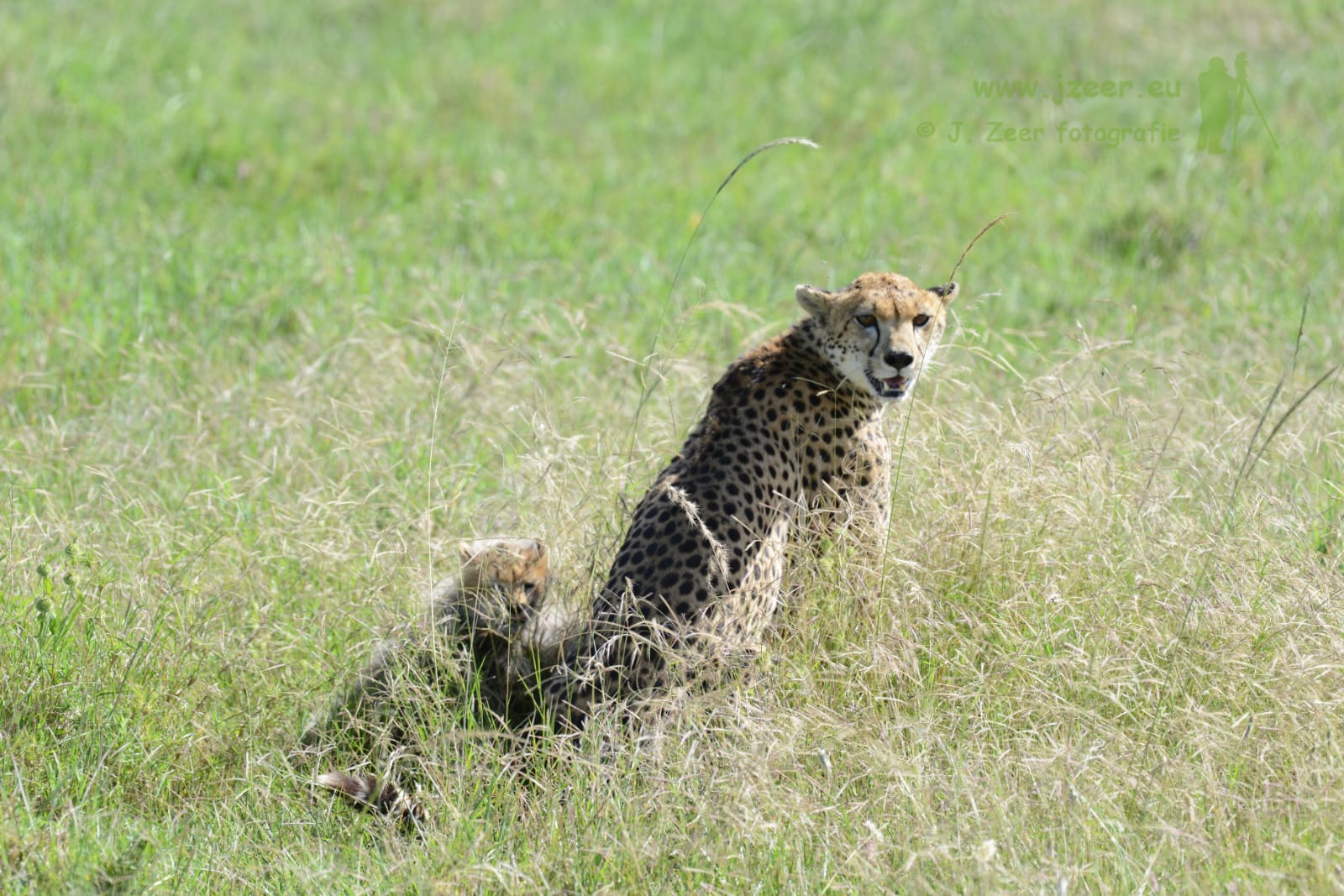
The Serengeti's open plains provide excellent habitat for cheetahs.
They frequently use elevated areas such as termite mounds to scan the surrounding grasslands.
Watching a cheetah carefully surveying the plains can become one of the highlights of a Tanzania safari.
There is no single perfect month for every traveler.
The best time depends on what you want to experience.
These months generally coincide with Tanzania's main dry season.
Wildlife viewing can be excellent because vegetation becomes less dense and animals frequently gather around reliable water sources.
July through October can also be attractive for travelers hoping to explore northern Serengeti during the migration season.
This is an excellent period for southern Serengeti and the Ndutu ecosystem, particularly for travelers interested in the migration and calving season.
January and February are especially popular.
These months form part of Tanzania's wetter period.
There can be heavier rainfall, but travelers may also experience green scenery, dramatic skies and fewer visitors in certain locations.
For photographers, the combination of fresh vegetation and dramatic landscapes can be particularly appealing.
Although short visits are possible, spending enough time in the Serengeti can dramatically improve your safari experience.
Two days can work when Serengeti is part of a short Tanzania itinerary.
However, because of the driving distances involved, your wildlife-viewing time may be limited.
Three days provides a more comfortable experience.
You have additional opportunities for morning and afternoon game drives and more time to explore different wildlife areas.
Travelers particularly interested in wildlife photography, migration viewing or a slower safari experience should consider spending four or more days.
Extra time also provides flexibility because wildlife sightings can never be guaranteed.
Central Serengeti, particularly the Seronera region, is one of the most popular areas of the park.
Its combination of open plains, river systems and woodland creates habitat for many different species.
Central Serengeti can provide rewarding wildlife viewing throughout much of the year.
It is particularly well known for predators, including lions and leopards.
For first-time Serengeti visitors, including Central Serengeti in the itinerary is often an excellent choice.
Northern Serengeti has a different character from the central plains.
The landscapes are beautiful and relatively remote, and during migration season the region becomes especially attractive for travelers hoping to see large herds and potential Mara River crossings.
Because Northern Serengeti is farther from Arusha and Ngorongoro, travelers should allow sufficient time in their itinerary.
Flying between Arusha and Serengeti can also reduce long driving times.
Southern Serengeti and the neighboring Ndutu region become particularly important during the green season.
From approximately December through March, migrating herds are commonly found across these southern plains.
January and February are especially famous for calving.
Travelers interested in predators, newborn animals and migration photography often consider this one of the most exciting times for a Tanzania safari.
A typical safari day often begins early in the morning.
Wildlife can be particularly active when temperatures are cooler, making morning game drives highly rewarding.
Your professional driver-guide drives through wildlife areas while searching for animals and interpreting what you see.
Instead of simply moving quickly from one sighting to another, a good safari allows time to observe animal behavior.
You might spend time watching a lion pride, following elephants moving across the plains or waiting patiently while a leopard rests in a tree.
Depending on your itinerary, lunch may be enjoyed at a designated picnic site or provided as a packed or hot lunch.
Game viewing then continues through the afternoon before returning to your lodge, tented camp or campsite.
Choosing between private and shared safari arrangements depends largely on your budget and preferred travel style.
A private safari provides your own safari vehicle and driver-guide.
This offers greater flexibility.
You can usually spend longer at interesting wildlife sightings, adjust departure times and concentrate on specific interests such as photography, birds, predators or migration viewing.
Private safaris are particularly suitable for:
A group-joining safari allows several travelers to share the safari vehicle and operating costs.
It is an excellent option for budget-conscious travelers, backpackers and solo travelers.
The itinerary is generally more fixed because everyone follows the same route and schedule.
For travelers wanting an affordable Serengeti experience, a shared camping safari can provide excellent value.
Camping is one of the most adventurous ways to experience Serengeti.
After spending the day exploring the wilderness, you return to a campsite surrounded by the sounds of nature.
A typical camping safari may include tents, sleeping equipment, meals prepared during the safari and shared campsite facilities.
Camping keeps accommodation costs lower while allowing travelers to experience the atmosphere of the national parks more directly.
It is especially suitable for adventurous travelers who prioritize wildlife and experience over luxury accommodation.
Mid-range safaris provide additional comfort while keeping the experience relatively affordable.
Accommodation generally consists of lodges or tented camps with proper beds and private bathrooms.
Many properties also provide restaurants, lounges and attractive views.
Mid-range accommodation is popular with couples, families and first-time safari travelers who want comfort without choosing high-end luxury camps.
A luxury Serengeti vacation combines exceptional wildlife viewing with premium accommodation and personalized service.
Luxury camps and lodges may offer spacious tented suites, private verandas, beautifully designed common areas, fine dining and highly personalized hospitality.
Some premium itineraries also incorporate domestic flights to reduce long road transfers.
Luxury safaris are particularly popular for honeymoons, anniversaries and special celebrations.
Few honeymoon experiences compare with watching the African sunset together after a day surrounded by wildlife.
A Serengeti honeymoon can combine wildlife drives with romantic tented camps, private safari vehicles and carefully selected accommodation.
Couples can also combine Serengeti with Zanzibar.
This creates an excellent bush-and-beach vacation: first exploring Tanzania's national parks and then relaxing beside the Indian Ocean.
Serengeti can also be a memorable destination for families.
Children have an opportunity to experience wildlife outside books, television programs and zoos.
A private safari is often especially convenient for families because departure times and stops can be adjusted more easily.
When traveling with younger children, accommodation choice and daily driving distances should be considered carefully.
A well-planned family itinerary should balance wildlife viewing with enough time for meals, relaxation and rest.
Wildlife photographers should consider spending additional time in Serengeti.
Photography often requires patience.
The perfect moment may happen after waiting quietly beside a pride of lions, following a cheetah across the plains or watching elephants approach a water source.
A private vehicle offers photographers greater flexibility because they can request longer stops without affecting other travelers.
Important equipment may include:
Dust protection is also useful because many safari roads are unpaved.
A hot-air balloon safari is one of the most memorable optional experiences available in the Serengeti.
Guests normally depart very early in the morning and travel to the balloon launch area.
As the balloon rises, the Serengeti landscape can be viewed from an entirely different perspective.
Depending on the location and season, wildlife may be visible below.
Because balloon safaris have limited capacity, travelers interested in the experience should generally reserve in advance.
Serengeti and Ngorongoro are among the most popular safari combinations in Tanzania.
After exploring Serengeti, travelers can continue toward the Ngorongoro Conservation Area.
A game drive inside Ngorongoro Crater provides a very different landscape and wildlife experience.
The crater floor supports a high concentration of animals, making it an excellent addition to a Serengeti vacation.
A Serengeti and Ngorongoro itinerary is particularly suitable for travelers with limited time who still want a diverse northern Tanzania safari.
Tarangire National Park adds another distinctive environment to the itinerary.
The park is famous for its ancient-looking baobab trees and large elephant populations.
During the dry season, wildlife can concentrate around the Tarangire River, creating rewarding game-viewing opportunities.
Combining Tarangire, Serengeti and Ngorongoro gives travelers three very different landscapes within one safari.
Lake Manyara National Park can be incorporated into longer Northern Circuit itineraries.
The park contains groundwater forest, open areas and lake environments.
It is known for birdlife and can provide opportunities to encounter elephants, giraffes, buffalo, baboons and other wildlife.
Adding Lake Manyara works particularly well for travelers with five or more safari days.
A short northern Tanzania itinerary might follow this route:
Day 1: Arusha – Tarangire National Park
Depart Arusha in the morning and drive to Tarangire. Spend the day exploring the park before continuing to your accommodation.
Day 2: Serengeti National Park
Travel toward Serengeti through the Ngorongoro highlands. Enter Serengeti and enjoy an afternoon game drive.
Day 3: Serengeti – Ngorongoro Area
Enjoy another Serengeti game drive before traveling toward Ngorongoro.
Day 4: Ngorongoro Crater – Arusha
Descend into Ngorongoro Crater for a game drive before returning to Arusha.
This itinerary works for travelers with limited time, although additional days provide a more relaxed experience.
Travelers with an additional day can enjoy:
Day 1: Arusha to Tarangire
Day 2: Tarangire area to Serengeti
Day 3: Full-day Serengeti safari
Day 4: Serengeti to Ngorongoro area
Day 5: Ngorongoro Crater and return to Arusha
The full day inside Serengeti gives travelers significantly more time for wildlife viewing.
The price of a Serengeti safari varies significantly depending on travel style.
Important factors include:
Camping and group-joining safaris generally provide the lowest-cost options.
Mid-range safaris cost more because they include comfortable lodges or tented camps.
Luxury safaris can be considerably more expensive due to premium accommodation, private services and sometimes fly-in transportation.
When comparing safari quotations, travelers should compare what is included rather than looking only at the final price.
Depending on the operator and package, a safari may include:
Always request a complete list of inclusions and exclusions before confirming your safari.
Common additional expenses can include:
Understanding these expenses makes budgeting for your Tanzania vacation much easier.
Packing correctly makes a safari considerably more comfortable.
Bring lightweight, comfortable clothing in neutral colors such as beige, brown, khaki or green.
Useful items include:
Early mornings can feel surprisingly cool, especially when traveling through the Ngorongoro highlands, so bringing warm layers is important.
Many northern Tanzania safaris begin in Arusha, the main gateway to destinations such as Tarangire, Lake Manyara, Ngorongoro and Serengeti.
International visitors commonly arrive through Kilimanjaro International Airport before traveling to Arusha.
From Arusha, Serengeti can be reached by road as part of a multi-park safari.
Travelers with larger budgets or limited time can also consider domestic flights to airstrips inside or near different sections of the Serengeti.
Combining Zanzibar with Serengeti is very popular.
Travelers can enjoy Zanzibar's beaches before or after their wildlife safari.
Depending on the itinerary, you can fly from Zanzibar toward northern Tanzania and begin an overland safari, or take a domestic flight closer to Serengeti.
For travelers wanting both adventure and relaxation, combining Serengeti safari + Zanzibar beach holiday provides two completely different sides of Tanzania in one vacation.
For wildlife enthusiasts, Serengeti is unquestionably one of Tanzania's most important destinations.
Its appeal goes far beyond the Great Migration.
Predators, resident herbivores, birds and beautiful landscapes make wildlife viewing possible throughout the year.
The park is also enormous, meaning different regions can offer completely different experiences depending on the season.
Plan your safari according to your main priority.
If the Great Migration is important, select your travel dates and Serengeti region carefully.
If photography is your priority, consider a private safari and spend additional days in the park.
If your budget is limited, consider a group-joining camping safari.
If comfort is important, choose mid-range tented camps or lodges.
For honeymooners, consider a private safari with carefully selected accommodation.
Most importantly, avoid trying to visit too many parks in too little time. Spending more quality time in fewer destinations can produce a much better safari experience than spending most of your vacation driving between parks.
A Serengeti safari Tanzania vacation is more than a traditional holiday. It is an opportunity to experience one of the world's most celebrated wildlife ecosystems and witness animals living naturally across vast African landscapes.
From lions resting beneath acacia trees and elephants crossing dusty tracks to enormous wildebeest herds moving across the plains, every day in Serengeti has the potential to create a different memory.
Your ideal itinerary should reflect your available time, budget, accommodation preference and wildlife interests. Whether you choose an affordable camping adventure, comfortable mid-range safari or luxury private vacation, good planning can make your Serengeti journey significantly more rewarding.
Planning a budget Ngorongoro Crater safari holiday from Arusha? Compare a crater day trip, a two-day Tarangire and Ngorongoro safari, or a…
Read articleA Tanzania safari from Zanzibar can mean a short mainland trip during your beach holiday or a complete package with flights, game…
Read articleLooking for a group Tanzania safari price from Kilipath African Safaris? A published example for our four-day shared camping safari through Tarangire,…
Read articlePair game drives on Tanzania’s mainland with a few days on Zanzibar’s coast. With Kilipath African Safaris, you can start in Arusha…
Read article

