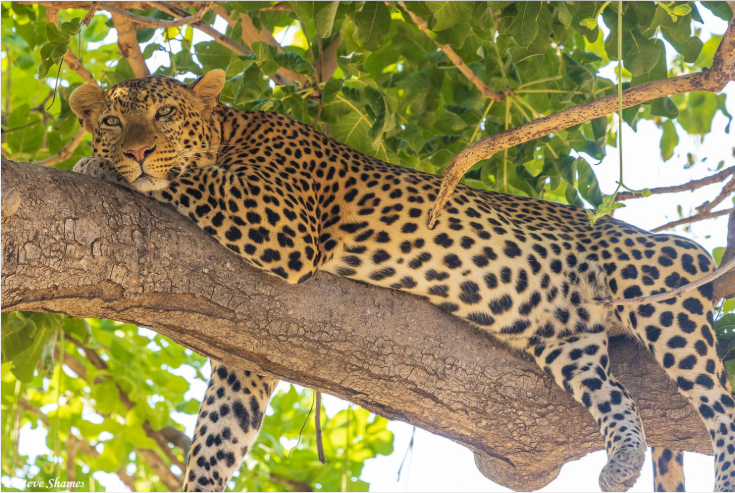
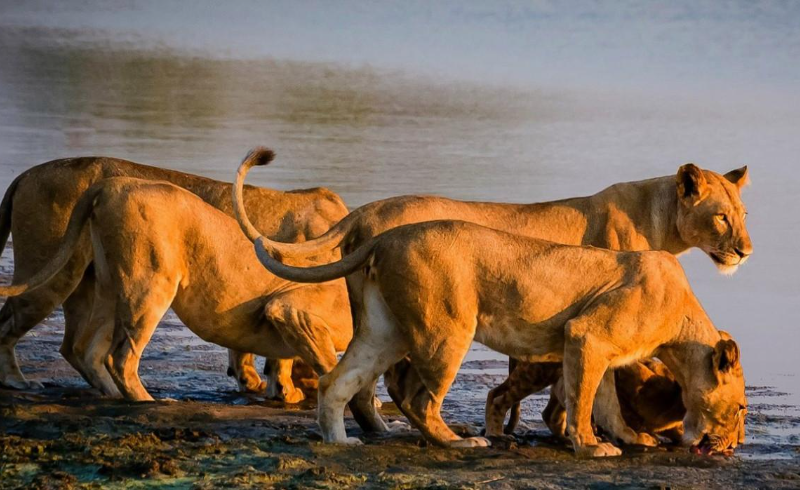
Nyerere Tanzania Wildlife Safari Guide
A Nyerere Tanzania wildlife safari can take you from a woodland game drive in the morning to a boat on the Rufiji…
Read articleArusha City - Tanzania
Safari & Travel Tips
August 19, 2026 · 9 min read
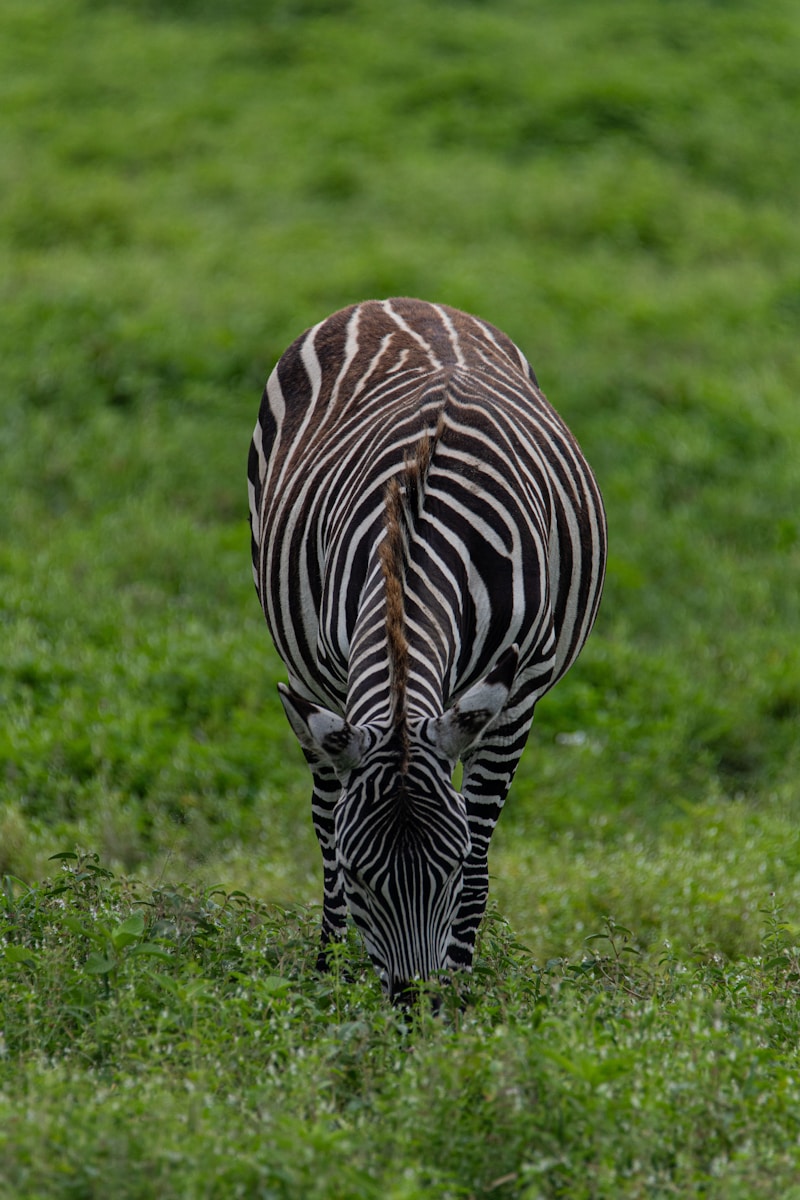
A photography Tanzania safari tour company specializes in creating safari experiences for travelers who want more than simply seeing wildlife. Photography-focused safaris are designed around patience, positioning, lighting, wildlife behavior, flexible game-drive schedules, and enough time at sightings to capture memorable images.
Tanzania is one of Africa's most rewarding wildlife photography destinations. From the endless plains of the Serengeti to the elephant landscapes of Tarangire and the dramatic scenery of Ngorongoro Crater, photographers can experience an extraordinary variety of wildlife and landscapes within a single journey.
At Kilipath African Safaris, photography safaris can be arranged as private adventures, giving photographers greater flexibility over their daily schedules, locations, and time spent observing wildlife.
Tanzania offers an exceptional combination of wildlife diversity, dramatic scenery, protected wilderness, and year-round photographic opportunities.
Photographers may have opportunities to capture:
Wildlife sightings can never be guaranteed because the animals are completely wild, but traveling with an experienced safari guide can significantly improve your chances of being in productive wildlife areas.
A normal safari often follows a general sightseeing schedule. Guests move between different wildlife sightings and attractions throughout the day.
A photography safari requires a different approach.
For photographers, seeing an animal is only the beginning. You may need to wait for the animal to move into better light, look toward the camera, interact with another animal, begin hunting, approach a waterhole, or move into a cleaner background.
For this reason, a photography safari should provide more flexibility.
Photography sometimes requires patience. Instead of immediately leaving after seeing a lion or leopard, photographers may prefer to remain at the sighting and observe what happens.
A private photography safari makes this easier because the schedule does not need to accommodate unrelated travelers.
Vehicle positioning can dramatically affect a photograph.
An experienced guide considers factors such as:
Guides must always follow national park regulations and maintain appropriate distances from wildlife.
The Serengeti is arguably Tanzania's most famous wildlife photography destination.
Its enormous grasslands provide relatively open backgrounds that can work beautifully for wildlife photography. Depending on location and season, photographers may encounter lions, cheetahs, leopards, elephants, giraffes, hyenas, wildebeest, zebras and many other species.
The Serengeti is particularly attractive for photographers interested in predator behavior and the Great Migration.
Ngorongoro Crater combines spectacular scenery with concentrated wildlife viewing.
The crater floor contains grasslands, wetlands, forests and open areas, creating diverse photographic environments within a relatively compact area.
Wildlife can include lions, elephants, buffalo, hippos, hyenas, zebras, wildebeest and, with luck, the endangered black rhino.
The crater rim itself also provides spectacular landscape photography opportunities.
Tarangire is particularly famous for elephants and its ancient baobab trees.
The combination of wildlife and enormous baobabs can produce distinctly African landscape compositions. During the dry season, wildlife becomes increasingly concentrated around available water sources.
Tarangire is excellent for photographers interested in:
Lake Manyara offers a different photographic environment, including groundwater forest, lake landscapes, woodland and escarpment scenery.
It can be an excellent addition for travelers who want greater visual diversity in their photography portfolio.
The Great Wildebeest Migration is one of the world's most famous wildlife events.
More than focusing on one fixed location, photographers need to understand that migration movements vary according to rainfall, grazing conditions and natural wildlife behavior.
Different seasons provide different photographic possibilities.
This period is associated with the southern migration and calving season.
Photographers may encounter large wildebeest herds together with newborn calves and predators.
The green landscapes can also create beautiful photographic backgrounds.
As seasonal conditions change, herds gradually begin moving toward other parts of the ecosystem.
This period can provide dramatic herd photography and fewer crowds in certain areas.
Northern Serengeti becomes especially important during the migration season.
The famous Mara River crossing period can offer extraordinary photographic opportunities.
However, river crossings are completely natural events and cannot be scheduled or guaranteed. Photographers sometimes wait for many hours—or longer—for the herds to cross.
This is precisely why flexible private photography itineraries are valuable.
There is no single "best" month for every photographer.
The ideal season depends on what you want to photograph.
The June to October dry season generally provides excellent wildlife viewing because vegetation is thinner and animals often concentrate around permanent water sources.
The November to May green season offers greener landscapes, dramatic skies and excellent birdlife. Certain months also coincide with the southern Serengeti migration and calving season.
Therefore, photographers should choose travel dates based on their photographic priorities rather than simply selecting Tanzania's busiest tourism months.
Light plays an enormous role in wildlife photography.
Early mornings can provide beautiful warm light, cooler temperatures and active wildlife.
Late afternoon can provide another excellent period for softer light and atmospheric landscapes.
A photography-focused itinerary should therefore consider how much time is spent transferring between destinations. Spending additional nights inside or close to important wildlife areas can reduce unnecessary driving and provide more opportunities during productive photography hours.
A reliable safari vehicle is extremely important.
Kilipath African Safaris uses 4x4 safari Land Cruisers with pop-up roofs, allowing guests to stand when appropriate and photograph wildlife from different angles.
Depending on the safari arrangement, vehicles may also provide charging options for phones, cameras and other electronic devices.
For photography-focused private safaris, limiting the number of passengers can provide photographers with additional working space for cameras, lenses and bags.
Your equipment depends on whether you are a professional photographer, enthusiast or casual traveler.
A useful photography safari kit may include:
Longer lenses are particularly useful for wildlife that cannot or should not be approached closely.
Photographers should never encourage guides to break park regulations simply to obtain a closer photograph.
Dust is a normal part of an African safari, particularly during the dry season.
Camera equipment should therefore be stored carefully when traveling between sightings.
Keeping unnecessary lens changes to a minimum can help reduce dust reaching the camera sensor.
Photographers may also carry microfiber cloths, lens brushes and appropriate protective covers.
A short safari can produce excellent photographs, but serious photographers usually benefit from spending more time in fewer locations.
For example, rushing through four parks in four days may provide variety, but spending several nights in Serengeti can provide more opportunities to observe wildlife behavior.
Depending on your budget and photography goals, consider:
4–5 days: Suitable for travelers combining photography with a shorter Tanzania holiday.
6–8 days: Excellent balance between different parks and dedicated photography time.
9–12 days: Recommended for serious photographers wanting slower travel and longer wildlife observation.
12+ days: Suitable for professional projects, migration-focused photography, filmmakers or photographers pursuing particular species and behaviors.
A classic photography itinerary could include:
Day 1: Arusha to Tarangire National Park
Photograph elephants, baobabs and other wildlife before overnighting near Tarangire or Karatu.
Day 2: Travel to Serengeti National Park
Enjoy wildlife photography while traveling toward Central Serengeti.
Day 3: Full-Day Serengeti Photography Safari
Begin early and spend the day concentrating on wildlife behavior.
Day 4: Full-Day Serengeti Photography Safari
A second full day provides another opportunity to locate predators and different wildlife.
Day 5: Serengeti to Ngorongoro Area
Enjoy morning photography before traveling toward Ngorongoro.
Day 6: Ngorongoro Crater
Descend into the crater for wildlife photography before returning toward Arusha.
Longer itineraries can include additional Serengeti nights or seasonal areas such as Ndutu or Northern Serengeti.
Accommodation can range from budget camping to mid-range tented camps and luxury lodges.
The best choice depends on budget and photographic priorities.
Camping is suitable for photographers who prioritize wildlife experiences and affordability.
Mid-range camps offer more comfort while allowing travelers to remain close to major safari areas.
They are often an excellent balance between comfort, location and price.
Luxury camps and lodges offer higher levels of comfort, service and dining.
For photographers, however, location should sometimes take priority over luxury. A strategically located camp can reduce driving time and help you reach productive wildlife areas earlier.
Professional photographers often have requirements beyond those of normal safari travelers.
Before the safari, tell your tour company about:
Special permits may be required for certain professional, commercial, filming or drone activities. These should be discussed well before arrival.
Tanzania is not only about the Big Five.
The country has extraordinary birdlife, making it highly rewarding for bird photographers.
Depending on the habitat and season, photographers may encounter colorful kingfishers, bee-eaters, hornbills, flamingos, eagles, vultures and many other species.
Bird photographers should tell their safari operator in advance because bird-focused safaris usually move at a slower pace than conventional wildlife safaris.
Choosing the right photography Tanzania safari tour company can significantly influence the overall experience.
Kilipath African Safaris can customize private photography safaris around your travel dates, budget, preferred accommodation level and photographic priorities.
Our photography-focused safari planning emphasizes:
Whether you are carrying professional camera equipment or simply want outstanding photographs from your first African safari, the itinerary can be designed around the type of experience you want.
A Tanzania photography safari is about more than collecting pictures. It is about having enough time to observe the landscape, understand wildlife behavior and wait for extraordinary moments to develop naturally.
The right photography Tanzania safari tour company should understand that photographers often need patience, flexibility and carefully planned positioning rather than a rushed checklist of animals.
From elephants beneath ancient baobabs in Tarangire to lions on the Serengeti plains, black rhinos in Ngorongoro Crater and thousands of wildebeest moving across the ecosystem, Tanzania provides endless possibilities for powerful wildlife photography.
With a customized private safari from Kilipath African Safaris, your itinerary can be planned around your photographic interests, preferred accommodation, travel dates and budget—giving you the time and flexibility needed to return home with photographs that tell the story of your African adventure.
A Nyerere Tanzania wildlife safari can take you from a woodland game drive in the morning to a boat on the Rufiji…
Read articlePlanning a Tanzania safari that combines Lake Manyara National Park and Nyerere National Park is an excellent way to experience the country's…
Read articleDiscover Tanzania’s untamed wilderness without exceeding your travel budget. A budget Ruaha safari adventure offers incredible wildlife encounters, spectacular landscapes, authentic African…
Read articleA Nyerere Tanzania wildlife safari offers an extraordinary opportunity to discover one of Africa's most spectacular wilderness destinations. From magnificent elephants and…
Read article