A Ngorongoro Crater safari from Zanzibar combines a relaxing island holiday with an unforgettable wildlife experience in northern Tanzania. After enjoying Zanzibar’s beaches and warm Indian Ocean, you can fly to the mainland and explore one of Africa’s most remarkable safari destinations.
In this guide, you’ll discover how to travel from Zanzibar to Ngorongoro Crater, what animals you might see, and how to choose the right safari for your holiday.
Why Visit Ngorongoro Crater from Zanzibar?
Ngorongoro Crater is part of the UNESCO-listed Ngorongoro Conservation Area. Formed by the collapse of an ancient volcano, the crater is a vast, unbroken caldera with grasslands, forests, and lakes that support a wide variety of wildlife. UNESCO World Heritage Centre
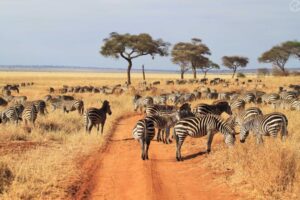
A safari here is a wonderful choice for travelers who want to add wildlife viewing to their Zanzibar holiday. In a single crater game drive, you may see lions, elephants, buffaloes, zebras, wildebeests, and hyenas. The crater is also home to the endangered black rhino, although sightings are never guaranteed. UNESCO World Heritage Centre
How to Travel from Zanzibar to Ngorongoro Crater
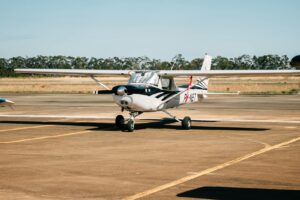
Most travelers fly from Zanzibar to Arusha Airport (ARK) or Kilimanjaro International Airport (JRO). From there, the journey continues by road in a safari vehicle.
Because Ngorongoro is several hours from Arusha by road, your flight time matters. Depending on your itinerary, you may spend a night in Arusha or travel towards Karatu before visiting the crater. Confirm your flights and transfers with your safari operator before booking.
Sample 3-Day Safari from Zanzibar
This sample itinerary combines Ngorongoro with another northern Tanzania safari destination:
Day 1: Zanzibar to Arusha and Tarangire
Take an early flight from Zanzibar to Arusha, where your guide meets you. Travel to Tarangire National Park for a game drive among baobab trees and wildlife. Continue to your accommodation near Karatu or Mto wa Mbu.
Day 2: Ngorongoro Crater
After breakfast, travel to Ngorongoro and descend into the crater for a game drive. Look out for lions, elephants, buffaloes, zebras, and other wildlife before returning to your accommodation.
Day 3: Lake Manyara and return
Enjoy a game drive in Lake Manyara National Park, then return to Arusha. Depending on the available schedule and enough time for check-in, you may take an evening flight to Zanzibar or stay overnight in Arusha.
The route and timing depend on flight schedules, accommodation availability, and whether you choose a private or shared safari.
Private or Shared Safari?
A shared safari can be a more affordable way to travel and meet other visitors. Shared trips follow a set itinerary and departure schedule.
A private safari gives you your own vehicle and guide, with more flexibility to tailor the route, accommodation, and timing to your preferences. It can be a good choice for couples, families, or travelers celebrating a special occasion.
When Is the Best Time to Visit?
Ngorongoro Crater can be visited throughout the year. Ngorongoro Conservation Area Authority (NCAA)
- June to October: Generally drier conditions, with clear views and popular wildlife-viewing opportunities.
- November to December: Short rains may bring greener scenery.
- January to February: A pleasant time for a safari, with the option to discuss a longer private itinerary that includes the Ndutu area.
- March to May: The wetter season brings lush landscapes, although rain can affect road conditions and visibility.
Whatever time you visit, bring a warm layer: mornings around the crater rim can be chilly.
How Much Does a Ngorongoro Safari from Zanzibar Cost?
The price depends on the number of travelers, safari length, accommodation, flight fares, and whether you choose a shared or private trip. Ask for a detailed quotation and check whether it includes:
- Domestic flights and airport transfers
- Conservation and crater fees
- Safari vehicle and professional guide
- Accommodation and meals
- Drinking water
- Any optional activities
Also check which items are excluded, such as tips, travel insurance, and personal expenses.
What Should You Pack?
Bring comfortable clothing in neutral colors, a warm jacket, sunglasses, sunscreen, a hat, and a camera. Binoculars are helpful for viewing animals at a distance. A soft-sided bag is convenient for safari vehicle luggage space.
Plan Your Safari with Kilipath African Safaris
Ready to combine Zanzibar’s beaches with a Ngorongoro Crater adventure? Kilipath African Safaris can help you explore shared and private safari options suited to your travel dates, budget, and preferred accommodation.
Contact us to request your personalized Ngorongoro Crater safari from Zanzibar.