

Budget Ngorongoro Crater Safari Holiday
Planning a budget Ngorongoro Crater safari holiday from Arusha? Compare a crater day trip, a two-day Tarangire and Ngorongoro safari, or a…
Read articleArusha City - Tanzania
Safari & Travel Tips
August 19, 2026 · 10 min read
A journey through Serengeti National Park is one of Africa’s most remarkable wildlife experiences. Tanzania wildlife safari Serengeti tours introduce travelers to endless savannah landscapes, impressive predator sightings, enormous animal herds, and the world-famous Great Wildebeest Migration.
Whether you are planning your first African safari, a family vacation, a honeymoon, or a photography adventure, the Serengeti provides an unforgettable combination of wildlife, scenery, culture, and comfortable accommodation.
The Serengeti is internationally recognized for its rich wildlife population and vast natural landscapes. Its name comes from the Maasai word Siringit, which means “the place where the land runs on forever.”
Visitors choose Serengeti safari tours because they offer:
Every season creates a different experience. Some months are ideal for river crossings, while others provide green landscapes, newborn animals, and fewer vehicles.
The Serengeti supports an extraordinary variety of animals. Although wildlife sightings cannot be guaranteed, experienced guides understand animal behavior and know the areas where particular species are frequently found.
Common animals include:
The park is particularly famous for its predators. Lions are frequently seen resting near rocky outcrops, walking through the grasslands, or observing grazing herds. Leopards often rest in acacia trees, while cheetahs prefer open plains where they can use their speed.
Bird enthusiasts can also encounter numerous species, including ostriches, secretary birds, kori bustards, vultures, eagles, hornbills, and colorful lilac-breasted rollers.
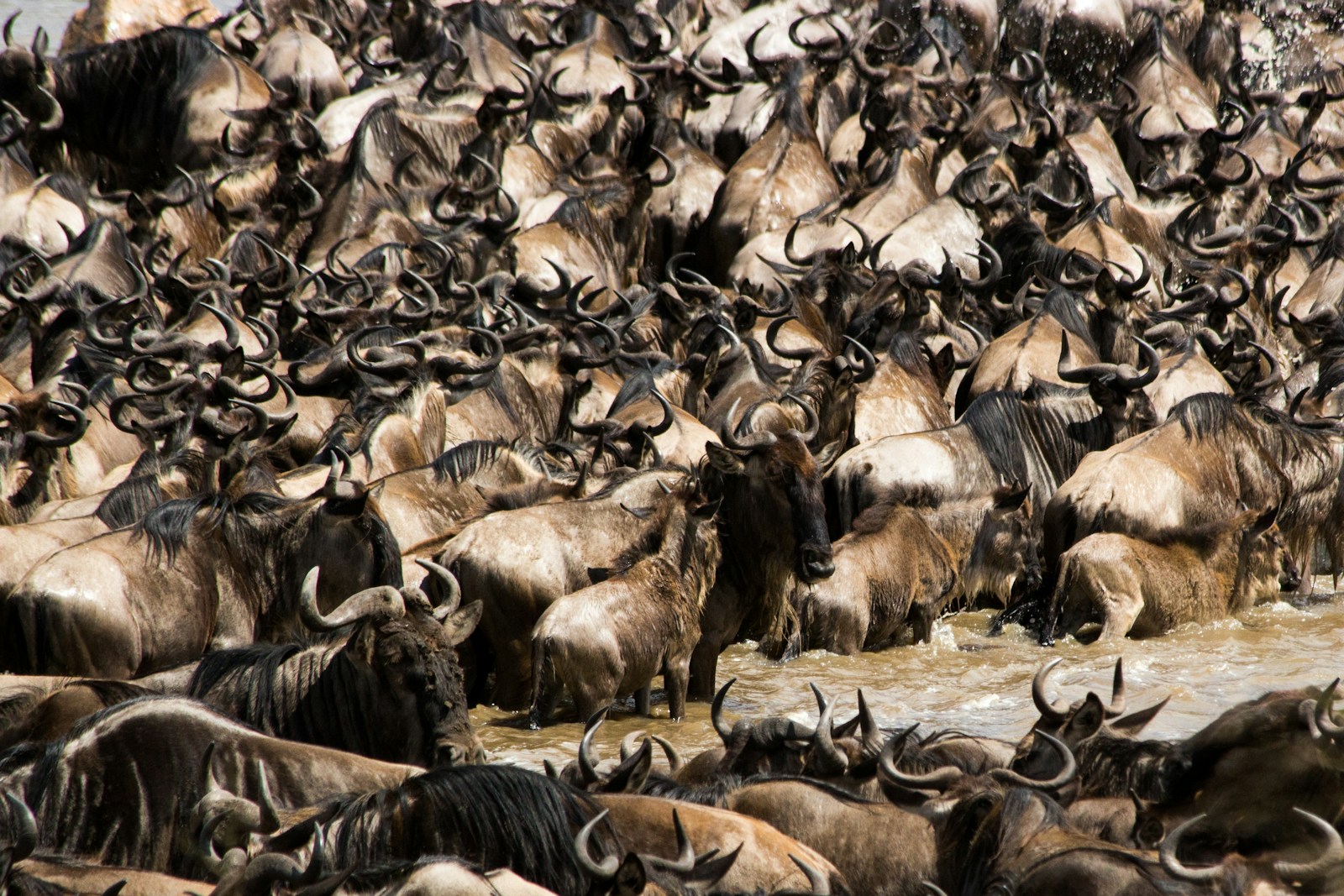
The Great Migration is one of the main reasons travelers book Tanzania wildlife safari Serengeti tours. More than a million wildebeest, accompanied by hundreds of thousands of zebras and gazelles, move between Tanzania’s Serengeti ecosystem and Kenya’s Maasai Mara.
The migration is a continuous natural cycle influenced by rainfall and the availability of fresh grass. Exact herd locations can therefore vary from year to year.
During this period, the herds normally gather around the Southern Serengeti and Ndutu plains. The green grass provides suitable conditions for grazing and calving.
January and February are especially popular because thousands of wildebeest calves may be born. Predators are also active because young animals are more vulnerable.
As the southern plains begin to dry, herds gradually move toward the central and western areas. The landscape is generally green, and the number of visitors can be lower than during peak season.
Rain can make some routes challenging, but this season may appeal to travelers interested in dramatic skies, green scenery, and competitive accommodation prices.
Large groups of wildebeest often move through the Western Corridor. Depending on rainfall and herd movement, visitors may witness river activity around the Grumeti area.
The herds frequently reach Northern Serengeti during this period. Travelers may have an opportunity to observe dramatic Mara River crossings.
However, river crossings occur naturally and do not follow a fixed timetable. The herds can remain near the river for hours or days before crossing.
Short rains encourage the herds to begin traveling toward the eastern and southern plains. This transitional month can offer interesting wildlife viewing in several parts of the Serengeti.
Serengeti National Park is a year-round destination. The right travel period depends on the experience you want.
This is the dry season and one of the most popular periods for safari travel. Vegetation becomes thinner, and animals often gather near permanent water sources.
It is a good period for:
Early mornings and evenings can be cold, so travelers should carry a warm jacket.
This is an excellent period for visiting Southern Serengeti and Ndutu. Green plains, calving herds, and predator activity make it especially attractive to photographers.
These months normally receive heavier rainfall. The advantages may include fewer visitors, green scenery, and lower seasonal accommodation rates. Nevertheless, some remote roads and camps may be affected by rain.
November usually receives short rains. Wildlife viewing remains rewarding, and the scenery begins becoming greener.
The Serengeti is enormous, so selecting the correct region is an important part of planning.
Central Serengeti, commonly called Seronera, offers reliable wildlife viewing throughout the year. Permanent water sources attract herbivores and predators, including lions, leopards, and cheetahs.
Its central location makes it suitable for first-time visitors and shorter itineraries.
These plains are most famous for the migration calving season. They are particularly rewarding between December and March, although herd locations depend on rainfall.
The Western Corridor includes woodland, open plains, and river environments. It is associated with the migration’s westward movement and the Grumeti River.
Northern Serengeti is more remote and is famous for migration activity near the Mara River from approximately July to October. Visitors should normally allocate enough time because road transfers can be long.
The eastern plains offer beautiful open landscapes and excellent cheetah habitat. Certain sections may be more remote, helping create an exclusive safari atmosphere.
Game drives are the principal activity. Travelers explore the park in a specially designed 4x4 safari vehicle with a knowledgeable guide.
A standard vehicle may include:
Game drives may be scheduled for the morning, afternoon, or throughout the day. Full-day drives usually include a picnic lunch at a designated area.
A balloon safari offers an aerial view of the plains at sunrise. The activity normally begins early in the morning and is followed by a celebratory breakfast.
Balloon flights involve an additional cost and should be booked early, particularly during peak migration months.
The Serengeti is a remarkable photography destination. A private safari is usually preferable for serious photographers because it provides more control over positioning, departure time, and the duration spent at sightings.
Travelers should carry:
A Serengeti itinerary may also include a visit to a Maasai community. Such visits can introduce travelers to traditional homes, clothing, songs, livestock practices, and community life.
Choose responsible cultural experiences that respect local communities and avoid treating traditions merely as entertainment.
Public camping is an affordable and adventurous way to experience the Serengeti. Travelers sleep in tents at designated campsites and usually share toilet and shower facilities.
A camping package may provide tents, mattresses, sleeping bags, meals, and the services of a safari chef.
Tented camps combine proximity to nature with comfortable facilities. Depending on the property, rooms may include proper beds, private bathrooms, hot showers, electricity, and dining areas.
Mobile camps sometimes relocate seasonally to remain closer to the migration.
Mid-range properties provide comfortable rooms, private bathrooms, restaurants, and professional service without the price of high-end luxury accommodation.
Luxury accommodation may offer spacious suites, premium dining, swimming pools, personalized service, private decks, and beautiful wilderness locations.
Higher prices do not always mean better wildlife viewing. Location, season, and the quality of your guide often have a greater influence on the overall experience.
A short itinerary may include:
Day 1: Travel from Arusha to Serengeti and enjoy an afternoon game drive.
Day 2: Morning and afternoon game viewing before traveling toward Ngorongoro.
Day 3: Explore Ngorongoro Crater and return to Arusha.
This option covers significant driving distances and is best for travelers with limited time.
Day 1: Arusha to Tarangire National Park.
Day 2: Travel to Serengeti National Park.
Day 3: Serengeti game drive and transfer toward Ngorongoro.
Day 4: Ngorongoro Crater tour and return to Arusha.
This is a popular itinerary because it introduces visitors to three different wildlife environments.
Day 1: Tarangire National Park.
Day 2: Journey to Central Serengeti.
Day 3: Full-day Serengeti game drive.
Day 4: Serengeti to the Ngorongoro area.
Day 5: Ngorongoro Crater and return to Arusha.
The extra day creates a more comfortable schedule and provides more time in the Serengeti.
A longer migration tour may focus on Central and Northern Serengeti between July and October or Southern Serengeti and Ndutu between December and March.
This itinerary is recommended for travelers who want:
Inclusions depend on the operator and package, but a Serengeti safari may cover:
Possible exclusions include:
Always request a detailed written list of inclusions and exclusions before making payment.
Travel light and select practical clothing in neutral colors.
Recommended items include:
Avoid very bright clothing during game drives. Dark blue and black clothing may also attract tsetse flies in certain areas.
The Serengeti can be a wonderful destination for families. A private vehicle is usually the most convenient option because parents can adjust the day according to the children’s energy levels.
Family planning should consider:
Children should always follow the instructions of guides and accommodation staff.
A Serengeti honeymoon combines wildlife adventure with romantic wilderness accommodation. Couples can choose private game drives, luxury tented camps, sunset experiences, room decorations, private dinners, and balloon safaris.
When booking, inform the operator that it is a honeymoon. Camps may arrange thoughtful surprises, although some services require advance payment.
A reputable tour operator can significantly improve your Serengeti experience. Before booking, check whether the company provides:
Avoid choosing a company based only on the lowest price. Very cheap quotations may exclude important park fees, provide unsuitable accommodation, or involve unrealistic travel schedules.
Travelers can help protect the Serengeti by following responsible tourism practices:
The Serengeti is a protected ecosystem, and every visitor has a responsibility to preserve it.
Planning a budget Ngorongoro Crater safari holiday from Arusha? Compare a crater day trip, a two-day Tarangire and Ngorongoro safari, or a…
Read articleA Tanzania safari from Zanzibar can mean a short mainland trip during your beach holiday or a complete package with flights, game…
Read articleLooking for a group Tanzania safari price from Kilipath African Safaris? A published example for our four-day shared camping safari through Tarangire,…
Read articlePair game drives on Tanzania’s mainland with a few days on Zanzibar’s coast. With Kilipath African Safaris, you can start in Arusha…
Read article

