

Budget Ngorongoro Crater Safari Holiday
Planning a budget Ngorongoro Crater safari holiday from Arusha? Compare a crater day trip, a two-day Tarangire and Ngorongoro safari, or a…
Read articleArusha City - Tanzania
Safari & Travel Tips
August 19, 2026 · 10 min read
Tanzania wildlife safari Serengeti tours offer some of the most spectacular animal-viewing experiences in Africa. The Serengeti is famous for its endless grasslands, abundant predators and the world-renowned Great Wildebeest Migration.
Travelers can witness lions resting beneath acacia trees, elephants crossing open plains, cheetahs scanning the horizon and enormous herds of wildebeest and zebras moving through the ecosystem. Every season provides a different experience, making the Serengeti an excellent destination throughout the year.
Whether you are planning a budget camping adventure, a comfortable lodge safari, a romantic honeymoon or a private photographic expedition, a Serengeti tour can be designed around your interests, schedule and budget.
Serengeti National Park is one of Tanzania’s most celebrated protected areas and an essential part of the wider Serengeti–Mara ecosystem. Its name is derived from a Maasai word commonly translated as “endless plains,” an appropriate description of its vast landscapes.
The park is especially famous for:
Unlike a zoo or wildlife sanctuary, the Serengeti is a natural ecosystem where animals move freely. Sightings cannot be guaranteed, but experienced safari guides understand animal behavior and know the best areas to explore.
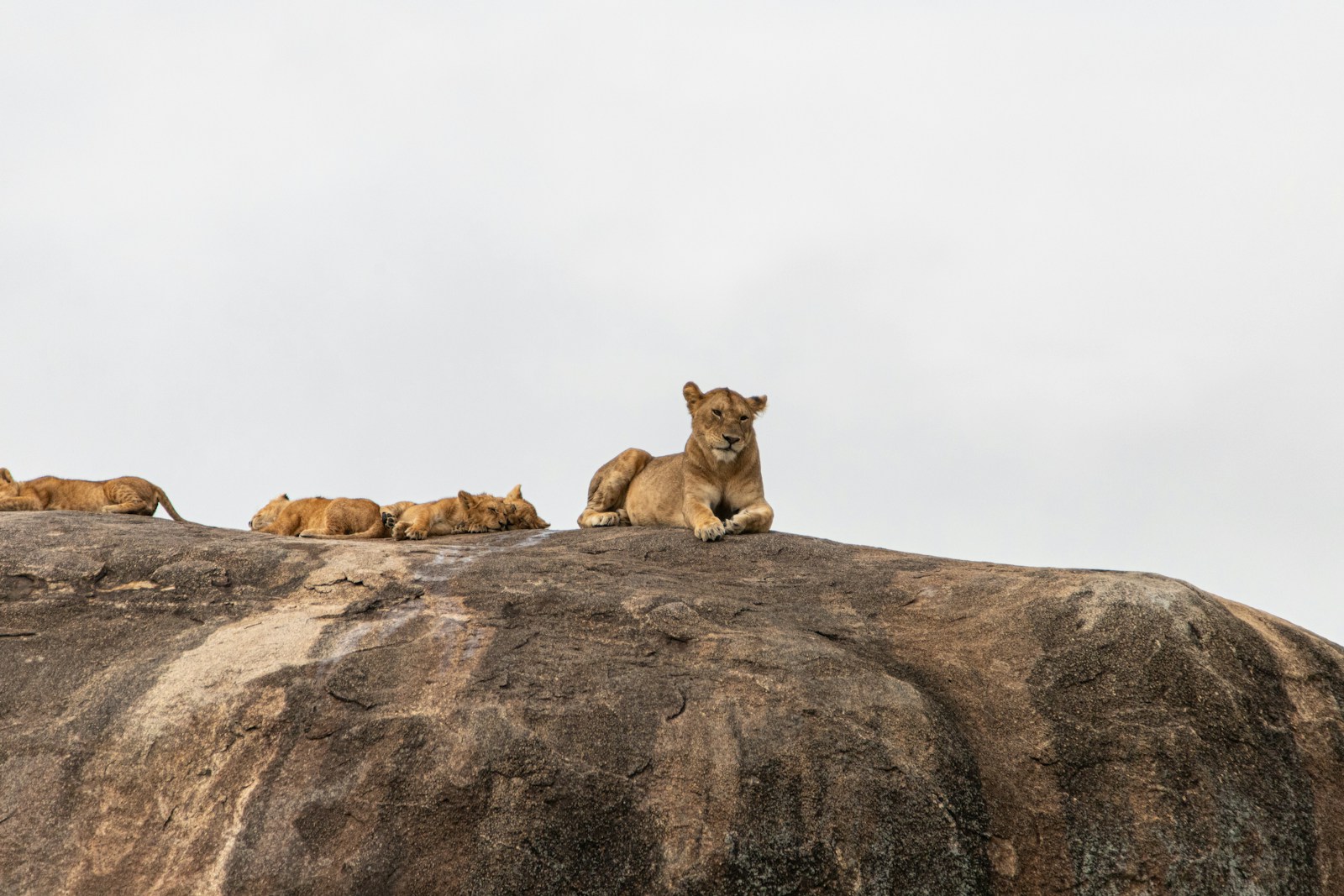
The Serengeti has one of Africa’s most important lion populations. Visitors may encounter individual males, mothers with cubs or entire prides resting after a hunt. Lions are often seen around kopjes, water sources and areas containing large concentrations of herbivores.
Leopards are more secretive than lions and are frequently found resting in trees or moving through woodland. The Seronera Valley is particularly well known for leopard sightings.
The Serengeti’s open plains provide ideal hunting territory for cheetahs. They rely on their exceptional speed to catch gazelles and other smaller animals.
More than a million wildebeest participate in the seasonal migration through the Serengeti ecosystem. They are accompanied by hundreds of thousands of zebras and gazelles searching for water and fresh grass.
Elephants are commonly seen in family groups, particularly around woodland, rivers and permanent water sources. Watching a herd peacefully feeding or crossing the road is often a safari highlight.
Travelers may also encounter:
The Serengeti is also an outstanding destination for birdwatchers, with species ranging from colorful bee-eaters and rollers to ostriches, secretary birds and large birds of prey.
The Great Migration is a continuous natural movement influenced by rainfall, fresh grazing and water availability. The animals do not follow an exact human calendar, and their location can vary from one year to another.
During the green season, large herds gather around the Southern Serengeti and Ndutu plains. Calving normally reaches its peak between late January and February.
Thousands of calves are born during this period, attracting lions, cheetahs, hyenas and other predators. It is an excellent season for travelers interested in dramatic wildlife encounters and lush landscapes.
Ndutu is generally better explored on a private safari because standard shared itineraries often follow fixed Central Serengeti routes.
As the southern plains begin to dry, the herds gradually travel northwest. April and May can bring heavier rainfall, but the scenery is green and visitor numbers are often lower.
The migration may gather around the Western Corridor and the Grumeti area. River crossings can occur, although they are different from the famous crossings in Northern Serengeti.
The herds frequently reach Northern Serengeti during this period. Travelers may have the opportunity to witness dramatic Mara River crossings as animals move between Tanzania and Kenya.
Crossings cannot be scheduled or guaranteed. Sometimes the herds wait near a riverbank for hours or days before crossing. A longer stay in the northern region increases the opportunity to observe this natural event.
Short rains encourage the herds to move from the north through the central and eastern regions toward the Southern Serengeti.
The Serengeti is a year-round destination, but the best month depends on the experience you want.
| Travel period | Typical experience |
|---|---|
| January–February | Calving season and predator activity |
| March | Green scenery and young animals |
| April–May | Rainy season, fewer visitors and attractive landscapes |
| June | Western Corridor movement and dry-season transition |
| July–September | Northern migration and possible river crossings |
| October | Excellent wildlife viewing and late northern migration |
| November–December | Short rains and herds moving south |
The dry season generally makes wildlife easier to locate around water sources. The green season provides beautiful landscapes, excellent birding and fewer vehicles in some areas.
Central Serengeti, particularly the Seronera Valley, provides reliable wildlife viewing throughout the year. It contains permanent water sources and varied habitats that support predators and prey.
Central Serengeti is suitable for first-time visitors and travelers with limited time.
Northern Serengeti is known for rolling hills, woodland and the Mara River. It becomes especially popular from July through October, when migrating herds may enter the region.
Reaching this area by road requires additional travel time. A scheduled flight to or from a northern airstrip can make the itinerary more comfortable.
The southern plains become the center of migration activity during the calving season. The scenery is open, green and excellent for photography.
The Western Corridor includes the Grumeti River and surrounding woodland. It is especially rewarding around May and June, depending on the rains and migration movement.
The eastern plains are quieter and well suited to travelers seeking open landscapes and possible cheetah sightings. Seasonal road conditions and camp availability should be considered when planning this region.
This is a compact option for travelers with limited time.
Day 1: Depart Arusha and drive to Serengeti National Park
Day 2: Morning game drive in Serengeti and travel toward Ngorongoro
Day 3: Ngorongoro Crater game drive and return to Arusha
Although possible, the first day involves considerable driving. Travelers seeking a more relaxed experience should consider at least four days.
Day 1: Arusha to Tarangire National Park
Day 2: Travel to Serengeti with an afternoon game drive
Day 3: Serengeti game drive and transfer toward Ngorongoro
Day 4: Ngorongoro Crater tour and return to Arusha
This is one of the most popular shared and private safari routes.
Day 1: Arusha to Tarangire
Day 2: Tarangire to Serengeti
Day 3: Full-day Serengeti game drive
Day 4: Serengeti to the Ngorongoro area
Day 5: Ngorongoro Crater and return to Arusha
Having a full day in the Serengeti provides more time for wildlife viewing and photography.
A longer private tour can focus on the predicted migration area while including Central Serengeti, Tarangire and Ngorongoro Crater. During July through October, the itinerary may include Northern Serengeti. Between December and March, it may concentrate on Ndutu and the southern plains.
Budget camping is an adventurous and affordable way to experience the Serengeti. Guests normally stay at public campsites with shared bathroom facilities.
A typical camping package may include:
Public campsites are unfenced, making the experience feel close to nature. Guests must always follow instructions provided by the guide and camp staff.
Mid-range accommodation generally provides private bathrooms, proper beds, hot showers and restaurant service. Tented camps combine comfort with the atmosphere of staying in the wilderness.
Luxury camps may include spacious suites, premium dining, private terraces, personalized service, swimming pools and exceptional locations.
Some properties operate seasonally and move according to the migration, while permanent lodges remain open throughout most or all of the year.
The cost of Tanzania wildlife safari Serengeti tours depends on:
Shared camping tours are normally the most economical. Private lodge safaris cost more but provide additional comfort and flexibility. Luxury fly-in packages represent the highest price category.
Travelers should compare complete packages instead of looking only at the headline price. An unusually cheap tour may exclude park fees, accommodation, transfers, meals or taxes.
A well-prepared package usually includes:
Possible exclusions include:
Always request a written list of inclusions and exclusions before paying a deposit.
Most Serengeti tours use customized 4×4 Land Cruisers with pop-up roofs. A properly equipped vehicle may offer window seats, charging sockets, a cooler, seatbelts, first-aid supplies and radio communication.
The guide plays a major role in the quality of the safari. A professional guide should understand animal behavior, park regulations, geography and responsible wildlife-viewing practices.
Photography enthusiasts should request a patient guide who is comfortable positioning the vehicle for lighting while respecting animals and other visitors.
A balloon safari offers an aerial view of the Serengeti at sunrise. Guests are usually collected early in the morning and transferred to the launch area.
The flight generally lasts around one hour, depending on weather conditions, and is commonly followed by a celebration and breakfast. Prices often range from approximately USD 550 to USD 600 per person but should be confirmed when booking.
Balloon flights depend on weather and availability, so advance reservation is recommended.
Pack light, practical clothing in neutral colors such as beige, brown, olive or khaki.
Recommended items include:
Mornings and evenings can be cold, especially near Ngorongoro. A soft-sided travel bag is more convenient than a hard suitcase on shared safaris.
Visitors can help protect the Serengeti by:
Responsible tourism contributes to conservation and supports employment for guides, cooks, camp staff and surrounding communities.
A Serengeti safari is more than a holiday—it is an opportunity to experience one of the world’s greatest natural ecosystems. Careful planning helps you select the right season, itinerary, accommodation and safari style.
Kilipath African Safaris can organize shared camping departures, private lodge safaris, honeymoon packages, family adventures, photographic tours and migration-focused itineraries. Contact us with your preferred dates, number of travelers and accommodation level, and we will prepare a personalized Serengeti safari proposal.
Planning a budget Ngorongoro Crater safari holiday from Arusha? Compare a crater day trip, a two-day Tarangire and Ngorongoro safari, or a…
Read articleA Tanzania safari from Zanzibar can mean a short mainland trip during your beach holiday or a complete package with flights, game…
Read articleLooking for a group Tanzania safari price from Kilipath African Safaris? A published example for our four-day shared camping safari through Tarangire,…
Read articlePair game drives on Tanzania’s mainland with a few days on Zanzibar’s coast. With Kilipath African Safaris, you can start in Arusha…
Read article

