Budget Ruaha Safari Adventure
Explore Ruaha National Park’s baobab country on a guided safari built around your dates, group size and budget. Spend your game drives…
Read articleArusha City - Tanzania
Safari & Travel Tips
August 20, 2026 · 10 min read
A photography Ruaha safari is a specialized wildlife experience in Tanzania’s Ruaha National Park, designed for travelers who want enough time, space and flexibility to capture exceptional photographs. Unlike a standard safari that may move quickly between sightings, a photographic safari allows guests to wait for the right light, observe animal behavior and position the vehicle carefully.
Ruaha National Park is one of Tanzania’s finest destinations for wildlife photography. Its vast landscapes, ancient baobab trees, seasonal rivers and relatively low number of visitors create authentic wilderness scenes. Photographers can capture elephants walking beneath baobabs, lions resting along the Great Ruaha River and colorful birds flying across the open sky.
Ruaha offers a combination of abundant wildlife, dramatic landscapes and uncrowded game-viewing areas. These qualities make it particularly suitable for professional photographers, content creators and enthusiastic beginners.
Important photographic attractions include:
Because Ruaha receives fewer visitors than Serengeti and Ngorongoro, photographers frequently enjoy sightings with fewer safari vehicles nearby.
Ruaha is particularly famous for elephants and predators. Large elephant families are frequently seen close to the Great Ruaha River, especially during the dry season. Their interaction with the dusty landscape, riverbanks and baobab trees produces powerful photographic compositions.
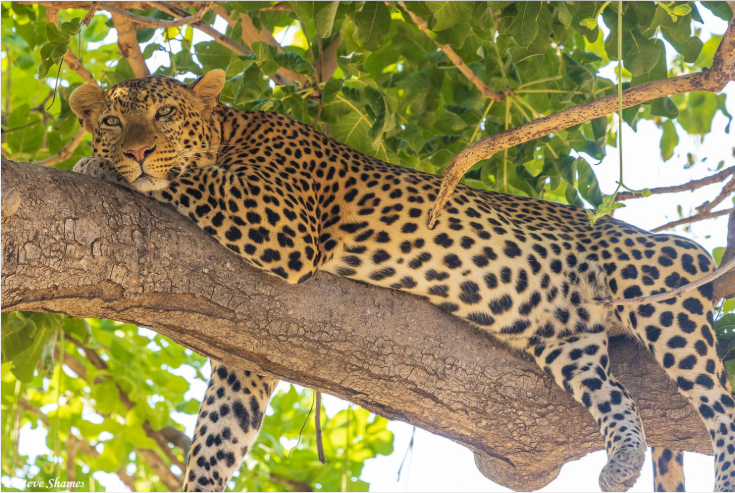
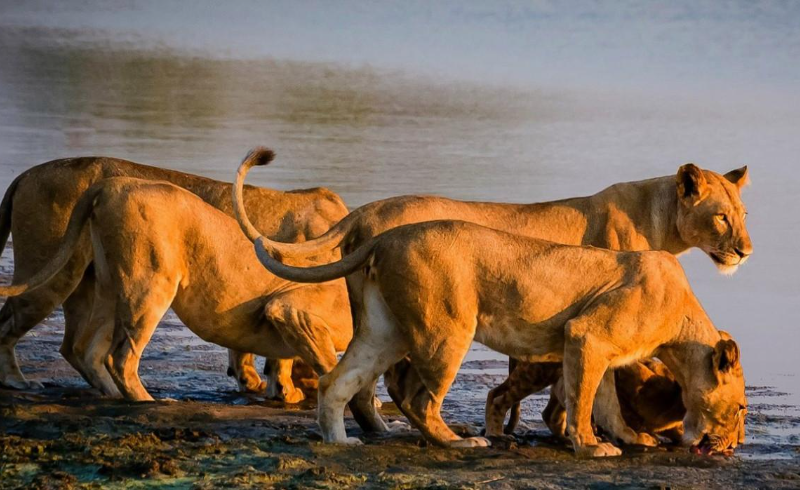
The park also supports an important lion population. Prides can sometimes be observed hunting, resting near rivers or interacting with cubs. Leopards are more elusive, but patient travelers may find them resting in trees or moving through rocky woodland.
African wild dogs are among Ruaha’s most exciting photographic subjects. Finding them requires time and an experienced guide because the packs travel across large territories. When located, photographers may witness social interaction, movement and hunting behavior.
Other subjects include buffaloes, zebras, giraffes, jackals, hyenas, impalas, greater kudu, sable antelopes, hippos, crocodiles and numerous birds.
Ruaha can be visited throughout the year, but each season offers different photographic opportunities.
The dry season is generally the best period for concentrated wildlife sightings. Animals gather around rivers and remaining water sources, while vegetation becomes thinner and visibility improves.
Advantages include:
This is also the busiest and usually most expensive season, although Ruaha remains quieter than Tanzania’s Northern Circuit.
Short rains transform Ruaha into a greener and more colorful destination. Migratory birds arrive, animals give birth and dramatic clouds create attractive backgrounds.
Advantages include:
Rain may make some roads more challenging, but an experienced guide can adjust the route according to local conditions.
These months normally receive heavier rain. Some camps may close, and access to remote areas can be difficult. However, photographers who value solitude, lush scenery and atmospheric landscape images may still find the season rewarding where accommodation remains open.
A minimum of three nights is recommended, but four to six nights provides a better photography experience. Ruaha is a large park, and wildlife sightings cannot be rushed.
A longer safari gives you time to:
Serious wildlife photographers may prefer spending five to seven nights inside or close to the park.
Yes. A private photography safari is normally the best option because it gives you control over the schedule and positioning of the vehicle.
With a private safari, you can:
A shared safari can be more affordable, but other travelers may have different interests and may not want to remain at one sighting for an extended period.
Photography safaris commonly use a customized 4×4 Toyota Land Cruiser with a pop-up roof. The open roof provides clear viewing angles while offering some protection from the sun.
A suitable photographic vehicle should provide:
For the best experience, the number of photographers in one vehicle should be limited. Two to four photographers generally have more freedom to move and photograph from both sides.
The ideal equipment depends on your experience, but a flexible wildlife-photography kit may include:
Changing lenses in dusty conditions should be minimized. Using two camera bodies with different lenses can protect the camera sensors and help you react quickly.
A full-size tripod is not usually practical inside a safari vehicle. A beanbag is often more convenient because it can support a long lens on a window frame or roof opening.
A monopod may also be useful, particularly for heavy lenses. A tripod becomes more valuable when photographing landscapes, stars or scenes around the lodge where leaving the vehicle is permitted.
Guests must never leave the safari vehicle inside wildlife areas unless their guide confirms that it is safe and legally permitted.
Ruaha can become extremely dusty during the dry season. Fine dust may enter camera bags, lenses and electronic equipment.
Recommended precautions include:
Avoid cleaning the camera sensor outdoors unless absolutely necessary.
There is no single perfect camera setting because conditions change quickly. However, wildlife photographers often use shutter-priority, aperture-priority or manual mode with automatic ISO.
Useful starting points include:
Check exposure frequently, especially when photographing dark animals against bright grass or pale animals against shadowed backgrounds.
Early morning and late afternoon provide the most attractive light. These periods offer warmer colors, longer shadows and softer contrast.
Morning game drives may begin around sunrise, depending on park and camp arrangements. Afternoon drives should be planned so photographers are positioned in a productive area before golden hour.
Midday light can be harsh, but it should not be ignored. It can still work well for animal behavior, birds, close portraits and subjects near water.
Yes. Ruaha is one of Tanzania’s excellent bird-photography destinations, with more than 570 species recorded. Its habitats attract raptors, waterbirds, woodland species and seasonal migrants.
Possible subjects include:
A long lens and fast shutter speed are helpful for birds in flight. Green-season months are particularly rewarding for birdlife.
Visitors can choose between tented camps, comfortable lodges and luxury safari camps. Staying inside the park normally reduces daily driving time and provides earlier access to wildlife areas.
When choosing accommodation, consider:
Photographers should confirm whether electricity is available throughout the day or only during scheduled hours.
Ruaha can be reached by road or air.
Scheduled or charter flights can connect Ruaha with Dar es Salaam, Zanzibar and other safari destinations. Flying saves time and is ideal for travelers who want to maximize their days inside the park.
Your safari vehicle and guide can meet you at the airstrip.
Road travel is possible, frequently through Iringa. The journey is longer but allows travelers to experience more of southern Tanzania. Road conditions and travel duration vary with the season.
A combined itinerary may include Mikumi, Udzungwa Mountains or Nyerere National Park, depending on the available time.
Yes. Ruaha is an important part of Tanzania’s Southern Safari Circuit and can be combined with:
Combining Ruaha with Nyerere creates a diverse photographic itinerary featuring game drives, rivers, wetlands and, where available, boat-safari experiences.
The price depends on the season, number of travelers, accommodation category, transportation and length of stay.
Major cost factors include:
A fly-in luxury safari costs more than a road-based mid-range trip. However, a private vehicle is a worthwhile investment for travelers whose primary goal is photography.
Request a detailed quotation showing exactly what is included and excluded.
A photography Ruaha safari package may include:
Domestic flights, international flights, visas, travel insurance, tips, alcoholic drinks and personal expenses may be excluded unless specifically mentioned.
Absolutely. You do not need to be a professional photographer. A patient guide can help beginners understand animal behavior and choose suitable positions for photographs.
Before traveling, learn how to:
Practicing with moving animals or birds before the safari can improve your confidence.
Ruaha is generally a safe safari destination when travelers follow park rules and their guide’s instructions.
Guests should:
Wild animals may move through unfenced camps, so visitors should never assume that accommodation areas are free from wildlife.
Recommended items include:
Avoid very bright clothing because it can be distracting around wildlife and in reflection photographs
Explore Ruaha National Park’s baobab country on a guided safari built around your dates, group size and budget. Spend your game drives…
Read articleDiscover Tanzania’s untamed wilderness without exceeding your travel budget. A budget Ruaha safari adventure offers incredible wildlife encounters, spectacular landscapes, authentic African…
Read articleA Nyerere Tanzania wildlife safari offers an extraordinary opportunity to discover one of Africa's most spectacular wilderness destinations. From magnificent elephants and…
Read articleTarangire National Park sits on Tanzania’s Northern Circuit and is usually visited from Arusha. Ruaha, Nyerere and Mikumi are Southern Circuit destinations.…
Read article