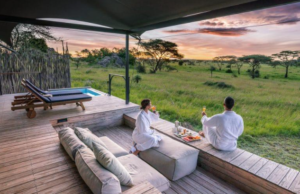
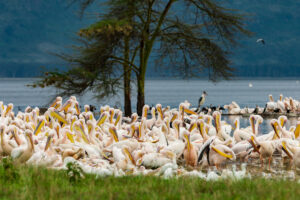
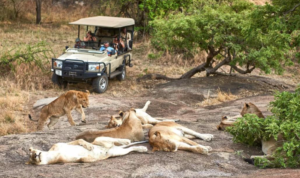
A photography Tanzania safari package adventure offers time to observe wildlife, explore remarkable landscapes, and capture moments that make every journey personal. From elephants beneath baobab trees to lions resting on rocky outcrops, Tanzania provides varied subjects for beginners, enthusiastic photographers, and experienced professionals.
With Kilipath African Safaris, you can request a private itinerary built around your photographic interests, preferred accommodation, and available travel days.
What Makes a Photography Safari Different?
Photography often requires patience. You may want to wait for a leopard to change position, follow the interaction between elephants, or photograph one landscape as the light changes.
A private safari gives you greater control over how you spend your game drives. Discuss your priorities with your guide before departure, including preferred subjects, photography experience, and the equipment you carry. Vehicle positioning remains subject to park rules, road access, and consideration for wildlife and other visitors.
Destinations for Your Photography Adventure
Serengeti National Park
The Serengeti offers open grasslands, rocky kopjes, and opportunities to photograph predators and grazing animals. Its broad horizons also suit environmental images that show wildlife within the surrounding landscape. Allowing several nights gives you more opportunities to revisit areas and work with different light.
Ngorongoro Crater
Ngorongoro combines wildlife photography with dramatic scenery. The crater floor includes grasslands, wetlands, and woodland habitats, while the surrounding walls create a distinctive backdrop. Your photographic opportunities depend on animal movements, weather, and viewing conditions.
Tarangire National Park
Tarangire is known for elephants and baobabs, offering subjects for both close wildlife portraits and wider landscape compositions. Birds, giraffes, and other animals add variety to a photography itinerary.
Sample Six-Day Photography Safari
- Day 1: Arrive in Arusha, meet your safari team, and discuss your photography priorities.
- Day 2: Travel to Tarangire for a game drive, followed by an overnight stay near the park or in Karatu.
- Day 3: Continue to the Serengeti with photography stops where permitted.
- Day 4: Explore the Serengeti, spending time observing wildlife behaviour.
- Day 5: Enjoy another Serengeti game drive before travelling toward Ngorongoro.
- Day 6: Descend into the crater for wildlife viewing, then return to Arusha.
This is a suggested route. Accommodation locations and driving distances should be considered when tailoring the final itinerary.
What Should Your Package Include?
Ask for a written quotation specifying the safari vehicle, guide, accommodation, meals, park entry fees, and applicable crater charges. Confirm airport transfers, drinks, baggage space, and any optional activities separately.
For photography trips, discuss the number of passengers and space for camera bags before booking. Exclusive vehicle use can make equipment handling and positioning easier.
Preparing Your Camera Equipment
Bring spare batteries, memory cards, lens-cleaning supplies, and protection against dust. A telephoto lens helps photograph distant wildlife, while a wider lens captures landscapes. A beanbag can support your camera inside the vehicle.
Plan Your Safari with Kilipath African Safaris
Share your travel dates, group size, budget, and favourite photographic subjects. Kilipath African Safaris can prepare a photography Tanzania safari package adventure that balances wildlife observation, travel time, and comfortable accommodation.