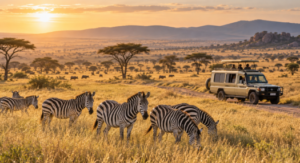
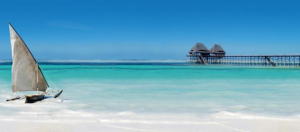
A photography Tanzania safari package holiday gives you time to capture wildlife, landscapes and everyday moments in the bush. From a lion resting in golden grass to elephants gathering beside a river, each scene offers a different photographic opportunity.
A successful photography safari starts with thoughtful planning. Your route, accommodation location and time spent at sightings can matter as much as your camera equipment. Whether you are a beginner or an experienced photographer, choose an itinerary that leaves room to observe and wait.
Where to Go for Safari Photography
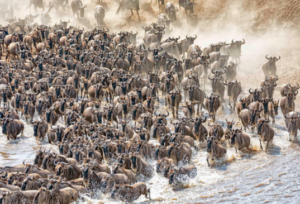
The Serengeti offers open landscapes, resident predators and the Great Migration. Its varied subjects make it suitable for both close wildlife portraits and wider photographs showing animals within their surroundings. Migration photography requires choosing the right area for your travel dates because the herds move throughout the year. TANAPA
Tarangire adds a different setting to your collection. During the dry season, wildlife gathers around the Tarangire River, creating opportunities to photograph animals visiting water. Allow time for wider compositions as well as individual portraits. TANAPA
Ngorongoro Crater can complement a Serengeti itinerary. Dry-season conditions generally make wildlife easier to spot, helping photographers locate subjects within the crater landscape. tanzaniatourism.com
When to Travel
Choose your dates around the photographs you hope to take. TANAPA identifies June to October as a useful dry-season window for Serengeti migration viewing and January to February for calving. These are seasonal guides; wildlife movements and individual sightings remain unpredictable. TANAPA
Discuss your priorities before booking. Large herds, predator behaviour, birds and landscapes may require different routes and amounts of time in each location.
Choosing Your Safari Package
For photographers, a private vehicle offers greater control over how long you spend at sightings. Ask about passenger numbers, camera space, roof access and whether your guide has experience positioning a vehicle for photography.
Accommodation location also deserves attention. Staying closer to your main photography area can reduce transfer time. Request a written breakdown covering accommodation, meals, guiding, vehicle use, park fees and any separately charged activities.
A Suggested Six-Day Itinerary
Begin with arrival and a briefing in Arusha. Spend day two exploring Tarangire, then travel to the Serengeti on day three. Dedicate day four to photography in the same area, allowing time to revisit promising locations. On day five, enjoy another game drive before travelling toward Ngorongoro. Finish with a crater visit and return to Arusha on day six.
Adjust this outline to suit the season and your photographic goals.
What Camera Equipment to Pack
Bring a camera you know well, a telephoto lens for distant subjects and a wider lens for landscapes. Spare batteries, memory cards, a dust cover and a lens-cleaning kit are useful additions. A beanbag can help support your camera when the vehicle is stationary.
Practise changing camera settings before departure, and back up your photographs regularly.
Plan Your Photography Holiday
Share your dates, budget, experience level and preferred subjects with Kilipath African Safaris. These details help shape a photography Tanzania safari package holiday with suitable locations and enough time to enjoy each sighting.