A Serengeti safari is one of the most extraordinary wildlife adventures in Africa, offering travelers the opportunity to explore endless golden plains, encounter magnificent wild animals, witness breathtaking landscapes, and experience the natural beauty of Tanzania.
Located in northern Tanzania, Serengeti National Park is internationally recognized for its remarkable wildlife populations, spectacular scenery, and the world-famous Great Wildebeest Migration. The park is one of Africa’s most celebrated safari destinations, attracting wildlife enthusiasts, photographers, honeymooners, families, and adventure seekers from around the world.
Choosing the best Serengeti safari adventure means discovering much more than lions, elephants, and giraffes. It means experiencing the African wilderness, watching predators in their natural habitats, enjoying unforgettable sunrise game drives, and learning about wildlife conservation from experienced safari guides.
Whether you are planning a luxury Serengeti safari, an affordable camping adventure, a private wildlife expedition, or a guided group safari, the Serengeti offers exceptional experiences for different travel styles and budgets.
At Kilipath African Safaris, we help travelers discover the beauty of Tanzania through carefully planned safari itineraries, knowledgeable local guides, comfortable accommodation options, and memorable wildlife experiences.
1. Why Serengeti National Park Is One of Africa’s Best Safari Destinations
The Serengeti is famous for its extraordinary biodiversity, expansive ecosystems, and outstanding opportunities to observe wildlife in its natural environment.
Covering approximately 14,750 square kilometers, Serengeti National Park protects a vast landscape of open grasslands, rocky kopjes, woodlands, river systems, and seasonal wetlands.
The name Serengeti is commonly associated with the Maasai expression describing endless plains, perfectly reflecting the park’s magnificent scenery.
One of the greatest attractions of a Serengeti safari is the opportunity to encounter wildlife throughout the year. Unlike destinations where animal sightings depend heavily on specific seasons, the Serengeti supports substantial resident wildlife populations.
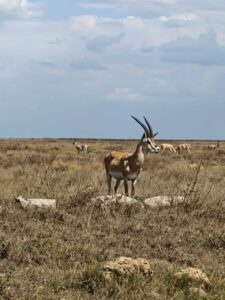
Travelers may encounter lions resting beneath acacia trees, elephants moving through woodland habitats, cheetahs scanning the grasslands, giraffes feeding on treetops, and large herds of zebras and wildebeest grazing across the savannah.
The park is also part of the larger Serengeti-Mara ecosystem, which supports one of the world’s most remarkable terrestrial wildlife migrations.
What makes a Serengeti safari special?
- Exceptional opportunities to see African predators, including lions, cheetahs, and leopards.
- The annual Great Wildebeest Migration.
- Spectacular landscapes ideal for wildlife photography.
- Professional guided game drives in specially designed safari vehicles.
- Accommodation ranging from public campsites to luxury tented lodges.
- Outstanding birdwatching opportunities.
- Beautiful sunrise and sunset scenery.
- Opportunities to combine Serengeti with Ngorongoro Crater, Tarangire, and Lake Manyara.
For travelers seeking an authentic African wildlife experience, Serengeti National Park remains one of Tanzania’s most rewarding safari destinations.
2. Experience the Great Wildebeest Migration in Serengeti
The Great Wildebeest Migration is one of the main reasons travelers choose a Serengeti safari adventure.
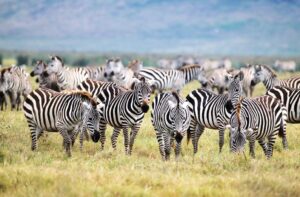
Every year, more than a million wildebeest, accompanied by hundreds of thousands of zebras and gazelles, move through the Serengeti-Mara ecosystem in search of fresh grazing and water.
This continuous movement is influenced by seasonal rainfall, grass availability, and environmental conditions.
During the migration, travelers may witness enormous herds stretching across the plains, newborn wildebeest taking their first steps, predators hunting among migrating animals, and dramatic river crossings.
Understanding the Great Migration seasons
December to March: Southern Serengeti and Ndutu Calving Season
During this period, large wildebeest herds typically gather around the southern Serengeti plains and the Ndutu region of the Ngorongoro Conservation Area.
January and February are particularly famous for the calving season, when large numbers of wildebeest calves are born within a relatively short period.
The abundance of young animals attracts predators, including lions, cheetahs, hyenas, and occasionally leopards.
This is an excellent time for travelers interested in predator behavior, wildlife photography, and witnessing the beginning of life on the African savannah.
April to June: Western Serengeti Migration
As the seasonal conditions change, many migrating herds begin moving northwest through the Serengeti.
The Western Corridor becomes an important migration region, and travelers may encounter large concentrations of wildebeest and zebras.
Some herds cross the Grumeti River, where crocodiles and other wildlife create dramatic natural encounters.
July to October: Northern Serengeti and Mara River Crossings
The northern Serengeti is especially famous for the spectacular Mara River crossings.
During this period, migrating wildebeest may cross the river between Tanzania and Kenya, sometimes facing strong currents and crocodiles.
The Kogatende area is one of the most popular destinations for travelers hoping to witness this extraordinary event.
However, river crossings are unpredictable. Even during peak migration months, sightings cannot be guaranteed.
November to December: Migration Returns South
As rainfall patterns change, migrating herds generally begin moving southward again through the Serengeti ecosystem.
This movement completes the annual migration cycle and prepares the herds for the next calving season.
For travelers specifically interested in the Great Migration, choosing the correct region of the Serengeti is just as important as selecting the travel month.
3. Discover the Big Five on a Serengeti Safari Adventure
The African Big Five are among the most sought-after animals on safari.
They include the lion, leopard, elephant, buffalo, and rhinoceros.
The Serengeti provides excellent opportunities to encounter several of these species, although rhinoceros sightings are rare and should never be expected.
African Lions
Serengeti is famous for its lion populations. Visitors may observe lions resting in the shade, interacting with their prides, or hunting across the grasslands. The Seronera region is especially well known for predator sightings.
African Leopards
Leopards are solitary and elusive predators. They are often associated with riverine woodland and areas with suitable trees, making sightings particularly exciting for wildlife enthusiasts.
African Elephants
Elephant herds can be encountered in several parts of the Serengeti, particularly around wooded habitats and water sources.
African Buffaloes
Buffaloes are powerful animals commonly found in herds. They can be observed grazing in grasslands and near water sources.
Black Rhinoceros
Black rhinos are highly endangered and extremely difficult to encounter in Serengeti. Travelers particularly interested in rhinos often combine Serengeti with Ngorongoro Crater, where sightings are possible but never guaranteed.
Beyond the Big Five, the Serengeti is home to cheetahs, hyenas, hippos, crocodiles, giraffes, zebras, wildebeest, antelopes, warthogs, and hundreds of bird species.
Every game drive presents a different opportunity to experience the natural world.
4. Best Time to Visit Serengeti National Park
The Serengeti is a year-round safari destination, but the best time to visit depends on your interests, budget, and preferred wildlife experiences.
| Travel period | Main safari highlights |
|---|---|
| January–March | Southern plains, calving season, predators |
| April–May | Green landscapes, birdwatching, quieter travel periods |
| June | Migration movement, Western Corridor, changing seasonal conditions |
| July–September | Northern Serengeti, potential Mara River crossings |
| October | Northern wildlife activity, migration movements |
| November–December | Green-season scenery, resident wildlife, southward migration |
Dry season: June to October
The dry season is one of the most popular periods for Serengeti safaris.
Vegetation is generally thinner, and wildlife often concentrates around remaining water sources.
This can make certain animals easier to locate and photograph.
The dry season is particularly attractive to visitors interested in northern Serengeti migration activities.
Green season: November to May
The green season transforms parts of the Serengeti into lush landscapes filled with fresh grass, flowers, and abundant birdlife.
It is an excellent period for landscape photography, birdwatching, and exploring areas with fewer safari vehicles.
The southern plains become particularly important during the wildebeest calving season.
Rainfall can make some roads challenging, and wildlife distribution varies according to local conditions.
There is no single perfect month for every traveler. The best Serengeti safari adventure is the one planned around the wildlife experiences you most want to enjoy.
5. Best Places to Visit During a Serengeti Safari
Serengeti National Park is divided into several wildlife regions, each offering different landscapes, animal populations, and seasonal experiences.
Choosing the right area can significantly improve your safari experience.
Central Serengeti – Seronera Valley
Central Serengeti is one of the most popular areas for wildlife safaris because of its excellent year-round game viewing opportunities.
The Seronera Valley features open grasslands, rocky kopjes, and riverine habitats that attract numerous animal species.
Travelers frequently visit this region to search for lions, leopards, cheetahs, elephants, giraffes, and resident herbivore populations.
Central Serengeti is particularly suitable for first-time safari travelers, shorter wildlife adventures, and visitors interested in African big cats.
Northern Serengeti – Kogatende
Northern Serengeti is renowned for its dramatic scenery, remote wilderness, and seasonal wildebeest migration.
Between approximately July and October, the region becomes an important destination for travelers hoping to witness Mara River crossings.
A northern Serengeti safari generally requires additional travel time or domestic flights, so visitors should consider spending multiple nights in the region.
Southern Serengeti and Ndutu
The southern plains and nearby Ndutu region are especially rewarding during the green season.
Between December and March, the area may support large migrating wildebeest herds, particularly during the calving period.
The open landscapes provide excellent visibility for wildlife photography and predator observation.
Western Serengeti – Grumeti Corridor
The Western Corridor offers a different environment, characterized by river systems, woodlands, and open plains.
It is an important migration region during parts of the year and provides opportunities to encounter crocodiles, hippos, elephants, and other wildlife.
Serengeti’s diverse habitats and seasonal wildlife movements are documented by Tanzania National Parks and UNESCO.
6. Best Serengeti Safari Adventures and Activities
A Serengeti safari is not limited to traditional wildlife viewing. Visitors can enjoy several memorable activities that make their journey even more special.
Guided wildlife game drives
Game drives are the foundation of most Serengeti safari adventures.
Travelers explore the national park in specially equipped safari vehicles accompanied by experienced professional guides.
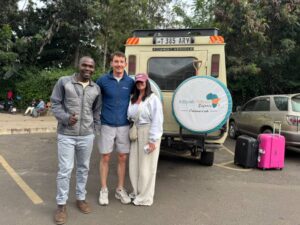
A typical safari vehicle features a pop-up roof, comfortable seating, large windows, and space for wildlife photography.
Your guide helps identify animal species, interpret tracks, explain animal behavior, and locate promising wildlife-viewing areas.
Morning game drives can be especially rewarding because temperatures are cooler and many predators remain active.
Afternoon game drives offer additional opportunities to explore the landscape and observe wildlife as temperatures begin to fall.
Serengeti hot air balloon safari
A hot air balloon safari is one of the most memorable optional activities available in the Serengeti.
The experience normally begins before sunrise, when guests are transferred to the balloon launch area.
As the balloon rises above the plains, passengers enjoy breathtaking aerial views of the surrounding landscape.
Depending on wildlife movements, travelers may observe animals from above while enjoying the peaceful atmosphere of the early morning.
Balloon flights generally last around one hour, depending on weather and operating conditions.
Many balloon experiences also include a celebratory breakfast after landing.
This activity is especially popular with honeymooners, couples, photographers, and travelers celebrating special occasions.
Wildlife photography safaris
Serengeti is a dream destination for wildlife photographers.
The combination of open grasslands, dramatic skies, abundant wildlife, and changing light creates outstanding photographic opportunities.
Professional and amateur photographers can capture images of predators, elephants, birds, migrating herds, and beautiful African landscapes.
Private safari vehicles are particularly useful for photography because they allow greater flexibility in planning wildlife-viewing sessions.
Birdwatching adventures
Serengeti National Park supports more than 500 bird species, making it an excellent destination for birdwatching enthusiasts.
Visitors may encounter secretary birds, ostriches, eagles, vultures, hornbills, storks, and colorful smaller birds.
Birdwatching can be rewarding throughout the year, with migratory species adding variety during certain seasons.
7. Types of Serengeti Safari Packages
At Kilipath African Safaris, travelers can choose from different safari styles depending on their interests, travel dates, group size, and budget.
Budget Serengeti camping safari
Budget camping safaris are ideal for travelers seeking an authentic wilderness experience at an affordable price.
Accommodation is generally provided at designated public campsites, where guests sleep in tents surrounded by the sounds of nature.
Camping safaris can include professional guides, meals, camping equipment, transportation, and national park fees.
This option is particularly attractive to adventurous travelers, students, backpackers, and wildlife enthusiasts.
Mid-range Serengeti lodge safari
Mid-range safaris offer a comfortable balance between affordability and quality.
Guests stay in selected lodges or tented camps with comfortable beds, private bathrooms in many properties, and welcoming dining facilities.
Mid-range safaris are suitable for couples, families, friends, and first-time visitors seeking comfort after long game drives.
Luxury Serengeti safari
Luxury safaris provide an exclusive wilderness experience with premium accommodation, personalized services, and carefully designed itineraries.
Depending on the property, guests may enjoy spacious tented suites, exceptional dining, scenic terraces, private guides, and additional amenities.
Luxury safaris are especially popular for honeymoons, anniversaries, special celebrations, and high-end wildlife photography trips.
Private Serengeti safari
A private safari offers exclusive use of the safari vehicle and guide.
Travelers enjoy greater flexibility in departure times, wildlife-viewing priorities, and daily schedules within park regulations.
Private safaris are ideal for families, couples, photographers, and travelers with specific wildlife interests.
Shared group Serengeti safari
A shared safari allows travelers to join other guests in one safari vehicle.
This is often one of the most affordable ways to experience Serengeti National Park.
Shared safaris follow a planned itinerary, making them particularly suitable for solo travelers and small groups interested in meeting other wildlife enthusiasts.
8. Recommended Serengeti Safari Itineraries
Choosing the right safari duration is essential for maximizing wildlife viewing and minimizing unnecessary travel.
3-Day Serengeti and Ngorongoro Safari
Day 1: Arusha to Serengeti National Park
Depart Arusha early in the morning and travel toward Serengeti through the Ngorongoro Conservation Area.
Enjoy scenic landscapes along the journey before entering Serengeti National Park.
Spend the afternoon exploring Central Serengeti, searching for lions, giraffes, elephants, zebras, and other wildlife.
Overnight at a selected campsite or lodge.
Day 2: Serengeti Game Drive and Transfer Toward Ngorongoro
Begin with an early morning game drive in the Serengeti.
Explore wildlife-rich areas before traveling toward the Ngorongoro Conservation Area.
Enjoy the scenery and continue to your accommodation near the crater.
Day 3: Ngorongoro Crater Safari and Return to Arusha
Descend into Ngorongoro Crater for a memorable game drive.
The crater is home to lions, buffaloes, elephants, hippos, zebras, and other resident wildlife.
After your game drive and picnic lunch, return to Arusha.
This itinerary is suitable for travelers with limited time, although it involves substantial driving.
4-Day Tarangire, Serengeti and Ngorongoro Safari
This itinerary is one of the most popular Northern Tanzania safari combinations.
- Day 1: Arusha to Tarangire National Park for elephant viewing and a game drive.
- Day 2: Travel to Serengeti National Park and enjoy an afternoon game drive.
- Day 3: Morning Serengeti game drive followed by travel toward Ngorongoro.
- Day 4: Ngorongoro Crater game drive and return to Arusha.
The itinerary offers diverse landscapes and opportunities to see numerous wildlife species.
5-Day Serengeti Wildlife Adventure
A five-day safari provides additional flexibility and more opportunities to explore the national parks.
A recommended itinerary includes Tarangire, two nights in Central Serengeti, and Ngorongoro Crater.
The extra Serengeti time allows travelers to enjoy more game drives without rushing between destinations.
6–7-Day Serengeti and Northern Tanzania Safari
For travelers seeking a more relaxed experience, a six- or seven-day safari offers an excellent opportunity to explore multiple wildlife destinations.
Depending on the season, the itinerary may include Tarangire, Central Serengeti, Northern Serengeti or Ndutu, and Ngorongoro Crater.
Longer safaris are especially recommended for photography enthusiasts and travelers hoping to witness specific migration events.
9. Serengeti Safari Accommodation Options
Choosing accommodation is an important part of planning your safari.
Serengeti offers several accommodation categories suitable for different budgets and comfort preferences.
Public campsites: These provide basic facilities and a traditional camping experience. Guests enjoy sleeping in tents while surrounded by the atmosphere of the African wilderness.
Tented safari camps: These combine the feeling of being close to nature with the convenience of comfortable beds and, depending on the camp, private bathrooms and dining facilities.
Mid-range safari lodges: These provide comfortable rooms, meals, and convenient access to wildlife-viewing areas.
Luxury safari lodges: These offer premium services, beautiful locations, and carefully designed accommodation for travelers seeking additional comfort.
Seasonal migration camps: Some camps operate in locations selected to provide access to particular stages of the Great Migration.
When choosing accommodation, travelers should consider its location, the season, travel distances, available facilities, and proximity to the wildlife areas they want to visit.
10. How Much Does a Serengeti Safari Adventure Cost?
The cost of a Serengeti safari depends on several factors, including the duration of the trip, accommodation category, travel season, number of travelers, and transportation arrangements.
Shared group safaris are generally more affordable because transportation and guide expenses are divided among participants.
Private safaris offer additional flexibility but may cost more, especially for solo travelers or couples.
Luxury safaris usually have higher accommodation costs, while fly-in safaris include additional domestic flight expenses.
Main factors affecting safari prices
National park fees: Serengeti entrance fees and other conservation charges form an important part of the total safari cost.
Accommodation: Public camping is usually more economical than mid-range lodges and luxury tented camps.
Safari duration: Longer trips involve additional accommodation, meals, guiding, and park expenses.
Travel season: Prices may increase during popular migration periods and holiday seasons.
Group size: Traveling with friends or family can reduce the per-person cost of a private safari.
Domestic flights: Flying into Serengeti saves travel time but increases transportation expenses.
What is normally included in a Serengeti safari package?
Depending on the selected package, inclusions may cover accommodation, park entrance fees, professional safari guiding, transportation in a 4×4 vehicle, meals, drinking water, and scheduled game drives.
Additional activities such as balloon safaris, international flights, travel insurance, visas, personal expenses, and gratuities may be excluded.
Travelers should always request a detailed quotation explaining exactly what is included before confirming their safari.
11. How to Reach Serengeti National Park
There are two main ways to reach Serengeti National Park: by road or by domestic flight.
Traveling from Arusha by road
Arusha is the main starting point for many Northern Tanzania safari itineraries.
The journey to Central Serengeti generally takes several hours and passes through scenic landscapes and conservation areas.
Road safaris allow travelers to experience more of Tanzania’s countryside and can be combined with other national parks.
Flying to Serengeti National Park
Domestic flights provide a convenient alternative for travelers who prefer to minimize long road transfers.
Flights operate to various Serengeti airstrips, including Seronera and Kogatende, depending on airline schedules and season.
Fly-in safaris are particularly suitable for luxury travelers, honeymooners, and visitors with limited vacation time.
Serengeti safari from Zanzibar
Travelers staying in Zanzibar can also arrange a Serengeti safari.
Depending on flight availability, visitors may fly directly to a Serengeti airstrip or connect through Arusha.
A fly-in safari can help maximize time inside the national park, while road-based packages may provide a more affordable alternative.
12. What to Pack for the Best Serengeti Safari Adventure
Packing correctly helps ensure a comfortable and enjoyable safari.
Essential items include:
- Lightweight clothing in neutral colors.
- Comfortable walking shoes.
- A warm jacket for early morning and evening temperatures.
- Sunscreen and sunglasses.
- A wide-brimmed hat.
- Binoculars for wildlife observation.
- A camera with additional batteries and memory cards.
- Insect repellent.
- Personal medication and basic toiletries.
- A reusable water bottle.
- A power bank and charging accessories.
- A small daypack for essential belongings.
For camping safaris, a flashlight or headlamp and a personal towel are particularly useful.
Travelers using small domestic aircraft should check luggage weight and bag-size restrictions before departure.
13. Essential Tips for Planning a Successful Serengeti Safari
Planning ahead can make a significant difference to your safari experience.
Choose the correct travel season. If your main goal is witnessing the Great Migration, select the region and travel dates according to expected wildlife movements.
Allow enough time for game drives. Serengeti is enormous, and longer stays can provide a more relaxed and rewarding wildlife experience.
Book accommodation in advance. Popular lodges and camps may fill quickly during peak travel periods.
Choose an experienced local safari operator. Professional guides understand animal behavior, park routes, and seasonal wildlife movements.
Remain patient during game drives. Wildlife sightings are unpredictable, and some of the most memorable moments happen unexpectedly.
Respect wildlife and park regulations. Never feed animals, leave designated routes without authorization, or disturb wildlife for photographs.
Bring suitable photography equipment. A camera with a zoom lens and binoculars can greatly improve your wildlife-viewing experience.
Combine Serengeti with nearby destinations. Ngorongoro Crater and Tarangire National Park provide complementary landscapes and wildlife experiences.
14. Why Choose Kilipath African Safaris for Your Serengeti Adventure?
Planning a Serengeti safari with a knowledgeable Tanzania-based operator can help travelers create a more personalized and enjoyable experience.
At Kilipath African Safaris, we specialize in organizing memorable wildlife adventures across Tanzania’s most famous safari destinations.
Our safari experiences are designed to accommodate different travel styles, including budget camping adventures, comfortable lodge safaris, private wildlife expeditions, and shared group tours.
We focus on providing knowledgeable guides, well-planned itineraries, comfortable transportation, and helpful customer support throughout the safari-planning process.
Whether you want to search for the Big Five, photograph the Great Migration, celebrate a honeymoon, or explore the Serengeti with your family, our team can help you choose an itinerary that suits your interests and budget.
We also assist travelers with safari accommodation arrangements, airport transfers, domestic flight planning, and optional activities such as Serengeti hot air balloon experiences.
Our goal is to help visitors experience Tanzania’s incredible wildlife while creating lasting memories of their African adventure.
Book Your Best Serengeti Safari Adventure With Kilipath African Safaris
Are you ready to experience the magic of Serengeti National Park?
Let Kilipath African Safaris help you plan an unforgettable Tanzania wildlife adventure.
We offer customized Serengeti safari packages, private and shared game drives, comfortable accommodation options, and exciting wildlife experiences tailored to your travel preferences.
Contact Kilipath African Safaris today to request your personalized Serengeti safari itinerary and quotation.
Discover the Great Migration, explore the endless plains, encounter Africa’s magnificent wildlife, and create memories that will last a lifetime.
Your unforgettable Serengeti safari adventure starts with Kilipath African Safaris!