Lake Manyara vs. Nyerere Safari Prices | Tanzania Guide
A Lake Manyara safari can cost USD 150–220 per person for a shared day trip from Arusha. A published example of a…
Read articleArusha City - Tanzania
Safari & Travel Tips
August 20, 2026 · 16 min read
A Tanzania safari tour Lake Manyara experience offers travelers an exciting introduction to the beauty, wildlife, and diverse landscapes of northern Tanzania. Lake Manyara National Park may be smaller than famous destinations such as Serengeti National Park or the Ngorongoro Crater, but its compact size, remarkable scenery, rich birdlife, elephant populations, and convenient location make it an excellent destination for both first-time and returning safari travelers.
Situated at the base of the dramatic Great Rift Valley escarpment, Lake Manyara National Park combines groundwater forests, open grasslands, acacia woodland, hot springs, marshes, and the expansive Lake Manyara itself. These different habitats create opportunities to see an impressive variety of wildlife during a relatively short game drive.
Lake Manyara is especially convenient for travelers exploring Tanzania's Northern Safari Circuit because it can easily be combined with Tarangire National Park, Ngorongoro Crater, Serengeti National Park, and cultural attractions around Mto wa Mbu.
Whether you are planning a private safari, family holiday, honeymoon, photographic journey, or a short wildlife extension from Arusha or Zanzibar, a Lake Manyara safari can become a memorable part of your Tanzania adventure.
Lake Manyara National Park provides a different safari atmosphere from the vast plains of the Serengeti or the rugged landscape of Tarangire.
The park is relatively compact, meaning travelers can experience several different ecosystems within a single game drive. One moment you may be traveling beneath enormous mahogany and fig trees in the groundwater forest, while shortly afterward you can find yourself overlooking open plains filled with zebras, giraffes, buffaloes, and wildebeest.
The Great Rift Valley escarpment provides a spectacular natural backdrop throughout much of the park.
Lake Manyara is also conveniently positioned between Arusha, Tarangire, Ngorongoro, and Serengeti, making it easy to incorporate into longer Tanzania safari itineraries.
For travelers with limited time, it can even be visited as a day trip from Arusha.
Lake Manyara National Park is located in northern Tanzania, approximately 120–130 kilometers southwest of Arusha.
The journey normally takes around two to three hours depending on traffic and road conditions.
The park sits between Lake Manyara and the western wall of the Great Rift Valley. The nearby town of Mto wa Mbu is an important gateway to the park and is known for its multicultural community, local markets, banana plantations, farms, and cultural tourism activities.
Because Lake Manyara lies along the route toward Ngorongoro and Serengeti, it is particularly convenient for multi-day Northern Circuit safaris.
A common safari route may include:
Arusha → Tarangire → Lake Manyara → Ngorongoro → Serengeti → Arusha
The exact order can be adjusted according to the length of your trip, wildlife priorities, accommodation choices, and arrival or departure arrangements.
One of the strongest reasons to include Lake Manyara in your Tanzania safari is the diversity of animals that may be encountered within a relatively small area.
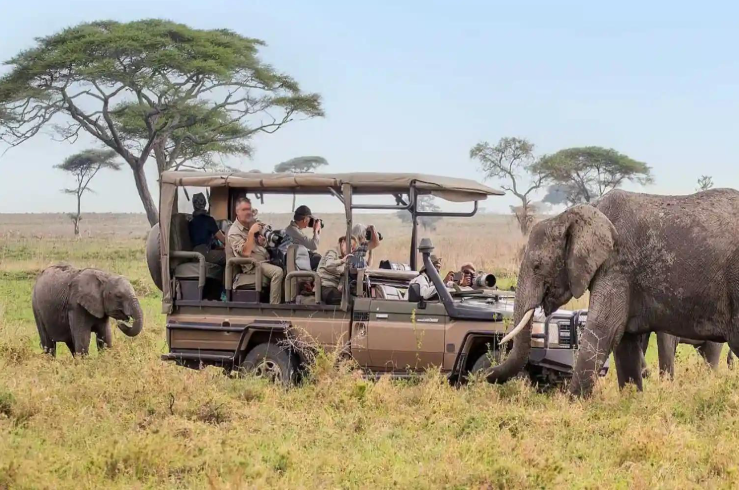
Lake Manyara is well known for its elephants.
Visitors may encounter elephants walking through the forest, feeding close to the road, or moving across more open areas of the park.
Watching a family of elephants moving quietly through the woodland can be one of the highlights of a Lake Manyara safari.
Masai giraffes are frequently seen around woodland and open areas.
Their height and distinctive patterns make them excellent photographic subjects, particularly when they are framed against the Rift Valley escarpment.
African buffaloes are another common sight.
They may appear individually, in small groups, or in larger herds near grassy areas and water sources.
Zebras and wildebeest can often be observed grazing on the plains, particularly where the vegetation is more open.
Their numbers and locations change according to rainfall, vegetation, and seasonal water conditions.
Lake Manyara National Park has an impressive population of olive baboons.
Large troops can often be seen close to the road, particularly in forested areas.
Blue monkeys are also present and are commonly found among the trees.
Watching primates interacting, feeding, grooming, and moving through the forest provides a different wildlife experience from traditional open-savannah game viewing.
Hippos may be observed around suitable wetland areas and pools.
Depending on seasonal water levels and road access, visitors may have opportunities to see them resting in or close to water.
Lake Manyara became famous historically for reports of its tree-climbing lions.
Lions are still present in the ecosystem, although seeing one resting in a tree should always be considered a special wildlife encounter rather than something guaranteed on every safari.
Wild animals move freely, and sightings depend on conditions on the day.
Other animals that may be encountered include:
Every game drive is different, which is part of what makes an African safari exciting.
Lake Manyara is frequently associated with tree-climbing lions.
Although lions are capable of climbing trees in several regions of Africa, Lake Manyara gained international recognition for sightings of lions resting on branches.
There are several theories about why lions climb trees.
Some researchers and guides suggest that elevated branches may provide relief from insects, while others believe the behavior helps lions escape heat near ground level or simply gives them a comfortable resting place.
Regardless of the reason, encountering a lion lying across an acacia branch is an unforgettable sight.
However, visitors should understand that tree-climbing lions are never guaranteed.
A responsible Tanzania safari operator should never promise a particular wild-animal sighting.
Your guide will instead use experience, tracks, wildlife behavior, communication with other guides, and knowledge of the park to maximize your opportunities.
Bird enthusiasts will find Lake Manyara particularly rewarding.
The combination of water, forest, grassland, woodland, and marsh habitats supports hundreds of bird species.
Depending on the season and location, travelers may encounter:
Flamingo numbers can vary significantly according to water levels, food availability, salinity, and seasonal conditions.
Visitors should therefore avoid booking solely with the expectation of seeing huge flamingo concentrations.
Even when flamingos are limited, Lake Manyara remains one of the most interesting birdwatching environments on Tanzania's Northern Circuit.
Wildlife is only one part of the Lake Manyara experience.
The scenery changes dramatically as you travel through the park.
Near the park entrance, visitors usually enter lush groundwater forest.
Large trees create a cool, green environment that feels completely different from Tanzania's better-known open savannah.
Baboons, monkeys, elephants, and forest birds may be encountered here.
Further into the park, acacia woodland provides habitat for giraffes, elephants, antelopes, and predators.
Open areas provide excellent visibility for game viewing.
Zebras, wildebeest, buffaloes, giraffes, and other herbivores can sometimes be seen grazing against the impressive escarpment.
Marshes and wetland habitats attract birds, hippos, and other animals.
The appearance of Lake Manyara changes considerably with rainfall and seasonal water levels.
Perhaps the most dramatic landscape feature is the towering Great Rift Valley wall.
The escarpment rises sharply above the park, providing a spectacular backdrop for wildlife photography.
A typical Lake Manyara safari usually begins in Arusha, Karatu, Mto wa Mbu, or another nearby safari lodge.
Guests traveling from Arusha often leave after breakfast and drive toward the park.
After completing entrance procedures, the game drive begins.
The guide may explore the forest first before continuing toward woodland, open plains, viewpoints, and wetland areas.
There is no fixed wildlife schedule.
The day's route depends on animal movement, road conditions, recent sightings, weather, and your guide's knowledge of the park.
You may stop for lunch at an appropriate picnic area before continuing your game drive.
Afterward, travelers may proceed toward Karatu or Ngorongoro, return to Arusha, or spend the night around the Lake Manyara region depending on the itinerary.
Lake Manyara can generally be visited throughout the year, although safari conditions change according to season.
The dry season is popular for wildlife viewing.
Vegetation can become thinner, improving visibility in some parts of the park.
Animals may concentrate near available water and productive feeding areas.
June through October also coincides with Tanzania's busy safari season, so accommodation availability should be considered when planning.
Short rains can transform the landscape into greener scenery.
Bird activity can be excellent and photographic conditions may become particularly attractive.
Rainfall patterns vary from year to year.
January through March can provide warm conditions, green landscapes, birdlife, and good general wildlife viewing.
This period is also interesting for travelers combining Lake Manyara with the southern Serengeti and Ndutu ecosystem during the wildebeest calving season.
These months normally receive more rainfall.
The vegetation becomes lush, birdlife can be excellent, and visitor numbers may be lower.
Some travelers enjoy this period because of greener landscapes and a quieter safari atmosphere.
Road and weather conditions should always be considered when planning a rainy-season safari.
Lake Manyara is easily accessible from Arusha.
This makes it suitable for travelers who only have one day available for safari.
A day trip typically involves an early departure from Arusha, approximately two to three hours of driving to the park, a game drive with a lunch break, and a return to Arusha later in the day.
However, travelers who have more time often obtain better value by including Lake Manyara within a multi-day safari.
For example:
Day 1: Arusha → Lake Manyara
Day 2: Ngorongoro Crater → Arusha
Day 1: Arusha → Tarangire
Day 2: Lake Manyara
Day 3: Ngorongoro Crater → Arusha
Day 1: Tarangire
Day 2: Serengeti
Day 3: Serengeti → Ngorongoro
Day 4: Ngorongoro Crater → Arusha
Lake Manyara can be substituted or added depending on your priorities.
A longer itinerary can combine Tarangire, Serengeti, Ngorongoro, and Lake Manyara, providing a broader Northern Tanzania wildlife experience.
Many travelers combine a Zanzibar beach holiday with a Tanzania mainland safari.
It is possible to fly from Zanzibar to Arusha or Kilimanjaro and continue toward Lake Manyara.
For travelers with sufficient time, spending several days on the mainland is usually preferable to attempting an extremely rushed same-day safari.
A popular combination may involve:
Zanzibar → Arusha → Tarangire → Serengeti → Ngorongoro → Lake Manyara → Zanzibar
Domestic flights can also be incorporated into selected itineraries to reduce driving time.
The most appropriate arrangement depends on your number of available days, preferred parks, safari style, and budget.
A private safari provides a dedicated safari vehicle and guide for your booking.
This option is especially suitable for:
A private safari allows your guide to adapt the day's game drive around your interests whenever park regulations and logistics permit.
For example, photographers may prefer spending more time observing a particular elephant family, while birdwatchers may want to concentrate on wetland and forest species.
Families may prefer shorter game-drive periods with additional breaks.
The privacy and flexibility often make a private safari particularly comfortable.
Travelers seeking a more affordable experience may consider joining a shared safari.
Shared safaris allow several travelers to divide costs associated with the safari vehicle and guide.
They can be an excellent option for solo travelers, couples, backpackers, and visitors with tighter budgets.
However, shared tours follow a predetermined itinerary.
Departure times, overnight destinations, game-drive schedules, and route changes are generally less flexible because the needs of the entire group must be considered.
Travelers deciding between private and shared safaris should therefore consider both budget and desired flexibility.
Accommodation around Lake Manyara ranges from budget camps to comfortable lodges and luxury properties.
Budget travelers can choose basic lodges, campsites, or guesthouses around Mto wa Mbu and nearby areas.
These options allow travelers to spend more of their budget on safari activities.
Mid-range lodges provide a comfortable balance between price and amenities.
Rooms typically include private bathrooms, comfortable beds, restaurants, and relaxing common areas.
This category is popular with couples, families, and travelers who want comfort without luxury-level pricing.
Luxury safari lodges may feature spacious rooms, high-quality dining, scenic locations, swimming pools, premium service, and additional experiences.
Luxury arrangements are particularly popular with honeymooners and guests celebrating special occasions.
Your accommodation choice has a significant effect on the total price of your Tanzania safari.
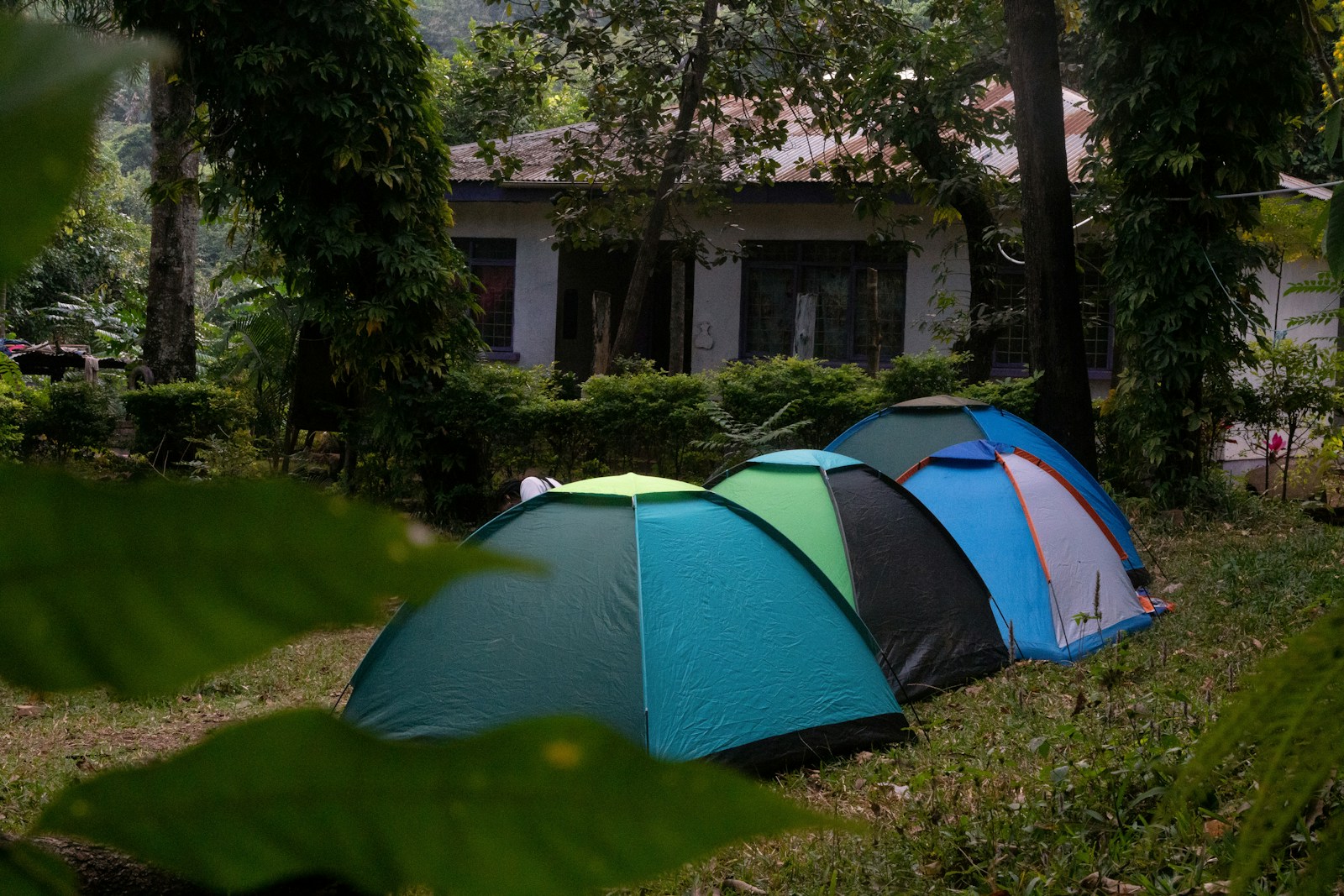
Camping is another enjoyable way to explore Northern Tanzania.
A camping safari can provide a more adventurous connection with the African environment while keeping trip costs lower than many lodge-based safaris.
Depending on the safari arrangement, camping equipment may include:
Meals may be prepared by a safari cook or included through the campsite arrangement.
Travelers should confirm whether bathroom facilities are private or shared before booking.
Most Lake Manyara safaris use specially adapted 4x4 Land Cruiser safari vehicles.
A typical safari vehicle may feature:
The elevated seating position and opening roof provide excellent opportunities for wildlife observation and photography.
Lake Manyara is particularly rewarding for photographers because of its variety of scenery.
Within one day, photographers can capture:
A private safari is often preferable for serious photographers because it provides greater control over how long you remain at sightings.
Bring protective equipment for your camera because safari roads can become dusty during dry months.
Lake Manyara can be excellent for families traveling with children.
Because the park is relatively compact, younger travelers can experience meaningful wildlife viewing without spending an entire day traveling across enormous distances.
Children may particularly enjoy seeing elephants, giraffes, baboons, zebras, and colorful birds.
Families should select an itinerary appropriate to the children's ages, interests, and tolerance for long driving hours.
Private safaris generally provide greater flexibility for families.
Lake Manyara can also be incorporated into a romantic Tanzania honeymoon safari.
Couples can combine wildlife viewing with beautiful lodges, private game drives, special meals, and later continue toward Serengeti, Ngorongoro, or Zanzibar.
A classic honeymoon combination might include:
Arusha → Tarangire → Lake Manyara → Serengeti → Ngorongoro → Zanzibar
This provides a combination of wildlife, landscapes, luxury accommodation, adventure, and tropical beaches.
Lake Manyara and Tarangire are relatively close to one another, making them easy to combine.
However, the parks offer different experiences.
Tarangire is particularly famous for elephants, baobab trees, the Tarangire River, and expansive dry-season landscapes.
Lake Manyara is known for its groundwater forest, Rift Valley scenery, birdlife, primates, and lake ecosystem.
Visiting both gives travelers greater ecological diversity.
Lake Manyara is also frequently combined with the Ngorongoro Crater.
A traveler may explore Lake Manyara on one day and continue toward Karatu or the Ngorongoro Conservation Area for the night.
The following morning, the safari can descend into Ngorongoro Crater.
Ngorongoro provides excellent opportunities to see large numbers of animals concentrated within a relatively compact area.
Combining Lake Manyara and Ngorongoro therefore works very well for travelers with limited safari time.
For travelers wanting a more complete Northern Tanzania safari, Lake Manyara can be combined with Serengeti.
Serengeti offers huge open plains, major predator populations, and seasonal wildebeest migration experiences, while Lake Manyara provides forest and Rift Valley environments.
Together, the destinations highlight just how varied northern Tanzania can be.
A common itinerary includes:
Day 1: Tarangire
Day 2: Lake Manyara
Day 3: Serengeti
Day 4: Serengeti
Day 5: Ngorongoro
Day 6: Return to Arusha
The itinerary can be shortened or extended depending on your travel schedule.
There is no single fixed Lake Manyara safari price.
The final cost depends on several factors, including:
Private safaris generally become more economical per person as the number of travelers sharing the vehicle increases.
Luxury accommodation and fly-in arrangements increase costs, while camping or joining a group safari can help reduce the overall budget.
For accurate pricing, travelers should request a personalized quotation based on their travel dates and group size.
Safari packages vary, but typical inclusions may consist of:
Always examine the exact list of inclusions before booking.
Common exclusions may include:
The exact exclusions depend on the package selected.
Safari travelers should prioritize comfort, sun protection, and neutral-colored clothing.
Useful items include:
Neutral colors such as khaki, beige, olive, and brown work particularly well for safari travel.
Temperatures can vary considerably between daytime and early morning, especially when your itinerary includes Ngorongoro.
Yes, particularly for travelers looking for ecological diversity rather than simply checking animals off a list.
Lake Manyara offers something noticeably different from Serengeti and Ngorongoro.
Its combination of forest, lake, escarpment, wetlands, primates, elephants, and birdlife gives the park a distinctive character.
Travelers with very limited safari time may need to choose between Lake Manyara and other parks depending on seasonal wildlife conditions and personal priorities.
Those with four, five, six, or more safari days can often incorporate Lake Manyara comfortably into their itinerary.
For most travelers, one game-drive day is sufficient to experience the major environments within Lake Manyara National Park.
This is one of the advantages of the park's relatively compact size.
Travelers interested in cultural activities, birdwatching, photography, walking experiences around the wider region, or a slower travel pace may prefer staying nearby for two nights.
A Lake Manyara safari can also be combined with cultural activities around Mto wa Mbu.
The town is known for its diverse population and agricultural landscape.
Depending on your itinerary, activities may include:
These activities provide an opportunity to experience another side of Tanzania beyond national park game drives.
Visitors can contribute to protecting Tanzania's wildlife by following responsible tourism practices.
Always respect park regulations and follow your guide's instructions.
Never encourage a driver to approach wildlife dangerously closely or leave authorized roads where this is prohibited.
Avoid feeding animals, throwing rubbish from vehicles, or creating excessive noise around wildlife.
Responsible tourism helps preserve Tanzania's national parks for future generations.
Working with an experienced Tanzania-based safari operator can simplify transportation, accommodation, permits, park fees, route planning, and unexpected itinerary changes.
Local safari specialists understand travel distances and how different national parks can be connected efficiently.
A professional operator can also recommend whether Lake Manyara should be included based on your:
Rather than choosing an itinerary based purely on a standard template, having the route adapted to your travel schedule can produce a much more comfortable safari.
A Tanzania safari tour Lake Manyara experience combines spectacular Rift Valley landscapes, elephants, primates, birdlife, forest habitats, wetlands, and traditional African game viewing in one fascinating destination.
Lake Manyara works particularly well as part of a wider Northern Circuit safari involving Tarangire, Serengeti, and Ngorongoro.
Whether you have just one day available or are planning a week-long Tanzania safari, your itinerary can be designed around your available time, budget, preferred accommodation, and wildlife interests.
For travelers arriving through Arusha, Kilimanjaro International Airport, or Zanzibar, Lake Manyara can be incorporated into both road-based and selected fly-in safari arrangements.
Contact Kilipath African Safaris with your travel dates, number of travelers, preferred safari duration, and accommodation level, and our team can prepare a personalized Lake Manyara safari itinerary designed around your journey.
A Lake Manyara safari can cost USD 150–220 per person for a shared day trip from Arusha. A published example of a…
Read articlePlanning a Tanzania safari that combines Lake Manyara National Park and Nyerere National Park is an excellent way to experience the country's…
Read articlePlanning an unforgettable African wildlife adventure from Zanzibar? Understanding the Tanzania safari package Zanzibar price is an important first step toward choosing…
Read articlePlanning an African wildlife adventure? Understanding the group Tanzania safari price is an important step toward choosing an affordable and unforgettable safari…
Read article