Nyerere Tanzania Wildlife Safari Guide
A Nyerere Tanzania wildlife safari can take you from a woodland game drive in the morning to a boat on the Rufiji…
Read articleArusha City - Tanzania
Safari & Travel Tips
August 20, 2026 · 13 min read
A photography Tanzania safari tour vacation is designed for travelers who want more than simply seeing Africa’s wildlife. It gives photographers the time, positioning, flexibility, and access needed to capture Tanzania’s landscapes, animals, birds, and unforgettable safari moments.
From lions resting on the plains of the Serengeti to elephants walking beneath ancient baobab trees in Tarangire, Tanzania provides extraordinary opportunities for both professional and amateur wildlife photographers. The country combines abundant wildlife, dramatic scenery, excellent natural light, and diverse national parks, making it one of Africa’s most rewarding photography safari destinations.
Whether you travel with a professional camera and long telephoto lenses or simply want exceptional photographs with your phone or compact camera, a carefully planned photography safari can transform an ordinary wildlife holiday into a memorable visual journey.
Traditional safaris are usually organized around seeing as many animals and attractions as possible. A photography safari works differently.
Wildlife photography often requires patience. Instead of seeing a lion and immediately continuing to the next sighting, photographers may prefer to remain in one location and wait for the animal to move, hunt, interact with its cubs, or enter better light.
A private photography-focused safari can therefore provide greater flexibility with:
This slower and more patient approach is one of the main reasons serious photographers often choose a private Tanzania safari.
The Serengeti is one of the most famous wildlife photography destinations in the world. Its vast grasslands provide relatively open views, making it particularly rewarding for photographing predators and large mammals.
Photographers may encounter:
The open plains also provide beautiful environmental compositions where wildlife can be photographed against Tanzania’s enormous skies.
The Serengeti becomes particularly exciting during different stages of the Great Migration. Depending on the season and location, photographers can capture enormous wildebeest herds, newborn calves, predator activity, or dramatic migration movements.
The Great Wildebeest Migration is one of Tanzania’s most remarkable photographic subjects.
More than simply photographing thousands of animals, migration photography provides opportunities to document behavior, movement, survival, landscapes, and predator-prey interactions.
Different months provide different photographic possibilities.
During this period, large numbers of wildebeest gather around the southern Serengeti and Ndutu ecosystem.
January and February are particularly famous for the calving season. Thousands of wildebeest calves are born, creating excellent opportunities for wildlife behavior photography.
Predators are also frequently active because vulnerable young animals attract lions, cheetahs and hyenas.
As the ecosystem changes, migrating herds gradually move northward.
Photographers may capture long columns of wildebeest and zebra traveling across open landscapes.
The northern Serengeti becomes one of the most exciting photography destinations during migration season.
Large herds gather in the northern ecosystem, and river crossings may occur when conditions encourage the animals to cross.
River crossings are natural events and cannot be guaranteed, but spending several days in the region increases opportunities to observe different migration behaviors.
Ngorongoro Crater offers a completely different photographic environment.
Descending into the crater reveals grasslands, wetlands, forests, and open plains surrounded by the dramatic crater walls.
Wildlife commonly encountered includes:
The crater is also one of Tanzania’s better-known locations for possible sightings of the endangered black rhino, although wildlife sightings can never be guaranteed.
Early morning conditions can be especially atmospheric. Mist around the crater rim and soft morning light can create beautiful landscape photographs before the stronger midday light arrives.
Tarangire is an outstanding destination for photographers, especially those interested in elephants.
The park is famous for its large elephant population and enormous baobab trees. Combining wildlife with these distinctive trees can produce some of Tanzania’s most recognizable safari photographs.
During the dry season, animals often concentrate around water sources and the Tarangire River.
Photographers can look for:
Rather than focusing only on close-up animal portraits, Tarangire is excellent for environmental photography showing wildlife within the African landscape.
Lake Manyara provides forests, groundwater vegetation, wetlands, escarpment scenery, and birdlife.
It can be especially interesting for travelers who enjoy photographing birds and landscapes alongside larger mammals.
Possible subjects include elephants, baboons, monkeys, giraffes, buffalo, hippos, waterbirds, and numerous smaller species.
Conditions around the lake change seasonally, so photographic opportunities vary throughout the year.
There is no single perfect month because Tanzania provides excellent photography throughout the year.
The ideal period depends on what you want to photograph.
The dry season generally provides excellent wildlife viewing because vegetation becomes thinner and many animals concentrate around reliable water sources.
Clear conditions and golden grasslands can create classic African safari photographs.
This period can be particularly rewarding for photographers interested in the southern Serengeti and Ndutu ecosystem.
The green landscape provides beautiful backgrounds, while the calving season offers opportunities for photographing newborn animals and predator activity.
Rainier periods should not automatically be avoided by photographers.
Green vegetation, dramatic clouds, fewer safari vehicles in some locations, young animals, and abundant birdlife can provide very different photographic opportunities.
Rain can also produce reflections, saturated landscapes, dramatic skies, and unusual lighting conditions.
For serious wildlife photographers, a private photography Tanzania safari tour vacation is usually preferable to a shared safari.
Photography requires patience and flexibility.
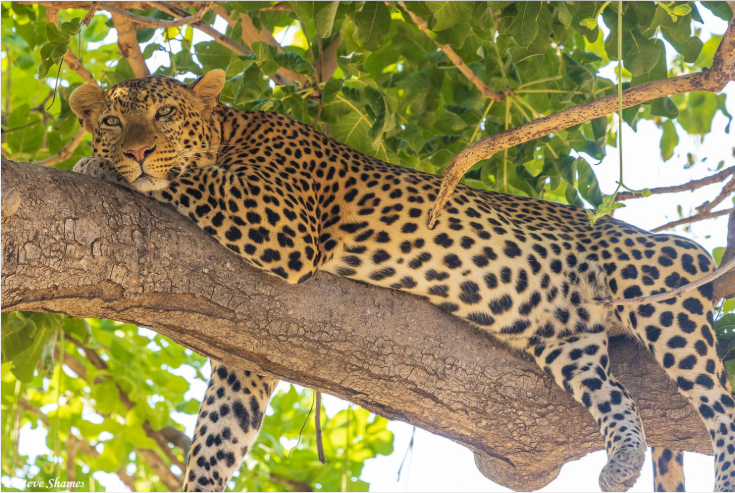
Imagine finding a leopard resting in a tree. A standard safari group may photograph it briefly and continue searching for other animals. A photographer may prefer waiting 30 minutes or longer to see whether the leopard changes position, descends, stretches, or looks toward the camera.
With a private vehicle, decisions about how long to remain at appropriate sightings can be made around your photographic priorities, while always respecting park regulations and wildlife.
Private safaris can also provide more room for equipment and easier movement between vehicle windows.
The safari vehicle is extremely important.
A typical Tanzania photography safari uses a 4x4 Land Cruiser with a pop-up roof, allowing guests to stand and photograph wildlife from different angles where park regulations permit.
Depending on the vehicle configuration, useful features may include:
For photographers carrying several camera bodies and large lenses, limiting the number of passengers in the vehicle can significantly improve comfort and shooting space.
A successful photography safari depends heavily on the guide.
A knowledgeable safari guide does much more than drive between wildlife sightings.
Experienced guides understand animal behavior and can anticipate possible movement.
For example, instead of stopping directly beside an approaching elephant, an experienced guide may position the vehicle where the elephant is likely to walk, providing better lighting and composition while maintaining a safe and respectful distance.
A photography-friendly guide understands that photographers sometimes need patience rather than constant movement.
The guide can also help identify birds, explain animal behavior, locate wildlife, and determine suitable positions while following national park regulations.
Early mornings are extremely important for wildlife photographers.
The first hours after sunrise often provide softer light than the middle of the day.
Morning game drives may also offer opportunities to see predators before temperatures rise.
Photographers can potentially capture:
Starting early can therefore dramatically expand photographic opportunities.
The period shortly after sunrise and before sunset is often called the golden hour.
The low-angle sunlight creates warmer tones, softer shadows, and attractive backlighting.
Instead of photographing only with the sun behind you, experienced photographers may experiment with side lighting and backlighting.
Dust illuminated behind elephants or wildebeest, for example, can create dramatic images.
Your equipment depends on your experience, budget, and photographic goals.
A useful wildlife photography setup may include:
A lens around the 100–400mm range can be extremely versatile for general safari photography, while longer focal lengths may be useful for birds and distant wildlife.
Wide-angle lenses are valuable for landscapes, lodges, camps, sunsets, and environmental wildlife images.
Serious photographers may benefit from carrying two camera bodies.
One can remain attached to a telephoto lens while another carries a shorter zoom.
Wildlife situations can change extremely quickly. A lion may initially be far away and then unexpectedly approach the vehicle.
Changing lenses repeatedly in dusty conditions can also expose the camera sensor to dust.
Two camera bodies reduce lens changes and allow photographers to respond quickly.
Dust is part of safari travel, especially during the dry season.
Keep unused equipment inside a closed camera bag and avoid unnecessary lens changes when the vehicle is moving through dusty areas.
A simple cleaning kit is extremely useful.
Photographers should consider bringing:
Never leave sensitive camera equipment exposed unnecessarily.
Photography consumes significant battery power, especially when using mirrorless cameras, continuous autofocus, image stabilization, or reviewing images regularly.
Carry multiple batteries whenever possible.
Many safari vehicles and accommodations provide charging possibilities, but availability and power systems vary between camps and lodges.
Bring suitable adapters and keep batteries charged whenever electricity is available.
Wildlife photographers can take thousands of photographs during a Tanzania safari.
Bring more memory capacity than you think you will need.
For longer photography tours, consider backing up photographs to a laptop or portable storage device.
Keeping photographs in at least two locations reduces the risk of losing important images if a memory card becomes damaged.
The welfare of wildlife should always be more important than obtaining a photograph.
Responsible photography means avoiding actions that disturb animals or damage their environment.
Guests should follow their guide’s instructions and national park regulations.
Never pressure a guide to drive off permitted tracks, approach animals unsafely, or interfere with wildlife simply to obtain a better image.
The most meaningful wildlife photographs document natural behavior.
Tanzania provides exceptional opportunities for predator photography.
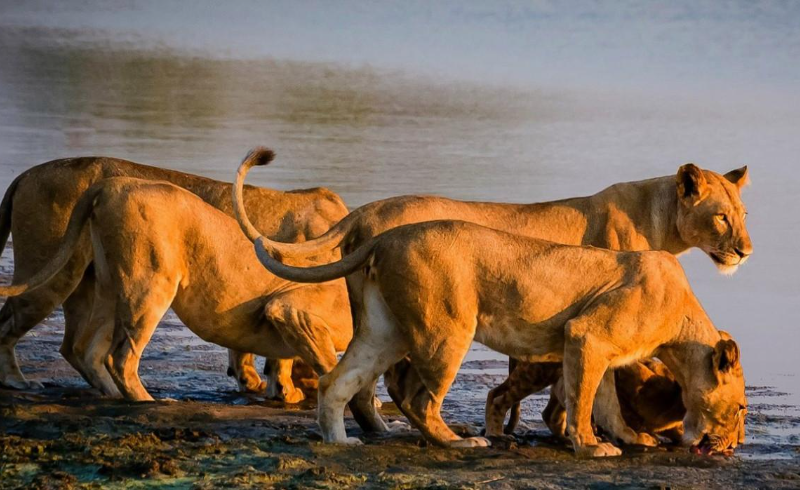
Lions are frequently photographed in the Serengeti and Ngorongoro ecosystem, while cheetahs often favor open plains.
Leopards can be more difficult to locate because they are solitary and often rest in trees or vegetation.
Patience becomes especially valuable with predators.
Instead of photographing only a resting lion, waiting may reveal interactions between pride members, cub behavior, movement, hunting preparation, or dramatic expressions.
Tanzania is not only about large mammals.
The country has extraordinary bird diversity, making it an excellent destination for bird photographers.
Depending on habitat and season, photographers may encounter:
Bird photography generally benefits from longer telephoto lenses because subjects are smaller and often farther from the vehicle.
Tanzania provides magnificent landscapes even when wildlife is absent.
Excellent landscape subjects include:
Including wildlife within the wider landscape can often create more powerful storytelling photographs than close-up portraits alone.
A photography itinerary should avoid excessive rushing between destinations.
Arrive at Kilimanjaro International Airport and transfer to your accommodation in Arusha.
Meet your safari representative and discuss equipment, photographic priorities, departure times, and itinerary.
Travel to Tarangire and begin your first photography game drive.
Focus on elephants, baobabs, landscapes, and wildlife around the Tarangire ecosystem.
Overnight near Tarangire or Karatu depending on the itinerary.
Travel toward Serengeti National Park.
The journey provides opportunities for landscape photography before entering the Serengeti ecosystem.
Enjoy an afternoon game drive.
Spend the full day exploring Serengeti.
Start early and concentrate on predators, plains wildlife, birds, and environmental compositions.
A second full day provides more time to wait for special sightings instead of rushing through the park.
Your guide can concentrate on areas where wildlife activity has recently been reported.
Enjoy another morning game drive before traveling toward the Ngorongoro Conservation Area.
Photograph the changing scenery along the journey.
Descend into Ngorongoro Crater early in the morning.
Photograph wildlife across the crater floor before returning to Arusha later in the day.
Accommodation can range from public camping to comfortable tented camps and luxury safari lodges.
Photographers should consider more than room quality when choosing accommodation.
Location is extremely important.
Staying inside or close to a national park can reduce morning transfer times and potentially allow photographers to reach productive wildlife areas earlier.
Accommodation choices include:
Ideal for adventurous photographers seeking an affordable safari.
Provide comfortable beds, private facilities in many properties, and convenient safari locations.
Provide higher levels of comfort, service, dining, and often excellent locations.
The best option depends on budget and photography priorities.
Photography safari prices vary considerably.
The final price depends on:
Private photography safaris generally cost more than shared group tours because the vehicle and guide are dedicated to your party.
However, serious photographers often find the flexibility worthwhile because they control their safari experience much more closely.
A Tanzania photography safari package may include:
Exact inclusions should always be checked before booking.
Photography travelers can add additional experiences depending on their route.
One of the most spectacular is a Serengeti hot-air balloon safari.
Flying above the plains around sunrise provides an entirely different perspective of Tanzania’s landscapes and wildlife.
Other optional experiences may include cultural visits, walking activities where permitted, or additional safari extensions.
A photography safari can easily be combined with a Zanzibar beach holiday.
After several days of early mornings and long game drives, Zanzibar provides an excellent place to relax.
It also introduces completely different photography subjects:
Domestic flights connect Tanzania’s safari regions with Zanzibar, making safari-and-beach combinations popular.
In addition to normal safari clothing, photographers should carefully organize their equipment.
Soft-sided luggage is often more convenient than large hard-shell suitcases, particularly when domestic flights are involved.
Pack neutral-colored, comfortable clothing and bring warm layers for early mornings, particularly around Ngorongoro.
Sun protection is also essential.
Remember that expensive equipment should remain protected from dust, rain, and rough handling.
A photography Tanzania safari is suitable for:
You do not need professional equipment or advanced technical knowledge.
The most important ingredients are curiosity, patience, and enough time to observe wildlife.
Few destinations combine such diverse landscapes and wildlife within one safari circuit.
In a single journey, photographers can experience elephant-filled baobab landscapes in Tarangire, enormous plains in Serengeti, dramatic highlands around Ngorongoro, and spectacular concentrations of African wildlife.
Every day provides different lighting, behavior, scenery, and photographic challenges.
That unpredictability is exactly what makes wildlife photography exciting.
A successful photography Tanzania safari tour vacation should be designed around time rather than simply the number of destinations visited.
For photographers, spending two or three days exploring one wildlife-rich area can be more rewarding than rushing through several national parks.
Consider your preferred subjects, travel season, budget, accommodation style, camera equipment, and desired level of vehicle privacy before selecting your itinerary.
With the right route, an experienced guide, a suitable safari vehicle, and enough patience at wildlife sightings, Tanzania can provide thousands of photographs—and a collection of safari memories that lasts far beyond the journey itself.
A Nyerere Tanzania wildlife safari can take you from a woodland game drive in the morning to a boat on the Rufiji…
Read articlePlanning a Tanzania safari that combines Lake Manyara National Park and Nyerere National Park is an excellent way to experience the country's…
Read articleDiscover Tanzania’s untamed wilderness without exceeding your travel budget. A budget Ruaha safari adventure offers incredible wildlife encounters, spectacular landscapes, authentic African…
Read articleA Nyerere Tanzania wildlife safari offers an extraordinary opportunity to discover one of Africa's most spectacular wilderness destinations. From magnificent elephants and…
Read article