

Budget Ngorongoro Crater Safari Holiday
Planning a budget Ngorongoro Crater safari holiday from Arusha? Compare a crater day trip, a two-day Tarangire and Ngorongoro safari, or a…
Read articleArusha City - Tanzania
Safari & Travel Tips
August 20, 2026 · 10 min read
A well-designed Tanzania safari itinerary Serengeti itinerary combines extraordinary wildlife viewing, beautiful landscapes, comfortable accommodation, and enough time in each destination to enjoy the experience without feeling rushed. For many travelers, the Serengeti is the centerpiece of a Tanzania safari because of its enormous wildlife populations, open plains, big cats, and the famous Great Migration.
At Kilipath African Safaris, we create Tanzania safari itineraries that connect the Serengeti with other highlights of the Northern Safari Circuit, including Tarangire National Park, Ngorongoro Crater, and Lake Manyara. Whether you are planning your first African safari, a honeymoon, a family holiday, or a private wildlife adventure, your itinerary can be adjusted around your travel dates, budget, accommodation preference, and wildlife priorities.
The Serengeti is one of Africa's most celebrated wildlife destinations. Its vast ecosystem supports large populations of lions, elephants, giraffes, zebras, wildebeest, buffaloes, cheetahs, leopards, hyenas, and many other species.
Unlike a destination where travelers simply visit for a few hours, Serengeti rewards time. Spending two or more nights gives you opportunities for morning and afternoon game drives and allows your guide to explore different wildlife areas.
A good Serengeti safari itinerary should therefore balance driving time with actual wildlife-viewing time.
Travelers can look forward to:
Every safari is different because wildlife movements are natural and cannot be guaranteed. This unpredictability is also part of what makes a Serengeti safari exciting.
For first-time visitors, a 5- to 7-day Northern Circuit itinerary provides an excellent balance between Serengeti wildlife viewing and other major parks.
Your safari begins in Arusha, where you meet your professional safari guide and travel toward Tarangire National Park.
Tarangire is famous for its ancient baobab trees and large elephant populations. During your game drive, you may encounter elephants, giraffes, zebras, wildebeest, buffaloes, warthogs, antelopes, and predators.
The Tarangire River attracts wildlife, particularly during the drier months, creating excellent opportunities for photography and observation.
After your game drive, continue to your lodge or tented camp for dinner and overnight.
Main experience: Tarangire game drive
Wildlife focus: Elephants, giraffes, zebras, wildebeest, buffaloes and predators
After breakfast, travel toward the Serengeti.
The journey takes you through Tanzania's beautiful northern landscapes before reaching the Serengeti ecosystem. As you enter the park, the landscape gradually opens into the enormous plains for which Serengeti is famous.
Wildlife viewing begins as you continue toward your accommodation. Depending on the route and season, you may already encounter large herbivore herds, elephants, giraffes, lions, hyenas, and other animals.
Arrive at your lodge or tented camp for dinner and overnight surrounded by the atmosphere of the African wilderness.
This is one of the most important days of your Tanzania safari itinerary Serengeti itinerary.
After an early breakfast, begin a full-day game drive across the Serengeti. Your guide will select areas based on recent wildlife movements, road conditions, season, and reported sightings.
Early mornings can be particularly rewarding because temperatures are cooler and predators may still be active.
You may spend time searching for:
Rather than simply covering as much distance as possible, a good Serengeti game drive allows time to observe interesting sightings.
If lions are resting near a waterhole, elephants are crossing the road, or a cheetah is scanning the plains, your guide can position the safari vehicle for a better viewing experience while respecting park regulations and wildlife.
Later, return to your Serengeti accommodation for dinner and overnight.
Enjoy another morning wildlife experience in the Serengeti before beginning your journey toward the Ngorongoro Conservation Area.
This additional game-drive time is valuable because every morning offers different possibilities.
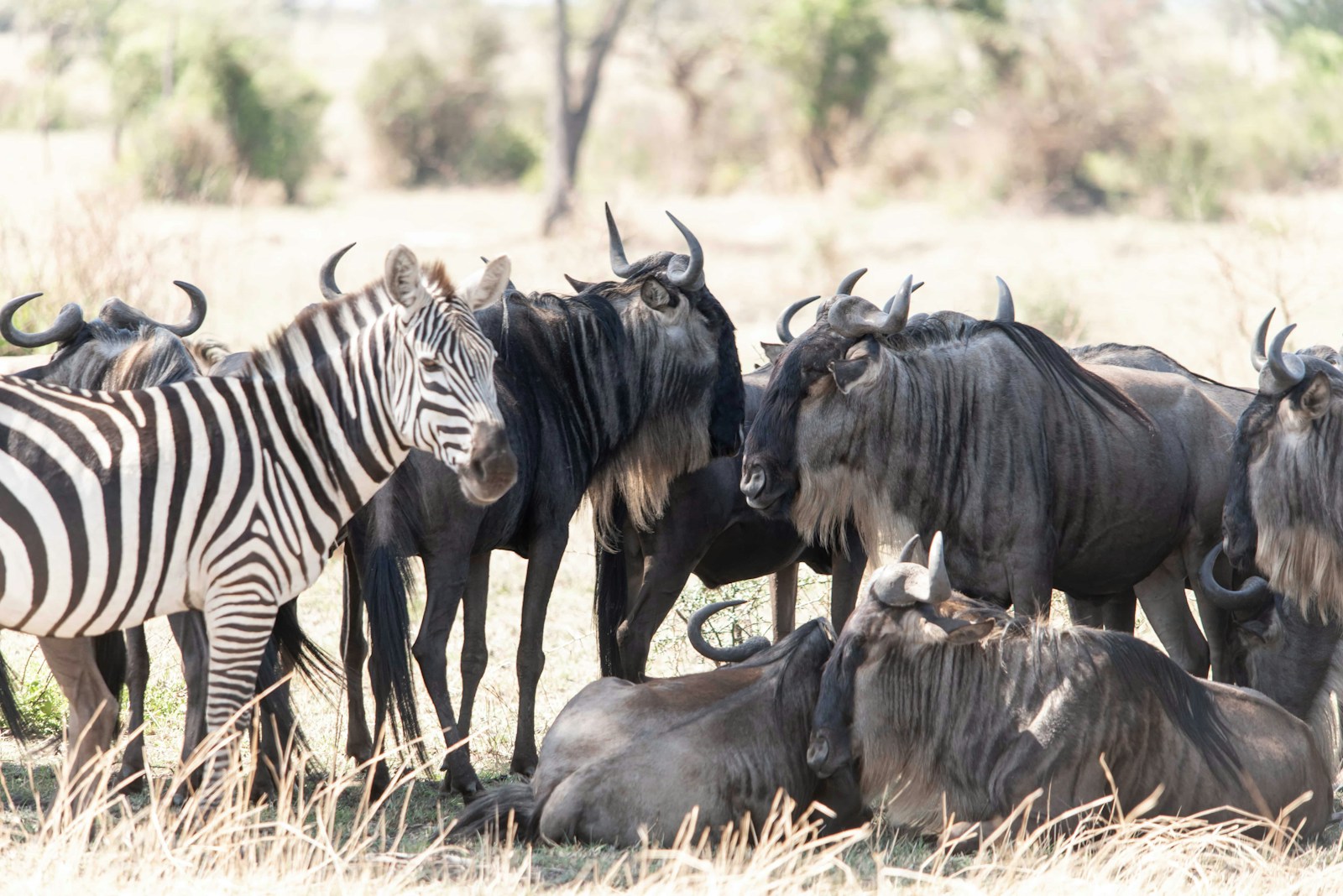
You might encounter predators returning from a night of hunting, elephants moving across the plains, or large groups of zebras and wildebeest beginning their daily movement.
After leaving the Serengeti, continue toward the Ngorongoro area.
Depending on your accommodation category, you may stay close to the crater, on the crater rim, or around the nearby highlands.
After an early breakfast, descend into the spectacular Ngorongoro Crater.
The crater is one of Tanzania's most concentrated wildlife-viewing destinations. Its grasslands, wetlands, forests, and water sources support a remarkable variety of animals.
During your crater game drive, you may see wildebeest, zebra, buffalo, hippo, elephant, hyena, lion, gazelle, and many other species. The crater is also one of the places where travelers may have an opportunity to see the endangered black rhino, although sightings can never be guaranteed.
After completing your game drive, ascend from the crater and travel back toward Arusha.
This completes an excellent five-day Tanzania Northern Circuit safari.
For most travelers, two to three nights in Serengeti provides a much better experience than trying to visit the park quickly.
A shorter safari may include one night, but a longer itinerary gives you more time to explore different areas and increases your opportunities for varied wildlife encounters.
A four-day itinerary is suitable for travelers with limited time. It can combine:
Tarangire → Serengeti → Ngorongoro Crater → Arusha
This option provides a strong introduction to Tanzania's wildlife but moves relatively quickly.
Five days offers better balance:
Tarangire → Serengeti → Serengeti → Ngorongoro → Crater
The additional Serengeti time allows for a full-day game drive.
Six days gives travelers greater flexibility and can include:
Tarangire → Serengeti → Serengeti → Serengeti → Ngorongoro → Crater
This is particularly attractive for wildlife enthusiasts and photographers.
A seven-day itinerary can combine several Northern Circuit destinations while maintaining a comfortable pace.
It is an excellent choice for travelers who want a more complete Tanzania safari without rushing between parks.
Serengeti is enormous, and choosing where to stay should depend partly on the season.
Central Serengeti is an excellent year-round safari area.
The Seronera region contains permanent water sources that support resident wildlife throughout the year. It is especially well known for predators, including lions and leopards.
Central Serengeti is therefore a strong choice for first-time visitors.
Northern Serengeti becomes especially popular during the migration season when wildebeest herds move toward the Mara River region.
Travelers interested in seasonal river-crossing opportunities generally need an itinerary specifically designed around Northern Serengeti.
Because of the additional distance involved, spending several nights in this area is preferable.
The southern Serengeti ecosystem and Ndutu region become particularly important during the green season and wildebeest calving period.
Large herds gather across the nutrient-rich plains, attracting predators.
For travelers visiting during the appropriate months, a customized Ndutu itinerary can provide a very different experience from a standard Central Serengeti safari.
Serengeti can be visited throughout the year, but wildlife distribution changes according to rainfall and seasonal movements.
Southern Serengeti and Ndutu can be particularly rewarding during the calving season.
Large concentrations of wildebeest and zebra gather across the plains, and predator activity can be excellent.
These months generally receive more rainfall. Landscapes become green and dramatic, and visitor numbers may be lower than during peak season.
The dry season develops and migration herds generally continue moving through the ecosystem.
Wildlife viewing remains excellent.
These are popular safari months, particularly for travelers interested in Northern Serengeti and the wider migration movement.
The dry conditions can also make animals easier to locate around reliable water sources.
Short rains begin transforming parts of the landscape. Migration herds gradually move toward the southern ecosystem as the annual cycle continues.
Because migration timing depends on rainfall and natural conditions, exact herd locations cannot be guaranteed for specific dates.
Your choice between a private and shared safari can significantly influence the experience.
A private safari gives your traveling party exclusive use of the safari vehicle and guide.
This provides greater flexibility for wildlife viewing, photography, departure times, accommodation selection, and itinerary design.
A private safari is especially suitable for:
Planning a budget Ngorongoro Crater safari holiday from Arusha? Compare a crater day trip, a two-day Tarangire and Ngorongoro safari, or a…
Read articleA Tanzania safari from Zanzibar can mean a short mainland trip during your beach holiday or a complete package with flights, game…
Read articleLooking for a group Tanzania safari price from Kilipath African Safaris? A published example for our four-day shared camping safari through Tarangire,…
Read articlePair game drives on Tanzania’s mainland with a few days on Zanzibar’s coast. With Kilipath African Safaris, you can start in Arusha…
Read article

