

Budget Ngorongoro Crater Safari Holiday
Planning a budget Ngorongoro Crater safari holiday from Arusha? Compare a crater day trip, a two-day Tarangire and Ngorongoro safari, or a…
Read articleArusha City - Tanzania
Safari & Travel Tips
August 20, 2026 · 14 min read
A Tanzania wildlife safari deal is one of the best ways to experience Africa’s legendary landscapes, abundant wildlife, and world-famous national parks while keeping your trip well organized and cost-effective. From the endless plains of the Serengeti to the dramatic Ngorongoro Crater and elephant-filled landscapes of Tarangire National Park, Tanzania offers unforgettable safari experiences for couples, families, solo travelers, photographers, honeymooners, and groups.
Choosing the right safari deal is not simply about finding the lowest price. A good package should combine comfortable accommodation, reliable transportation, professional guiding, sufficient game-drive time, suitable destinations, and transparent inclusions.
This complete guide explains how Tanzania wildlife safari deals work, the destinations you can include, approximate safari costs, accommodation options, the best travel seasons, suggested itineraries, and important considerations before booking.
Tanzania is one of Africa’s leading wildlife destinations because it protects enormous wilderness areas containing extraordinary concentrations of animals.
A well-designed safari deal allows travelers to experience several national parks within one journey while transportation, accommodation, park fees, meals, and guiding are arranged in advance.
Depending on your itinerary, you may encounter:
For many travelers, the greatest advantage of booking a complete Tanzania wildlife safari package is convenience. Instead of arranging park permits, accommodation, guides, vehicles, meals, and transfers independently, most important safari services can be combined into one package.
The Serengeti is the centerpiece of many Tanzania safari itineraries.
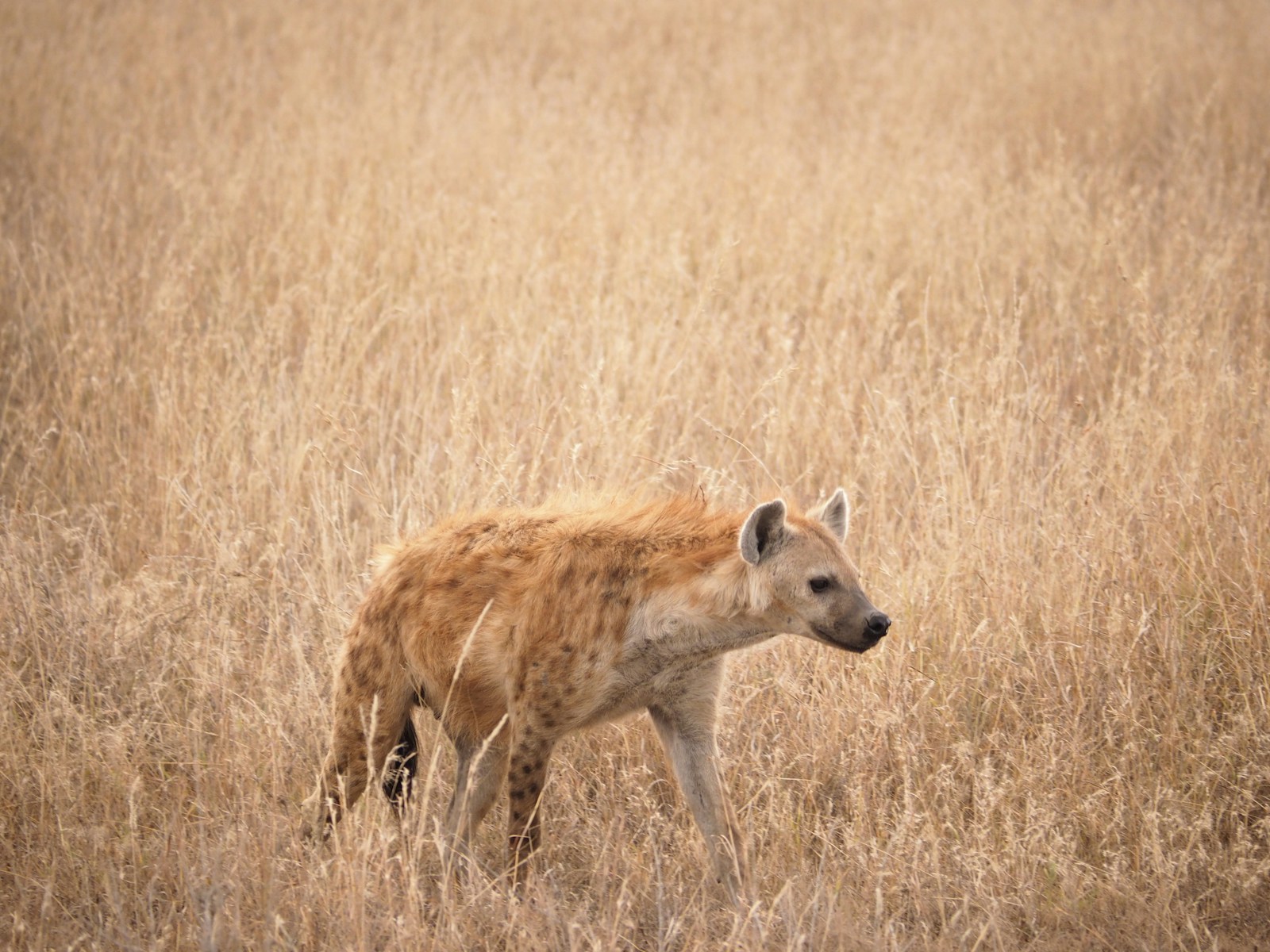
Its enormous grasslands support lions, cheetahs, leopards, elephants, buffalo, giraffes, zebras, wildebeest, hyenas, and numerous antelope species.
The park is especially famous for the Great Wildebeest Migration, during which huge herds travel through the Serengeti ecosystem in search of fresh grazing and water.
Different sections of the Serengeti become particularly interesting at different times of year.
Central Serengeti offers excellent wildlife viewing throughout much of the year, while northern and southern regions become especially important during particular stages of the migration.
Ngorongoro Crater is one of Tanzania's most extraordinary wildlife areas.
The crater floor contains grasslands, woodland, wetlands, and permanent water sources that support a remarkable variety of wildlife.
During a typical crater game drive, travelers may encounter lions, elephants, buffalo, zebras, wildebeest, hippos, hyenas, and numerous gazelles.
Ngorongoro is also among the best places in Tanzania to potentially see the endangered black rhinoceros.
Because wildlife is concentrated within a relatively small area, Ngorongoro can offer exceptional viewing opportunities during a single safari day.
Tarangire is famous for its elephants, enormous baobab trees, and beautiful savannah scenery.
During the dry season, wildlife often gathers around the Tarangire River, creating excellent opportunities for game viewing.
Animals commonly seen include elephants, lions, giraffes, zebras, wildebeest, buffalo, impalas, and numerous bird species.
Tarangire is frequently included at the beginning or end of a Northern Tanzania safari itinerary.
Lake Manyara offers a different landscape from the open plains of Serengeti and Tarangire.
The park combines groundwater forests, wetlands, open areas, and views toward the Great Rift Valley escarpment.
Visitors may see elephants, giraffes, buffalo, monkeys, baboons, hippos, zebras, antelopes, and many bird species.
Lake Manyara is particularly convenient for shorter Tanzania safari packages because it is relatively close to Arusha and the Ngorongoro Conservation Area.
Travelers interested in Southern Tanzania can consider Nyerere National Park.
Its combination of rivers, woodland, lakes, and open wilderness creates a very different safari atmosphere from Northern Tanzania.
Depending on the program and season, wildlife experiences can include traditional game drives and boat-based safari activities.
Nyerere is especially attractive for travelers looking for a quieter wilderness experience.
Ruaha is one of Tanzania's major Southern Circuit safari destinations.
Its remote location, large wilderness area, and comparatively low visitor density make it particularly attractive for experienced safari travelers.
Ruaha is known for elephants, lions, leopards, wild dogs, buffalo, antelopes, giraffes, and spectacular landscapes.
A two-day safari works well for travelers with limited time.
A common itinerary might include Tarangire National Park and Ngorongoro Crater.
Although short, the safari can still provide excellent wildlife viewing.
However, Serengeti is generally better suited to longer itineraries because of the driving distance involved.
Three days provides more flexibility.
A popular itinerary can include:
Day 1: Tarangire National Park
Day 2: Ngorongoro area or Serengeti
Day 3: Ngorongoro Crater and return to Arusha
Travelers prioritizing Serengeti can alternatively arrange a Serengeti and Ngorongoro itinerary.
Four days is one of the most popular choices for first-time safari travelers.
A typical route includes:
Day 1: Arusha – Tarangire National Park
Day 2: Serengeti National Park
Day 3: Serengeti – Ngorongoro area
Day 4: Ngorongoro Crater – Arusha
This itinerary provides a strong balance between travel time, wildlife viewing, and overall cost.
A five-day safari allows travelers to spend additional time in the Serengeti or include Lake Manyara.
An example itinerary could be:
Day 1: Tarangire National Park
Day 2: Serengeti National Park
Day 3: Full-day Serengeti game drive
Day 4: Serengeti – Ngorongoro area
Day 5: Ngorongoro Crater – Arusha
Having a full day inside Serengeti gives travelers more time to search for predators and explore different wildlife areas.
Six days offers a more relaxed experience.
Travelers can combine Tarangire, Serengeti, Ngorongoro, and possibly Lake Manyara while enjoying longer game drives and fewer rushed transitions.
It can also provide enough time to include special activities or more comfortable lodge stays.
A week or longer is ideal for travelers seeking a comprehensive Tanzania wildlife experience.
Longer itineraries can include several Serengeti regions, migration areas, cultural experiences, premium lodges, photography-focused game drives, or extensions to Southern Tanzania.
They are particularly suitable for photographers and travelers who prefer slower-paced journeys.
A private safari provides a vehicle and professional guide exclusively for your booking.
Private safaris are especially suitable for:
One of the biggest advantages is flexibility.
Your daily schedule can usually be adapted according to wildlife sightings, preferred departure times, photography interests, and the needs of your group.
If you find lions hunting or elephants interacting near a waterhole, for example, a private safari often gives you more freedom to spend additional time observing the sighting.
Budget safari packages frequently use campsites or simple lodges.
Camping is often the most economical option.
Safari camping experiences may include tents, mattresses, sleeping bags, meals prepared by a safari chef, and shared campsite facilities.
Budget safaris can provide the same wildlife destinations as expensive packages because visitors still enter the same national parks.
The major differences usually concern accommodation comfort, dining style, and service level rather than access to wildlife.
Mid-range safari packages are extremely popular because they offer a good balance between comfort and price.
Accommodation can include:
Rooms or tents normally have proper beds and private bathrooms.
Mid-range safari deals are excellent for travelers who want authentic wilderness experiences without paying premium luxury prices.
Luxury safari packages focus on premium accommodation, personalized services, excellent locations, and enhanced comfort.
Luxury properties may offer:
Luxury safaris are particularly popular for honeymoons, anniversaries, milestone trips, and travelers prioritizing comfort.
Package inclusions depend on the operator and safari style, but a well-structured Tanzania wildlife safari deal may include:
Always check the official quotation carefully before booking because inclusions vary between packages.
Common exclusions can include:
Understanding exclusions before payment prevents unexpected expenses later.
Safari prices vary significantly.
Several factors influence the final price.
Longer trips cost more because they require additional accommodation, meals, park fees, guide services, and vehicle days.
Shared safaris normally cost less per traveler.
Private safaris are more expensive but offer greater flexibility and privacy.
Camping is generally the cheapest option.
Mid-range lodges and tented camps increase costs, while luxury accommodation can significantly raise the package price.
Private safari prices can become more economical per person when several guests share one safari vehicle.
A private safari for four travelers, for example, may provide better per-person value than the same itinerary for one traveler.
Safari prices often rise during periods of strong demand.
July through October and the Christmas/New Year season can be especially busy.
Seasonal rates can affect accommodation and sometimes domestic flight prices.
Safari routes covering distant locations or multiple premium parks can cost more because of fuel, accommodation, and park charges.
Rather than choosing solely according to the advertised price, travelers should compare the total value.
Check whether the package includes:
A cheaper-looking safari may become expensive if important services must be paid separately.
Tanzania offers wildlife viewing throughout the year.
However, conditions vary according to season.
The dry season is one of the most popular safari periods.
Wildlife often gathers around permanent water sources, vegetation becomes thinner, and animals can be easier to locate.
These months are excellent for Tarangire, Serengeti, Ngorongoro, and many other safari areas.
Northern Serengeti becomes particularly attractive during the migration season when herds move through northern regions.
River-crossing opportunities may occur during this period, although wildlife movements are natural and cannot be guaranteed on specific dates.
Southern Serengeti and the Ndutu region become extremely important during the migration's calving season.
Large wildebeest herds gather across the plains, and thousands of calves are born.
Predator activity can also be excellent.
These months generally coincide with Tanzania's heavier rainy season.
Visitor numbers are often lower, landscapes become exceptionally green, and some lodges may offer reduced seasonal rates.
Rain can occasionally affect road conditions, so travelers should consider both advantages and potential inconveniences.
November often brings short rains.
The landscape begins becoming greener while wildlife viewing remains rewarding.
It can be an excellent transitional month for travelers who prefer fewer visitors.
Many travelers select a Tanzania wildlife safari deal specifically to see the Great Migration.
The migration is a continuous natural movement involving wildebeest, zebras, and other grazing animals.
The herds move according to rainfall, grazing conditions, and water availability.
A simplified seasonal pattern is:
December–March: Southern Serengeti and Ndutu
April–May: Herds generally move northward
June: Western and central migration areas
July–October: Northern Serengeti and Mara River region
November: Herds gradually move south again
These timings are approximate.
Because the migration follows natural environmental conditions, exact wildlife locations cannot be guaranteed far in advance.
Yes.
Tanzania is one of Africa's best destinations for travelers hoping to encounter the Big Five:
Serengeti and Ngorongoro provide excellent opportunities.
Black rhinos remain rare, however, and wildlife sightings can never be guaranteed.
The excitement of safari comes from exploring natural habitats where animals move freely.
Safari transportation significantly influences the quality of your experience.
Most professional Tanzania safari operators use modified 4x4 Land Cruisers.
Useful safari vehicle features may include:
The raised roof allows passengers to stand safely while viewing and photographing wildlife.
Your safari guide plays a major role in determining the quality of your trip.
Experienced guides understand:
A skilled guide can notice signs that inexperienced visitors easily miss.
Tracks, alarm calls, circling vultures, and animal movements may help guides locate wildlife.
When comparing Tanzania wildlife safari deals, do not evaluate accommodation and price alone. Guide quality is equally important.
Tanzania is an exceptional wildlife photography destination.
Professional cameras are useful but not necessary.
Even smartphones can capture memorable images when wildlife approaches safari roads.
Useful photography items include:
Early morning and late afternoon frequently provide attractive natural light.
Private safari vehicles are particularly useful for serious photographers because they provide more freedom to control positioning and time spent at individual sightings.
Family safaris can be extremely rewarding.
Children can experience wildlife, geography, conservation, and African cultures directly rather than only through books or documentaries.
When planning a family safari, consider:
Private safaris are often preferable for families because schedules can be adapted more easily.
Tanzania is also an excellent destination for couples.
Romantic safari experiences can include:
Combining safari and Zanzibar is one of Tanzania's most popular honeymoon itineraries.
Many international travelers combine wildlife safari experiences with several days in Zanzibar.
A typical journey might involve:
Days 1–5: Northern Tanzania safari
Days 6–10: Zanzibar beach holiday
Domestic flights connect mainland Tanzania with Zanzibar, making this combination convenient.
After dusty safari roads and early morning game drives, Zanzibar offers beaches, swimming, Stone Town, snorkeling, diving, and relaxation.
Depending on your route, travelers may add optional experiences such as:
A hot-air balloon flight provides an extraordinary aerial perspective of the Serengeti.
Flights generally operate early in the morning when weather conditions are favorable.
Travelers interested in local culture may visit a Maasai community to learn more about traditions and daily life.
Olduvai Gorge is internationally important for research into early human history.
It can be included on selected Serengeti and Ngorongoro routes.
Certain destinations and properties offer guided walking experiences accompanied by qualified professionals.
Some designated wildlife areas offer night drives, giving travelers opportunities to observe nocturnal species.
Packing efficiently makes safari travel more comfortable.
Recommended items include:
Ngorongoro mornings can be surprisingly cold, so carrying a warm layer is important.
Before booking, ask the safari company several important questions.
This determines flexibility, privacy, vehicle occupancy, and price.
Make sure the itinerary includes the destinations you actually want to visit.
Some inexpensive itineraries attempt to cover too many destinations in too little time.
More parks do not automatically mean a better safari.
Request exact accommodation names or at least accommodation categories before confirming.
Park fees represent a significant portion of Tanzania safari costs.
Confirm that they are included in the quoted price.
A proper 4x4 safari vehicle with a pop-up roof significantly improves game viewing.
This varies among packages, so verify transfer arrangements before arrival.
Extremely cheap safari advertisements should be examined carefully.
A low price may mean:
Value is more important than price alone.
A carefully designed safari may cost slightly more but provide significantly more meaningful wildlife-viewing time.
When choosing an operator, evaluate:
A reputable safari company should be willing to explain the itinerary clearly and answer questions before you make payment.
Once you find the right safari package, the typical booking process involves confirming:
After confirmation, the safari company can secure accommodation and other required services.
Booking earlier is especially advisable during high-demand travel periods.
Finding the right Tanzania wildlife safari deal means balancing price, wildlife opportunities, accommodation comfort, travel time, and quality of guiding.
For first-time travelers, an itinerary combining Tarangire National Park, Serengeti National Park, and Ngorongoro Crater provides one of the strongest introductions to Tanzania's wildlife.
Travelers with additional time can extend their trip to Lake Manyara, Northern Serengeti, Ndutu, Ruaha, Nyerere, or Zanzibar.
Whether you choose a budget camping safari, comfortable mid-range package, or luxury private journey, Tanzania offers something difficult to replicate anywhere else: vast natural landscapes where lions hunt, elephants roam beneath ancient baobabs, wildebeest cross endless plains, and every game drive brings the possibility of an unexpected wildlife encounter.
A thoughtfully planned Tanzania wildlife safari deal does more than organize a holiday. It gives you the opportunity to experience some of Africa's greatest wilderness areas at the right pace, with the right route, and with enough time to appreciate what makes Tanzania one of the world's most remarkable safari destinations.
Planning a budget Ngorongoro Crater safari holiday from Arusha? Compare a crater day trip, a two-day Tarangire and Ngorongoro safari, or a…
Read articleA Lake Manyara safari can cost USD 150–220 per person for a shared day trip from Arusha. A published example of a…
Read articleExplore Ruaha National Park’s baobab country on a guided safari built around your dates, group size and budget. Spend your game drives…
Read articleA Nyerere Tanzania wildlife safari can take you from a woodland game drive in the morning to a boat on the Rufiji…
Read article

