Skip to content

Group Tanzania wildlife safari tours let you explore Tarangire, the Serengeti and Ngorongoro Crater while sharing a safari vehicle and guide with other travelers. This format suits solo travelers, couples and friends who want to share vehicle costs and are comfortable following a set itinerary.
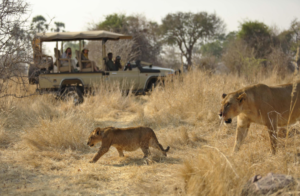
Kilipath African Safaris runs small-group departures from Arusha with up to seven guests per safari vehicle, a window seat for each guest and an English-speaking guide. The 4×4 has a pop-up roof for game viewing and photography.
What happens on a shared safari?
Your guide drives the group between parks and leads game drives along the scheduled route. You may leave early for wildlife viewing or to cover the distance between parks. A shared trip has set pickup times and overnight stops, so check the itinerary before booking if you have a flight to catch or a particular area you want to visit.
A typical safari day includes a game drive, a picnic lunch and a drive to your lodge or campsite. Your guide adjusts wildlife stops as sightings and road conditions allow. Bring binoculars if you have them, and keep a warm layer accessible for early starts and the Ngorongoro highlands.
Which parks can you visit on a group safari?
| Destination | What to look for | Where it fits |
|---|---|---|
| Tarangire National Park | Elephants, baobabs and wildlife along the Tarangire River | A first-day stop from Arusha or part of a short safari |
| Central Serengeti | Lions, giraffes and other wildlife around the Seronera Valley. Leopards may be seen with luck | The Serengeti stop on Kilipath’s shared itineraries |
| Ngorongoro Crater | Zebras, buffalo, hippos and lions, with a chance of seeing a black rhino | Often the final game drive before returning to Arusha |
Wildlife moves freely, and sightings vary by day. If you want to focus on the Great Migration in Northern Serengeti or Ndutu, ask about a private itinerary that can reach those areas. Kilipath’s shared Serengeti route stays in Central Serengeti.
Sample 4-day group safari itinerary from Arusha
Day 1 — Arusha to Tarangire. Head to Tarangire for a game drive among baobab trees and look for elephants near the river or water sources. Continue to the lodge or campsite named in your itinerary.
Day 2 — Central Serengeti. Travel through the Ngorongoro Conservation Area toward the Serengeti. Spend the afternoon on a game drive, then stay overnight in or near the park as specified in your package.
Day 3 — Serengeti morning game drive. Return to the Central Serengeti plains and river valleys to look for wildlife before driving toward the Ngorongoro area for the night.
Day 4 — Ngorongoro Crater and return to Arusha. Descend to the crater floor for a morning game drive. After lunch, head back to Arusha. This route typically returns in the late afternoon or early evening, so confirm the timing with your operator before booking onward transport.
On shared itineraries starting directly with the Serengeti, plan to be in Arusha the previous night for the early pickup.
How many days should you book?
A short trip can pair Tarangire with Ngorongoro Crater. Ask whether a shared departure is available for your dates. Four days is a practical starting point if you want to combine those parks with Central Serengeti. If you have five days, check where the extra night is spent. An extra night in the Serengeti gives you more time in the park, while an extra stop adds variety to the route.
Camping or lodge accommodation?
Public camping usually offers a lower-cost option. Kilipath provides tents, mattresses, sleeping bags and pillows on its camping safaris. Campsites have shared facilities, and hot showers may be unavailable. Pack a towel and headlamp.
A lodge or permanent tented camp can offer a private room or tent and an en-suite bathroom. Check the room setup on your quote, especially if you’re traveling solo or want twin beds. Ask whether there’s a single supplement if you want your own room.
What affects the group safari price?
The price per person depends on trip length, accommodation, travel dates and what the package includes. Compare quotes for the same route and number of nights. Check whether park fees, crater service fees, meals and drinking water are included. Confirm pickup and drop-off points, and ask about separate charges for airport transfers, flights, tips and optional activities.
When should you go?
June to October is a popular dry-season window. Wildlife can be easier to spot around water sources as conditions dry out. Greener months can bring softer light and lush scenery, with rain sometimes affecting road conditions and drive times. Choose dates based on the parks you want to visit, where you’ll be staying and the mix of wildlife and scenery you’re hoping to see.
Find a group safari from Arusha
Send Kilipath African Safaris your travel dates, group size, preferred accommodation and arrival airport. We’ll confirm suitable shared departures, pickup arrangements and what’s included in your quote.