Family Tanzania Safari Experience: Complete Guide for Travelers
A family Tanzania safari experience is one of the most exciting ways to discover Africa's incredible wildlife, breathtaking landscapes, and rich cultural…
Read articleArusha City - Tanzania

August 21, 2026 · 9 min read
A premium Lake Manyara safari deal is an excellent choice for travelers looking for a comfortable, well-organized Tanzania safari that combines wildlife viewing, beautiful scenery, quality accommodation, and personalized service. Lake Manyara National Park is one of the most attractive destinations on Tanzania’s Northern Safari Circuit and can easily be combined with Tarangire National Park, Ngorongoro Crater, and the Serengeti.
Whether you are planning a romantic getaway, a family safari, a private holiday, or part of a longer Tanzania adventure, a premium Lake Manyara safari gives you the opportunity to explore the park at a relaxed pace while enjoying carefully selected lodges, professional safari guides, and private transportation.
Lake Manyara National Park lies beneath the dramatic Great Rift Valley escarpment in northern Tanzania. Although the park is smaller than destinations such as Serengeti National Park, it contains an impressive variety of habitats.
Visitors travel through groundwater forests, open grasslands, acacia woodland, wetlands, and areas overlooking Lake Manyara itself.
These different environments support a wide range of wildlife, making the park an interesting addition to a Northern Tanzania safari itinerary.
A Lake Manyara safari provides opportunities to see elephants, giraffes, zebras, wildebeest, buffaloes, hippos, baboons, monkeys, antelopes, and numerous bird species.
The park has historically been associated with tree-climbing lions, although wildlife sightings can never be guaranteed.
Large troops of baboons are particularly common in the forested areas, while elephants are frequently encountered moving through woodland and vegetation.
Near the lake and wetlands, travelers may also encounter hippos and water-associated birdlife.
Lake Manyara is particularly attractive to travelers interested in birds.
Depending on the season and water conditions, visitors may encounter flamingos along with pelicans, storks, herons, hornbills, eagles, kingfishers, and many other species.
The diversity of forest, wetland, woodland, and lakeshore habitats makes the destination rewarding for both experienced birdwatchers and ordinary safari travelers.
Combining Lake Manyara with Tarangire National Park creates an excellent short safari.
Tarangire is particularly famous for its large elephant population, enormous baobab trees, and seasonal concentrations of wildlife around the Tarangire River.
A typical itinerary may include Tarangire on the first day and Lake Manyara on the following day.
Travelers with additional time can continue toward Ngorongoro or Serengeti.
Lake Manyara and Ngorongoro Crater work particularly well together because they are relatively close geographically.
After exploring Lake Manyara, travelers can stay around Karatu or near the Ngorongoro Conservation Area before visiting the crater the following morning.
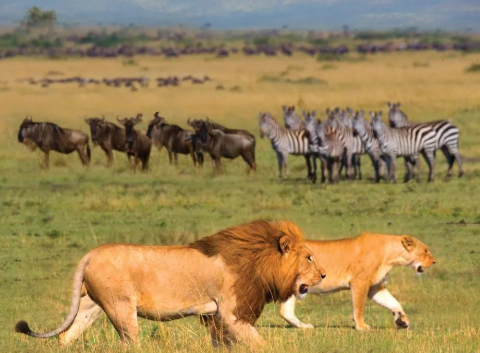
Ngorongoro Crater offers outstanding wildlife viewing and is home to large populations of zebra, wildebeest, buffalo, gazelle, and other animals.
Combining the two destinations provides contrasting landscapes within a short itinerary.
For travelers planning a longer Tanzania holiday, Lake Manyara can form part of a complete Northern Circuit safari.
A sample route may include:
Tarangire can also be added when additional safari days are available.
This combination gives travelers a broader experience of Tanzania's wildlife and landscapes.
Most premium Lake Manyara safari packages are best experienced privately.
A private safari means you have your own safari vehicle and professional guide rather than sharing the vehicle with unrelated travelers.
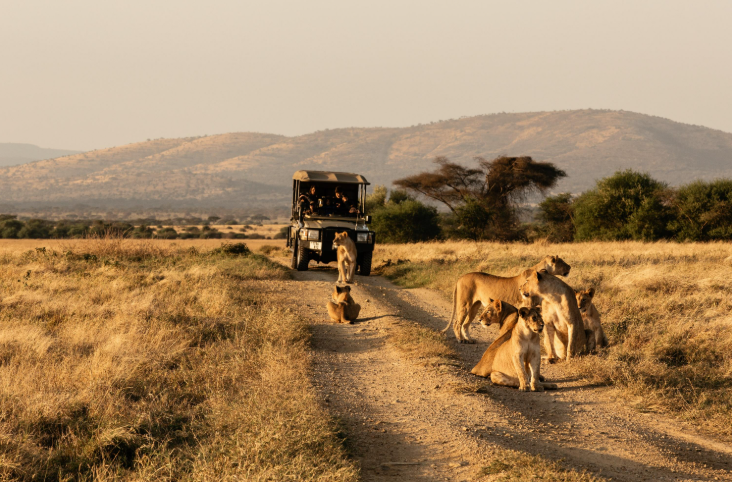
The vehicle is normally a 4x4 safari Land Cruiser equipped with a pop-up roof that provides excellent visibility during wildlife viewing.
Private transportation allows greater flexibility with departure times, photography stops, picnic breaks, and wildlife sightings.
An experienced guide plays an important role in the quality of your safari.
Your guide helps identify animals and birds, explains wildlife behavior, shares information about ecosystems, and chooses appropriate game-drive routes.
Because wildlife constantly moves, local experience can make a major difference when searching for animals.
Premium private safaris also allow guests to communicate their priorities directly to the guide.
Lake Manyara offers excellent photographic opportunities.
The Rift Valley escarpment provides a dramatic backdrop, while forests, wildlife, lakeshore environments, and changing landscapes create varied compositions.
Photographers may particularly enjoy elephants walking through vegetation, giraffes in open landscapes, monkeys in forest areas, and panoramic views of the lake.
A private vehicle is recommended for serious photographers because it offers more freedom to wait for better positioning and lighting.
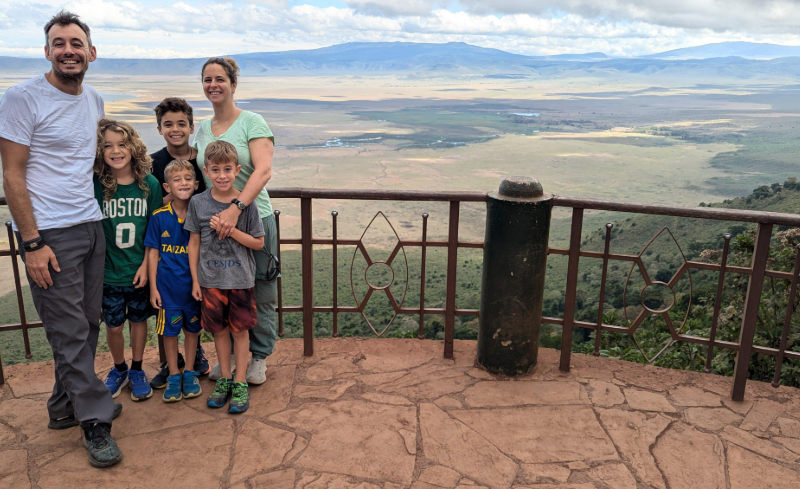
Lake Manyara can work particularly well for families because the park can be explored without extremely long game-drive distances.
Children often enjoy seeing elephants, giraffes, monkeys, baboons, zebras, and hippos.
A private family safari also makes it easier to adjust stops and driving times according to the children's comfort.
Families can combine the safari with comfortable lodges offering swimming pools or spacious family rooms.
Couples can include Lake Manyara in a romantic Tanzania safari itinerary.
A premium honeymoon package can combine wildlife experiences with boutique lodges, private dinners, scenic accommodation, and other special arrangements.
Lake Manyara can also be incorporated into a honeymoon itinerary continuing to Serengeti, Ngorongoro, and Zanzibar.
Combining safari and beach experiences creates one of Tanzania's most popular honeymoon journeys.
Travelers staying in Zanzibar can also include Lake Manyara in their Tanzania itinerary.
The most practical arrangement usually involves flying from Zanzibar to Arusha and continuing by road toward the national parks.
For longer safaris, Lake Manyara can be combined with Tarangire, Ngorongoro, and Serengeti before flying or traveling back toward Zanzibar.
Flight schedules and exact routing should be carefully coordinated to maximize game-drive time.
Lake Manyara can be visited throughout the year, although conditions vary by season.
Dry periods can make wildlife easier to locate around reliable water sources, while greener months provide beautiful vegetation and excellent scenery.
Birdlife can also vary according to water levels and seasonal conditions.
The best month for your safari ultimately depends on your wider itinerary, wildlife interests, accommodation preferences, and the other parks you intend to visit.
A good safari deal should provide value rather than simply the lowest advertised price.
When comparing offers, check the quality and location of accommodation, whether the safari is private or shared, vehicle standards, park fees, meal arrangements, airport transfers, and any hidden costs.
Booking earlier can also provide a better choice of accommodation, particularly during Tanzania's busy safari seasons.
For Lake Manyara, comfortable neutral-colored clothing is recommended.
Useful items include lightweight shirts, trousers or shorts, comfortable walking shoes, sunglasses, sunscreen, a hat, camera equipment, binoculars, insect repellent, and a light jacket.
Morning and evening temperatures can be cooler than expected, especially when your safari continues toward the Ngorongoro highlands.
Soft-sided luggage is generally more convenient than rigid suitcases when traveling by safari vehicle or small domestic aircraft.
Lake Manyara is visited with trained safari professionals and established national park regulations.
Visitors should remain inside the safari vehicle unless the guide confirms that leaving is permitted in an authorized area.
Never approach or feed wild animals.
Following your guide's instructions helps ensure a safe and enjoyable safari.
Responsible tourism helps protect Tanzania's wildlife and natural environments.
Travelers should avoid littering, maintain appropriate distances from wildlife, respect park regulations, and avoid disturbing animals for photographs.
Choosing responsible safari operators and accommodation providers can also support local communities and conservation initiatives.
A family Tanzania safari experience is one of the most exciting ways to discover Africa's incredible wildlife, breathtaking landscapes, and rich cultural…
Read articlePlanning a Tanzania safari itinerary from Arusha is the perfect way to experience Africa’s incredible wildlife, breathtaking landscapes, and unforgettable adventures. Arusha…
Read articleA Serengeti Tanzania safari itinerary offers one of Africa's most memorable wildlife experiences. Vast grasslands, granite kopjes, river valleys and acacia woodland…
Read articleA budget Tanzania safari itinerary holiday gives travelers the opportunity to experience some of Africa’s most famous wildlife destinations without choosing expensive…
Read article