

Nyerere Tanzania Wildlife Safari Guide
A Nyerere Tanzania wildlife safari can take you from a woodland game drive in the morning to a boat on the Rufiji…
Read articleArusha City - Tanzania
Safari & Travel Tips
August 22, 2026 · 11 min read
Planning a Tanzania safari specifically for photography is different from organizing a standard wildlife holiday. Photographers need more than simply visiting famous national parks—they need excellent wildlife locations, the right season, enough time at sightings, favorable light, a suitable safari vehicle, and a knowledgeable guide who understands when patience can turn an ordinary sighting into an extraordinary photograph.
This Photography Tanzania Safari Planning guide explains how to organize a rewarding photographic safari through Tanzania, including the best destinations, seasons, wildlife opportunities, equipment considerations, itinerary ideas, and practical tips.
Tanzania is one of Africa's outstanding destinations for wildlife and landscape photography. Its protected areas offer remarkably varied photographic environments, ranging from the endless grasslands of the Serengeti to the dramatic walls of the Ngorongoro Crater.
A photography-focused safari can offer opportunities to capture:
The diversity means photographers can build an itinerary around a particular subject or combine wildlife, birds, landscapes and cultural photography within one journey.
For many wildlife photographers, the Serengeti is the centerpiece of a Tanzania photography safari.
Its enormous plains provide excellent visibility and beautiful backgrounds for wildlife images. Lions, cheetahs, elephants, giraffes, hyenas, buffalo, wildebeest and zebra are regularly photographed throughout the ecosystem.
The open environment is particularly useful for photographers because animals can often be observed from a considerable distance before the vehicle approaches an appropriate viewing position.
The Serengeti is also famous for the Great Wildebeest Migration. However, the herds move throughout the year, so choosing the correct region is important.
Broadly:
December–March: Southern Serengeti and Ndutu areas are important for the calving season.
April–June: Herds generally move through the central and western parts of the ecosystem.
July–October: Northern Serengeti becomes particularly attractive for migration photography, including potential river-crossing opportunities.
Migration movements depend on rainfall and natural conditions, so exact locations can never be guaranteed.
The Ngorongoro Crater provides a completely different photographic environment.
Descending from the crater rim into the caldera reveals grasslands, wetlands, forests and dramatic volcanic scenery. Wildlife concentrations can be impressive, creating opportunities to photograph several species during a single game drive.
Possible subjects include:
The crater walls also create spectacular backgrounds for wider environmental photographs.
Starting early can be particularly valuable for photographers because the morning light is softer and wildlife may be more active.
Tarangire deserves a prominent place in Photography Tanzania Safari Planning, particularly for photographers interested in elephants and landscapes.
The park is famous for its ancient baobab trees and large elephant population. During the dry season, wildlife concentrates around reliable water sources, creating excellent opportunities for behavioral photography.
Imagine a family of elephants walking beneath an enormous baobab tree as the late-afternoon sunlight illuminates the dust around them. These combinations of wildlife, landscape and atmosphere make Tarangire extremely photogenic.
Other potential subjects include giraffes, zebras, wildebeest, lions, antelopes and many bird species.
Lake Manyara offers forests, groundwater ecosystems, escarpment scenery and birdlife.
It can complement the open plains of the Serengeti particularly well because photographers experience a noticeably different environment.
Depending on current conditions, photographers may encounter elephants, giraffes, monkeys, baboons, hippos and numerous birds.
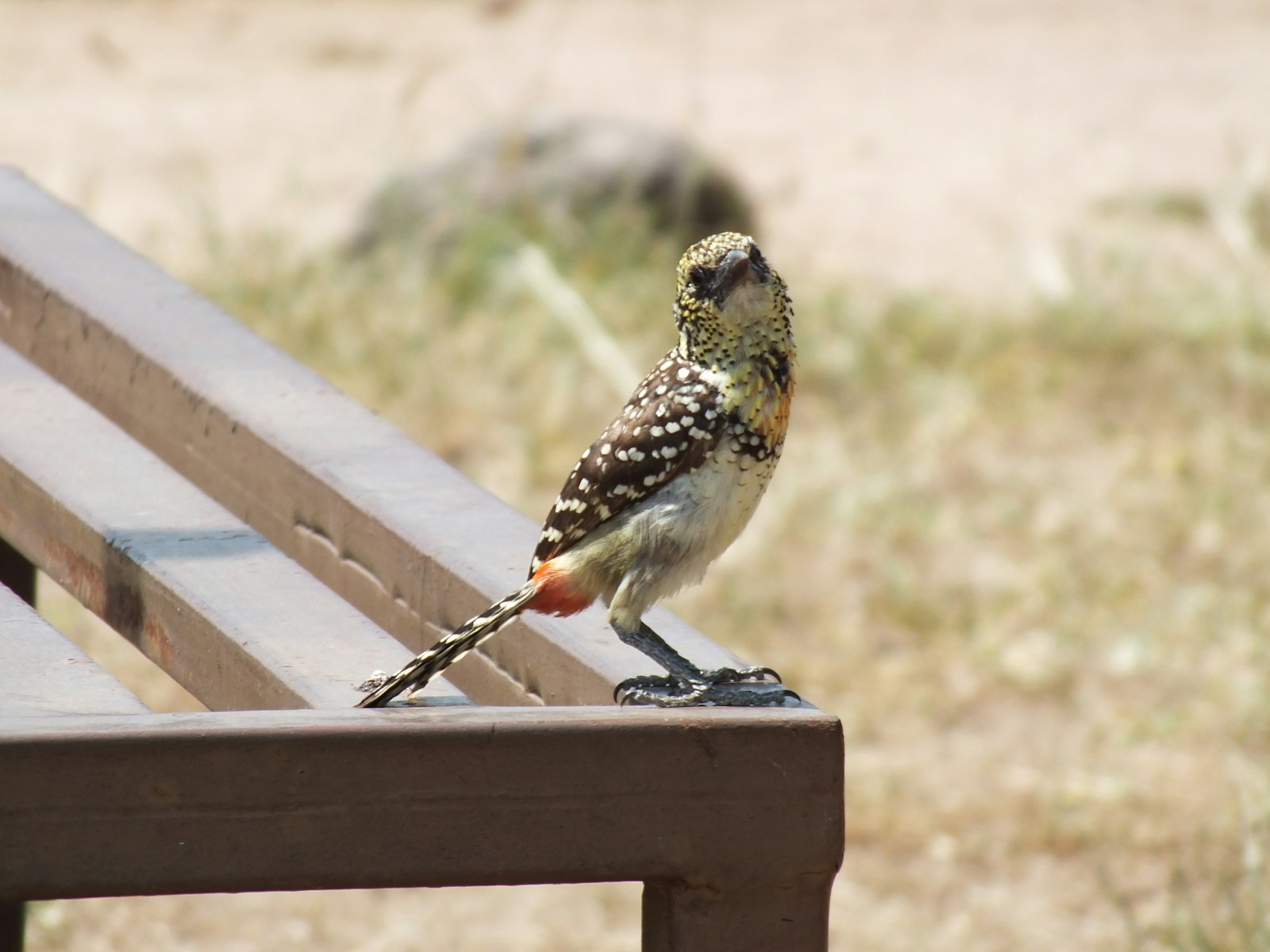
For bird photographers, carrying a longer telephoto lens can be particularly useful.
Travelers interested in quieter photographic experiences can consider Nyerere National Park in southern Tanzania.
Its rivers, lakes, woodland and relatively remote atmosphere provide a different style of safari from Tanzania's northern circuit.
One important advantage is variety. Depending on the safari arrangements and location, photography may include traditional vehicle-based game viewing as well as experiences around waterways.
The Rufiji River and surrounding landscapes can provide beautiful environmental photographs, especially around sunrise and sunset.
Ruaha is another excellent choice for serious photographers who appreciate wilderness and fewer vehicles.
The landscapes are rugged and dramatic, with baobabs, rocky hills, river systems and open woodland.
Ruaha can be particularly attractive for photographers interested in elephants, lions and broader wilderness compositions.
Rather than concentrating only on close-up portraits, use the scenery to create environmental photographs showing animals within their natural habitat.
There is no single perfect month for every photographer.
Your ideal season depends on what you want to photograph.
The dry season is extremely popular for wildlife photography.
Vegetation becomes thinner in many areas and animals increasingly gather around water sources. This can make wildlife easier to locate and photograph.
It is a good period for:
Because this is also a popular travel season, photographers should plan accommodations and private safari arrangements well in advance.
The greener months offer an entirely different photographic atmosphere.
Fresh vegetation can create colorful backgrounds, dramatic skies can add character to landscape images, and seasonal birdlife increases photographic variety.
January and February are particularly famous around the Ndutu ecosystem because of wildebeest calving activity.
For photographers, calving season can provide opportunities for:
For serious photographers, a private safari vehicle can make an enormous difference.
On a normal safari, different travelers may have different priorities. One person may want to move quickly to find another animal while a photographer might want to spend 30 minutes waiting for a lion to stand, a leopard to look toward the camera or an elephant herd to cross the road.
A private safari gives you greater control over these decisions.
You can tell your guide:
"I would rather spend more time with fewer sightings and wait for better photographic moments."
That information helps the guide understand your priorities from the beginning.
A private vehicle can also provide more room for cameras, telephoto lenses, bean bags, batteries and other photographic equipment.
A great photographic safari is heavily influenced by the quality of the guide.
Wildlife photography involves prediction.
An experienced safari guide may notice that an animal is preparing to move long before a visitor recognizes the signs. Understanding wildlife behavior can help the vehicle reach an appropriate position without disturbing the animal.
A photography-friendly guide should understand the importance of:
Communication is equally important.
Tell your guide whether you prefer close portraits, action, landscapes, birds or behavioral photography.
Light can completely transform wildlife photographs.
Early mornings often provide beautiful soft light and cooler temperatures.
Wildlife can also be more active before temperatures increase.
Photographers should therefore consider beginning game drives as early as park regulations and logistics permit.
Midday light is stronger and can create difficult shadows.
However, don't automatically stop photographing.
Interesting behavior can happen at any time. Leopards may appear, elephants may visit waterholes, or lions may suddenly become active.
Use midday for behavioral opportunities rather than relying exclusively on perfect lighting.
Late afternoon is another important photography period.
As sunlight becomes warmer and lower, photographers can experiment with:
A giraffe, elephant or acacia tree against a Tanzanian sunset can produce a memorable final image.
You don't necessarily need the most expensive equipment available.
A practical Tanzania safari photography kit might include:
Camera body: DSLR or mirrorless camera with reliable autofocus.
Telephoto lens: Approximately 100–400mm, 200–500mm or similar ranges are extremely useful for wildlife.
Medium-range zoom: A 70–200mm lens works well when animals approach the vehicle.
Wide-angle lens: Useful for landscapes, camps, sunsets and environmental wildlife photographs.
If possible, carrying two camera bodies can reduce the need to change lenses in dusty environments.
Wildlife action happens quickly.
During an exciting predator encounter, migration scene or bird sequence, photographers can capture hundreds of frames surprisingly quickly.
Carry multiple high-capacity memory cards rather than relying on one card.
Consider backing up photographs every evening.
Long game drives can drain batteries quickly, particularly when shooting continuous bursts, reviewing images or recording video.
Bring multiple batteries and keep them charged whenever electricity is available.
Ask your safari operator in advance about charging facilities inside the vehicle and at your accommodation.
Dust is part of the African safari environment, particularly during the dry season.
Bring:
Avoid changing lenses unnecessarily while driving through dusty areas.
A Tanzania safari vehicle is effectively your mobile photography platform.
A 4x4 safari Land Cruiser with a pop-up roof provides elevated viewing positions and allows photographers to work from different angles.
For photographers carrying large lenses, a bean bag can be extremely useful for stabilizing equipment against the vehicle.
Avoid spreading equipment everywhere inside the vehicle. Organize lenses, batteries and accessories so you can change equipment quickly when an unexpected sighting appears.
Close-up portraits are beautiful, but a strong Tanzania photography portfolio should tell a broader story.
Look for interactions such as:
Behavioral photographs often communicate more about wildlife than a simple portrait.
Not every photograph needs to fill the frame with an animal.
Tanzania has magnificent landscapes, so use them.
Instead of photographing only an elephant's face, consider photographing a small elephant beneath an enormous baobab tree.
Instead of only taking a tight photograph of wildebeest, capture thousands of animals stretching toward the horizon.
Environmental photographs give viewers a sense of scale and place.
A strong photography itinerary could include approximately 7–9 days, allowing more time at sightings and reducing the pressure to rush between destinations.
Arrive in Tanzania, meet your safari team, check equipment and discuss photographic priorities with your guide.
Travel to Tarangire and begin photographing elephants, baobabs and other wildlife.
Stay through the afternoon to take advantage of warmer light.
Dedicate another day to Tarangire rather than rushing onward. Extra time increases your chances of finding interesting animal behavior.
Travel toward the Serengeti, photographing landscapes and wildlife along the route where appropriate.
Spend the entire day searching for lions, cheetahs, leopards, elephants and plains wildlife.
A second full day allows photographers to revisit promising areas and wait patiently at important sightings.
Enjoy additional Serengeti photography before continuing toward Ngorongoro.
Descend early into the crater for wildlife photography before returning toward Arusha or continuing to your next destination.
The itinerary can be extended for Northern Serengeti, Ndutu, Ruaha or Nyerere depending on season and photographic goals.
Although short safaris can produce excellent images, serious photographers benefit from additional time.
Wildlife cannot be scheduled.
A leopard might remain hidden in a tree for hours. Lions may sleep throughout the afternoon. The wildebeest may be far from where they were yesterday.
More days provide more opportunities.
For general photography, 6–8 days can work very well.
For dedicated wildlife photographers, 8–12 days or longer gives considerably more flexibility.
The welfare of wildlife should always be more important than obtaining a photograph.
Never pressure a guide to drive dangerously, leave permitted tracks where prohibited, crowd animals excessively or disturb wildlife simply to obtain a particular angle.
Avoid shouting or making artificial sounds to force an animal to look toward your camera.
Excellent wildlife photography comes from patience and observation.
Allow natural behavior to create the photograph.
Besides normal safari clothing, photographers should consider bringing:
Keep important camera equipment in your hand luggage when flying whenever airline regulations permit.
Absolutely.
Modern smartphones can produce impressive images, particularly for landscapes, camps, people and animals close to the vehicle.
A dedicated camera with a telephoto lens still provides major advantages for distant wildlife, birds and fast-moving action, but smartphones are excellent secondary cameras.
They are also useful for quickly capturing behind-the-scenes moments during your safari.
After several days of carrying heavy cameras and waking before sunrise, Zanzibar can provide a relaxing conclusion to the journey.
It also introduces completely different photographic subjects:
This makes a Tanzania safari and Zanzibar combination particularly attractive to travelers who want both wildlife and travel photography.
One of the biggest mistakes is trying to visit too many destinations in too few days.
More parks do not automatically mean better photographs.
A photographer who spends two or three full days in one wildlife-rich location may return with stronger images than someone who spends most of the safari driving between five different parks.
Another mistake is focusing exclusively on famous animals.
Small subjects, birds, landscapes, textures, tracks, silhouettes and wildlife behavior can become some of the strongest images from the journey.
Finally, don't underestimate downtime. Reviewing photographs, charging batteries, cleaning lenses and preparing equipment for the next morning are all part of a successful photography safari.
Successful Photography Tanzania Safari Planning is about giving yourself time.
Time to wait for the leopard to descend from the tree.
Time for an elephant herd to walk into beautiful evening light.
Time for lion cubs to begin playing.
Time for a cheetah to move from the grass.
And sometimes, time simply to turn off the camera and appreciate the extraordinary wilderness around you.
By choosing the right destinations, season, safari vehicle, accommodation locations and experienced guide, photographers can transform a Tanzania safari from a wildlife holiday into a carefully planned photographic adventure filled with opportunities to capture the landscapes, animals and unforgettable moments of East Africa.
A Nyerere Tanzania wildlife safari can take you from a woodland game drive in the morning to a boat on the Rufiji…
Read articlePlanning a Tanzania safari that combines Lake Manyara National Park and Nyerere National Park is an excellent way to experience the country's…
Read articleDiscover Tanzania’s untamed wilderness without exceeding your travel budget. A budget Ruaha safari adventure offers incredible wildlife encounters, spectacular landscapes, authentic African…
Read articleA Nyerere Tanzania wildlife safari offers an extraordinary opportunity to discover one of Africa's most spectacular wilderness destinations. From magnificent elephants and…
Read article

