

Budget Ngorongoro Crater Safari Holiday
Planning a budget Ngorongoro Crater safari holiday from Arusha? Compare a crater day trip, a two-day Tarangire and Ngorongoro safari, or a…
Read articleArusha City - Tanzania
Safari & Travel Tips
August 24, 2026 · 13 min read
Tarangire National Park is one of the best destinations for an unforgettable Tanzania wildlife safari. Located on Tanzania’s famous Northern Safari Circuit, the park is celebrated for its large elephant herds, ancient baobab trees, diverse landscapes, and excellent wildlife viewing.
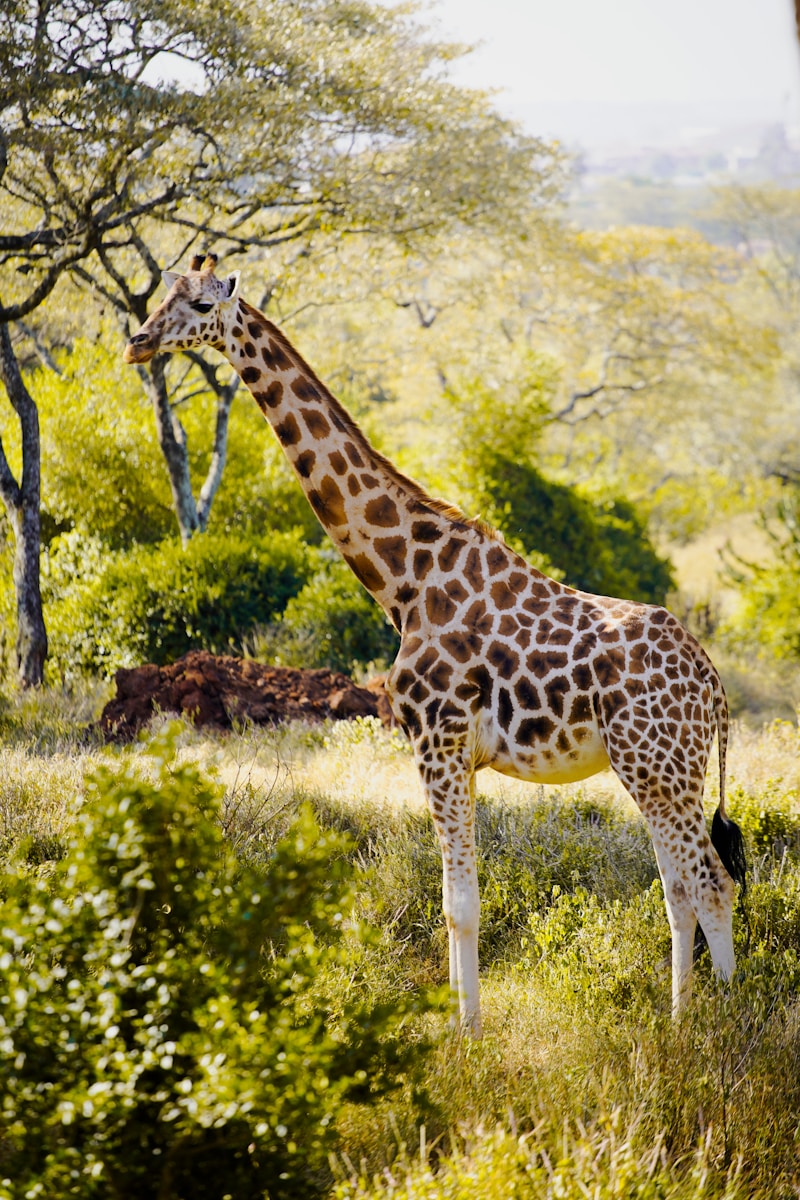
Although Tarangire is sometimes overshadowed by Serengeti National Park and the Ngorongoro Crater, it offers a quieter and more intimate safari experience. During the dry season, thousands of animals gather around the Tarangire River, creating remarkable opportunities to see elephants, lions, giraffes, zebras, wildebeest, buffaloes, and many other species.
This complete Tarangire travel guide explains the best time to visit, wildlife you may encounter, safari costs, accommodation choices, activities, transportation, packing essentials, and frequently asked questions.
Tarangire National Park offers an impressive combination of abundant wildlife, beautiful scenery, and fewer vehicles than some of Tanzania’s more famous parks.
The park covers approximately 2,850 square kilometres and takes its name from the Tarangire River. This river is the primary permanent water source for wildlife during the dry season. As the surrounding areas become dry, animals migrate toward the river, concentrating wildlife within the park.
Travelers should consider visiting Tarangire for several reasons:
Tarangire is suitable for couples, families, photographers, solo travelers, honeymooners, and groups looking for an authentic Tanzanian safari.
Tarangire National Park is located in northern Tanzania, southwest of Arusha and southeast of Lake Manyara National Park.
The drive from Arusha to Tarangire normally takes approximately two to three hours, depending on road and traffic conditions. This convenient location makes Tarangire suitable for a day trip, although staying for at least one night provides a more relaxed experience.
Tarangire is also easily combined with other Northern Circuit destinations, including:
Most travelers enter through the Main Gate, which is located near the northern part of the park.
Tarangire is widely known as one of Tanzania’s finest places to observe African elephants. Visitors may encounter individual elephants, family groups, or herds containing dozens of animals.
Elephants are frequently seen walking toward the Tarangire River, feeding beneath trees, bathing, or caring for young calves. Because elephants are present throughout the year, travelers have a good chance of seeing them during almost any season.
The park’s enormous baobab trees give Tarangire its distinctive appearance. Some of these trees are hundreds of years old and can store large quantities of water inside their thick trunks.
Baobabs provide food, shade, and shelter for various animals. Elephants sometimes remove pieces of bark to obtain moisture and nutrients.
The Tarangire River is the heart of the park. During the dry season, it attracts large concentrations of animals from the surrounding ecosystem.
Game drives along the river may reveal elephants, zebras, wildebeest, giraffes, impalas, buffaloes, warthogs, and predators waiting near the water.
Tarangire contains more than open grassland. Its varied environments include:
This diversity supports an impressive range of wildlife and provides beautiful backgrounds for photography.
Tarangire supports one of the richest wildlife populations in northern Tanzania. Sightings are never guaranteed because the animals roam freely, but visitors may encounter:
Tarangire is particularly associated with elephants, but it can also provide excellent predator sightings. Lions may be observed resting beneath trees, following prey, or lying near the river.
Leopards are present but are more elusive. They may be found resting in trees or moving through woodland. Cheetahs are sometimes seen in open areas where they can use their speed to hunt.
You can see several members of the Big Five in Tarangire, particularly elephants, lions, and buffaloes. Leopards are present, although sightings are less predictable.
Rhinos are not normally seen in Tarangire. Travelers hoping to experience a more complete Big Five safari should combine Tarangire with the Ngorongoro Crater, where critically endangered black rhinos may sometimes be observed.
A Northern Circuit itinerary combining Tarangire, Serengeti, and Ngorongoro offers a better overall chance of encountering the Big Five.
Tarangire is one of Tanzania’s leading birdwatching destinations. More than 500 bird species have been recorded within its ecosystem.
Bird enthusiasts may see:
The green season is particularly rewarding for birdwatching because migratory species arrive and many resident birds display breeding plumage.
Binoculars and a camera with a suitable zoom lens are recommended for travelers interested in bird photography.
Tarangire can be visited throughout the year, but the experience changes according to the season.
The dry season is generally considered the best time for concentrated wildlife viewing. Animals gather near the Tarangire River and remaining water sources.
Advantages include:
July, August, September, and October are particularly popular. Because this period coincides with Tanzania’s high tourism season, accommodations can fill quickly.
Short rains normally begin around November, transforming the landscape into a lush and colourful environment.
Advantages include:
Wildlife may be more dispersed because water is available throughout the ecosystem, but game drives can still be rewarding.
April and May usually receive heavier rainfall. Some roads may become muddy, and wildlife can be more widely scattered.
However, the park is exceptionally green, visitor numbers are lower, and some lodges offer seasonal discounts. Travelers who do not mind occasional rain may enjoy a quiet safari experience.
One full day is enough to experience the park’s main northern areas, especially when Tarangire forms part of a longer Northern Circuit itinerary.
However, two days are recommended for travelers who want:
A day trip from Arusha is possible, but it includes several hours of driving. Staying overnight near or inside the park allows visitors to spend more time searching for wildlife.
A typical Tarangire day trip begins early in the morning. Your safari guide collects you from your hotel in Arusha and drives approximately two to three hours to the park.
After registration at the entrance, you begin a game drive through baobab woodland and the Tarangire River area. A picnic lunch is normally served at an authorised location inside the park.
The afternoon game drive continues before returning to Arusha, usually arriving in the early evening.
A day trip normally includes:
Always confirm the exact inclusions with your safari operator before booking.
Depart from Arusha after breakfast and drive to Tarangire National Park. Begin your game drive after completing the entrance formalities.
Explore the Tarangire River, baobab plains, and surrounding woodland while searching for elephants, lions, giraffes, zebras, buffaloes, and antelopes.
Enjoy lunch inside the park and continue with an afternoon game drive. In the evening, travel to your selected campsite, tented camp, or lodge.
After breakfast, return to the park for another game drive. Morning hours can be excellent because temperatures are cooler and animals are often active.
Explore a different section of Tarangire before enjoying lunch and returning to Arusha in the afternoon.
The itinerary can also continue toward Lake Manyara, Karatu, Ngorongoro, or Serengeti.
This is an excellent two- or three-day safari combination. Tarangire provides elephants, baobabs, and river scenery, while Ngorongoro offers dense wildlife populations and the possibility of seeing black rhinos.
This classic Northern Circuit itinerary is ideal for first-time visitors. It offers varied scenery and some of Tanzania’s most famous wildlife experiences.
A typical itinerary lasts four to seven days, depending on the season, budget, and chosen accommodation.
These parks are relatively close together and can be included in a short safari. Tarangire is particularly strong for elephants and dry-season viewing, while Lake Manyara offers groundwater forest, birdlife, and Rift Valley scenery.
This combination mixes wildlife with cultural experiences. At Lake Eyasi, travelers can learn about the traditions of local communities, including the Hadzabe and Datoga people.
Cultural visits should always be arranged respectfully through experienced local guides.
Game drives are the primary activity in Tarangire. A professional guide drives through the park while explaining animal behaviour, vegetation, conservation, and local ecology.
Vehicles normally have a pop-up roof, allowing passengers to stand safely and enjoy unobstructed views.
With more than 500 recorded bird species, Tarangire provides excellent year-round birdwatching. Travelers with a particular interest in birds should notify their operator so that a knowledgeable guide can be arranged.
Tarangire’s elephants, baobab trees, river valleys, and golden light make it ideal for wildlife photography.
A private safari is recommended for serious photographers because it offers more control over:
Night game drives may be available in designated areas through authorised lodges or operators. They offer a chance to search for nocturnal animals such as genets, civets, bush babies, owls, and possibly predators.
Night drives must follow park regulations and usually require advance arrangements.
Guided walks may be available in selected areas, accompanied by an armed ranger or authorised walking guide.
Walking safaris allow visitors to notice details often missed from a vehicle, including tracks, plants, insects, and animal signs. Availability, duration, and age restrictions should be confirmed before booking.
Some itineraries include visits to communities near Tarangire. These experiences can introduce travelers to local customs, food, crafts, and traditional livelihoods.
Choose responsible experiences that respect community privacy and provide direct local benefits.
Accommodation around Tarangire ranges from public camping to luxury lodges.
Budget camping is ideal for adventurous travelers. Packages normally include tents, mattresses, sleeping bags, meals, and camping equipment.
Public campsites generally have shared toilets and showers. Facilities are basic, but sleeping close to nature can be a memorable experience.
Tented camps combine the atmosphere of camping with greater comfort. Depending on the property, tents may include:
Mid-range lodges usually offer private rooms, en-suite bathrooms, restaurants, and comfortable shared areas. Some properties also have swimming pools.
They are suitable for families, couples, and travelers who want comfort without choosing a high-end luxury property.
Luxury accommodation may include premium rooms, exceptional locations, personalised service, fine dining, swimming pools, and private activities.
Some luxury camps are located inside or close to the park, reducing daily travel time and providing easy access to wildlife areas.
Staying inside the park offers several advantages:
However, accommodation inside the park is often more expensive because of location and concession charges.
Staying outside the park can provide:
The best option depends on your budget, schedule, and preferred level of comfort.
Tarangire safari prices vary according to:
A day trip is normally less expensive than a multi-day itinerary, while luxury accommodation and private transportation increase the total cost.
When comparing quotations, do not consider the headline price alone. Check whether the package includes:
A lower-priced package may exclude important charges that must be paid later.
A standard Tarangire safari package may include:
Depending on the package, it may also include airport transfers, soft drinks, binoculars, camping equipment, or additional activities.
Common exclusions include:
Always read the complete inclusion and exclusion list before confirming your booking.
Most Tarangire safaris use a specially modified 4×4 Land Cruiser with a pop-up roof.
A well-equipped safari vehicle may provide:
The pop-up roof allows travelers to stand and photograph wildlife while remaining safely inside the vehicle.
Recommended items include:
Mornings and evenings can be cool, particularly between June and August. Layered clothing is useful because daytime temperatures may become warm.
Avoid very bright clothing. Dark blue and black clothing may attract tsetse flies in certain areas, so neutral colours such as khaki, beige, brown, and green are generally preferred.
Yes, Tarangire can be an excellent family safari destination. Elephants, giraffes, zebras, and baobab trees are especially exciting for young travelers.
Families should consider:
Parents should follow the guide’s safety instructions and prevent children from leaving the vehicle without permission.
Tarangire is generally safe when visited with a licensed operator and professional guide.
Wild animals can be dangerous, so visitors must:
It is also advisable to purchase comprehensive travel insurance covering medical treatment, evacuation, cancellation, and luggage.
Travelers can help protect Tarangire by following responsible tourism principles:
Wildlife welfare should always be more important than obtaining a photograph
A Tanzania wildlife safari in Tarangire offers spectacular elephants, ancient baobab trees, diverse birdlife, predators, and beautiful river landscapes. Its convenient location makes it suitable for a day trip, but spending two days provides a deeper and more relaxed experience.
For first-time visitors, combining Tarangire with Serengeti National Park and the Ngorongoro Crater creates a varied Northern Circuit adventure. Choosing the right season, accommodation, guide, and itinerary will help transform your Tarangire journey into an unforgettable African safari.
Planning a budget Ngorongoro Crater safari holiday from Arusha? Compare a crater day trip, a two-day Tarangire and Ngorongoro safari, or a…
Read articleA Lake Manyara safari can cost USD 150–220 per person for a shared day trip from Arusha. A published example of a…
Read articleA Tanzania safari from Zanzibar can mean a short mainland trip during your beach holiday or a complete package with flights, game…
Read articleLooking for a group Tanzania safari price from Kilipath African Safaris? A published example for our four-day shared camping safari through Tarangire,…
Read article

