Budget Ruaha Safari Adventure
Explore Ruaha National Park’s baobab country on a guided safari built around your dates, group size and budget. Spend your game drives…
Read articleArusha City - Tanzania
Safari & Travel Tips
August 24, 2026 · 12 min read
A guided Ruaha safari offers one of Tanzania’s most authentic wildlife experiences. Located in the country’s Southern Safari Circuit, Ruaha National Park is famous for its dramatic landscapes, impressive predator populations, enormous elephant herds, and peaceful wilderness atmosphere.
Unlike Tanzania’s busier northern parks, Ruaha receives comparatively fewer visitors. Travelers can therefore enjoy longer wildlife sightings, quieter game drives, and a stronger sense of exploring untouched African wilderness.
Whether you are planning your first safari, a photographic expedition, a honeymoon, or a private wildlife adventure, this guide explains everything you need to know about visiting Ruaha National Park with a professional safari guide.
Ruaha is a vast and rugged national park. Animals are free to move across extensive wilderness areas, and finding them often requires patience, experience, and a good understanding of their behavior.
A qualified safari guide knows how to interpret animal tracks, alarm calls, weather conditions, vegetation, and movements around water sources. This knowledge can transform a simple game drive into an educational and rewarding wildlife experience.
Your guide will also explain the relationships between predators, prey, plants, rivers, and seasonal changes. Instead of simply seeing an elephant or lion, you learn why the animal is in that particular area and how it survives within the Ruaha ecosystem.
A guided safari also provides:
Ruaha National Park is situated in south-central Tanzania, primarily within the Iringa Region. It forms an important part of Tanzania’s Southern Safari Circuit, together with destinations such as Nyerere National Park, Mikumi National Park and Udzungwa Mountains National Park.
According to Tanzania National Parks, Ruaha is Tanzania’s largest national park and is particularly known for its substantial lion and elephant populations. The park’s remote setting helps preserve its wild and uncrowded character. Tanzania National Parks
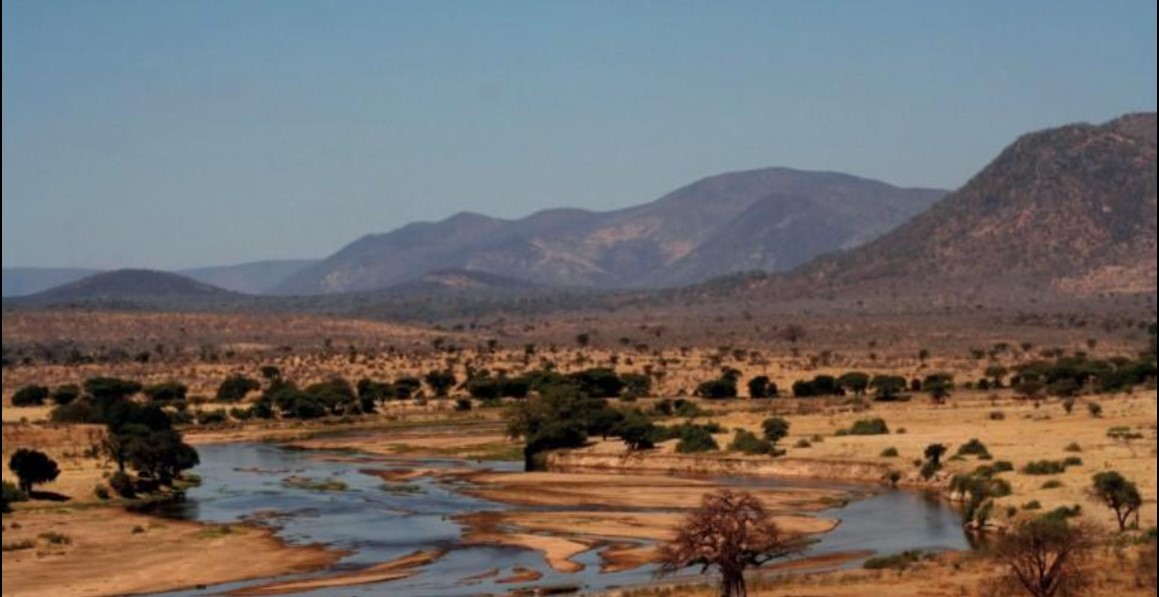
The Great Ruaha River is one of the park’s most recognizable natural features. During the dry season, its remaining pools and surrounding vegetation attract large numbers of animals. This creates excellent opportunities for observing wildlife interactions.
The park’s landscapes include:
These changing habitats support an impressive variety of mammals, birds, reptiles, and plant species.
Ruaha is an excellent destination for travelers interested in both predators and large herbivores. Sightings are always natural and cannot be guaranteed, but an experienced guide can significantly improve your chances of finding wildlife.
Ruaha is famous for its lions. Visitors may encounter prides resting under trees, walking along dry riverbeds, gathering near water, or watching herds from a distance.
Early mornings and late afternoons are particularly rewarding because lions are generally more active during the cooler parts of the day. A guide can identify signs such as footprints, distant calls, circling vultures, and the alarm calls of prey animals.
Elephants are another major attraction. They can often be seen moving through the woodland, feeding near rivers, or gathering around water sources during the dry season.
Watching an elephant family with an experienced guide is especially interesting. The guide can explain the herd structure, communication methods, feeding behavior, and protective role of adult females.
Ruaha is one of Tanzania’s important habitats for the endangered African wild dog. These highly social predators live and hunt in coordinated packs.
Wild dogs cover large distances, so finding them requires both luck and skilled tracking. When encountered, however, they can provide some of the most memorable wildlife observations of a Ruaha safari.
Leopards inhabit Ruaha’s riverine vegetation, rocky areas, and woodlands. They are secretive and well camouflaged, but an attentive guide may locate one resting in a tree or moving through the bush.
Cheetahs prefer more open areas where they can use their speed. They are not as regularly encountered as lions, but sightings are possible in suitable habitats.
A guided Ruaha safari may also reveal:
The mixture of East African and Southern African wildlife species makes Ruaha particularly interesting for experienced safari travelers.
Ruaha is also a rewarding birdwatching destination. Its rivers, woodlands, plains, and rocky landscapes provide habitats for hundreds of resident and migratory bird species.
Depending on the season and location, travelers may see:
A private guided safari is usually the best choice for serious birdwatchers. It allows more time to stop, identify species, take photographs, and explore different habitats without rushing.
Ruaha can be visited throughout the year, but each season provides a different experience.
The dry season is generally considered the best period for traditional wildlife viewing. Vegetation becomes thinner, and animals gather around rivers, springs, and remaining waterholes.
Advantages of visiting during the dry season include:
The mornings and evenings can be cold, particularly during June, July, and August. Travelers should carry a warm jacket for early game drives.
September and October can become hot and dry, but wildlife viewing around available water sources can be exceptional.
The rainy or green season transforms Ruaha into a lush and colorful wilderness. Landscapes become more photogenic, migratory birds arrive, and many herbivores give birth.
Benefits of traveling during the green season may include:
Rainfall can make some roads difficult to navigate. Certain remote camps may close during parts of the heavier rainy season, so availability should be confirmed before booking.
Travelers can reach Ruaha by road or by scheduled and chartered flights.
Flying is the quickest and most comfortable option. Light aircraft services may connect Ruaha with Dar es Salaam, Zanzibar, or other safari destinations, depending on the airline, season, and schedule.
Flight schedules and baggage restrictions can change, so travelers should confirm current arrangements when booking. Soft-sided luggage is normally more practical on small aircraft.
A fly-in guided Ruaha safari is ideal for:
After landing at an airstrip inside or near the park, guests are normally collected by their safari guide or lodge vehicle.
A road safari allows travelers to see more of Tanzania’s countryside. Ruaha is commonly approached through Iringa, which can also be included as an overnight stop.
Travel times depend on road conditions, the departure point, weather, and the location of your lodge or camp. A well-maintained four-wheel-drive safari vehicle is recommended.
Road transfers work particularly well when Ruaha is combined with Mikumi, Udzungwa, or other destinations in southern Tanzania.
Game drives are the main activity in Ruaha National Park. They are normally conducted in a specially designed four-wheel-drive safari vehicle.
A quality safari vehicle may include:
Morning game drives usually begin shortly after sunrise. Temperatures are cooler, predators may still be active, and the soft light is excellent for photography.
This is a good time to search for lions, leopards, hyenas, elephants, antelopes, and birds.
Afternoon drives explore different habitats after lunch or a short rest. As temperatures begin to fall, animals often become more active.
The warm evening light can create beautiful photographic conditions around rivers, plains, and baobab landscapes.
A full-day game drive provides more time to travel deeper into the park. Guests normally carry a packed lunch or stop at an authorized picnic site.
This arrangement is suitable for enthusiastic wildlife watchers and photographers who want to maximize their time in the wilderness.
A minimum of three days is recommended, although four or five days provide a more relaxed and rewarding experience.
Ruaha is extensive, and wildlife may be distributed across different areas. Spending additional time allows your guide to explore multiple habitats and respond to recent wildlife movements.
A three-day safari may include:
Day 1: Travel or fly to Ruaha, afternoon game drive and overnight inside or near the park.
Day 2: Full-day guided game drive with a picnic lunch.
Day 3: Morning game drive followed by departure.
This option is suitable for travelers with limited time.
A four-day itinerary offers two substantial days of exploration. It creates more opportunities to search for predators, visit river areas, and enjoy unhurried wildlife sightings.
Five days are ideal for wildlife enthusiasts and photographers. Your guide can explore quieter sections of the park and adjust daily plans according to animal movements and weather conditions.
Ruaha offers several accommodation styles, from simple camps to comfortable tented camps and luxury safari lodges.
Budget options may include public campsites or simple facilities outside the park. Camping can create an adventurous experience, but facilities may be basic.
Travelers should confirm whether tents, bedding, meals, cooking equipment, and campsite fees are included.
Mid-range tented camps provide a balance between comfort and wilderness. Rooms may be built on raised platforms and usually include proper beds, private bathrooms, and dining facilities.
Although they are called tents, many are spacious safari rooms rather than traditional camping tents.
Luxury camps may offer:
Luxury does not necessarily mean losing the natural atmosphere. Many camps are carefully designed to blend into their surroundings.
Inclusions differ between operators and packages, but a comprehensive safari may cover:
Optional or excluded items may include:
Always request a written list of inclusions and exclusions before paying a deposit.
Pack comfortable, lightweight clothing in neutral colors such as beige, khaki, olive, or brown.
Recommended items include:
Avoid packing only heavy or dark clothing. Temperatures can change considerably between cool mornings and warm afternoons.
If traveling by light aircraft, check the baggage allowance before departure. Soft-sided bags are generally easier to fit into small aircraft and safari vehicles.
Ruaha is an exceptional destination for wildlife and landscape photography.
To improve your results:
A private vehicle is best for serious photographers because it offers more control over positioning and the amount of time spent at each sighting.
Ruaha can be an excellent family safari destination, especially for older children interested in animals and nature.
Parents should consider:
A private safari provides greater flexibility for rest stops, meals, and shorter game drives.
Travelers should consult a qualified medical professional about vaccinations, malaria prevention, and other health precautions before visiting Tanzania.
Travel insurance should cover:
During game drives, follow your guide’s instructions. Do not leave the vehicle unless your guide confirms that it is safe and permitted.
Wild animals should never be fed, approached on foot, or disturbed for photographs.
Responsible tourism protects Ruaha’s wildlife and supports the long-term future of the park.
Travelers can help by:
Tanzania’s official tourism authorities describe Ruaha as an outstanding wilderness area with rich wildlife and dramatic scenery. Protecting that wilderness requires cooperation between visitors, guides, communities, conservation organizations, and park authorities. Tanzania Tourism
Ruaha can be combined with several Tanzanian destinations.
This combination creates a comprehensive Southern Circuit safari. Ruaha is especially strong for traditional game drives, while Nyerere may provide opportunities for boat safaris and other activities, subject to current regulations and availability.
Mikumi can be incorporated into a longer road itinerary. It helps divide the journey while adding another wildlife environment.
This pairing combines wildlife viewing with hiking, forests, waterfalls, and scenic mountain landscapes.
A Ruaha safari followed by a Zanzibar beach holiday creates an attractive bush-and-beach itinerary. Travelers can enjoy adventurous wildlife experiences before relaxing beside the Indian Ocean.
Flight schedules should be checked carefully because direct services may operate only on certain days or during particular seasons.
Your safari operator has a major influence on the quality of your experience.
Before booking, ask about:
A reliable operator should provide a detailed itinerary and transparent quotation. Be cautious when a package is unusually cheap but does not clearly explain accommodation, park fees, transportation, or taxes.
A guided Ruaha safari is perfect for travelers who value wilderness, privacy, professional guiding, and meaningful wildlife encounters. The park’s immense landscapes, predator populations, elephant herds, birdlife, and changing seasonal scenery make every game drive different.
The best itinerary should match your available time, travel season, preferred accommodation, and budget. Three days can provide an exciting introduction, while four or five days allow you to experience Ruaha at a slower and more rewarding pace.
With a knowledgeable guide, a reliable four-wheel-drive vehicle, and a carefully planned route, Ruaha can deliver one of the most memorable safari experiences in Tanzania.
Explore Ruaha National Park’s baobab country on a guided safari built around your dates, group size and budget. Spend your game drives…
Read articleDiscover Tanzania’s untamed wilderness without exceeding your travel budget. A budget Ruaha safari adventure offers incredible wildlife encounters, spectacular landscapes, authentic African…
Read articleA Nyerere Tanzania wildlife safari offers an extraordinary opportunity to discover one of Africa's most spectacular wilderness destinations. From magnificent elephants and…
Read articleTarangire National Park sits on Tanzania’s Northern Circuit and is usually visited from Arusha. Ruaha, Nyerere and Mikumi are Southern Circuit destinations.…
Read article