Lake Manyara vs. Nyerere Safari Prices | Tanzania Guide
A Lake Manyara safari can cost USD 150–220 per person for a shared day trip from Arusha. A published example of a…
Read articleArusha City - Tanzania
Safari & Travel Tips
August 26, 2026 · 9 min read
A Nyerere National Park safari from Arusha offers travelers an opportunity to combine Tanzania’s famous northern safari circuit with the remote wilderness of southern Tanzania. Although Nyerere National Park is far from Arusha, convenient domestic flights make it possible to travel between these two exceptional safari regions.
Formerly part of the Selous Game Reserve, Nyerere National Park is Tanzania’s largest national park. It is renowned for its enormous wilderness, thriving wildlife populations, scenic Rufiji River and varied safari activities. Unlike many northern parks, Nyerere allows visitors to experience traditional game drives alongside boat safaris and guided walking adventures.
This guide explains how to reach Nyerere from Arusha, when to travel, what wildlife you may encounter, where to stay and how to create a memorable Tanzania safari holiday.
Nyerere National Park is located in southern Tanzania. It covers approximately 30,000 square kilometres and forms part of the wider Selous ecosystem.
Arusha, meanwhile, is situated in northern Tanzania and acts as the main gateway to Serengeti National Park, Ngorongoro Crater, Tarangire National Park and Lake Manyara National Park.
Because the two destinations are in different regions, a direct road journey would be extremely long and unsuitable for most safari holidays. Flying is therefore the most comfortable and practical option.
The easiest way to reach Nyerere National Park from Arusha is by domestic flight. Flights may operate directly on selected days or connect through Dar es Salaam, depending on the season and airline schedule.
Most flights depart from:
Inside Nyerere National Park, travelers normally land at an airstrip close to their selected safari camp or lodge. Common airstrips include Mtemere, Siwandu and Beho Beho.
Flight schedules can change according to the season. Travelers should confirm the route before booking international flights or accommodation.
Traveling entirely by road is technically possible, but it is not normally recommended. The journey is very long and may require an overnight stop in Dar es Salaam or another town.
A better arrangement is to complete a Northern Circuit safari from Arusha and then fly south to Nyerere National Park. This saves valuable holiday time and provides a more comfortable experience.
Nyerere is an excellent destination for travelers who want fewer safari vehicles, varied activities and a genuine wilderness atmosphere.
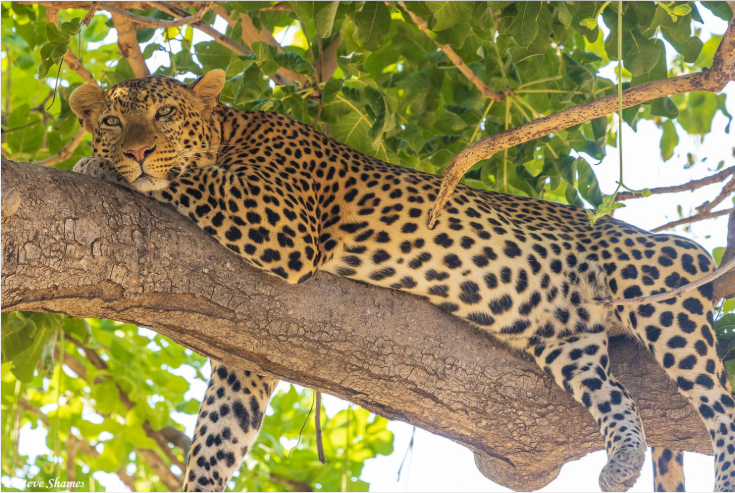
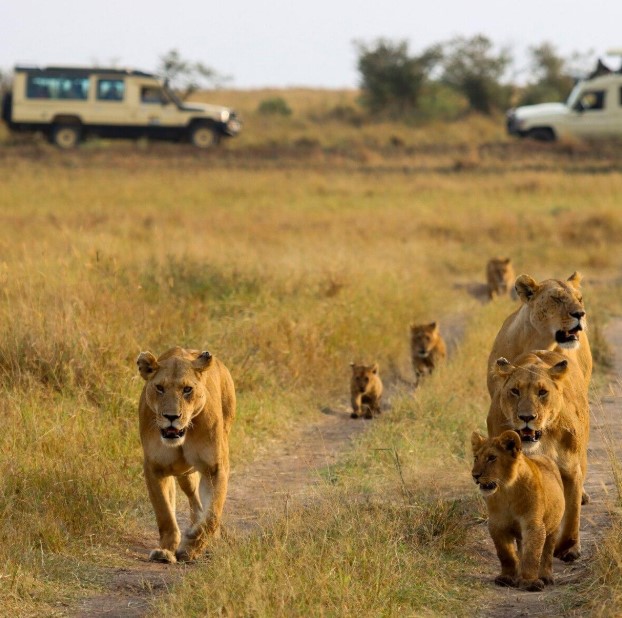
The national park supports impressive populations of elephants, buffaloes, giraffes, zebras, hippos, crocodiles and antelopes. Predators include lions, leopards, spotted hyenas and African wild dogs.
The Rufiji is Tanzania’s largest river and one of the park’s most important natural features. Its channels, lakes and sandbanks attract large numbers of animals and birds, particularly during the dry season.
Boat safaris distinguish Nyerere from many other Tanzanian parks. Guests can observe hippos, crocodiles, waterbirds and animals drinking along the riverbanks.
Guided bush walks allow travelers to explore the ecosystem from a completely different perspective. Accompanied by an armed ranger or qualified guide, visitors learn about animal tracks, plants, insects and smaller wildlife.
Nyerere generally receives fewer tourists than Serengeti National Park or Ngorongoro Crater. Sightings can therefore feel quieter, more personal and less crowded.
Wildlife sightings vary according to season, weather and animal movement. However, visitors may encounter:
Nyerere is particularly important for African wild dogs. These social predators require extensive territories, and the park’s vast protected wilderness provides an ideal habitat for them.
Wild dogs are still uncommon and sightings cannot be guaranteed. Nevertheless, Nyerere remains one of Tanzania’s most promising places to search for them.
More than 400 bird species have been recorded across the greater ecosystem. Riverbanks, woodland, lakes and open plains create diverse habitats for resident and migratory birds.
Possible sightings include:
Birdwatching is rewarding throughout the year, although the wet season brings greener landscapes and additional migratory species.
Nyerere can be visited throughout much of the year, but every season offers a different experience.
The dry season is generally considered the best period for wildlife viewing. Water becomes limited, encouraging animals to gather near the Rufiji River, lakes and remaining water sources.
Vegetation is also thinner, which may make animals easier to locate. July, August, September and October are popular months, so early accommodation reservations are strongly recommended.
Short rains usually transform the landscape into a lush, colourful wilderness. This period offers excellent birdwatching, attractive photography conditions and newborn animals.
Wildlife can be more dispersed because water is widely available, but game viewing can still be rewarding.
Heavy seasonal rain can make some roads difficult to access. Certain camps may close temporarily during this period.
Travelers considering an April or May safari should confirm that their chosen lodge, flights and activities will be operating.
Game drives are the main activity. Guests explore the park in a specially designed safari vehicle accompanied by a professional guide.
Morning drives often begin when temperatures are cooler and animals are active. Afternoon drives provide another opportunity to visit riverbanks, lakes and open areas before sunset.
A boat safari normally lasts between two and three hours, depending on the lodge and water conditions. It provides opportunities to see hippos, crocodiles and birds at close range while enjoying the park’s river scenery.
Sunset boat safaris are particularly beautiful, with warm light reflecting across the water.
Walking safaris usually take place early in the morning. Guides explain animal tracks, medicinal plants, insects, birds and the relationships that sustain the ecosystem.
Participants must follow all safety instructions. Age restrictions may apply, especially for children.
Some camps arrange specialized fly-camping or wilderness experiences in remote areas. These activities are best suited to adventurous travelers and normally need to be booked in advance.
Transfer to Arusha Airport for your flight to Nyerere National Park. A representative from your camp will meet you at the airstrip.
Depending on the arrival time, enjoy lunch followed by an afternoon game drive or boat safari. Dinner and overnight will be at your selected lodge or tented camp.
Begin with an early breakfast before exploring the national park. Search for elephants, giraffes, buffaloes, lions and African wild dogs.
You may have a picnic lunch in the bush or return to the camp for lunch and relaxation. Continue with an afternoon drive before returning for dinner.
Start the morning with a guided walking safari. Return to the lodge for breakfast and enjoy leisure time during the hottest part of the day.
Later, take a boat safari along the Rufiji River, watching hippos, crocodiles and waterbirds as the sun begins to set.
Enjoy a final game drive before transferring to the airstrip. Fly to Arusha, Dar es Salaam, Zanzibar or another destination according to your travel arrangements.
A Nyerere National Park safari from Arusha becomes even more rewarding when combined with northern Tanzania.
One possible itinerary is:
This combination showcases contrasting environments and safari styles. Serengeti delivers expansive plains and famous predator sightings, while Nyerere provides river scenery, boat trips and a quieter wilderness.
Nyerere is one of the best safari destinations to combine with a Zanzibar beach holiday. Domestic flights connect Zanzibar with airstrips serving the park, although schedules depend on the season.
A popular holiday structure includes:
This combination works particularly well for couples and honeymooners because it balances adventure with relaxation.
Accommodation ranges from comfortable tented camps to exclusive luxury lodges. Many properties are located near the Rufiji River or surrounding lakes.
Mid-range tented camps usually offer private bathrooms, comfortable beds, meals and organized safari activities. They are appropriate for travelers seeking comfort without the highest luxury prices.
Luxury properties may offer spacious suites, private verandas, swimming pools, personalized service and secluded locations. Some packages include game drives, boat safaris, walking activities and airstrip transfers.
Certain camps operate only during the main safari season. Confirm availability before purchasing flights, particularly when traveling during the long rains.
The final cost depends on:
A fly-in safari is normally more expensive than a road safari from Dar es Salaam because domestic flights must be included. However, flying from Arusha saves considerable time and makes it possible to combine northern and southern Tanzania efficiently.
Travelers should request an itemized quotation showing whether the price includes:
Pack light, comfortable clothing in neutral colours. Soft-sided luggage is preferable because domestic aircraft frequently have strict baggage restrictions.
Recommended items include:
Avoid very bright colours during walking activities. Always check the airline’s baggage allowance before traveling.
Yes, Nyerere can be an excellent family safari destination. Children often enjoy boat safaris because they provide a refreshing alternative to long game drives.
However, parents should check:
A private safari arrangement offers families greater flexibility for meal times, rest stops and daily activities.
Nyerere is ideal for honeymooners looking for privacy, wilderness and romantic scenery. Riverfront camps, sunset boat trips and intimate dining experiences create a peaceful atmosphere.
A honeymoon itinerary can combine Nyerere with Zanzibar, Serengeti or both. Luxury camps may arrange private meals, room decorations or special celebrations when informed in advance.
Visitors can help protect Nyerere’s environment by following park regulations and respecting wildlife.
Important practices include:
Tourism revenue contributes to conservation, park management and employment when travelers choose responsible operators and accommodation providers.
A Nyerere National Park safari from Arusha is perfect for travelers who want to experience more than one side of Tanzania. The journey connects the celebrated attractions of northern Tanzania with the rivers, lakes and remote wildlife areas of the south.
With well-organized domestic flights, carefully selected accommodation and sufficient time inside the park, visitors can enjoy game drives, walking safaris and unforgettable boat trips along the Rufiji River.
Whether incorporated into a Northern Circuit adventure, a honeymoon or a Zanzibar beach holiday, Nyerere provides an authentic wilderness experience filled with wildlife, beautiful scenery and peaceful moments away from crowded safari routes.
Call to Action: Contact Kilipath African Safaris to create a customized Nyerere National Park safari from Arusha, including domestic flights, accommodation, transfers and professionally guided wildlife activities.
A Lake Manyara safari can cost USD 150–220 per person for a shared day trip from Arusha. A published example of a…
Read articleA Nyerere Tanzania wildlife safari can take you from a woodland game drive in the morning to a boat on the Rufiji…
Read articlePlanning a Tanzania safari that combines Lake Manyara National Park and Nyerere National Park is an excellent way to experience the country's…
Read articleDiscover Tanzania’s untamed wilderness without exceeding your travel budget. A budget Ruaha safari adventure offers incredible wildlife encounters, spectacular landscapes, authentic African…
Read article