

Budget Ngorongoro Crater Safari Holiday
Planning a budget Ngorongoro Crater safari holiday from Arusha? Compare a crater day trip, a two-day Tarangire and Ngorongoro safari, or a…
Read articleArusha City - Tanzania
Safari & Travel Tips
August 26, 2026 · 14 min read
Planning an African safari should feel exciting, not complicated. However, travelers often become overwhelmed when comparing national park fees, accommodations, transportation, meals, domestic flights and optional activities. Choosing a reliable all inclusive Tanzania safari company makes the process much easier by bringing the essential services together in one organized package.
An all-inclusive Tanzania safari normally covers your safari vehicle, professional guide, park entrance fees, accommodation, meals, drinking water and transfers specified in the itinerary. Depending on your package, it may also include domestic flights, airport transportation, cultural activities and selected beverages.
The result is a carefully coordinated journey through destinations such as Serengeti National Park, Ngorongoro Crater, Tarangire National Park, Lake Manyara, Nyerere National Park and Ruaha National Park.
This complete guide explains what an all-inclusive safari includes, how much it costs, which destinations to visit and how to select the right Tanzania safari operator.
An all-inclusive Tanzania safari is a prearranged travel package covering most of the services required during your wildlife adventure. Instead of reserving every hotel, transfer, park permit and activity separately, you book one complete itinerary through a safari company.
Your operator coordinates the different parts of the journey, including:
Some packages also include flights between Zanzibar and mainland Tanzania, soft drinks, alcoholic beverages, laundry services or special activities. Always read the inclusions and exclusions before confirming your reservation because the meaning of “all-inclusive” can vary among operators.
A reputable all inclusive Tanzania safari company handles the difficult logistical work while allowing you to concentrate on the experience. Tanzania is a large country, and its safari destinations have different entry rules, driving distances and seasonal wildlife patterns.
A knowledgeable local operator understands these details and can design a realistic itinerary.
You receive one itinerary showing your destinations, accommodations, activities and transportation. This prevents the confusion of managing several bookings with unrelated suppliers.
A clearly priced package helps you understand the total cost before traveling. It reduces the possibility of unexpected expenses for park fees, meals or transportation during the safari.
A Tanzania-based safari company can provide assistance before and during your trip. If a flight changes or an accommodation becomes unavailable, the company can communicate with suppliers and arrange an appropriate alternative.
Safari lodges can be located far from airports and towns. Your operator coordinates arrival times, park entry, game drives and accommodation check-ins so the journey flows smoothly.
All-inclusive does not necessarily mean inflexible. A private safari can be customized around your travel dates, interests, accommodation preferences and budget.
Before booking, request a written list of everything covered by the quoted price.
Most Northern Circuit road safaris use a specially prepared four-wheel-drive Land Cruiser with a pop-up roof. The raised roof provides better views and makes wildlife photography easier.
A comfortable vehicle may provide:
For private safaris, the vehicle is reserved for your party. Shared safaris combine travelers following the same route and usually have fixed departure times.
Your guide is one of the most important parts of the entire experience. A good guide does more than drive. They track wildlife, explain animal behavior, share information about the landscape and manage your daily schedule.
Ask whether your package includes an English-speaking guide or whether guides speaking French, German, Spanish or Italian can be arranged.
Park fees represent a considerable part of a Tanzania safari price. A complete quotation should clarify whether entrance and conservation fees are included.
These may cover:
The package should clearly name the planned lodges, tented camps, hotels or public campsites. It should also show the room category and meal plan.
Accommodation generally falls into four categories:
Most safaris include breakfast, lunch and dinner during the trip. Lunch may be served as a picnic or a hot meal, depending on the operator and daily route.
Unlimited or sufficient bottled drinking water should be available in the safari vehicle. Ask whether soft drinks and alcoholic beverages are included because many packages charge separately for them.
Your package should specify whether it covers transportation between the airport, hotel and safari starting point.
Tanzania safaris commonly use:
Do not assume every airport transfer is included. Confirm the exact pickup and drop-off locations in writing.
Even a well-designed all-inclusive package may exclude personal or optional expenses. Common exclusions include:
A trustworthy company will explain these exclusions before requesting payment.
Serengeti is Tanzania’s most celebrated safari destination. Its vast plains support lions, elephants, giraffes, cheetahs, leopards, buffaloes, hyenas and enormous herds of grazing animals.
The park is also central to the Great Migration. The animals move through different parts of the ecosystem according to rainfall and fresh grazing conditions.
Serengeti can be divided into several major safari regions:
Migration timing is controlled by nature and cannot be guaranteed, but an experienced operator can recommend the most suitable region for your travel month.
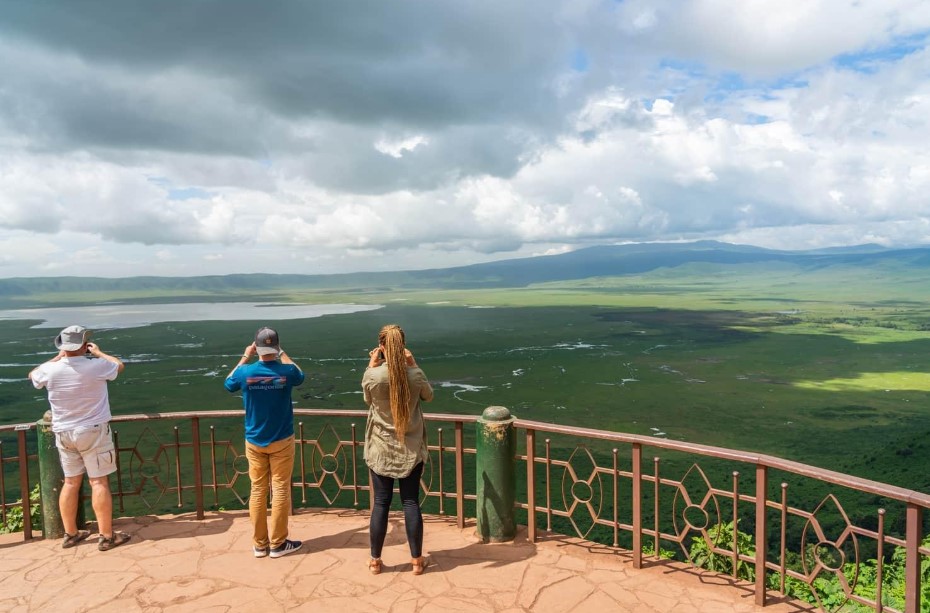
Ngorongoro Crater is one of Tanzania’s most concentrated wildlife-viewing areas. The crater floor contains grassland, woodland, freshwater environments and open plains.
During a game drive, travelers may encounter lions, buffaloes, zebras, wildebeest, hippos, elephants, hyenas and various antelope species. The crater is also one of the places where visitors may have an opportunity to see the endangered black rhinoceros, although sightings are never guaranteed.
Its compact landscape makes Ngorongoro an excellent addition to both short and extended Northern Circuit safaris.
Tarangire is famous for its elephants, ancient baobab trees and scenic river valley. During the dry season, wildlife gathers around dependable water sources, creating rewarding game-viewing opportunities.
The park is particularly suitable for travelers interested in:
Tarangire combines naturally with Serengeti and Ngorongoro in four-day or longer itineraries.
Lake Manyara is a smaller park located beneath the Great Rift Valley escarpment. It offers forest, wetland and woodland habitats within a relatively compact area.
Depending on the season and lake conditions, visitors may encounter elephants, baboons, giraffes, hippos and numerous bird species. Manyara works best as part of a broader itinerary rather than as the only safari destination.
Nyerere National Park is one of the leading safari destinations in Southern Tanzania. It is especially attractive to travelers looking for a quieter wilderness experience.
Depending on the season and lodge program, activities may include:
Nyerere is accessible by road from Dar es Salaam, but scheduled or charter flights are often more convenient.
Ruaha offers remote landscapes, diverse wildlife and fewer vehicles than Tanzania’s best-known Northern Circuit parks. It is celebrated for elephants, lions, African wild dogs and dramatic scenery shaped by the Great Ruaha River.
Ruaha is a strong choice for experienced safari travelers, photographers and visitors seeking an uncrowded adventure. It is often combined with Nyerere by domestic flight.
The cost depends on the number of days, accommodation level, parks visited, season and whether the safari is private or shared.
Approximate planning ranges per person may include:
| Safari style | Typical daily planning range |
|---|---|
| Shared camping safari | USD 250–400 |
| Private budget safari | USD 300–500 |
| Mid-range lodge safari | USD 450–750 |
| Luxury safari | USD 800–1,500+ |
| High-end fly-in safari | USD 1,200–2,500+ |
These are broad planning estimates rather than fixed prices. Ngorongoro fees, Serengeti accommodation, domestic flights, seasonal supplements and small-group arrangements can significantly affect the final total.
A lower price is not automatically a better deal. Compare the exact accommodations, vehicle arrangement, park fees, transfers and number of game-drive hours.
Private safari costs are shared among the passengers in the vehicle. A couple will generally pay more per person than a family or group of four using the same Land Cruiser.
July through October and the Christmas–New Year period are usually popular travel seasons. Some lodges charge higher rates, and availability becomes limited.
The green season may provide lower accommodation prices, lush landscapes, dramatic skies and fewer visitors.
A public campsite costs considerably less than a luxury tented suite. Location matters too: accommodation inside or close to Serengeti may cost more but can reduce daily driving time.
Longer itineraries include additional accommodation, meals, park fees and guide expenses. However, they also provide a slower pace and more time for wildlife observation.
Road safaris are usually more economical and allow you to see the changing countryside. Fly-in safaris save time and are especially valuable when visiting remote parks or traveling between Zanzibar and Serengeti.
Balloon flights, walking safaris, cultural visits and private bush meals can increase the total cost.
Arrive at Kilimanjaro International Airport and meet your representative. Transfer to your Arusha accommodation for rest and a safari briefing.
Drive to Tarangire National Park for a game drive among baobab trees and elephant habitats. Enjoy lunch during the safari before continuing to your lodge or camp.
Travel toward Serengeti through the Ngorongoro highlands. Enter the park and begin observing wildlife on the way to your accommodation.
Spend the day exploring Serengeti with morning and afternoon wildlife viewing. Your guide selects promising areas based on current animal movements and recent sightings.
Continue exploring the ecosystem. A second full day provides more time to search for big cats, elephants and large grazing herds without rushing.
Enjoy a final Serengeti game drive before traveling toward the Ngorongoro Conservation Area. Overnight near the crater rim or in the Karatu highlands.
Descend into Ngorongoro Crater for a game drive and picnic lunch. Later, return to Arusha for hotel or airport drop-off according to your travel schedule.
This route can be adjusted according to your arrival airport, travel month and preferred accommodation category.
A safari and Zanzibar beach holiday is one of Tanzania’s most popular travel combinations. After several days of game drives, travelers can relax beside the Indian Ocean.
A complete safari-and-beach package may include:
When flying from Zanzibar before a road safari, the arrival time must match the itinerary. Safaris traveling toward Serengeti often need to leave Arusha early, so arriving the previous afternoon or evening may be necessary.
Tanzania can be visited throughout the year, but conditions change between seasons.
This is generally the dry season. Wildlife is often easier to observe near water sources, and road conditions are usually favorable. July through October is also associated with migration activity in Northern Serengeti.
Short rains may bring greener landscapes and fewer travelers. Rain normally occurs in intervals rather than continuously, although weather remains unpredictable.
This is an important period for the southern Serengeti and Ndutu region. Wildebeest calving usually takes place during this general season, attracting predators to the area.
These are commonly the wetter months. Some remote accommodations close temporarily, but travelers can benefit from green scenery, lower seasonal rates and fewer safari vehicles.
For peak-season travel, consider booking six to twelve months ahead. Last-minute reservations may still be possible, but the most desirable lodges and flights can sell out.
Ask for the operator’s legal business name, tourism licensing information and physical location. An established local presence provides additional confidence and makes on-the-ground support easier.
The itinerary should show:
Descriptions such as “good hotel” or “all fees included” are not specific enough. Request the actual property names and complete inclusions.
Look for consistent feedback about guides, vehicles, communication, accommodations and problem-solving. Do not judge a company from one review alone; consider the overall pattern.
Check the room type, location and facilities offered by each lodge or camp. Confirm whether rooms have private bathrooms if that is important to you.
A professional company should provide a formal invoice, payment instructions and cancellation policy. Safari deposits are often necessary because operators must reserve accommodations, flights and park-related services.
Check which payments are refundable and which supplier services become non-refundable after confirmation. Domestic flights and certain high-season lodges may apply strict conditions.
Confirm that the company has a contact available during your trip and procedures for handling vehicle issues, illness or unexpected itinerary changes.
An unusually inexpensive quotation may exclude important services or use accommodation far from the parks. Compare packages line by line.
Ask your safari company the following questions:
Pack lightly and choose comfortable, neutral-colored clothing.
Recommended items include:
Ngorongoro mornings can be cold, even when afternoons are warm. Dressing in layers is the most practical approach.
A responsible operator protects wildlife, respects local communities and follows park regulations.
Travelers can contribute by:
Responsible tourism helps preserve Tanzania’s natural areas for future visitors and local communities.
Choosing the right all inclusive Tanzania safari company gives you more than accommodation and game drives. It provides coordinated logistics, local knowledge, professional guidance and support throughout your journey.
Whether you are planning a private honeymoon, family holiday, photographic expedition, affordable shared safari or safari-and-Zanzibar vacation, your itinerary should match your interests and travel pace.
A carefully designed all-inclusive package allows you to experience Serengeti’s plains, Ngorongoro’s wildlife-filled crater, Tarangire’s elephants and Tanzania’s warm hospitality without managing every reservation separately.
Contact Kilipath African Safaris for a customized all-inclusive Tanzania safari itinerary. Share your travel dates, number of travelers, preferred destinations and accommodation level, and our team will prepare a personalized safari proposal.
Call to action: Request Your Free Tanzania Safari Quote Today.
Planning a budget Ngorongoro Crater safari holiday from Arusha? Compare a crater day trip, a two-day Tarangire and Ngorongoro safari, or a…
Read articleA Lake Manyara safari can cost USD 150–220 per person for a shared day trip from Arusha. A published example of a…
Read articleExplore Ruaha National Park’s baobab country on a guided safari built around your dates, group size and budget. Spend your game drives…
Read articleA Nyerere Tanzania wildlife safari can take you from a woodland game drive in the morning to a boat on the Rufiji…
Read article

