
Budget Ngorongoro Crater Safari Holiday
Planning a budget Ngorongoro Crater safari holiday from Arusha? Compare a crater day trip, a two-day Tarangire and Ngorongoro safari, or a…
Read articleArusha City - Tanzania
Safari & Travel Tips
August 26, 2026 · 11 min read
A cheap Tanzania safari trip does not have to mean uncomfortable accommodation, unreliable transport, or a disappointing wildlife experience. With careful planning, you can visit famous destinations such as Serengeti National Park, Ngorongoro Crater, Tarangire National Park, and Lake Manyara while keeping your total travel costs manageable.
The most effective ways to reduce your safari price are choosing a shared group safari, traveling during the low or shoulder season, using camping or budget lodges, and selecting a well-planned itinerary that avoids unnecessary driving.
Tanzania offers wildlife safaris for many different budgets. Whether you are a solo traveler, couple, student, backpacker, family, or small group, there are affordable options available.
Yes, an affordable Tanzania safari is possible. However, national park fees, conservation fees, vehicle expenses, fuel, accommodation, meals, and professional guides make safaris more expensive than ordinary holidays.
The goal should therefore be to find excellent value—not simply the lowest advertised price.
A properly organized budget safari should still include:
Extremely cheap offers may exclude important expenses such as crater service fees, airport transfers, accommodation before the safari, taxes, or park charges. Always request a complete list of inclusions and exclusions before paying a deposit.
A shared camping safari is generally the cheapest way to explore Tanzania’s Northern Circuit.
On a shared safari, travelers with similar itineraries travel together in one safari vehicle. Vehicle, guide, fuel, and operational expenses are divided among the group, reducing the cost per traveler.
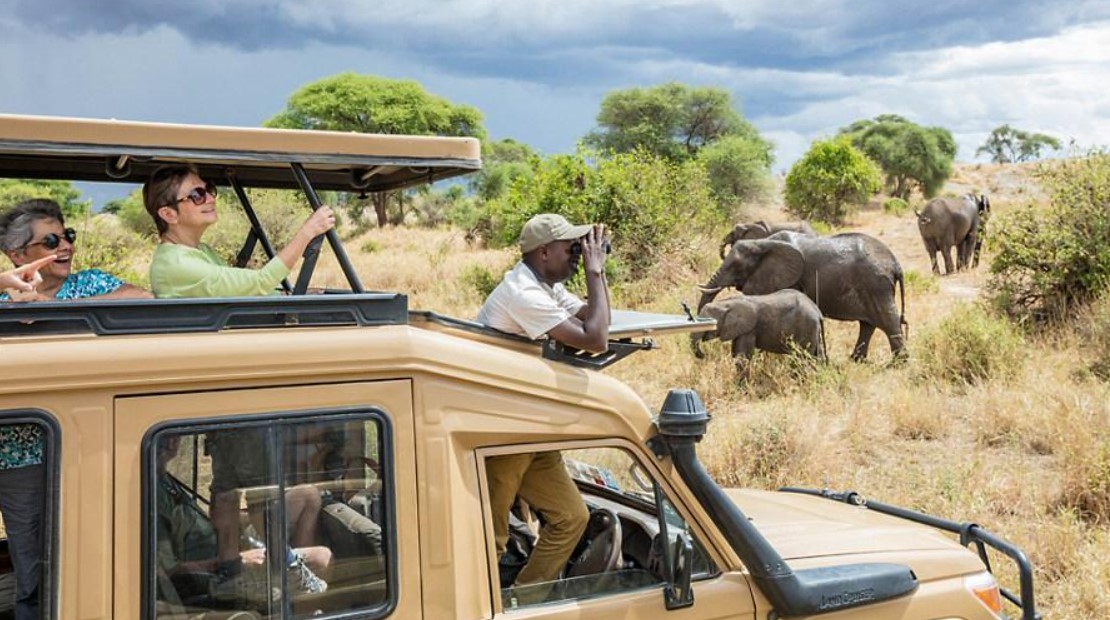
Most shared safaris use a 4×4 Land Cruiser with a pop-up roof. Group size commonly reaches six or seven travelers, depending on the vehicle and operator. A responsible company should provide every passenger with a proper seat and a good viewing position.
Camping is usually the least expensive accommodation option. A standard camping package may provide:
Camping inside or near the national parks can also make the adventure feel more authentic. At night, travelers may hear distant hyenas, zebras, birds, and other wildlife while remaining in an authorized campsite.
A budget lodge safari is more expensive than camping but offers additional comfort. Travelers sleep in permanent rooms, guesthouses, or tented camps, usually with proper beds and private or shared bathroom facilities.
This option works well for couples, families, older travelers, and visitors who want an affordable safari without sleeping in a tent.
A shared mid-range safari combines the lower transportation costs of a group tour with more comfortable accommodation. It can be an excellent compromise for travelers who want private bathrooms and comfortable beds while controlling their budget.
Tanzania has several safari circuits, but the Northern Circuit is often the easiest choice for first-time budget travelers. Its parks can be combined in one road itinerary starting from Arusha.
Tarangire is famous for its elephants, ancient baobab trees, river landscapes, and seasonal concentrations of wildlife. It is approximately a few hours by road from Arusha, making it suitable for a one-day safari or the first day of a longer itinerary.
During the dry season, animals gather near the Tarangire River, improving the chances of productive wildlife viewing.
A Tarangire safari can offer opportunities to see:
Because Tarangire is closer to Arusha than Serengeti, it is one of the most practical destinations for travelers with limited time and money.
Ngorongoro Crater is one of Tanzania’s most celebrated wildlife destinations. Its relatively compact floor supports a remarkable concentration of animals.
Visitors may encounter lions, elephants, buffaloes, hippos, wildebeest, zebras, hyenas, and—if fortunate—black rhinos. The wider conservation area also combines wildlife protection with human habitation and Maasai pastoral life, according to the Ngorongoro Conservation Area Authority.
Ngorongoro is not Tanzania’s cheapest attraction because crater access and vehicle charges are substantial. Nevertheless, it provides an intense wildlife experience within a limited period, making it valuable for a short safari.
Serengeti is the highlight of many Tanzania safari itineraries. Its open plains, predators, seasonal wildlife movement, and varied ecosystems make it worth the longer drive.
Budget travelers can visit Central Serengeti on a shared camping safari. Central Serengeti offers year-round wildlife viewing, while seasonal migration routes may require additional travel to Ndutu, Western Serengeti, or Northern Serengeti.
A short budget itinerary normally includes one night inside Serengeti, followed by an overnight near Ngorongoro. Private safaris allow greater flexibility and additional nights but cost more.
Lake Manyara can be included in short Northern Circuit itineraries. It is known for groundwater forests, baboons, elephants, birdlife, and Rift Valley scenery.
Wildlife sightings depend on the season and lake conditions, so travelers should compare Lake Manyara with Tarangire before finalizing a short itinerary.
Arusha National Park is a useful option for travelers who have only one day. It is relatively close to Arusha and offers forest scenery, Momella Lakes, Mount Meru views, giraffes, buffaloes, monkeys, and birdlife.
It does not provide the same classic open-plains experience as Serengeti, but lower transportation requirements can make it appropriate for a limited budget.
This is one of the best short itineraries for travelers who want varied landscapes and wildlife without driving to Serengeti.
Day 1: Arusha to Tarangire
Leave Arusha in the morning and travel to Tarangire National Park. Enjoy a game drive and picnic lunch before continuing to budget accommodation near Mto wa Mbu or Karatu.
Day 2: Ngorongoro Crater to Arusha
Travel to Ngorongoro early in the morning, descend into the crater for a game drive, and return to Arusha in the late afternoon or evening.
This itinerary suits travelers whose main priority is Serengeti.
Day 1: Arusha to Serengeti
Drive through the Ngorongoro Conservation Area toward Serengeti. Wildlife viewing can begin as you enter the Serengeti ecosystem. Spend the night at a campsite or budget tented camp.
Day 2: Serengeti to Ngorongoro
Enjoy a morning game drive in Serengeti before traveling toward Ngorongoro. Overnight near the crater or at an authorized campsite.
Day 3: Ngorongoro Crater to Arusha
Descend into the crater for game viewing, enjoy a picnic lunch, and return to Arusha.
A four-day itinerary offers a more balanced introduction to Tanzania.
Day 1: Arusha to Tarangire National Park
Day 2: Travel to Central Serengeti
Day 3: Serengeti game drive and transfer toward Ngorongoro
Day 4: Ngorongoro Crater game drive and return to Arusha
This is one of the most popular options because it includes three major wildlife destinations without requiring a long holiday.
Travelers with more time can add Lake Manyara or an extra Serengeti game drive.
Day 1: Tarangire National Park
Day 2: Central Serengeti
Day 3: Full Serengeti experience
Day 4: Serengeti to Ngorongoro
Day 5: Ngorongoro Crater and return to Arusha
The additional day reduces the pressure created by long driving distances and allows more time for wildlife observation.
Safari prices vary according to the number of travelers, itinerary length, accommodation category, season, park selection, and transportation arrangements.
Indicative budget ranges often look like this:
| Safari style | Indicative price per person |
|---|---|
| One-day shared safari | USD 200–350 |
| Two-day shared camping safari | USD 400–650 |
| Three-day shared camping safari | USD 550–850 |
| Four-day shared camping safari | USD 700–1,000 |
| Five-day shared camping safari | USD 900–1,300 |
| Budget private safari | Usually higher and group-dependent |
These are planning estimates, not guaranteed quotations. Government fees, taxes, fuel costs, exchange rates, seasonal demand, and accommodation availability can change.
Ask your safari operator to confirm whether the quoted price includes:
Sharing the vehicle is usually the biggest money-saving decision. Solo travelers especially benefit because a private vehicle’s costs are not charged to one person.
Camping significantly reduces accommodation costs while allowing you to stay close to the parks. Confirm whether tents, sleeping bags, mattresses, meals, and a chef are included.
Accommodation prices may be lower outside the busiest months. Green-season travel also offers dramatic landscapes, fewer vehicles, birdlife, and newborn animals in some regions.
Rain can affect road conditions, but showers do not necessarily continue throughout the entire day.
Every additional park can introduce entry fees, fuel expenses, and driving time. A short Tarangire and Ngorongoro safari may provide better value than an overly ambitious itinerary.
Arusha is the principal gateway to Tanzania’s Northern Circuit. Starting and ending there generally creates an efficient road itinerary.
If you are traveling from Zanzibar, compare flights to Arusha Airport and Kilimanjaro International Airport. Consider airfare, transfer charges, arrival time, and whether a pre-safari hotel is necessary.
A private safari becomes more affordable when vehicle costs are divided among four, five, or six travelers. This arrangement also provides more flexibility than joining an unrelated group.
A reputable local operator can coordinate the guide, vehicle, park payments, accommodation, and emergency support directly. Request a written itinerary, official quotation, cancellation policy, and payment receipt.
There is no single bad time for a Tanzania safari, but every season offers different advantages.
This period is associated with calving activity around Ndutu and the southern Serengeti ecosystem. Predator sightings can be rewarding, especially during peak calving weeks. Demand may be high in popular migration areas.
These months often bring heavier rainfall and greener scenery. Some lodges offer lower rates, and parks generally receive fewer visitors. Travelers should prepare for muddy roads and occasional itinerary adjustments.
The dry season offers dependable wildlife viewing as animals gather near water sources. It is also a popular period, so prices and demand can be higher.
Short rains may refresh the landscape, while visitor numbers can be lower than during peak season. This period can offer a good balance between price, scenery, and wildlife viewing.
The official Tanzania Tourism Board provides general destination and trip-planning information for visitors.
Pack lightly, especially when joining a shared safari where luggage space is limited. Soft-sided bags are easier to store than hard suitcases.
Recommended items include:
Temperatures around the Ngorongoro highlands can be surprisingly cold, particularly early in the morning and at night.
A low initial quote can become expensive if park fees, taxes, transfers, meals, or accommodation are added later.
Long itineraries do not automatically produce better safaris. Excessive driving can reduce the time available for game viewing.
Shared safaris often leave Arusha early. Travelers arriving at Kilimanjaro or Arusha Airport on the safari’s first morning could miss the departure because of delays.
Arriving one day earlier is usually safer.
Shared safaris follow coordinated schedules. Pickup times, meal stops, and game-drive movements must accommodate everyone in the group.
Choose a private safari if you need complete flexibility, specialized photography time, a particular language guide, or a customized route.
Before paying, check the company’s identity, recent reviews, communication quality, payment procedures, and cancellation conditions. Avoid sending money when the operator cannot provide a written quotation or clear company details.
Ask the safari company:
Written answers make it easier to compare offers fairly.
A well-organized budget safari can provide the same national parks, landscapes, animals, and professional guiding as a more expensive trip. The main differences normally involve accommodation, privacy, vehicle occupancy, meal style, and itinerary flexibility.
Luxury travelers may stay in exclusive lodges and travel in private vehicles. Budget travelers may sleep at public campsites and share transportation. Both can watch elephants beneath Tarangire’s baobab trees, follow lions across the Serengeti plains, and descend into Ngorongoro Crater.
The wildlife experience is not reserved only for luxury travelers.
The best cheap Tanzania safari trip balances price, safety, comfort, and enough time for meaningful game drives. A shared camping safari through Tarangire, Serengeti, and Ngorongoro is an excellent choice for travelers who want Tanzania’s classic wildlife experience at an affordable price.
Compare complete quotations, avoid unrealistic itineraries, verify what is included, and choose an experienced local operator. With thoughtful planning, a limited budget can still lead to unforgettable wildlife encounters and extraordinary African landscapes.
Safari & Travel Tips

Safari & Travel Tips Nov 24, 20263 min read
Planning a budget Ngorongoro Crater safari holiday from Arusha? Compare a crater day trip, a two-day Tarangire and Ngorongoro safari, or a…
Read article
Safari & Travel Tips Nov 24, 20264 min read
A Lake Manyara safari can cost USD 150–220 per person for a shared day trip from Arusha. A published example of a…
Read article
Safari & Travel Tips Nov 24, 20263 min read
Explore Ruaha National Park’s baobab country on a guided safari built around your dates, group size and budget. Spend your game drives…
Read article
Safari & Travel Tips Nov 24, 20265 min read
A Nyerere Tanzania wildlife safari can take you from a woodland game drive in the morning to a boat on the Rufiji…
Read article