

Budget Ngorongoro Crater Safari Holiday
Planning a budget Ngorongoro Crater safari holiday from Arusha? Compare a crater day trip, a two-day Tarangire and Ngorongoro safari, or a…
Read articleArusha City - Tanzania
Safari & Travel Tips
August 27, 2026 · 12 min read
Are you comparing the Tanzania safari cost Tarangire tours before booking your African adventure? Tarangire National Park is one of the most rewarding and accessible wildlife destinations in northern Tanzania. It is particularly famous for its impressive elephant herds, ancient baobab trees, seasonal wildlife concentrations and beautiful landscapes.
A Tarangire safari can be organized as a one-day trip from Arusha, a private overnight adventure or part of a longer Tanzania safari that includes Lake Manyara, Serengeti National Park and the Ngorongoro Crater. Consequently, the price can vary considerably according to the length of the trip, number of travelers, accommodation category and whether you choose a private or shared safari.
Kilipath African Safaris creates affordable and personalized Tarangire tours for solo travelers, couples, families, photographers and private groups. Our packages can include transportation, park fees, accommodation, meals, drinking water and the services of a professional safari guide.
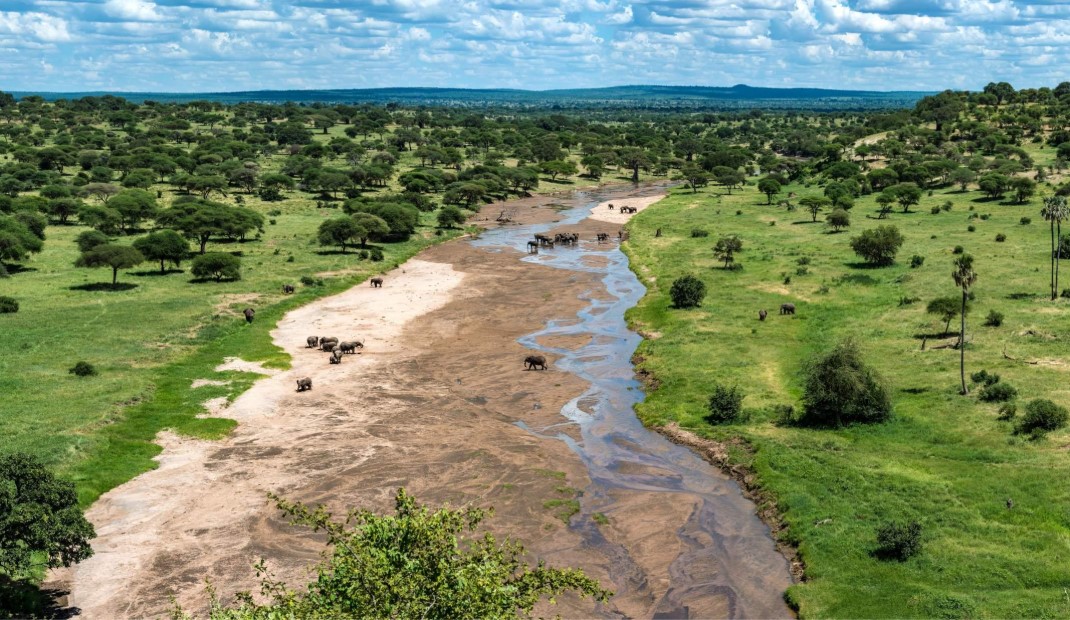
Image suggestion: A large elephant family walking beneath baobab trees in Tarangire National Park.
Alt text: Elephant family seen during Tanzania safari cost Tarangire tours.
A Tarangire safari may cost approximately USD 250–450 per person for a shared day trip or USD 350–700 per person for a private day tour, depending on the group size and departure location.
Multi-day packages that combine Tarangire with other parks generally cost more:
| Tarangire tour option | Estimated price per person |
|---|---|
| Shared Tarangire day trip | USD 250–450 |
| Private Tarangire day trip | USD 350–700 |
| Two-day Tarangire and Ngorongoro safari | USD 500–900 |
| Three-day Tarangire, Ngorongoro and Manyara tour | USD 650–1,200 |
| Four-day Tarangire, Serengeti and Ngorongoro safari | USD 850–1,600 |
| Five-day northern Tanzania safari | USD 1,050–2,200 |
| Luxury Tarangire safari | From USD 800 per person per day |
These are planning estimates rather than fixed quotations. Prices vary with season, group size, accommodation, vehicle arrangement and current government fees. Tanzania National Parks publishes its current tariffs online, so travelers should request a personalized quotation based on their exact travel dates. Check the official TANAPA park tariffs.
Several elements influence the final price of your Tarangire safari. Understanding them makes it easier to compare packages fairly.
A shared safari allows several travelers to divide the cost of the vehicle and guide. It is usually the most economical choice for solo travelers and couples.
On our standard shared safaris, guests travel in a specially equipped 4×4 safari vehicle. Group sizes are kept manageable, and each traveler is given a window seat whenever the vehicle arrangement permits.
A private safari gives you exclusive use of the vehicle and a dedicated professional guide. It is more expensive for one or two travelers, but the cost per person decreases when four, five or six people travel together.
Private Tarangire tours provide:
Vehicle, guide and transfer expenses are divided among the members of the group. Therefore, a private safari for six travelers usually has a lower per-person price than an identical private trip for two.
Children may qualify for reduced park fees and accommodation rates depending on their age. Families should provide the age of every child when requesting a quotation.
A one-day Tarangire safari is affordable because it does not require overnight accommodation. However, an overnight tour offers more time in the park and allows travelers to explore areas farther from the main entrance.
Longer trips require additional park fees, meals, guide services, accommodation and vehicle usage. They also provide a more complete experience, particularly when Tarangire is combined with Serengeti and Ngorongoro.
Accommodation is one of the largest variables in the Tanzania safari cost for Tarangire tours.
Camping safaris are the most affordable. Guests normally stay at a public campsite with tents, mattresses and shared bathroom facilities. A safari chef prepares meals.
Budget lodges offer simple rooms and essential services. Some properties are located outside the park, helping reduce the overall price.
Mid-range lodges and tented camps provide comfortable beds, private bathrooms, restaurant service and an authentic safari atmosphere. This is the most popular category for couples and families.
Luxury camps and lodges offer premium rooms, excellent locations, personalized service and high-quality dining. Some overlook the Tarangire River, seasonal wetlands or wildlife-rich plains.
Accommodation inside the national park may reduce morning driving time but can cost more because of premium room rates and applicable concession or overnight fees.
Safari prices are often higher during Tanzania’s peak travel periods. From approximately June to October, dry conditions bring many animals toward permanent water sources, including the Tarangire River. This makes the park especially attractive for wildlife viewing.
The green season, particularly from November through May, offers lush scenery, migratory birds and fewer visitors. Some camps provide reduced rates during parts of this period.
The festive season around Christmas and New Year can also attract premium prices. Booking early is strongly recommended for July through October and the December holiday period.
A professionally organized package normally includes the major services required for the safari.
Our packages may include:
Every quotation should be checked carefully because inclusions vary between day trips, camping safaris and lodge packages.
The following items are generally not included unless specifically mentioned:
Clearly separating inclusions from exclusions helps travelers compare prices accurately. A very cheap quotation may exclude important costs such as park fees, transfers or accommodation.
Tarangire is officially recognized for its large elephant herds and iconic baobab scenery. The Tarangire River serves as an essential water source, especially as surrounding areas become drier. Explore Tarangire with Tanzania National Parks.
The park covers approximately 2,850 square kilometres and lies around 118 kilometres southwest of Arusha. It forms an important part of Tanzania’s northern safari circuit and can be reached in approximately two to three hours by road, depending on traffic and the departure point.
Tarangire is one of Tanzania’s most celebrated elephant destinations. Visitors may see elephants walking across open plains, drinking beside the river or resting under acacia and baobab trees.
Elephant sightings can be particularly impressive during the dry season, when wildlife gathers near reliable water sources. Families may include playful calves, protective mothers and large adult bulls.
The enormous baobab trees give Tarangire a distinctive appearance. Their thick trunks and unusual branches create excellent backgrounds for wildlife photography.
Baobabs also play an important ecological role by providing shelter and food for birds, insects and mammals. Their ability to store moisture helps them survive the region’s long dry periods.
Although elephant encounters are a major attraction, Tarangire supports many other animals. Depending on the season and luck, visitors may see:
No responsible operator can guarantee individual wildlife sightings. However, an experienced guide understands animal behavior, habitats and seasonal movement patterns, improving the quality of every game drive.
The Tarangire River is the park’s central natural feature and an important lifeline for wildlife. During the dry season, animals are frequently found along the riverbanks or moving between feeding grounds and water. Learn about the Tarangire River.
Silale Swamp is a broad wetland area in the southern part of the park. It can attract elephants, buffaloes, waterbirds and predators. Reaching this quieter region generally requires more time, making it better suited to overnight or multi-day Tarangire tours than rushed day trips.
Your guide collects you from your hotel in Arusha early in the morning. After a short briefing, you travel southwest toward Tarangire National Park.
The drive usually takes approximately two to three hours. Along the way, you may see rural communities, farms and the changing landscape of northern Tanzania.
After completing the entrance procedure, you begin your game drive through baobab-dotted savannah and acacia woodland.
Your guide follows productive game-viewing routes based on recent wildlife movements. You may encounter elephants, giraffes, zebras, wildebeest, antelopes and predators.
Lunch is usually served at a designated picnic site inside the park. You will then continue exploring the river area, woodlands or seasonal wetlands.
The afternoon game drive continues as your guide searches for additional wildlife. Later, you leave the national park and return to Arusha, arriving in the early evening.
The exact schedule can change according to road conditions, park regulations and wildlife activity.
Image suggestion: A safari Land Cruiser beneath a baobab tree.
Alt text: Private Tarangire tour included in Tanzania safari cost.
This is one of the best short Tanzania safari combinations.
Depart Arusha in the morning and enjoy a full Tarangire game drive. Afterward, travel to a lodge or campsite near Lake Manyara, Mto wa Mbu or Karatu.
After breakfast, drive to the Ngorongoro Conservation Area and descend into the crater for a game drive. The crater supports an exceptional concentration of wildlife in a dramatic volcanic setting.
Later in the afternoon, return to Arusha.
This itinerary is suitable for travelers with limited time who want to experience two very different wildlife environments.
A three-day safari commonly combines:
This route offers elephant viewing, diverse landscapes, the Ngorongoro ecosystem and a compact introduction to Tanzania’s northern parks.
Travelers seeking more time in major wildlife areas may instead choose Tarangire, Serengeti and Ngorongoro, although the driving distances are longer.
A four-day safari is one of the most popular options for first-time visitors.
A typical route includes:
This itinerary combines Tarangire’s elephants and baobabs with the Serengeti plains and Ngorongoro’s wildlife-rich crater.
Tarangire can be visited throughout the year, but every season offers a different experience.
The dry season is popular because animals concentrate around water sources. Vegetation becomes thinner, which can make wildlife easier to locate.
Advantages include:
Demand is high, so popular lodges should be booked early.
The short rains begin transforming the landscape. Conditions become greener, birdlife is excellent and visitor numbers may be lower than during the main dry season.
Rain normally occurs in showers rather than continuously, although weather cannot be guaranteed.
These months can offer beautiful landscapes, good resident wildlife viewing and excellent birding. They also combine well with journeys toward the southern Serengeti and Ndutu region during the wildebeest calving season.
The long-rain period often offers quieter parks and reduced accommodation prices. The scenery is lush and atmospheric, but some tracks can become muddy and selected seasonal camps may close.
Your ideal choice depends on budget and travel style.
| Shared Tarangire safari | Private Tarangire safari |
|---|---|
| Lower per-person cost | Greater flexibility |
| Meet other travelers | Exclusive vehicle |
| Fixed route and schedule | Personalized itinerary |
| Suitable for solo travelers | Excellent for couples and families |
| Limited photography flexibility | More time at preferred sightings |
| Set departure requirements | Choice of departure time |
If price is your main concern, a shared tour is usually appropriate. If privacy, flexibility and photography are more important, choose a private safari.
Yes. Tarangire is close enough to Arusha for a rewarding day trip and provides an opportunity to see impressive wildlife without paying for overnight accommodation.
However, a day trip usually concentrates on the northern portion of the park. Travelers who want to explore quieter southern locations, such as the Silale Swamp area, should consider staying for at least one night.
An overnight stay also allows more relaxed morning and afternoon game drives.
A well-designed safari does not need to be excessively expensive. You can reduce the cost by:
The cheapest package is not always the best value. Consider vehicle quality, guide experience, included fees, accommodation standards and customer support.
Kilipath African Safaris is based in Arusha and specializes in customized Tanzania wildlife experiences. We plan every itinerary according to the traveler’s budget, preferred accommodation and available time.
When you book with us, you benefit from:
We can arrange a simple Tarangire day trip or incorporate the park into a complete Tanzania safari and Zanzibar holiday.
Bring lightweight, comfortable clothing in neutral colors. Dark blue and black clothing may attract tsetse flies in some areas, so beige, khaki, brown and light green are preferable.
Recommended items include:
Soft-sided luggage is preferable, particularly on shared safaris or itineraries involving domestic flights.
Walk beneath ancient baobabs, watch elephants gathering near the Tarangire River and discover one of northern Tanzania’s most distinctive landscapes.
Whether you want an affordable shared day trip, a private family safari or a complete Tarangire–Serengeti–Ngorongoro adventure, Kilipath African Safaris can design the right package for you.
Contact Kilipath African Safaris today for an accurate Tarangire safari price and a personalized itinerary.
Planning a budget Ngorongoro Crater safari holiday from Arusha? Compare a crater day trip, a two-day Tarangire and Ngorongoro safari, or a…
Read articleA Lake Manyara safari can cost USD 150–220 per person for a shared day trip from Arusha. A published example of a…
Read articleA Tanzania safari from Zanzibar can mean a short mainland trip during your beach holiday or a complete package with flights, game…
Read articleLooking for a group Tanzania safari price from Kilipath African Safaris? A published example for our four-day shared camping safari through Tarangire,…
Read article

