
Nyerere Tanzania Wildlife Safari Guide
A Nyerere Tanzania wildlife safari can take you from a woodland game drive in the morning to a boat on the Rufiji…
Read articleArusha City - Tanzania
Safari & Travel Tips
August 28, 2026 · 9 min read
Capture Tanzania’s extraordinary wildlife, dramatic landscapes, and unforgettable safari moments with a professional photography Tanzania safari tour operator. Kilipath African Safaris creates specialized photographic safaris for professional photographers, content creators, filmmakers, and travelers who simply love taking beautiful wildlife photographs.
Unlike an ordinary safari, a photography safari gives you more time at sightings, better vehicle positioning, flexible schedules, and an experienced guide who understands the importance of light, composition, animal behavior, and patience.
Whether you want to photograph the Great Migration in Serengeti, elephants beneath ancient baobab trees in Tarangire, predators on the Ngorongoro Crater floor, or newborn wildebeest in Ndutu, we can design a private Tanzania photography safari around your interests.
Successful wildlife photography requires much more than seeing animals. You need a guide who can anticipate animal behavior, position the safari vehicle carefully, and give you enough time to capture the right moment.
Our photography safaris provide:
We avoid rushing photographers from one sighting to another. When the conditions are right, your guide can remain at a location so you can observe, compose, and photograph the scene properly.
A standard safari usually follows a fixed daily schedule and focuses on seeing as many animals as possible. A photography safari prioritizes the quality of each sighting.
Your itinerary may include early-morning departures when the light is soft and predators are active. You may spend longer photographing a pride of lions, wait for an elephant herd to approach a water source, or position the vehicle carefully for a clean background.
Photography safaris also consider:
These details make a major difference, especially when using long telephoto lenses or creating professional wildlife content.
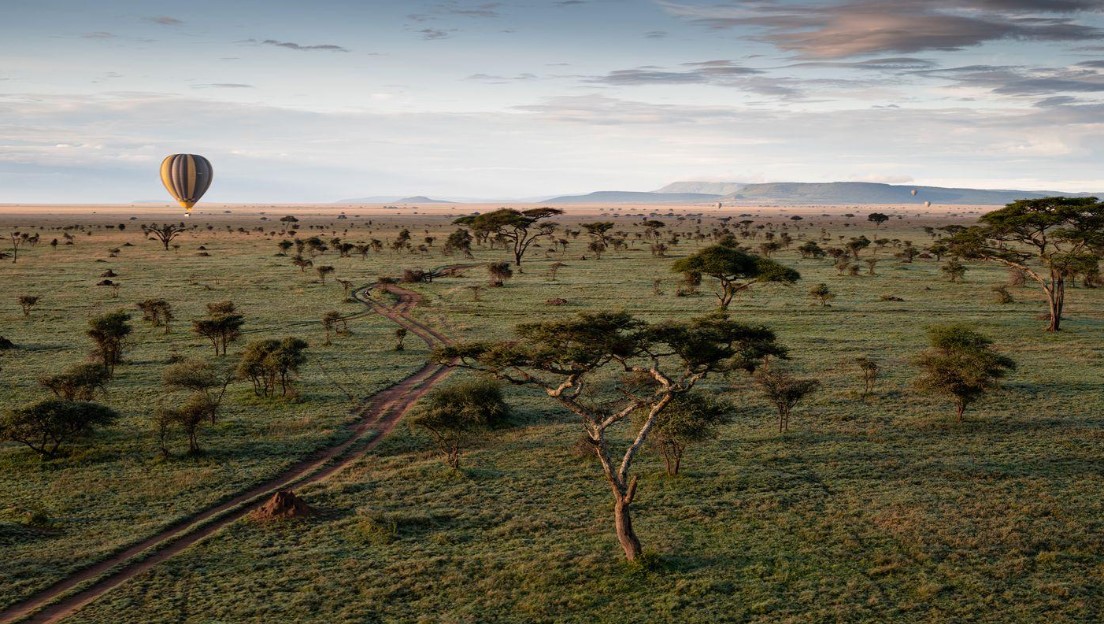
Serengeti is Tanzania’s most famous wildlife photography destination. Its open plains create excellent visibility and clean backgrounds for photographing lions, cheetahs, leopards, elephants, giraffes, hyenas, and large herds of grazing animals.
The park is also home to the Great Wildebeest Migration. Depending on the season, photographers may witness calving, predator action, herd movements, or dramatic river crossings.
Central Serengeti offers reliable wildlife photography throughout the year. The Seronera region is particularly famous for big cats, including lions, leopards, and cheetahs.
Northern Serengeti is the preferred location for photographing the Great Migration river crossings, normally between July and October. Large herds gather near the Mara River before attempting to cross.
Crossings cannot be guaranteed because they depend entirely on wildlife movement. A private safari with several nights in Northern Serengeti provides a better opportunity to wait patiently for the action.
Ndutu is an outstanding destination during the wildebeest calving season, especially from January through March. Thousands of calves are born across the southern Serengeti and Ngorongoro ecosystem.
The concentration of newborn animals attracts lions, cheetahs, hyenas, and other predators. This creates exceptional opportunities for action and behavioral photography.
The Ngorongoro Crater offers an extraordinary concentration of wildlife within a relatively small area. Photographers may encounter lions, elephants, buffaloes, zebras, wildebeest, hippos, flamingos, and, with luck, black rhinos.
The crater walls and changing weather conditions create dramatic backgrounds. Early-morning light, mist, and clouds can produce beautiful landscape photographs before descending to the crater floor.
Tarangire is famous for its large elephant herds and ancient baobab trees. During the dry season, animals gather around the Tarangire River, providing excellent opportunities for wildlife interaction and environmental portraits.
The combination of elephants, baobabs, seasonal swamps, and golden light makes Tarangire particularly rewarding for photographers.
Lake Manyara offers forest, lake, wetland, and escarpment scenery. It is a suitable destination for photographing monkeys, baboons, elephants, giraffes, waterbirds, and landscapes.
The park can be especially interesting for travelers who want more variety in their photographic portfolio.
Nyerere is an excellent choice for photographers seeking a quieter Southern Tanzania experience. It offers game drives, boat safaris, and opportunities to photograph elephants, lions, wild dogs, hippos, crocodiles, and waterbirds.
Boat safaris provide a different photographic perspective that is unavailable in most Northern Circuit parks.
Ruaha is known for rugged wilderness, dramatic landscapes, large elephant populations, lions, leopards, and African wild dogs. It receives fewer visitors than Serengeti, allowing photographers to enjoy quieter sightings and more natural compositions.
We strongly recommend a private safari for photography-focused travelers. A private vehicle gives you control over the daily schedule, vehicle position, and time spent at each sighting.
For the best experience, we normally recommend two to four photographers per vehicle. This provides enough space for camera bags, long lenses, bean bags, and comfortable movement between shooting positions.
Every photographer can have access to a window position and the vehicle’s pop-up roof. Solo photographers and couples can also reserve an entirely private vehicle.
Your guide is one of the most important parts of your safari. Our guides understand wildlife behavior and know the best habitats for locating different species.
A knowledgeable guide can anticipate when a lion may move, where an elephant herd might cross, or how a cheetah could approach its prey. This allows the vehicle to be positioned carefully without disturbing the animals.
Our guides also understand that wildlife photographers sometimes need silence and patience. They will give you time to observe the scene instead of immediately driving to the next sighting.
Every photographer has different interests. Some visitors want big cats, while others prefer elephants, birds, landscapes, migration scenes, or cultural portraits.
We can customize your safari according to:
Professional photographers may prefer several nights in one area rather than changing accommodation every day. Spending more time in fewer destinations reduces driving and increases the opportunity to understand local wildlife patterns.
Arrive at Kilimanjaro International Airport, meet our representative, and transfer to your hotel in Arusha. Your safari guide can discuss the itinerary, equipment requirements, and photography priorities.
Drive to Tarangire National Park for your first game drive. Photograph elephant families, baobab trees, giraffes, zebras, and antelopes. Continue photographing until the evening light before transferring to your lodge.
Travel toward Serengeti through the Ngorongoro Conservation Area. Stop at selected viewpoints for landscape photography before entering Serengeti. Enjoy an afternoon game drive while traveling to your tented camp.
Depart early to photograph wildlife in the soft morning light. Search for lions, leopards, cheetahs, elephants, hyenas, and other animals. Your guide will select suitable areas according to recent wildlife activity.
Spend another complete day exploring Serengeti. Remaining in the same region provides more time to revisit productive locations and wait for special animal behavior.
Enjoy a final morning photography session in Serengeti before driving toward Ngorongoro. Arrive at your accommodation near the crater for dinner and overnight.
Descend into Ngorongoro Crater early in the morning. Photograph its diverse wildlife and dramatic landscape before returning to Arusha in the late afternoon.
The itinerary can be extended to include Ndutu, Northern Serengeti, Lake Natron, Ruaha, Nyerere, or Zanzibar.
Tanzania offers rewarding photography throughout the year, but each season creates different conditions.
This is an excellent period for the Ndutu calving season. Photographers can capture newborn wildebeest, large herds, predator activity, and dramatic skies.
The green season produces lush landscapes, colorful skies, fewer vehicles, and excellent bird photography. Rain is possible, but showers often create atmospheric and unusual images.
The dry season offers excellent general wildlife viewing. Vegetation becomes thinner, and animals gather near rivers and permanent water sources.
From approximately July to October, the migration may reach Northern Serengeti, creating opportunities to photograph the Mara River crossings.
Short rains transform the landscape from dry brown colors into fresh green scenery. Migrating herds begin moving toward the southern plains, while cloudy conditions can create soft, balanced light.
Your equipment will depend on your photography goals, but useful items include:
Safari vehicles have charging facilities, but photographers should still carry fully charged spare batteries. Backing up your photographs every evening is strongly recommended.
We offer budget, mid-range, luxury, and high-end accommodation options. Your accommodation can be selected according to its location, comfort, photographic surroundings, and proximity to the best game-drive areas.
Staying inside or close to a national park reduces morning travel time and can help you reach wildlife areas while the light is still favorable.
Accommodation options may include:
We can also request private bathrooms, family rooms, honeymoon arrangements, dietary requirements, and other special services.
Tanzania is home to more than 1,000 recorded bird species, making it an excellent destination for bird photographers. Depending on the habitat and season, you may photograph flamingos, hornbills, bee-eaters, kingfishers, eagles, vultures, storks, rollers, and many other species.
Bird-focused itineraries can include Tarangire, Lake Manyara, Arusha National Park, Lake Natron, Serengeti, Nyerere, and Ruaha.
Because bird photography requires patience and careful positioning, a private vehicle and specialized guide are highly recommended.
We believe that successful photography should never come at the expense of animal welfare. Our guides follow park regulations and maintain respectful distances from wildlife.
We do not chase animals, block their movement, surround sensitive wildlife, or interfere with hunting behavior. Flash photography should be avoided when it could disturb animals, particularly during night activities.
Ethical photography protects Tanzania’s wildlife while producing more natural and meaningful images.
A customized photography safari can include:
International flights, visas, travel insurance, tips, alcoholic drinks, personal expenses, and optional activities are generally excluded unless specifically mentioned in your quotation.
Your best wildlife photograph may require good timing, careful positioning, patience, and an experienced safari team. Kilipath African Safaris will help you plan an itinerary that gives you the time and flexibility necessary to capture Tanzania’s remarkable wildlife.
Tell us your travel dates, number of travelers, preferred parks, accommodation level, and photography interests. We will prepare a personalized itinerary and quotation for your Tanzania photography safari.
Contact Kilipath African Safaris today and begin planning a private photography adventure designed around the images you want to capture.
Safari & Travel Tips

Safari & Travel Tips Nov 24, 20265 min read
A Nyerere Tanzania wildlife safari can take you from a woodland game drive in the morning to a boat on the Rufiji…
Read article
Safari & Travel Tips Nov 24, 20266 min read
Planning a Tanzania safari that combines Lake Manyara National Park and Nyerere National Park is an excellent way to experience the country's…
Read article
Safari & Travel Tips Nov 24, 20265 min read
Discover Tanzania’s untamed wilderness without exceeding your travel budget. A budget Ruaha safari adventure offers incredible wildlife encounters, spectacular landscapes, authentic African…
Read article
Safari & Travel Tips Nov 24, 20268 min read
A Nyerere Tanzania wildlife safari offers an extraordinary opportunity to discover one of Africa's most spectacular wilderness destinations. From magnificent elephants and…
Read article