

Budget Ngorongoro Crater Safari Holiday
Planning a budget Ngorongoro Crater safari holiday from Arusha? Compare a crater day trip, a two-day Tarangire and Ngorongoro safari, or a…
Read articleArusha City - Tanzania
Safari & Travel Tips
August 28, 2026 · 10 min read
A Tanzania safari does not need to be extremely expensive. With the right itinerary, accommodation category, and travel dates, visitors can explore remarkable destinations such as Serengeti National Park, Ngorongoro Crater, Tarangire National Park, and Lake Manyara while keeping their costs manageable.
An affordable Tanzania safari itinerary normally combines shared or private transportation, budget camping or mid-range accommodation, park fees, meals, drinking water, and the services of a professional safari guide. The ideal itinerary depends on your available time, budget, preferred comfort level, and wildlife interests.
One of the best affordable itineraries is a four-day Northern Circuit safari covering Tarangire, Serengeti, and Ngorongoro Crater. These destinations provide excellent wildlife diversity without requiring domestic flights or long extensions into remote areas.
A typical itinerary includes:
Travelers with five days can add Lake Manyara National Park or enjoy additional time in the Serengeti.
Your safari begins with collection from your hotel in Arusha. After meeting your professional guide, you travel toward Tarangire National Park.
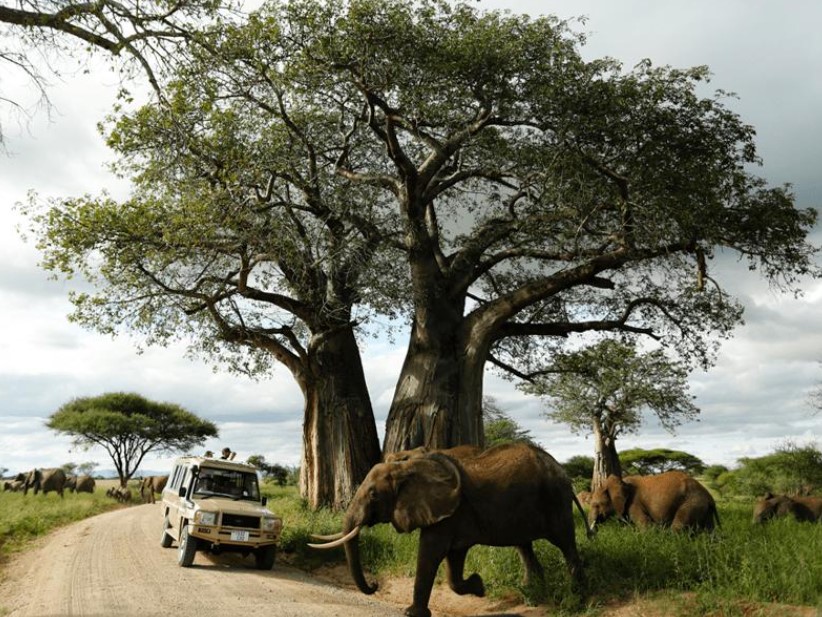
Tarangire is famous for its ancient baobab trees, large elephant populations, and the Tarangire River. During the dry season, the river attracts zebras, wildebeests, giraffes, buffaloes, antelopes, and predators.
You will enjoy a game drive and lunch inside or near the park. In the late afternoon, you continue to a budget camp or lodge near Tarangire, Mto wa Mbu, or Karatu.
After breakfast, you travel through the beautiful highlands of the Ngorongoro Conservation Area toward Serengeti National Park.
The journey provides remarkable views and opportunities to observe wildlife. After entering the Serengeti, you begin a game drive across its open plains.
The Serengeti supports lions, elephants, cheetahs, leopards, hyenas, giraffes, buffaloes, and enormous herds of grazing animals. Depending on the season and itinerary, you may also encounter parts of the Great Wildebeest Migration.
Dinner and overnight are provided at a public campsite, budget tented camp, or mid-range safari lodge.
Begin the day with an early Serengeti game drive when predators and other animals are particularly active. Morning light also creates excellent conditions for wildlife photography.
After breakfast or a picnic lunch, continue exploring the Serengeti before traveling toward Ngorongoro.
Depending on your package, you may stay at a campsite on the crater rim or at a lodge in the Ngorongoro Highlands or Karatu. Staying on the crater rim can offer magnificent views, while accommodation in Karatu is generally warmer and more affordable.
After an early breakfast, descend approximately 600 metres into Ngorongoro Crater. This UNESCO World Heritage Site contains one of Africa’s greatest concentrations of wildlife.
During your game drive, you may see lions, elephants, buffaloes, hippos, zebras, wildebeests, hyenas, and many species of birds. The crater is also one of Tanzania’s better locations for potentially spotting the endangered black rhinoceros.
Following lunch and the afternoon game drive, ascend from the crater and return to Arusha. Arrival is generally in the late afternoon or early evening.
Travelers who have an additional day can follow this route:
This is one of the best affordable Tanzania safari itineraries because it provides more time in the Serengeti without significantly increasing transportation costs.
Another five-day option includes Lake Manyara:
Tarangire is an excellent first destination because it is relatively close to Arusha. It is particularly famous for elephants, baobab trees, and diverse birdlife.
The Serengeti is Tanzania’s most celebrated safari destination. Its endless grasslands provide exceptional opportunities to observe predators and grazing animals.
Ngorongoro offers outstanding wildlife viewing within a relatively compact area. It is an excellent destination for travelers hoping to encounter several members of the Big Five.
Lake Manyara is suitable for travelers with an additional day. Its landscape includes groundwater forest, open plains, wetlands, and views of the Rift Valley escarpment.
Safari prices depend on the itinerary, season, number of travelers, accommodation standard, and whether the experience is shared or private.
Budget camping is generally the least expensive option. Shared safaris also reduce costs because transportation and guide expenses are divided among several guests.
Mid-range safaris cost more but normally provide private rooms, comfortable beds, and en-suite bathrooms. Private safaris offer greater flexibility but become more affordable when the vehicle cost is shared by two or more travelers.
Your quotation should clearly explain whether the following are included:
International flights, visas, travel insurance, tips, alcoholic beverages, and optional activities are commonly excluded.
Budget camping provides the lowest price and a more adventurous experience. Guests normally sleep in tents at public campsites, where toilets and showers are shared. Camping equipment, mattresses, sleeping bags, and meals prepared by a safari chef may be included.
An affordable lodge safari offers additional privacy and comfort. Rooms generally have private bathrooms and proper beds. Some packages combine lodges with one night of camping to balance comfort and price.
Choose camping if you value adventure and savings. Choose budget or mid-range lodges if privacy, restful sleep, and private bathroom facilities are important to you.
The green season, particularly parts of April, May, and November, can provide lower accommodation prices. Parks may be quieter, landscapes are green, and birdwatching is excellent.
However, rain can affect road conditions, and some remote camps may close temporarily. Travelers should discuss seasonal conditions with their tour operator before booking.
June through October and late December through February are popular safari periods. Prices and accommodation demand may be higher during these months.
Yes, but sightings depend on the season and location of the herds. The Great Migration is a continuous natural movement, so it cannot be guaranteed at one exact place.
Central Serengeti is accessible throughout the year and can be included in an affordable driving itinerary. Northern Serengeti river-crossing safaris and remote Ndutu migration programs may cost more because they require additional driving, specialized accommodation, or domestic flights.
Ask your operator where the herds are normally expected during your travel month before selecting an itinerary.
You can make your safari more affordable by:
Do not automatically select the cheapest quotation. Confirm that park fees, accommodation, meals, transportation, and taxes are included.
Three days are enough for a short Serengeti and Ngorongoro safari, although the driving schedule can be busy.
Four days provide a better balance and allow travelers to visit Tarangire, Serengeti, and Ngorongoro. Five or six days are recommended for a more relaxed itinerary and longer wildlife-viewing opportunities.
Visitors with only two days can combine Tarangire and Ngorongoro Crater, but they will not have enough time to reach the central Serengeti comfortably.
Most Tanzania safaris use specially modified 4x4 Land Cruisers with pop-up roofs. These vehicles are suitable for rough roads and provide elevated wildlife-viewing opportunities.
Depending on the operator, the vehicle may include:
Confirm the maximum number of travelers allowed in the vehicle before reserving a shared tour.
Most organized safari packages include breakfast, lunch, and dinner during the tour. Lunch may be served as a picnic or hot meal, depending on the itinerary and operator.
Drinking water is usually supplied in the vehicle. Alcoholic beverages and specialty drinks may cost extra.
Vegetarian, vegan, gluten-free, halal, and other dietary requirements can normally be arranged when communicated before arrival.
A professionally organized Tanzania safari is generally safe. Guests should follow their guide’s instructions and avoid leaving the vehicle in unauthorized areas.
Choose an operator that provides clear company details, experienced guides, properly maintained vehicles, transparent payment terms, and written booking conditions.
Travel insurance covering medical emergencies, trip cancellation, lost luggage, and evacuation is strongly recommended.
Travel insurance is highly recommended, even when it is not compulsory. Your policy should ideally cover:
Check the policy carefully because coverage conditions differ between insurance companies.
Pack light, comfortable clothing in neutral colors such as beige, brown, khaki, and green.
Useful items include:
Ngorongoro mornings and evenings can be cold, so warm clothing is important even when visiting during Tanzania’s dry season.
Yes. Travelers staying in Zanzibar can fly to Arusha, Kilimanjaro, or directly into the Serengeti.
The most affordable option is often to fly from Zanzibar to Arusha and begin a road safari. Direct flights into Serengeti reduce driving time but normally increase the total package price.
When comparing options, consider the cost of flights, transfers, park fees, and the number of safari days available.
Yes. Many visitors combine a four- or five-day safari with a beach holiday in Zanzibar. The safari can be arranged before or after the island stay.
A common combination is:
Booking the safari and Zanzibar flights early is particularly important during high season.
Yes. A private safari is generally the most comfortable option for families because it provides flexible departure times, private use of the vehicle, and control over rest stops.
Some lodges have age restrictions, while certain activities are unsuitable for very young children. Parents should confirm accommodation rules and request family rooms in advance.
Booking three to six months before arrival is recommended. Travelers planning to visit during July, August, September, Christmas, New Year, or the February calving season should reserve even earlier.
Early booking provides a wider selection of affordable lodges and camps. Last-minute booking is possible, but the best-value accommodations may already be full.
The standard booking process includes:
Before paying, verify the company name, payment account, itinerary, accommodation, and total price.
Planning a budget Ngorongoro Crater safari holiday from Arusha? Compare a crater day trip, a two-day Tarangire and Ngorongoro safari, or a…
Read articleA Lake Manyara safari can cost USD 150–220 per person for a shared day trip from Arusha. A published example of a…
Read articleExplore Ruaha National Park’s baobab country on a guided safari built around your dates, group size and budget. Spend your game drives…
Read articleA Nyerere Tanzania wildlife safari can take you from a woodland game drive in the morning to a boat on the Rufiji…
Read article

