

Budget Ngorongoro Crater Safari Holiday
Planning a budget Ngorongoro Crater safari holiday from Arusha? Compare a crater day trip, a two-day Tarangire and Ngorongoro safari, or a…
Read articleArusha City - Tanzania
Safari & Travel Tips
August 28, 2026 · 12 min read
A Tanzania safari tour Serengeti holiday is one of the most extraordinary wildlife experiences in Africa. It combines sweeping savannah landscapes, abundant wildlife, exciting game drives, beautiful safari lodges, and the opportunity to witness the world-famous Great Migration.
The Serengeti is Tanzania’s best-known national park and one of the most celebrated safari destinations in the world. Its name comes from the Maasai word Siringit, meaning “the place where the land runs forever.” Once you enter the park, it is easy to understand why. Golden plains stretch toward the horizon while zebras, wildebeest, elephants, giraffes, lions, cheetahs, and countless other animals move through this immense wilderness.
Whether you are organizing your first African safari, a honeymoon, a photography expedition, or a family adventure, this guide will help you plan the perfect Serengeti holiday.
Serengeti National Park offers much more than a chance to see wild animals. It gives travelers an opportunity to experience one of the world’s most complete natural ecosystems.
The park covers approximately 14,750 square kilometers and forms part of the larger Serengeti ecosystem, which extends into Kenya’s Maasai Mara. Its varied habitats include open grasslands, rocky kopjes, acacia woodlands, river valleys, and seasonal wetlands.
Travelers choose a Tanzania safari tour Serengeti holiday for several important reasons:
The Serengeti is suitable for different travelers and budgets. You can join an affordable group camping safari, arrange a private mid-range tour, or enjoy an exclusive fly-in luxury holiday.
Wildlife is the main attraction of every Serengeti safari. The park supports an extraordinary variety of mammals, birds, reptiles, and smaller creatures.
The Serengeti is home to four of the traditional Big Five: lions, leopards, elephants, and buffaloes. Black rhinos are also present, although they are rare and usually difficult to find.
Lions are particularly abundant. Travelers may see prides relaxing beneath acacia trees, walking across the plains, protecting cubs, or preparing to hunt. Leopards are more secretive and are often spotted resting in trees near rivers and wooded areas.
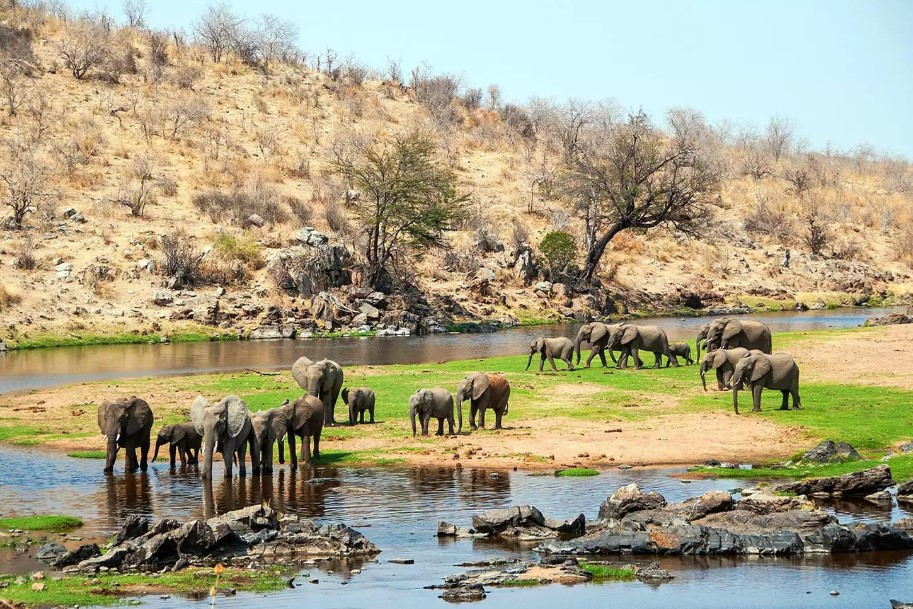
Elephants can be found in family groups, especially around woodland and permanent water sources. Buffaloes frequently gather in large herds, while rhinos are more commonly associated with protected areas in the Serengeti and the nearby Ngorongoro Crater.
The Serengeti is one of Africa’s finest destinations for predator sightings. In addition to lions and leopards, travelers may encounter:
Cheetahs prefer the open plains, where they can use their speed to hunt gazelles. Hyenas are skilled hunters as well as scavengers and play an essential role in the ecosystem.
Large numbers of herbivores support the Serengeti’s predator population. Common sightings include:
Each game drive is different because the animals move freely throughout the ecosystem.
The Great Migration is one of the main reasons travelers book a Tanzania safari tour Serengeti holiday. Approximately two million wildebeest, zebras, and gazelles move through the Serengeti ecosystem in search of fresh grass and water.
The migration is continuous, but its location changes throughout the year according to rainfall and grazing conditions. Because it is a natural event, exact dates and animal locations can never be guaranteed.
During the green season, large herds gather across the Southern Serengeti and Ndutu plains. The short grass provides nutritious food and excellent visibility.
The calving season usually reaches its peak between January and February. Thousands of wildebeest calves can be born within a short period, attracting lions, cheetahs, hyenas, and other predators.
This is an excellent season for wildlife photography, predator activity, and dramatic natural encounters.
As the southern plains begin to dry, the herds move north through the Central Serengeti. Some animals continue toward the Western Corridor.
The migration may form long columns stretching across the plains. River crossings can sometimes occur around the Grumeti River, although their timing depends on rainfall.
Between July and October, many herds reach the Northern Serengeti. This period is known for possible crossings of the Mara River.
River crossings are unpredictable. Travelers may wait for hours or days before the animals decide to cross. When a crossing happens, it can be one of the most powerful wildlife spectacles in Africa.
Following seasonal rains, the herds gradually move from northern areas toward the Central and Southern Serengeti. November can offer rewarding wildlife viewing with fewer visitors than the main peak months.
The Serengeti is a year-round safari destination. The best month depends on the experience you want.
This is Tanzania’s dry season. Vegetation becomes thinner, animals concentrate around water, and wildlife can be easier to locate.
Advantages include:
Because it is a popular travel season, lodges and camps can fill quickly. Early reservations are highly recommended.
This period is ideal for travelers interested in the Southern Serengeti, Ndutu, calving season, green scenery, and predator activity.
January and February are especially popular, so accommodations close to the migration should be reserved early.
These are generally the wettest months. Some travelers avoid this period, but it can still offer beautiful scenery, fewer vehicles, excellent birding, and attractive seasonal prices.
Road conditions can be more challenging, and some seasonal camps close temporarily.
November usually brings short rains. The landscape starts becoming green, visitor numbers may be lower, and wildlife viewing remains rewarding.
Understanding the different regions will help you choose the right itinerary.
The Central Serengeti, particularly the Seronera Valley, is one of the park’s most reliable year-round wildlife areas. It contains permanent water and varied habitats that support resident animals.
It is especially well known for lions, leopards, cheetahs, elephants, hippos, giraffes, and abundant birdlife. Central Serengeti is an excellent choice for first-time visitors.
The southern plains are associated with the migration’s calving season. This region is most productive from December through March.
Ndutu lies within the Ngorongoro Conservation Area and connects naturally with the Serengeti ecosystem. Mobile camps often operate here during the migration season.
The Western Corridor follows the Grumeti River and includes woodland, grassland, and riverine habitats. Migration herds may pass through this region from approximately May to July.
The area is home to Nile crocodiles, hippos, elephants, buffaloes, predators, and many resident antelope species.
Northern Serengeti is remote, scenic, and generally quieter than the central region. It becomes particularly popular between July and October when migration herds may approach the Mara River.
Travelers should plan at least two or three nights in the north because of its distance from Central Serengeti.
This is a suitable option for travelers with limited time.
Day 1: Travel from Arusha to Serengeti National Park and enjoy an afternoon game drive.
Day 2: Morning game drive in the Serengeti, followed by travel toward the Ngorongoro Conservation Area.
Day 3: Descend into the Ngorongoro Crater for a game drive before returning to Arusha.
Although rewarding, this program includes substantial driving and limited time inside the Serengeti.
A four-day itinerary offers a more balanced experience.
Day 1: Arusha to Tarangire National Park
Day 2: Travel to Serengeti National Park
Day 3: Serengeti game drive and transfer toward Ngorongoro
Day 4: Ngorongoro Crater game drive and return to Arusha
This program combines elephants in Tarangire, the plains of Serengeti, and the concentrated wildlife of Ngorongoro.
Five days allow travelers to explore at a more comfortable pace.
Day 1: Tarangire National Park
Day 2: Transfer to Serengeti with an afternoon game drive
Day 3: Full-day Serengeti game drive
Day 4: Morning Serengeti safari and transfer to Ngorongoro
Day 5: Ngorongoro Crater and return to Arusha
An additional night in the Serengeti increases the chance of meaningful sightings and reduces the feeling of rushing between destinations.
A longer safari can include Tarangire, Lake Manyara, Central Serengeti, Ngorongoro, and a cultural experience. Seasonal itineraries may replace some destinations with Ndutu or Northern Serengeti.
Seven days are ideal for honeymooners, photographers, families, and travelers who want a relaxed journey.
Both options can provide an enjoyable experience, but they suit different travelers.
A private safari gives you exclusive use of a vehicle and guide. You can usually adjust departure times, spend longer at important sightings, and design the itinerary around your interests.
It is ideal for:
Private tours become better value when the cost is shared among several travelers.
A group safari allows travelers to share the vehicle and some operating costs. It is often the most affordable way for solo travelers or couples to visit the Serengeti.
Group tours follow fixed itineraries and schedules. Travelers should confirm the maximum number of passengers, accommodation standard, luggage allowance, and guaranteed departure status before booking.
Camping safaris offer an adventurous and affordable experience. Public campsites usually have shared toilets and showers.
A camping package normally includes tents, mattresses, sleeping bags, meals, a safari chef, park fees, and transportation. Facilities are simple, but sleeping close to the sounds of the wilderness can be unforgettable.
Mid-range tented camps provide a comfortable balance between price and experience. Rooms are normally built under canvas but include proper beds, private bathrooms, and showers.
Many camps offer restaurant tents, lounge areas, charging facilities, and warm hospitality. Some are permanent, while others move seasonally to remain close to the migration.
Luxury accommodation may include spacious suites, premium dining, private decks, swimming pools, elegant lounges, and highly personalized service.
Some luxury camps are located in secluded private areas, creating a more intimate experience. Fly-in packages can reduce driving time and maximize time in the wilderness.
Package inclusions vary, but a well-organized safari commonly covers:
Possible exclusions include international flights, visas, travel insurance, tips, alcoholic beverages, optional activities, and personal expenses.
Always examine the written inclusions before comparing prices. The cheapest quotation may exclude important park fees, transfers, meals, or accommodation services.
The price depends on:
Budget camping offers the lowest entry price. Mid-range safaris provide greater comfort, while luxury and fly-in tours cost more because of premium accommodations and air transfers.
When evaluating a price, consider overall value rather than choosing only the lowest figure. An experienced guide, reliable vehicle, carefully selected accommodation, sufficient game-drive time, and transparent inclusions can significantly improve your holiday.
Ngorongoro is one of the easiest additions to a Serengeti itinerary. Its crater floor supports lions, buffaloes, elephants, zebras, wildebeest, hippos, and many other animals.
Tarangire is famous for elephants, baobab trees, and beautiful river landscapes. It works particularly well as the first destination when driving from Arusha.
Lake Manyara offers groundwater forest, birdlife, primates, and views of the Rift Valley escarpment. It can be included in longer Northern Circuit itineraries.
After several days of early game drives and overland travel, Zanzibar provides an excellent place to relax. Travelers can enjoy beaches, Stone Town, spice tours, snorkeling, and cultural activities.
Domestic flights connect the Serengeti or Arusha region with Zanzibar, making a safari-and-beach holiday easy to arrange.
A balloon safari begins before sunrise and offers panoramic views over the plains. Flights normally last around one hour and often finish with a celebration and breakfast.
The activity requires advance booking, especially during peak season.
Some itineraries include visits to Maasai communities. A responsible cultural experience should be respectful, transparent, and beneficial to the participating community.
Private vehicles are especially valuable for serious photographers because they provide more control over positioning and time spent at sightings.
Bring spare batteries, memory cards, a protective camera bag, and a lens suitable for distant animals.
Recommended items include:
Temperatures can change considerably during the day. Dressing in layers makes it easier to remain comfortable.
Avoid packing only heavy or formal clothing. Safari lodges generally have relaxed dress codes.
Migration camps, luxury lodges, and popular mid-range properties can fill quickly during peak periods. Reserve early if you have fixed travel dates.
A rushed itinerary may involve long drives and short game drives. If possible, allocate at least two nights to the Serengeti.
For Northern Serengeti or Ndutu migration safaris, three or more nights in the relevant region can provide a better experience.
The migration is not permanently located in one part of the park. Match your travel dates with the most suitable Serengeti region.
Choose an established Tanzania safari company with clear contact information, written booking terms, secure payment methods, and transparent inclusions.
Comprehensive insurance should cover medical emergencies, evacuation, cancellation, delayed luggage, and unexpected itinerary disruption.
The Serengeti is a natural ecosystem, not a zoo. Guides use knowledge and experience to locate animals, but specific sightings and migration events cannot be guaranteed.
Responsible tourism helps protect wildlife and support surrounding communities.
Travelers should:
A good guide will prioritize safety, respect for nature, and the long-term protection of the environment.
Planning a budget Ngorongoro Crater safari holiday from Arusha? Compare a crater day trip, a two-day Tarangire and Ngorongoro safari, or a…
Read articleA Tanzania safari from Zanzibar can mean a short mainland trip during your beach holiday or a complete package with flights, game…
Read articleLooking for a group Tanzania safari price from Kilipath African Safaris? A published example for our four-day shared camping safari through Tarangire,…
Read articlePair game drives on Tanzania’s mainland with a few days on Zanzibar’s coast. With Kilipath African Safaris, you can start in Arusha…
Read article

