

Budget Ngorongoro Crater Safari Holiday
Planning a budget Ngorongoro Crater safari holiday from Arusha? Compare a crater day trip, a two-day Tarangire and Ngorongoro safari, or a…
Read articleArusha City - Tanzania
Safari & Travel Tips
August 31, 2026 · 16 min read
A Serengeti safari Ruaha experience combines two dramatically different sides of Tanzania into one unforgettable wildlife journey. The Serengeti represents the classic East African safari: immense grasslands, abundant predators, the Great Migration and some of Africa's most recognizable wildlife scenes. Ruaha offers something different—a vast, rugged wilderness of baobabs, rivers, miombo woodland, elephants and predator-rich landscapes where game drives can feel remarkably private.
Together, these destinations are particularly attractive to travelers who want more than a standard Tanzania safari. Instead of visiting several similar parks in a short itinerary, combining Serengeti and Ruaha allows you to experience the celebrated northern safari circuit and the quieter wilderness of southern Tanzania.
This guide explains how to organize a Serengeti safari Ruaha experience, what wildlife you can expect, when to travel, how many days you need, accommodation choices, transportation between the parks and how to design an itinerary that gives both destinations enough time.
Most first-time Tanzania safari itineraries focus exclusively on the northern circuit. Serengeti, Ngorongoro, Tarangire and Lake Manyara are relatively easy to combine by road.
Ruaha belongs to Tanzania's southern safari circuit and sits far away from the Serengeti. At first, this may seem inconvenient, but the distance is precisely what makes the combination interesting.
The two parks provide very different safari experiences.
Ruaha covers about 20,226 square kilometers, making it one of Tanzania's largest protected wilderness areas. TANAPA describes the park as an outstanding wilderness destination where the Great Ruaha River supports elephants, buffalo, lions, leopards, crocodiles and hippos.
A traveler who combines both parks therefore receives two contrasting versions of Tanzania rather than simply moving between similar landscapes.
The Serengeti is usually the more famous half of a Serengeti-Ruaha itinerary.
Its seemingly endless plains, abundant wildlife and annual wildebeest migration have made it one of Africa's best-known safari destinations.
The park should rarely be treated as a quick overnight stop when you're designing a premium itinerary. Its ecosystem is enormous, and different regions provide completely different experiences throughout the year.
A typical Serengeti game drive may include:
The wide plains provide particularly good opportunities for observing predator behavior.
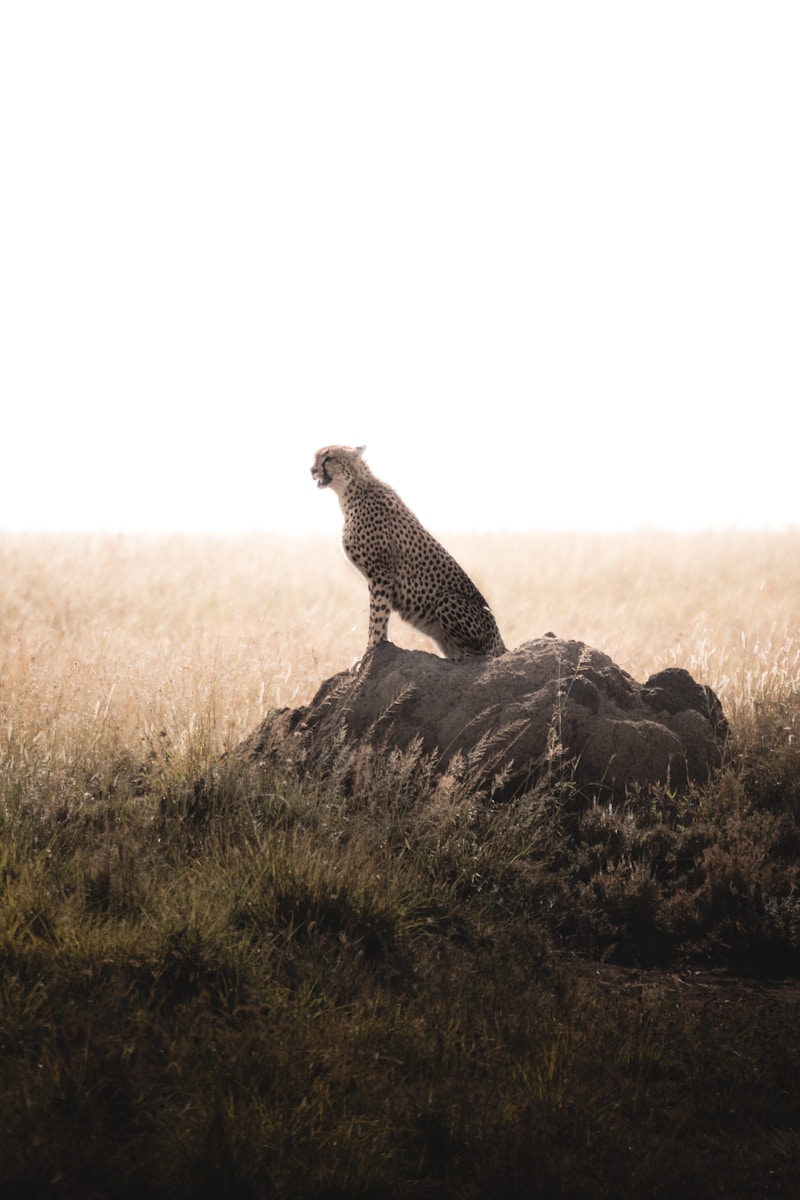
Lions may rest around rocky kopjes or follow large herbivore herds. Cheetahs use open plains to scan for gazelles, while leopards are often associated with riverine woodland and larger trees.
For photographers, the combination of open landscapes, golden light and relatively unobstructed wildlife viewing makes Serengeti especially rewarding.
Many people planning a Serengeti safari Ruaha experience are interested in seeing the Great Migration.
However, the migration is not permanently located in one section of the Serengeti.
Wildebeest and zebra move through the Serengeti ecosystem following seasonal rainfall and fresh grazing. The exact timing changes from year to year because nature does not follow a fixed calendar.
A simplified planning guide is:
| Period | Typical Migration Area |
|---|---|
| December–March | Southern Serengeti / Ndutu |
| April–May | Central and western movement |
| May–June | Western Corridor |
| July–October | Northern Serengeti / Mara River region |
| October–November | Herds gradually move south |
This means choosing the right accommodation is extremely important.
For example, travelers visiting in February specifically for the migration should generally concentrate on southern Serengeti and the Ndutu ecosystem rather than Northern Serengeti.
Those visiting in August or September and hoping for river-crossing opportunities generally need to spend more time in Northern Serengeti.
Migration sightings and river crossings can never be guaranteed.
If Serengeti represents Africa's famous safari landscapes, Ruaha represents its wilderness.
The park lies west of Iringa in south-central Tanzania and contains a striking mixture of:
TANAPA describes Ruaha's habitats as a combination of baobab-studded savanna, rocky kopjes and broad miombo woodland associated with the Great Ruaha, Mwagusi, Mdonya and Jongomero river systems.
This diversity helps explain why wildlife viewing here feels so different from the Serengeti.
Ruaha's strongest attraction is not simply the number of animals but the atmosphere surrounding sightings.
Game drives can travel through enormous stretches of wilderness with relatively little traffic.
Ruaha is particularly associated with elephants.
During the dry season, elephant herds frequently concentrate around river systems, springs and remaining water sources.
Watching elephants dig into sandy riverbeds for water or moving beneath giant baobabs is one of the defining experiences of a Ruaha safari.
TANAPA specifically highlights dry-season concentrations of elephants and buffalo around the Great Ruaha River and other river systems.
Ruaha is outstanding predator country.
Large lion prides inhabit the park, while leopards, cheetahs and spotted hyenas are also present.
One difference travelers often notice compared with busier safari destinations is the amount of space surrounding wildlife encounters.
Finding lions beside a river or under a baobab with only one or two safari vehicles nearby can make the observation feel particularly intimate.
African wild dogs are among the continent's most exciting predators to encounter.
They travel across large territories, so sightings cannot be guaranteed, but Ruaha is one of the Tanzanian destinations where visitors may encounter packs.
Their constantly changing movements make finding them especially rewarding.
TANAPA lists African wild dogs among Ruaha's notable wildlife and highlights the remote sectors of the park as areas where packs may range widely.
Greater kudu are one of Ruaha's signature animals.
Their large spiral horns and preference for woodland make them particularly striking.
Ruaha is also interesting because wildlife from East and Southern African ecosystems overlaps here.
Travelers who have already visited Serengeti may therefore encounter species in Ruaha that they are much less likely to have seen on the northern plains.
Serious safari enthusiasts often appreciate Ruaha for less common antelope species.
Sable and roan antelope occur within the park's woodland environments, although sightings require patience and good guiding.
For travelers returning to Africa after previous safaris, these species can be just as exciting as seeing another lion.
The Great Ruaha River is one of the defining features of the park.
During dry months, water becomes increasingly important, concentrating animals around permanent pools, sand-river seeps and other reliable sources.
This may produce excellent viewing of:
TANAPA describes the river as Ruaha's lifeline and notes that permanent pools and sand-river seeps attract elephants, predators and abundant birdlife, particularly during the dry season.
Although both destinations provide excellent wildlife safaris, they should not be viewed as interchangeable.
| Feature | Serengeti | Ruaha |
|---|---|---|
| Landscape | Open plains, kopjes and woodland | Rivers, baobabs, miombo and rugged wilderness |
| Famous for | Great Migration | Elephants, predators and wilderness |
| Safari traffic | Moderate to busy in famous areas | Generally lower |
| Lions | Excellent | Excellent |
| Cheetahs | Excellent | Possible |
| Leopards | Excellent | Excellent |
| Elephants | Good | Excellent |
| Wild dogs | Occasional | Important attraction |
| Greater kudu | Less important | Signature species |
| Migration | Major attraction | No Great Migration |
| Walking safari | More limited | Major complementary activity |
| Atmosphere | Classic African safari | Remote wilderness |
| Best suited to | First-time and returning visitors | Safari enthusiasts and repeat travelers |
The best part of combining them is that you do not have to choose between the two experiences.
The overall best period for combining Serengeti and Ruaha is usually June through October, particularly if wildlife concentration and generally drier conditions are your priorities.
Ruaha's peak visitor period is commonly June through October, and TANAPA recommends booking accommodation early during these months.
But the best month ultimately depends on what you want to see.
June marks the beginning of the drier safari season.
Ruaha vegetation gradually becomes less dense and wildlife starts concentrating around water.
In Serengeti, migration activity may occur toward the western or northwestern parts of the ecosystem depending on rainfall.
Advantages include:
July is one of Tanzania's classic safari months.
Ruaha becomes increasingly rewarding around the rivers.
Northern Serengeti starts becoming more important for migration-focused itineraries.
Expect:
Book well ahead.
August is excellent for combining Serengeti and Ruaha.
Northern Serengeti can provide exciting migration activity while Ruaha offers superb dry-season wildlife concentration.
It is particularly suitable for travelers who prioritize:
However, August is peak season and safari camps should generally be reserved early.
September may be one of the strongest months for a high-end Serengeti safari Ruaha experience.
Northern Serengeti remains important for migration activity, while Ruaha becomes increasingly dry.
Animals are strongly influenced by remaining water sources.
Photographers often appreciate:
October can still provide superb wildlife viewing.
Ruaha may become hot and very dry, but this can produce excellent wildlife concentration around available water.
Migration herds may still occupy northern Serengeti before beginning their movement south, depending on the rains.
Travel outside the traditional dry season can be rewarding.
Ruaha's landscapes become greener and dramatically different after rainfall.
Benefits can include:
Ruaha has hundreds of recorded bird species; TANAPA currently lists more than 570 species in its visitor information.
Road conditions can become more challenging during heavy rainfall, and 4x4 travel is recommended.
Because these parks are far apart, this combination should not be rushed.
This might include:
This gives enough time to enjoy each destination without constantly changing camps.
This allows multiple regions of Serengeti plus an extended stay in Ruaha.
Here is one practical example.
Arrive at Kilimanjaro International Airport and transfer to your hotel in Arusha.
The first evening should be relaxed.
Use the time for:
Overnight in Arusha.
Fly from Arusha toward Serengeti or travel as part of a longer northern-circuit route.
After arrival, meet your safari guide and begin your first game drive.
Central Serengeti is excellent for year-round resident wildlife.
Look for:
Overnight in a Serengeti tented camp or lodge.
Spend the entire day exploring.
A private safari provides flexibility to stay longer when interesting wildlife behavior develops.
You may choose an early departure so that you are already in the wilderness at sunrise.
Morning is particularly rewarding for predators.
Return to camp for lunch or take a picnic lunch and remain out all day.
Continue exploring either Central Serengeti or a seasonal migration area.
Your exact route should depend on your travel month.
For example:
Spending at least three nights inside the ecosystem gives your guide considerably more flexibility.
Transfer to the airstrip and fly south.
Depending on flight schedules, routing may involve connections.
Flying is generally the logical solution when combining these distant safari regions because road transfers would consume too much vacation time.
Arrive in Ruaha, meet your camp guide and begin an introductory game drive if time permits.
Overnight inside or near Ruaha National Park.
Leave after breakfast or very early in the morning.
Explore areas around river systems and wildlife-rich plains.
Possible sightings include:
Ruaha's larger distances mean patience is valuable.
Unlike safari areas where guides may simply drive between reported sightings, Ruaha rewards tracking and exploration.
Spend another full day exploring.
This is often when travelers begin to appreciate the difference between Ruaha and Serengeti.
The day may include long periods with no other safari vehicle in sight.
Stop at scenic viewpoints, investigate riverbeds and search wooded areas for less common species.
A guided walking safari can completely change how you experience Ruaha.
Instead of focusing only on large animals, you begin noticing:
TANAPA allows guided walking safaris in designated areas, and these activities must be undertaken through authorized operators/rangers.
Follow the ranger's instructions at all times.
Finish the afternoon with another game drive.
Enjoy a final morning activity before flying onward.
Many travelers continue to:
An ideal combination if you want to finish with several days on the beach.
Useful for international flight connections.
Experienced safari enthusiasts may continue to Nyerere or Katavi depending on time and budget.
In most cases, yes.
Serengeti is in northern Tanzania, whereas Ruaha is located in south-central Tanzania.
Trying to combine the two entirely by road would involve very long transfers and substantially reduce your game-viewing time.
Flying provides a much better safari experience.
Small safari aircraft connect bush airstrips with major hubs and other safari regions, although exact schedules vary by season and date.
Always design the itinerary around confirmed flight schedules rather than assuming a direct connection is available every day.
One reason to add Ruaha after Serengeti is that you can vary your safari activities.
4x4 game drives remain the main safari activity.
TANAPA identifies game driving as one of Ruaha's major visitor experiences.
Morning game drives are ideal for predator activity.
Late-afternoon drives provide beautiful light and cooler temperatures.
Walking safaris provide a much more intimate experience.
You are not simply trying to reach elephants or lions.
Instead, your guide teaches you to understand the ecosystem.
Walking may focus on:
For experienced safari travelers, walking can become one of the highlights of the entire journey.
Ruaha is excellent for birdwatchers because East African and southern species overlap.
Different habitats support:
Dedicated birders should consider spending at least four nights in Ruaha.
Ruaha offers very different images from Serengeti.
Classic photographic subjects include:
Meanwhile Serengeti provides:
Combining them creates an unusually varied photography portfolio.
Your accommodation has a major influence on the safari.
Budget choices may involve simpler camps and public or basic facilities.
This category suits travelers who prioritize wildlife and adventure over luxury.
Mid-range tented camps generally provide:
For many travelers, this provides the best balance between comfort and wilderness.
Luxury camps may include:
A luxury Serengeti-Ruaha combination can be one of Tanzania's strongest honeymoon or anniversary itineraries.
Staying inside or in strategically located wilderness areas generally provides the strongest experience.
It reduces daily transfer time and places you closer to wildlife at important hours.
TANAPA lists campsites, park bandas, tented camps and lodges around areas including Mwagusi, Mdonya and Jongomero.
During June through October, book well ahead.
A Serengeti-Ruaha journey works best as a private safari.
Why?
Because the routing is specialized and often involves flights.
Private safaris also allow greater flexibility with:
Shared safaris are generally easier to organize on standard northern-circuit routes.
For a complicated combination such as Serengeti and Ruaha, private arrangements provide a smoother experience.
A safari between these two parks involves different temperatures and conditions.
Pack:
Neutral colors such as beige, khaki, olive and brown are particularly suitable.
For guided walking safaris, sturdy footwear is recommended. TANAPA also advises visitors to carry drinking water, sun protection and insect repellent and to follow ranger instructions carefully.
Absolutely—particularly for travelers who enjoy wildlife rather than simply collecting famous destination names.
The parks complement rather than duplicate each other.
In Serengeti, you might spend the morning surrounded by thousands of wildebeest.
Several days later in Ruaha, you might watch a family of elephants cross an empty riverbed without another vehicle nearby.
Serengeti often impresses through scale.
Ruaha frequently impresses through solitude.
That contrast is exactly why combining them works.
This combination is excellent for honeymoon travelers who want both excitement and exclusivity.
A honeymoon itinerary could include:
Rather than moving every night, spend at least three nights in each major location.
Slower travel feels considerably more luxurious.
Wildlife photographers should consider even longer stays.
An excellent photographic safari could be:
4 nights Serengeti + 4 nights Ruaha.
Private vehicles are strongly recommended.
Benefits include:
Ask your operator in advance if photography is a major priority.
One of Tanzania's most complete itineraries combines all three:
Serengeti + Ruaha + Zanzibar.
This creates three completely different experiences.
Migration, big cats and endless plains.
Wilderness, baobabs, elephants and solitude.
Indian Ocean beaches, Stone Town, spices and relaxation.
A good overall trip would require approximately 12–15 days.
Example:
Day 1: Arusha
Days 2–5: Serengeti
Day 6: Travel to Ruaha
Days 7–9: Ruaha
Day 10: Fly to Zanzibar
Days 11–14: Zanzibar
Day 15: Departure
This is especially suitable for honeymoons and once-in-a-lifetime Tanzania holidays.
Planning a budget Ngorongoro Crater safari holiday from Arusha? Compare a crater day trip, a two-day Tarangire and Ngorongoro safari, or a…
Read articleA Tanzania safari from Zanzibar can mean a short mainland trip during your beach holiday or a complete package with flights, game…
Read articleLooking for a group Tanzania safari price from Kilipath African Safaris? A published example for our four-day shared camping safari through Tarangire,…
Read articlePair game drives on Tanzania’s mainland with a few days on Zanzibar’s coast. With Kilipath African Safaris, you can start in Arusha…
Read article

