

Budget Ngorongoro Crater Safari Holiday
Planning a budget Ngorongoro Crater safari holiday from Arusha? Compare a crater day trip, a two-day Tarangire and Ngorongoro safari, or a…
Read articleArusha City - Tanzania
Safari & Travel Tips
August 31, 2026 · 17 min read
A Tanzania safari tour to Tarangire offers an unforgettable introduction to the wildlife, scenery, and natural beauty of northern Tanzania. Famous for its enormous elephant herds, ancient baobab trees, seasonal wetlands, and diverse wildlife, Tarangire National Park is one of the most rewarding safari destinations in the country.
Although travelers sometimes overlook Tarangire in favor of Serengeti National Park and the Ngorongoro Crater, the park provides a quieter and more intimate safari experience. Its landscapes are wonderfully varied, ranging from open grasslands and river valleys to dense woodland and baobab-covered plains.
Whether you are planning a one-day safari from Arusha or including Tarangire in a longer Tanzania safari itinerary, this guide explains everything you need to know. It covers the best time to visit, wildlife, activities, accommodation, transportation, suggested itineraries, packing advice, and practical planning information.
Why Visit Tarangire National Park?
Tarangire National Park offers several qualities that make it different from other destinations on Tanzania’s Northern Safari Circuit.
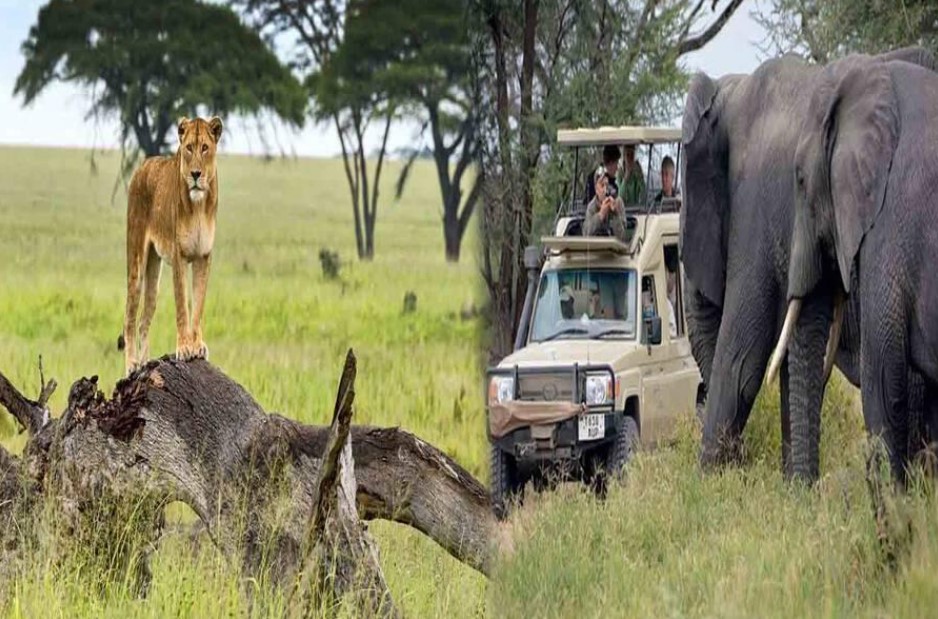
The park is particularly famous for elephants. Visitors often see large family groups walking between the woodland and the Tarangire River. During the dry season, hundreds of elephants may gather around permanent water sources, creating remarkable wildlife-viewing and photography opportunities.
Tarangire is also known for its impressive baobab trees. These ancient trees dominate parts of the landscape and give the park a distinctive African character. Some are believed to be hundreds of years old, with enormous trunks capable of storing large quantities of water.
Another important advantage is the park’s relatively peaceful atmosphere. Although Tarangire can be busy near its main entrance during peak season, its central and southern areas generally receive fewer vehicles than the busiest parts of Serengeti and Ngorongoro.
The main reasons to include Tarangire in your Tanzania safari are:
Exceptional elephant sightings
Beautiful baobab-covered landscapes
Excellent dry-season wildlife concentrations
More than 500 recorded bird species
Convenient access from Arusha
A wide selection of camps and lodges
Good opportunities for walking and night safaris in designated areas
Easy combination with Serengeti, Ngorongoro, and Lake Manyara
Where Is Tarangire National Park?
Tarangire National Park is located in northern Tanzania, southeast of Lake Manyara and southwest of Arusha. It forms part of Tanzania’s famous Northern Safari Circuit.
The park is approximately 120 kilometers from Arusha. The drive normally takes around two to three hours, depending on traffic, weather, and the exact location of your hotel.
Tarangire covers approximately 2,850 square kilometers. Its wider ecosystem is considerably larger because many animals migrate between the national park, surrounding conservation areas, and neighboring wildlife corridors.
The Tarangire River is the most important geographical feature in the park. It flows through the landscape and provides a dependable source of water, particularly during the dry season. Animals from surrounding areas move closer to the river when smaller water sources disappear.
The Tarangire Landscape
The scenery inside Tarangire National Park changes considerably as you travel through it.
Near the northern entrance, visitors encounter baobab trees, open woodland, seasonal swamps, grasslands, and viewpoints overlooking the Tarangire River. This area provides excellent wildlife viewing and is easy to explore during a day trip.
The central and southern sections feel increasingly remote. They include quieter river circuits, wetlands, acacia woodland, and expansive plains. Travelers staying for two or more nights can reach these less-visited areas and enjoy a deeper experience of the park.
Tarangire’s characteristic landscapes include:
The Tarangire River
The river is the park’s main lifeline. During the dry season, elephants, zebras, wildebeest, giraffes, buffaloes, and antelopes gather close to its banks.
Predators also follow the concentrations of prey. Lions may rest near the river or wait in shaded areas, while leopards sometimes use the surrounding trees and vegetation for cover.
Baobab Woodlands
Tarangire’s baobab trees are among its most recognizable features. Their thick trunks, unusual shapes, and dramatic branches create excellent photographic compositions, particularly during sunrise and sunset.
Elephants sometimes strip bark from baobabs to access moisture and minerals. Although the trees can survive considerable damage, repeated use occasionally leaves visible marks on their trunks.
Silale Swamp
Silale Swamp is one of the most productive wildlife areas in Tarangire. During the dry season, its remaining water and green vegetation attract herbivores and birds.
The swamp is located deeper inside the park, making it more suitable for visitors staying overnight than for travelers taking a short day trip from Arusha.
Open Grasslands
The open plains provide opportunities to see zebras, wildebeest, ostriches, jackals, antelopes, and hunting predators. These areas become particularly attractive during and shortly after the rainy season, when the landscape is green.
Wildlife in Tarangire National Park
A Tanzania safari tour to Tarangire gives travelers the chance to observe an impressive variety of animals.
Wildlife visibility changes with the seasons. The dry months normally produce the largest concentrations because animals gather around the Tarangire River and remaining wetlands. During the green season, animals become more dispersed, but the scenery, birdlife, and photographic conditions can be outstanding.
Elephants
Elephants are Tarangire’s signature attraction. Large herds are regularly seen throughout the park, sometimes including numerous adults, juveniles, and playful calves.
Visitors can watch elephants drinking, bathing, feeding, communicating, and protecting their young. Because they are frequently encountered at close but safe distances, Tarangire is an excellent place to learn about elephant family behavior.
Your guide will maintain a respectful distance and avoid blocking the animals’ path. Elephants must always be allowed to decide how they move through the landscape.
Lions
Tarangire supports a healthy lion population. Lions can be found near rivers, wetlands, woodlands, and open plains.
During the hottest hours, they commonly rest in the shade. Early mornings and late afternoons provide better opportunities to see them moving, interacting, or preparing to hunt.
Tree-climbing lions are occasionally observed, although sightings cannot be guaranteed.
Leopards and Cheetahs
Leopards live in Tarangire but are naturally secretive. They favor riverine vegetation, rocky areas, and trees that provide shade and cover.
Cheetahs may appear in the park’s more open sections, where they can use their speed to hunt smaller antelopes. Both species require patience and an experienced guide to locate.
Giraffes
Giraffes are common throughout Tarangire. They are frequently seen feeding among acacia trees or walking across the plains.
The giraffe is Tanzania’s national animal and is one of the most elegant subjects for safari photography. Tarangire’s baobabs and open horizons create especially beautiful backgrounds.
Buffaloes
African buffaloes may gather in large herds near the river and wetlands. They are powerful animals and are considered one of Africa’s famous Big Five.
Old male buffaloes are sometimes seen alone or in small groups, particularly around muddy pools and shaded vegetation.
Zebras and Wildebeest
Zebras and wildebeest move through the wider Tarangire ecosystem in response to water and fresh grazing. Their numbers are usually highest inside the park during the dry season.
They often travel together because their different feeding habits allow them to use the same grasslands effectively.
Other Animals
Travelers may also encounter:
Impalas
Warthogs
Waterbucks
Elands
Greater and lesser kudus
Dik-diks
Grant’s gazelles
Thomson’s gazelles
Baboons
Vervet monkeys
Dwarf mongooses
Black-backed jackals
Spotted hyenas
Bat-eared foxes
Rare species such as African wild dogs are occasionally recorded, but sightings are unpredictable.
Birdwatching in Tarangire
Tarangire is one of Tanzania’s finest birdwatching destinations. More than 500 bird species have been recorded in and around the park.
The combination of swamps, grasslands, woodland, rivers, and seasonal pools supports an exceptional range of resident and migratory birds.
Birds that may be seen include:
Yellow-collared lovebirds
Lilac-breasted rollers
Superb starlings
Southern ground hornbills
Kori bustards
Secretary birds
Ostriches
African fish eagles
White-backed vultures
Tawny eagles
Marabou storks
Saddle-billed storks
Hammerkops
Weaver birds
Bee-eaters
Kingfishers
Birding is rewarding throughout the year. However, the wetter months generally bring migrant species, nesting activity, greener backgrounds, and colorful breeding plumage.
Best Time for a Tanzania Safari Tour to Tarangire
Tarangire National Park can be visited throughout the year, but the best period depends on what you want to experience.
June to October: Dry Season
The dry season is generally considered the best time for concentrated wildlife viewing.
As water becomes scarce in the surrounding ecosystem, animals move toward the Tarangire River, permanent pools, and wetlands. Large numbers of elephants, zebras, wildebeest, buffaloes, giraffes, and antelopes may gather in relatively small areas.
Advantages of visiting during the dry season include:
Excellent wildlife concentrations
Easier animal visibility
Comfortable daytime conditions
Lower risk of rain disrupting game drives
Good access to most safari roads
Possible disadvantages include:
Higher accommodation prices
Greater demand for rooms
More vehicles around important sightings
Dusty roads and dry vegetation
Cold mornings, especially in June and July
November to December: Short Rains
The short rains often begin around November, although seasonal patterns can vary.
The landscape becomes greener, dust decreases, and many animals begin moving away from the permanent water sources. This period can offer attractive photography and lower visitor numbers.
Rain usually falls in temporary showers rather than continuously throughout the day.
January to March: Green Season
The early months of the year bring lush landscapes, excellent birding, and fewer safari vehicles than the peak dry season.
Wildlife is more dispersed because water is widely available. Nevertheless, sightings can still be rewarding, especially with a knowledgeable guide.
This is an excellent time for travelers interested in scenery, birds, photography, and a peaceful atmosphere.
April to May: Long Rains
April and May are usually the wettest months. Some roads may become muddy, and certain camps close temporarily.
However, travelers who do not mind occasional rain can enjoy beautiful landscapes, dramatic skies, quieter game drives, and seasonal accommodation offers.
How Many Days Do You Need in Tarangire?
The ideal length of your Tarangire visit depends on your overall itinerary.
One-Day Tarangire Safari
A day trip is possible from Arusha, Mto wa Mbu, or Karatu. You will normally leave early in the morning, spend several hours on a game drive, enjoy lunch inside the park, and return in the evening.
This option is suitable for travelers with limited time. However, much of the day is spent driving between Arusha and the park.
Two-Day Tarangire Safari
One night near or inside the park allows you to enjoy longer game drives and better morning or afternoon wildlife viewing.
You can travel farther from the entrance and experience the park at a more relaxed pace.
Three-Day Tarangire Safari
Two nights provide enough time to explore the quieter central or southern areas, depending on road conditions and accommodation location.
This option is ideal for photographers, birdwatchers, families, and travelers with a special interest in elephants.
Popular Tarangire Safari Itineraries
Tarangire can be visited independently or combined with other Northern Circuit destinations.
One-Day Tarangire Trip from Arusha
A typical day begins with an early pickup from your Arusha hotel. You drive through the countryside to the park, complete entrance formalities, and begin your game drive.
Lunch is usually served at a picnic site. You continue exploring during the afternoon before returning to Arusha.
Two-Day Tarangire and Ngorongoro Safari
Day 1: Travel from Arusha to Tarangire for a full game drive. Stay overnight near Lake Manyara, Karatu, or Tarangire.
Day 2: Descend into the Ngorongoro Crater for wildlife viewing before returning to Arusha.
This is an excellent short itinerary for travelers who want to see elephants in Tarangire and search for the Big Five in Ngorongoro.
Three-Day Tarangire, Ngorongoro, and Lake Manyara Safari
Day 1: Tarangire National Park
Day 2: Ngorongoro Crater
Day 3: Lake Manyara National Park and return to Arusha
This itinerary provides a varied introduction to northern Tanzania’s landscapes and wildlife.
Five-Day Tarangire, Serengeti, and Ngorongoro Safari
Day 1: Arusha to Tarangire
Day 2: Tarangire or Karatu to Serengeti
Day 3: Full-day Serengeti safari
Day 4: Serengeti to Ngorongoro area
Day 5: Ngorongoro Crater and return to Arusha
This is one of the most balanced safari itineraries for first-time visitors.
Seven-Day Northern Tanzania Safari
A longer itinerary can include:
Tarangire National Park
Lake Manyara National Park
Serengeti National Park
Ngorongoro Crater
A Maasai cultural visit
Additional nights in Serengeti or Tarangire
The extra time reduces long daily transfers and makes the safari more comfortable.
Safari Activities in Tarangire
Daytime Game Drives
Game drives are the main activity in Tarangire. They are conducted in specially prepared 4x4 safari vehicles, normally with a pop-up roof.
Morning drives are ideal for cooler temperatures and active predators. Afternoon drives provide warm photography light and opportunities to watch animals returning to water.
Night Game Drives
Night game drives are available in authorized areas and usually require advance arrangements.
They provide a chance to look for nocturnal species such as genets, civets, porcupines, bush babies, owls, and hunting predators. Availability depends on your accommodation and park authorization.
Guided Walking Safaris
Walking safaris may be offered in designated conservation areas or through selected camps.
Accompanied by a qualified guide or ranger, visitors learn about tracks, insects, plants, animal behavior, and the smaller details that are easily missed from a vehicle.
Birdwatching Safaris
Specialized birding trips can be arranged for beginners or experienced birdwatchers. These excursions move at a slower pace and focus on identifying species, habitats, behavior, and calls.
Cultural Experiences
Some itineraries combine Tarangire with a respectful visit to a nearby Maasai community. A good cultural experience should be organized with local consent and provide meaningful benefits to the host community.
Travelers may learn about traditional homes, livestock, clothing, family life, and contemporary Maasai culture.
Accommodation in and Around Tarangire
Tarangire offers accommodation for different travel styles and budgets.
Public Camping
Public campsites provide the most affordable and adventurous experience. Camping safaris generally include tents, mattresses, sleeping bags, meals, and a safari cook.
Bathroom and shower facilities are shared. Hot water and electricity may be limited, so guests should prepare for simple conditions.
Budget Lodges and Camps
Budget accommodation is often located outside the park or around Mto wa Mbu. It provides basic rooms, private or shared facilities, and straightforward meals.
Staying outside the park can reduce costs, although it may add driving time each morning and afternoon.
Mid-Range Tented Camps
Mid-range camps balance comfort and wilderness. Rooms often include proper beds, private bathrooms, hot showers, charging facilities, and restaurant service.
Canvas walls allow guests to hear the sounds of nature while remaining comfortable and secure.
Luxury Lodges and Camps
Luxury properties may provide spacious suites, private decks, swimming pools, fine dining, personalized service, and excellent locations.
Some camps are positioned in quieter areas, giving guests access to less crowded game-drive routes.
Staying Inside or Outside the Park
Staying inside Tarangire allows you to begin exploring earlier and remain in the park later. It also reduces travel time between your accommodation and wildlife areas.
However, accommodation inside the park is often more expensive because of its location, concession fees, and operating costs.
Accommodation outside the park can be more affordable and may offer facilities such as swimming pools, gardens, or easy access to nearby cultural experiences.
Your best choice depends on your budget, itinerary, and preferred level of comfort.
What Does a Tarangire Safari Cost?
The cost of a Tanzania safari tour to Tarangire varies according to several factors:
Number of travelers
Private or shared safari
Length of the itinerary
Accommodation category
Season of travel
Park fees and concession charges
Airport transfers
Optional activities
Domestic flights
Vehicle and guide arrangements
A private safari normally costs more per person for one or two travelers because the vehicle expenses are divided among fewer people. For families or groups, private travel can offer good value because vehicle costs are shared.
A budget camping safari is usually the least expensive option. Mid-range tented camps provide more comfort, while luxury properties significantly increase the total price.
Request a detailed quotation showing what is included and excluded. This makes it easier to compare safari offers fairly.
What Is Usually Included?
A professionally organized Tarangire safari commonly includes:
Private or shared 4x4 safari vehicle
Professional English-speaking guide
Tarangire park entrance fees
Accommodation stated in the itinerary
Meals according to the program
Drinking water during game drives
Government taxes
Game drives
Transfers listed in the itinerary
Camping equipment and cook on camping safaris
Depending on the package, soft drinks, airport transfers, and pre-safari accommodation may also be included.
What May Not Be Included?
Common exclusions include:
International flights
Tanzania visa
Travel insurance
Vaccinations and medical costs
Alcoholic drinks
Guide and staff gratuities
Personal purchases
Laundry
Optional cultural visits
Night game drives
Walking safaris
Changes requested after confirmation
Always read the final itinerary and inclusion list before making a payment.
Private Versus Shared Tarangire Safari
Private Safari
A private safari gives you a dedicated vehicle and guide. You can usually decide when to start, how long to stay at sightings, and when to stop for lunch or photography.
It is especially suitable for:
Couples
Families with children
Photographers
Honeymooners
Travelers with special interests
Groups of friends
Guests who prefer flexibility
Shared Safari
A shared safari is more affordable because travelers divide the vehicle and guide costs.
You will follow a fixed schedule and must consider the interests of other participants. Shared departures commonly use English-speaking guides and may combine travelers from different countries.
A well-managed shared vehicle should not be overcrowded. A maximum of approximately seven guests in a standard safari Land Cruiser helps provide each traveler with a window seat.
Getting to Tarangire National Park
Most safaris begin in Arusha, the main tourism center for northern Tanzania.
International visitors typically arrive through Kilimanjaro International Airport. From the airport, it normally takes around one to two hours to reach Arusha, depending on traffic and hotel location.
Arusha Airport mainly handles domestic flights, including connections with Zanzibar and other Tanzanian destinations.
From Arusha, Tarangire is reached by road. The journey passes through rural landscapes and small towns before arriving at the national park entrance.
Travelers coming from Zanzibar can fly to Arusha or Kilimanjaro and begin their safari from northern Tanzania. Starting a safari immediately after an early flight may be possible, but arriving one day before departure is usually more comfortable and reliable.
Safari Vehicle and Guide
A reliable safari vehicle is essential for a safe and enjoyable trip.
Most Tarangire safaris use a 4x4 Land Cruiser with:
Pop-up roof
Window seats
Seatbelts
Charging sockets or USB ports
Cooler or refrigerator
First-aid kit
Radio communication
Storage space
Binoculars, depending on the operator
Your guide plays an equally important role. An experienced guide understands animal behavior, park routes, weather conditions, safety procedures, and the best areas to search for wildlife.
A knowledgeable guide should also respect the animals by avoiding crowding, excessive noise, or driving too close.
What to Pack for Tarangire
Pack light, practical clothing in neutral colors such as beige, khaki, olive, brown, or gray.
Avoid dark blue and black clothing when possible because these colors may attract tsetse flies in certain woodland areas.
Useful items include:
Lightweight shirts
Long trousers
Comfortable closed shoes
Warm jacket or fleece
Sun hat
Sunglasses
Sunscreen
Insect repellent
Personal medication
Camera and spare batteries
Binoculars
Reusable water bottle
Small daypack
Travel documents
Power bank
Dust protection for camera equipment
Morning and evening temperatures can feel cool, especially from June to August. Layered clothing allows you to adjust throughout the day.
A soft-sided travel bag is more practical than a large hard suitcase, particularly when combining the safari with domestic flights.
Photography Tips
Tarangire is an outstanding photography destination because it combines wildlife with dramatic scenery.
For better photographs:
Keep your camera ready during game drives.
Use a telephoto lens for distant animals.
Carry spare batteries and memory cards.
Protect equipment from dust.
Photograph elephants with baobabs for environmental context.
Use morning and evening light when possible.
Avoid sudden movement around wildlife.
Ask your guide to position the vehicle without disturbing animals.
Be patient and observe behavior before taking pictures.
Put the camera down occasionally and enjoy the experience directly.
A private safari is recommended for serious photographers because it provides more control over vehicle positioning and the time spent at sightings.
Family Safaris in Tarangire
Tarangire is a good choice for families. Elephants, giraffes, zebras, monkeys, and colorful birds are usually easy for children to recognize and enjoy.
Families should select itineraries with manageable driving times, regular breaks, and appropriate accommodation.
Parents should consider:
The age and patience of the children
Swimming-pool availability
Family rooms
Flexible meal times
Medical support
Malaria precautions
Vehicle seating
Snacks and drinking water
Shorter game drives for young children
A private safari is often the best option because the daily schedule can be adapted to the family.
Responsible Safari Travel
Responsible tourism helps protect Tarangire’s wildlife and supports communities living around the ecosystem.
Visitors should:
Never feed wild animals.
Keep noise levels low.
Follow designated roads.
Avoid leaving plastic or other waste.
Respect the guide’s safety instructions.
Maintain a suitable distance from wildlife.
Avoid pressuring guides to break park rules.
Ask permission before photographing people.
Choose operators employing local guides and staff.
Use refillable bottles where practical.
Support genuine community-owned experiences.
Wildlife welfare must come before photographs. Vehicles should never surround animals, block their path, or interfere with hunting and feeding behavior.
Is Tarangire Worth Visiting?
Yes. Tarangire is absolutely worth including in a northern Tanzania safari.
It offers some of the country’s best elephant viewing, distinctive baobab landscapes, excellent birdlife, and rewarding dry-season wildlife concentrations. It is also easy to combine with the Serengeti and Ngorongoro Crater.
Travelers with only one day can still enjoy a valuable introduction to the park. However, staying for at least one night provides a more relaxed experience and access to quieter areas.
Planning a budget Ngorongoro Crater safari holiday from Arusha? Compare a crater day trip, a two-day Tarangire and Ngorongoro safari, or a…
Read articleA Lake Manyara safari can cost USD 150–220 per person for a shared day trip from Arusha. A published example of a…
Read articleA Tanzania safari from Zanzibar can mean a short mainland trip during your beach holiday or a complete package with flights, game…
Read articleLooking for a group Tanzania safari price from Kilipath African Safaris? A published example for our four-day shared camping safari through Tarangire,…
Read article

