

Budget Ngorongoro Crater Safari Holiday
Planning a budget Ngorongoro Crater safari holiday from Arusha? Compare a crater day trip, a two-day Tarangire and Ngorongoro safari, or a…
Read articleArusha City - Tanzania
Safari & Travel Tips
September 1, 2026 · 18 min read
Choosing the right Tanzania safari Arusha company is one of the most important steps when planning a wildlife adventure in northern Tanzania. Arusha is widely used as the starting point for safaris to some of Tanzania's most famous wildlife areas, including Serengeti National Park, Ngorongoro Conservation Area, Tarangire National Park, Lake Manyara National Park, and Arusha National Park.
Travelers arriving in Arusha can choose from short two-day wildlife tours, classic four- or five-day safaris, extended migration itineraries, family adventures, honeymoon safaris, photography expeditions, camping safaris, and luxury lodge experiences.
A professional safari company based in Arusha can organize much more than transportation. Your safari operator may arrange airport transfers, accommodation, park permits, safari vehicles, professional guides, meals, drinking water, domestic flights, cultural activities, Zanzibar extensions, and special experiences such as hot-air balloon safaris.
For first-time visitors, having a knowledgeable local team can make Tanzania much easier to explore.
Tanzania National Parks currently manages numerous protected areas across the country, while the northern safari circuit remains especially popular because several major wildlife destinations can be connected by road from Arusha.
Arusha is strategically positioned close to Tanzania's famous northern safari destinations.
Although Arusha itself is a busy city surrounded by coffee farms, mountains and villages, its biggest tourism importance comes from its location.
From Arusha, safari vehicles can travel toward:
Travelers can therefore create itineraries combining wildlife, landscapes, hiking and cultural experiences without repeatedly returning to major airports.
Arusha Airport also handles domestic services, while Kilimanjaro International Airport serves many travelers arriving from international destinations.
For travelers visiting Ngorongoro, the Ngorongoro Conservation Area Authority identifies both Kilimanjaro International Airport and Arusha Airport among important access points to the conservation area.
A good safari company handles the complicated logistical details behind your holiday.
A typical safari operation may coordinate:
Safari itinerary planning: Your route is designed according to your travel dates, budget, interests and available time.
Accommodation reservations: Lodges, tented camps, hotels and campsites can be booked before your arrival.
Safari transportation: Most wildlife tours use specially prepared 4x4 safari vehicles.
Professional safari guide: Your guide drives the safari vehicle while helping you understand Tanzania's animals, ecosystems and landscapes.
Park arrangements: National park entrance fees and conservation-area permits are normally incorporated into safari packages.
Meals and drinking water: Depending on the safari category, meals may be served at lodges, camps, picnic areas or prepared by a safari chef.
Airport transfers: Transfers between Kilimanjaro International Airport, Arusha Airport and hotels can be arranged.
Special experiences: Balloon safaris, cultural visits, walking activities and other excursions may be incorporated.
This is why selecting a reputable Tanzania safari Arusha company matters. The quality of the safari depends not only on the parks you visit but also on the organization behind the journey.
Serengeti is usually the destination travelers imagine when they think about an African safari.
Its immense open plains support extraordinary populations of wildlife including:
Serengeti is especially famous for the Great Wildebeest Migration, when huge herds move through the wider Serengeti-Mara ecosystem according to rainfall and grazing conditions.
TANAPA describes Serengeti as world-famous for its migration, extensive plains and wildlife.
Central Serengeti, particularly the Seronera area, is excellent for wildlife viewing throughout much of the year.
Permanent water sources help support resident wildlife, making this region particularly attractive for travelers wanting predators.
Lions, leopards, cheetahs and hyenas are among the major attractions.
Northern Serengeti is particularly important during the migration season when herds move toward the Mara River.
Travelers usually need longer itineraries to visit this region because of its distance from Arusha.
During the green season, migration herds often concentrate around the southern plains and Ndutu ecosystem.
This region is particularly popular during the calving period.
Because animal movements depend on natural rainfall patterns, exact locations cannot be guaranteed.
The Ngorongoro Conservation Area provides a completely different safari experience.
The main attraction is the dramatic Ngorongoro Crater, where safari vehicles descend from the highland rim onto the crater floor.
The Ngorongoro Conservation Area Authority describes the crater as the world's largest intact and unfilled volcanic caldera and reports that the area contains an exceptionally high concentration of wildlife.
Animals that travelers may encounter include:
Leopards also occur in the wider conservation area, although sightings are less predictable.
One of Ngorongoro's major attractions is how many habitats exist within a relatively compact landscape.
During a crater game drive you may travel past grasslands, forests, marshes, lakes and freshwater areas.
The official Ngorongoro authority also identifies the crater as one of the main game-drive destinations within the conservation area.
Tarangire is one of the best destinations to include at the beginning or end of a northern Tanzania safari.
The park is particularly associated with:
Large elephant populations
Seeing elephant families moving through the woodland is one of Tarangire's highlights.
Ancient-looking baobab trees
The enormous baobabs create some of the most distinctive landscapes on Tanzania's northern safari circuit.
Tarangire River
The river is an important water source, particularly during drier periods.
Predators
Lions, leopards and other predators occur in the ecosystem.
Birdlife
Tarangire attracts enthusiastic birdwatchers because of its variety of habitats.
TANAPA specifically highlights Tarangire for its elephant herds and iconic baobab trees.
Tarangire can work extremely well for photographers because elephants, landscapes and baobab trees often create beautiful compositions.
Lake Manyara is located along the Great Rift Valley and provides another contrasting landscape.
The park includes forest, woodland, wetlands, open areas and lake environments.
Wildlife may include:
Lake Manyara is traditionally associated with tree-climbing lions, although sightings should never be treated as guaranteed.
TANAPA also highlights Lake Manyara's alkaline lake, flamingos and tree-climbing lions among its best-known attractions.
For travelers with limited time, Manyara is often combined with Tarangire and Ngorongoro.
You don't necessarily need to drive for many hours to enjoy your first wildlife experience.
Arusha National Park is located close enough to Arusha to work well as a day excursion before or after a longer safari.
The park differs significantly from Serengeti.
Visitors come for forest scenery, Mount Meru landscapes, lakes and wildlife such as:
It can be especially useful for travelers with an additional day in Arusha.
A professional Tanzania safari Arusha company should recommend an itinerary based on the experience you want rather than simply adding as many parks as possible.
A short itinerary might include:
Day 1: Arusha → Tarangire National Park
Day 2: Ngorongoro Crater → Arusha
This works well for travelers with limited time.
However, Serengeti generally deserves more time because of the driving distance.
A popular option is:
Day 1: Arusha → Serengeti
Day 2: Serengeti National Park
Day 3: Ngorongoro Crater → Arusha
Another possibility is:
Day 1: Tarangire
Day 2: Ngorongoro
Day 3: Lake Manyara
The first option prioritizes Serengeti, while the second minimizes long drives.
A classic route could be:
Depart Arusha and travel toward Tarangire National Park.
Spend the day searching for elephants, lions, giraffes and other wildlife.
Overnight near Karatu, Manyara or within the safari circuit.
Continue through the Ngorongoro highlands toward Serengeti.
As the landscape opens into the plains, begin your first Serengeti game drive.
Overnight inside or near Serengeti.
Enjoy another wildlife drive through Serengeti.
The longer you spend in the park, the more opportunities you have to search different habitats.
Continue toward the Ngorongoro area.
Descend into Ngorongoro Crater early in the morning.
Enjoy a wildlife drive and lunch before returning toward Arusha.
This itinerary gives first-time visitors a strong introduction to northern Tanzania.
Five days provide better pacing.
A possible itinerary:
Day 1: Arusha → Tarangire
Day 2: Tarangire/Manyara area → Serengeti
Day 3: Full day Serengeti
Day 4: Serengeti → Ngorongoro
Day 5: Ngorongoro Crater → Arusha
This gives you additional time inside Serengeti and makes the trip less rushed.
For travelers wanting a more relaxed experience:
Day 1: Arusha → Tarangire
Day 2: Tarangire → Serengeti
Day 3: Full-day Serengeti
Day 4: Full-day Serengeti
Day 5: Serengeti → Ngorongoro
Day 6: Ngorongoro Crater → Arusha
Having multiple days in Serengeti allows guides to explore different locations rather than constantly moving toward the next destination.
Seven days gives travelers enough time for a deeper northern-circuit experience.
For example:
Day 1: Arusha → Tarangire
Day 2: Tarangire → Lake Manyara/Karatu
Day 3: Travel to Serengeti
Day 4: Full-day Serengeti
Day 5: Full-day Serengeti
Day 6: Serengeti → Ngorongoro
Day 7: Ngorongoro Crater → Arusha
Another option is to replace Lake Manyara with an additional Serengeti day.
Your best route depends on season and wildlife interests.
Accommodation dramatically changes both the price and atmosphere of your safari.
Camping is generally one of the most affordable options.
Travelers normally sleep in tents at campsites located inside or near wildlife areas.
A camping safari provides a more adventurous experience.
At night, you may hear hyenas, birds or other wildlife in the surrounding environment.
Facilities are usually more basic than lodges.
Camping is ideal for:
Mid-range safaris offer additional comfort without reaching high-end luxury pricing.
Accommodation may include:
Rooms generally provide proper beds and private bathrooms, although facilities vary by property.
This category works extremely well for couples, families and first-time safari travelers.
Luxury safaris focus strongly on accommodation quality, location and personalized service.
Possible features include:
Luxury does not necessarily mean better wildlife sightings, but it can significantly improve comfort.
A private safari gives your booking exclusive use of the safari vehicle and guide.
This offers much greater flexibility.
You can usually spend longer photographing animals, stop whenever required and adapt the day's pace more easily.
Private safaris are especially suitable for:
Shared safaris place several travelers in the same safari vehicle.
They can provide excellent value for solo travelers and couples trying to reduce costs.
The biggest advantage is price.
However, the itinerary is usually more fixed because several travelers need to follow the same route.
When comparing shared safari companies, ask:
Northern Tanzania safaris typically use 4x4 safari Land Cruisers adapted for wildlife viewing.
Common features can include:
The pop-up roof allows passengers to stand safely inside the vehicle while observing and photographing animals.
When choosing your Tanzania safari Arusha company, ask about vehicle maintenance.
A safari includes long drives on rough roads, so vehicle condition matters.
The safari guide can completely change your experience.
A skilled guide does much more than drive.
Good guides understand:
A guide may recognize fresh tracks, alarm calls or vehicle-radio information that helps locate wildlife.
Experienced guides also understand when to wait patiently.
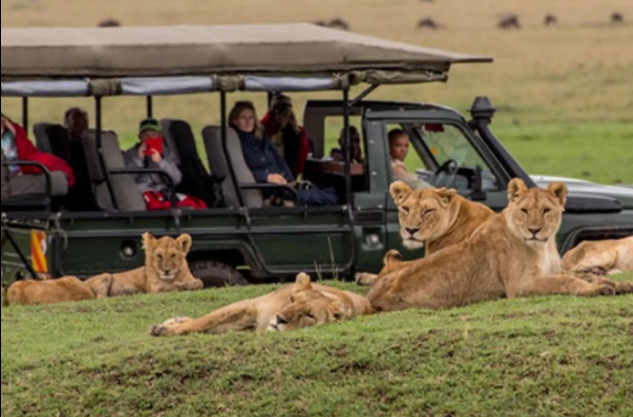
A lion sleeping beneath a tree may suddenly become active.
Elephants may approach a waterhole.
A cheetah watching gazelles may begin hunting.
Sometimes the best safari moments happen because your guide chooses not to leave too quickly.
One major reason Tanzania remains popular is the diversity of wildlife.
Lions occur throughout several northern safari ecosystems.
Serengeti and Ngorongoro are particularly famous for predator viewing.
Watching a pride interacting can be one of the most memorable safari experiences.
Leopards are more secretive.
Guides often search for them around:
Patience is usually required.
Cheetahs favor open landscapes where their exceptional speed becomes useful.
Serengeti is one of the major areas where visitors hope to encounter them.
Tarangire is particularly famous for elephants.
Family groups may include several generations moving together.
Watching elephants feed, drink or interact socially can be a highlight even for experienced safari travelers.
Black rhinos are endangered and encounters are never guaranteed.
Ngorongoro is one of Tanzania's important rhino habitats.
Wildebeest are central to the famous Great Migration.
Huge numbers move through the wider Serengeti ecosystem together with zebras and gazelles.
Their location varies throughout the year.
Tanzania's national animal is frequently seen across northern safari areas.
Their height and elegant movement make giraffes especially photogenic.
Hippos spend much of the day around water.
They can frequently be found in suitable pools and waterways.
Despite their calm appearance, they are powerful wild animals and must always be viewed from appropriate distances.
Spotted hyenas are highly successful predators and scavengers.
Visitors frequently hear their distinctive calls around safari areas at night.
They also have complex social structures.
Tanzania offers safari opportunities throughout the year.
The best period depends on what you want to see.
These are generally drier months across much of northern Tanzania.
Wildlife often gathers around remaining water sources and thinner vegetation can make animals easier to locate.
July through October is also an important period for migration activity toward northern Serengeti, although exact timing varies every year.
The southern Serengeti and Ndutu region can become particularly interesting during this period.
Migratory herds often gather in the southern plains following seasonal rains.
January and February are especially associated with the calving period.
Large numbers of newborn wildebeest can attract predators.
These months are commonly associated with the longer rains.
There are several advantages:
However, some roads may become muddy and certain seasonal camps may close.
November often brings shorter rains.
Landscapes begin changing from dry-season colors to greener scenery.
Safari conditions remain highly rewarding.
There is no single Tanzania safari price.
Cost depends on:
A short camping safari may cost considerably less than a private luxury migration safari.
When comparing quotes, don't look only at the final amount.
Check what the price includes.
A cheaper safari can become expensive if park fees, transfers or accommodation have been excluded.
A properly presented safari package should clearly explain inclusions.
These commonly include:
Possible exclusions include:
Always request written confirmation.
Choosing a safari operator deserves careful research.
A professional company should answer questions clearly.
If your safari consultant avoids explaining costs or itinerary details before payment, be cautious.
Do not book based only on something like:
"5 Days Tanzania Safari."
You should know:
Ask for exact accommodation whenever possible.
Look up each lodge or camp independently.
Remember that accommodation can occasionally change because of availability, but replacements should be of comparable quality.
Clarify whether your trip is:
Private safari or shared safari.
This should never be ambiguous.
For shared safaris, this is particularly important.
You need enough space for wildlife viewing and luggage.
Before making a deposit, understand:
Keep receipts and booking confirmations.
A professional safari company should have a contact process if:
Local operational support is one major benefit of booking through an Arusha-based safari company.
Tanzania is extremely popular among couples.
Private safaris allow you to enjoy wildlife without sharing the vehicle with strangers.
Romantic safari options may include:
A Serengeti and Zanzibar honeymoon is particularly popular.
Tanzania can also work very well for families.
Family trips should consider:
Families with younger children often benefit from staying two nights in selected locations rather than changing accommodation every day.
Solo travelers generally have two main options.
More expensive, but much more flexible.
It is ideal for photographers or travelers with very specific interests.
Tanzania is outstanding for wildlife photography.
A photography-focused safari should prioritize time rather than visiting too many parks.
For example, spending three nights in Serengeti may produce better photographic opportunities than rapidly visiting five destinations.
Photographers should consider:
Early morning and late afternoon often provide beautiful light.
A hot-air balloon safari is one of Tanzania's premium experiences.
Flights usually take place early in the morning.
From above, travelers may see:
Balloon flights are optional and should normally be reserved in advance, particularly during busy seasons.
One of the best ways to experience Tanzania is to combine wildlife with a beach holiday.
A popular itinerary could be:
Day 1–5: Northern Tanzania safari
Day 6: Fly to Zanzibar
Day 7–10: Zanzibar beach holiday
This creates a comfortable contrast.
Safari days often involve early mornings, dusty roads and long wildlife drives.
Zanzibar then provides time for beaches, swimming and relaxation.
Many travelers spend one night in Arusha before departure.
This is especially advisable when arriving internationally.
Benefits include:
Trying to connect an international arrival directly with a long safari drive can make your first day exhausting.
Bring practical clothing rather than too much luggage.
Useful items include:
Morning temperatures around Ngorongoro can be considerably cooler than daytime conditions on the plains.
Layering is useful.
Neutral colors such as:
are practical.
White clothing becomes dusty quickly.
Very dark clothing can also become hot.
Comfort should be your priority.
Safari packages often include full-board meals while traveling between parks.
Breakfast may include:
Lunch may be served as a picnic or hot meal.
Dinner at lodges and camps usually includes several dishes.
Vegetarian, vegan and other dietary requests can often be accommodated when communicated in advance.
Safe drinking water should be available during game drives when included in your package.
Because safari days can be hot, travelers should drink regularly.
Ask your operator whether drinking water is unlimited or allocated per day.
Traveling by safari vehicle is part of the adventure.
Main roads around Arusha and major towns may be paved, but park roads are often unsealed.
Expect:
This is another reason a reliable 4x4 and experienced driver are essential.
A safari should respect both wildlife and local communities.
Travelers should:
National parks and protected landscapes depend on responsible tourism.
Safari planning is very different from ordinary hotel booking.
Wildlife movements change.
Road conditions change.
Accommodation fills quickly.
Migration locations vary.
A good local safari team understands how these factors affect the itinerary.
For example, if your priority is the Great Migration, your route should depend on the month.
If your priority is elephants and baobab landscapes, Tarangire may deserve more time.
If you want predators, Serengeti becomes especially important.
If your trip is only two days, spending most of it driving to Serengeti may not be ideal.
Good safari planning is about matching the route with your priorities.
Booking locally can offer several advantages.
The company operates close to the parks it sells.
Vehicle, guide and hotel issues can often be handled locally.
Private safaris can be adapted according to interests and schedules.
Local guides bring practical knowledge of Tanzania's wildlife, landscapes and culture.
Travelers can communicate directly with the team responsible for operating the safari.
Planning a budget Ngorongoro Crater safari holiday from Arusha? Compare a crater day trip, a two-day Tarangire and Ngorongoro safari, or a…
Read articleA Lake Manyara safari can cost USD 150–220 per person for a shared day trip from Arusha. A published example of a…
Read articleA Tanzania safari from Zanzibar can mean a short mainland trip during your beach holiday or a complete package with flights, game…
Read articleLooking for a group Tanzania safari price from Kilipath African Safaris? A published example for our four-day shared camping safari through Tarangire,…
Read article

