

Budget Ngorongoro Crater Safari Holiday
Planning a budget Ngorongoro Crater safari holiday from Arusha? Compare a crater day trip, a two-day Tarangire and Ngorongoro safari, or a…
Read articleArusha City - Tanzania
Safari & Travel Tips
September 2, 2026 · 10 min read
A Serengeti Safari Northern Circuit combines Tanzania’s most famous wildlife destination with spectacular parks such as Tarangire, Lake Manyara and the Ngorongoro Crater. This route is ideal for travelers who want to see the Big Five, explore diverse landscapes and experience the Great Wildebeest Migration.
Whether you are planning a private safari, family holiday, honeymoon or photography adventure, the Northern Circuit offers an excellent introduction to Tanzania’s wildlife.
The Northern Safari Circuit is Tanzania’s most popular safari route. It begins around Arusha and connects several protected areas:
Longer itineraries may also include Lake Natron, Ndutu, Olduvai Gorge and the remote northern Serengeti.
The Serengeti is usually the main attraction. However, combining it with the other parks creates a more varied experience because every destination has different wildlife, vegetation and scenery.
The Northern Circuit supports an extraordinary concentration of wildlife. Travelers may encounter lions, elephants, leopards, cheetahs, buffaloes, giraffes, zebras, wildebeest, hippos and many antelope species.
Although wildlife sightings can never be guaranteed, the Serengeti and Ngorongoro are among Tanzania’s best destinations for observing predators and large mammals.
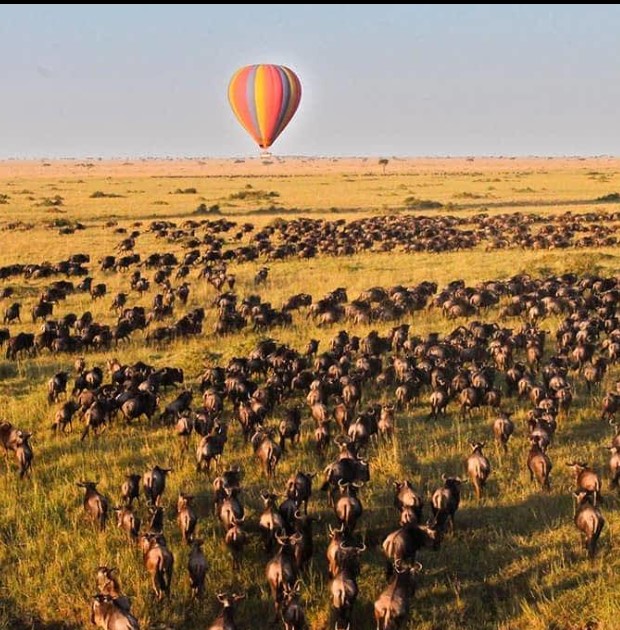
The Serengeti hosts much of the Great Migration, during which enormous herds of wildebeest and zebras move through the Serengeti–Mara ecosystem in search of water and fresh grass.
The herds are found in different parts of the ecosystem throughout the year. Choosing the correct area is therefore more important than simply choosing a particular month.
A Northern Circuit journey can take you through:
This changing scenery makes the journey as memorable as the wildlife.
A Serengeti Northern Circuit safari can be arranged as:
Private safaris offer the greatest flexibility, particularly for travelers who want to visit remote migration areas.
Serengeti National Park is the centerpiece of the route. Its name is commonly associated with the Maasai expression for “endless plains,” an appropriate description of its vast landscapes.
The park is divided into several safari regions.
Central Serengeti, particularly the Seronera Valley, is known for reliable wildlife viewing throughout the year. Permanent water sources attract many resident animals, including lions, leopards, elephants, buffaloes and hippos.
It is an excellent choice for first-time visitors and travelers visiting outside the main migration periods.
Between approximately December and April, migration herds are commonly found across the southern plains and the wider Ndutu region. The main calving period generally occurs between January and February.
The abundance of young wildebeest attracts predators, making this a fascinating season for wildlife viewing and photography.
The migration usually moves toward the Western Corridor around May and June, depending on rainfall. This region includes the Grumeti River and surrounding woodlands.
Travelers may see large herds gathering before crossing rivers and continuing northward.
Northern Serengeti becomes particularly important during the dry-season migration, usually from July through October. The Mara River is the region’s best-known feature.
River crossings are natural events and cannot be scheduled or guaranteed. Herds may wait near the river, cross unexpectedly or move between Tanzania and Kenya several times.
Even without a crossing, Northern Serengeti offers beautiful scenery, lower vehicle density in many areas and excellent opportunities to see lions, elephants, leopards and other resident wildlife.
The Ngorongoro Crater is one of the Northern Circuit’s most remarkable destinations. Safari vehicles descend from the highlands onto the crater floor, where grasslands, wetlands and woodland support abundant wildlife.
Animals commonly observed include:
The crater is also one of Tanzania’s better places to search for the endangered black rhinoceros, although sightings are never guaranteed.
Morning temperatures around the crater rim can be cold, so visitors should carry a warm jacket.
Tarangire is famous for elephants, baobab trees and the Tarangire River. During the dry season, the river attracts wildlife from the surrounding ecosystem.
The park is particularly rewarding between June and October, but it remains a valuable part of the Northern Circuit at other times of the year.
Wildlife may include elephants, lions, giraffes, zebras, wildebeest and numerous bird species. Tarangire also has woodland and seasonal swamp habitats, giving it a distinctly different character from the Serengeti.
Lake Manyara lies beneath the dramatic wall of the Great Rift Valley. Its compact size makes it suitable for a half-day or full-day game drive.
The park is known for:
Wildlife distribution changes according to water levels and seasonal conditions. Lake Manyara is often included in longer Northern Circuit itineraries but may be replaced with an additional Serengeti or Tarangire day when wildlife viewing is the main priority.
Located near Arusha, this park is a convenient destination for travelers with an extra day. It features Mount Meru, Momella Lakes and the forested Ngurdoto Crater.
Activities can include game drives, guided walking safaris and canoeing when conditions permit. Arusha National Park is especially attractive for scenery, giraffes, buffaloes, monkeys and birdlife.
The Northern Circuit can be visited throughout the year. The best period depends on the traveler’s priorities.
This is one of the best periods for exploring Ndutu and the southern Serengeti. The wildebeest calving season attracts predators and creates excellent photography opportunities.
The southern plains may remain productive, although the long rains can begin during this period. The scenery becomes green, accommodation may be more affordable and popular areas can feel quieter.
Migration herds generally begin moving toward the central and western parts of the Serengeti. June can provide a combination of green landscapes, comfortable temperatures and exciting herd movements.
This is Tanzania’s main dry season. Wildlife becomes concentrated around water sources, while the migration is commonly found in the northern Serengeti and around the Mara River.
These months are popular, so early accommodation reservations are strongly recommended.
Short rains refresh the plains and encourage the migration to move south again. November can offer fewer visitors, dramatic skies and attractive green landscapes.
Because migration movements depend on rainfall, they can vary from one year to another.
A typical four-day itinerary may include:
This option is suitable for travelers with limited time, but it involves long driving hours.
A five-day itinerary offers a more balanced experience:
Having a full day in the Serengeti significantly improves the experience.
A six-day route may include Tarangire, Lake Manyara, two nights in the Serengeti and the Ngorongoro Crater. It is ideal for first-time visitors who want variety without rushing through every park.
A longer migration-focused itinerary may include:
Northern Serengeti requires additional driving or a domestic flight. At least two or three nights in the migration area are recommended because wildlife movements are unpredictable.
Budget camping is the most economical option. Tents, mattresses, sleeping bags and meals are normally provided. Toilets and showers are shared, and facilities can be basic.
Camping provides a close connection to nature, but travelers should be comfortable with simple conditions.
Mid-range accommodation usually includes a private room or permanent safari tent with an ensuite bathroom. These properties offer a comfortable balance between price and convenience.
Luxury camps offer spacious tents, personalized service, carefully prepared meals and prime wildlife locations. Some camps operate seasonally and move or change location according to migration patterns.
Mobile or seasonal camps are positioned near important migration areas. They can provide excellent access to wildlife while maintaining the atmosphere of a classic tented safari.
Packages commonly include:
Items often excluded include:
Always review the final quotation carefully because inclusions differ between operators.
The price of a Serengeti Safari Northern Circuit depends on:
A private safari becomes more economical per person when vehicle costs are divided among several travelers. Luxury camps and domestic flights increase the overall price, while camping and shared departures offer more affordable alternatives.
A hot-air balloon safari offers an aerial view of the Serengeti, followed by a bush breakfast in many packages. Flights normally begin early in the morning and are available in selected regions.
Balloon safaris should be booked in advance, particularly during peak travel months. Operations depend on weather and safety conditions.
A Northern Circuit safari can be combined with respectful community visits, including:
Choose experiences that respect local communities and provide clear benefits to participating residents.
Recommended items include:
Avoid bringing excessive luggage, especially when using domestic flights. Small aircraft usually apply stricter baggage limits than international airlines.
Travelers should consult a qualified healthcare professional about vaccinations, malaria prevention and personal medical requirements before traveling.
Purchase comprehensive travel insurance covering medical emergencies, evacuation, cancellation and lost luggage. Follow the guide’s instructions around wildlife and never leave the vehicle unless permission is given in a designated area.
Wild animals may enter unfenced camps. Guests should use an escort after dark whenever the accommodation requires it.
For better safari photographs:
A private vehicle is recommended for serious photographers because it allows more control over positioning and time spent at sightings.
Travelers can help protect the Serengeti ecosystem by:
Responsible tourism helps preserve Tanzania’s protected areas while supporting guides, camp employees and surrounding communities.
Planning a budget Ngorongoro Crater safari holiday from Arusha? Compare a crater day trip, a two-day Tarangire and Ngorongoro safari, or a…
Read articleA Tanzania safari from Zanzibar can mean a short mainland trip during your beach holiday or a complete package with flights, game…
Read articleLooking for a group Tanzania safari price from Kilipath African Safaris? A published example for our four-day shared camping safari through Tarangire,…
Read articlePair game drives on Tanzania’s mainland with a few days on Zanzibar’s coast. With Kilipath African Safaris, you can start in Arusha…
Read article

