Budget Ruaha Safari Adventure
Explore Ruaha National Park’s baobab country on a guided safari built around your dates, group size and budget. Spend your game drives…
Read articleArusha City - Tanzania
Safari & Travel Tips
September 2, 2026 · 14 min read
Discover Tanzania beyond the famous northern safari circuit with an unforgettable Ruaha Nyerere National Park safari. Combining two of Tanzania’s greatest wilderness areas, this journey offers extraordinary wildlife encounters, beautiful landscapes, fewer safari vehicles, and a genuine feeling of exploring remote Africa.
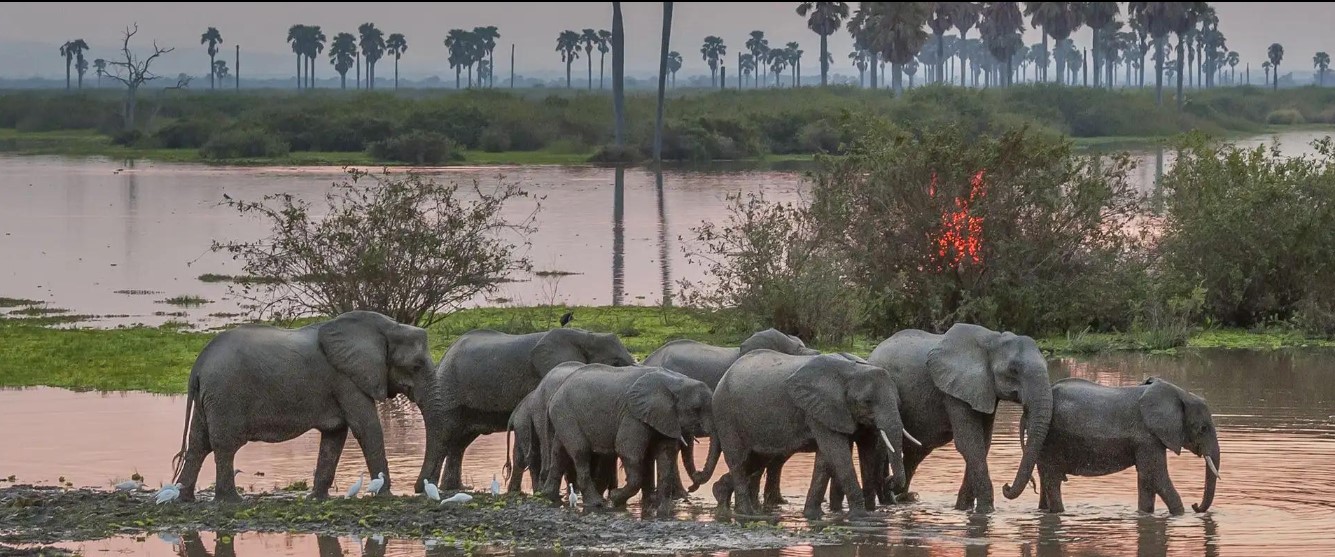
Nyerere National Park is famous for the Rufiji River, boat safaris, large populations of elephants, hippos, crocodiles, lions, and African wild dogs. Ruaha National Park offers rugged scenery, ancient baobab trees, seasonal rivers, impressive predator sightings, and one of Tanzania’s most exciting concentrations of elephants.
Together, these destinations create one of the best Southern Tanzania safari experiences.
At Kilipath African Safaris, we organize private, customized safaris to Ruaha and Nyerere for couples, families, photographers, honeymooners, solo travelers, and small groups. Your safari can begin in Dar es Salaam or Zanzibar and may include road transfers, domestic flights, comfortable accommodation, professional guides, meals, park fees, and carefully planned wildlife activities.
A safari combining Ruaha and Nyerere allows you to experience two different environments in one journey.
Nyerere is shaped by the Rufiji River and its network of channels, lakes, wetlands, and palm-fringed shores. Wildlife activities can include traditional game drives, boat safaris, and guided walking safaris.
Ruaha has a drier and more dramatic landscape. Its plains, rocky hills, baobab forests, and river systems attract large numbers of animals, particularly during the dry season.
The main advantages include:
This safari is especially suitable for travelers who want authentic wildlife encounters away from heavily traveled routes.
Nyerere National Park is one of Tanzania’s most important protected wilderness areas. It was established from part of the former Selous Game Reserve and protects an enormous landscape of rivers, lakes, woodland, grassland, and wetlands.
The Rufiji River is the heart of the park. It supports large numbers of animals and creates opportunities for safari activities that are not commonly available in many other Tanzanian national parks.
Nyerere supports a remarkable variety of wildlife. Depending on the season, location, and natural movement of the animals, visitors may encounter:
African wild dogs are among the park’s most exciting animals. They travel across large territories, so sightings can never be guaranteed, but Nyerere remains one of Tanzania’s important habitats for this endangered predator.
A boat safari is one of the signature experiences of Nyerere National Park.
Instead of observing animals only from a safari vehicle, you travel along the Rufiji River and its connected waterways. Hippos may appear beside the boat, crocodiles rest along the banks, and elephants sometimes approach the water to drink.
The river also attracts waterbucks, buffaloes, monkeys, and many colorful birds.
Boat safaris are often arranged in the late afternoon when the temperature becomes cooler and the light is beautiful for photography. Watching the sun disappear over the Rufiji River is a memorable way to complete a day in the wilderness.
Game drives take you through woodland, open plains, riverbanks, and areas surrounding the park’s lakes.
Morning drives begin when wildlife is active and temperatures are comfortable. Lions may still be moving after a night of hunting, while herbivores gather around open areas and water sources.
Afternoon drives provide another opportunity to follow animal tracks, visit different habitats, and observe wildlife as the heat decreases.
A private safari vehicle allows your guide to adjust the experience according to your interests. Photographers can spend more time at sightings, families can travel at a comfortable pace, and wildlife enthusiasts can focus on particular habitats or animals.
A guided walking safari introduces you to the smaller details of the ecosystem.
Accompanied by an authorized guide or ranger, you may learn how to identify animal tracks, plants, insects, birds, and signs left by wildlife. Walking safaris are not designed to approach dangerous animals closely. Their purpose is to understand the wilderness from a different perspective.
Availability depends on the camp, park regulations, weather, and local conditions.
Ruaha National Park is one of Tanzania’s most beautiful and dramatic safari destinations. Its landscape includes baobab trees, rocky hills, open plains, woodland, and seasonal rivers.
The Great Ruaha River and its tributaries support wildlife throughout the year. During the dry season, animals gather around the remaining water sources, creating excellent game-viewing opportunities.
Ruaha feels remote, spacious, and naturally wild. The lower number of visitors gives travelers time to observe animals without the pressure of many vehicles gathering around the same sighting.
Ruaha is particularly famous for elephants and predators. Wildlife that may be encountered includes:
The park’s location creates an interesting meeting point between wildlife species associated with Eastern and Southern Africa. This diversity makes Ruaha particularly rewarding for returning safari travelers.
Ruaha is renowned for its lions. Prides may be found resting under trees, moving across the plains, or watching herds near river systems.
Leopards are more secretive, but patient exploration of riverine woodland and rocky areas can provide rewarding sightings. Cheetahs may appear in more open environments, while spotted hyenas and jackals are also part of the predator community.
African wild dogs occur in Ruaha, although their movements are unpredictable. Finding them is always a special experience.
One of Ruaha’s most iconic scenes is a herd of elephants walking between enormous baobab trees.
Elephants may be seen feeding, digging for water, crossing dry riverbeds, or gathering around the Great Ruaha River. Family groups often include young calves protected by older females.
The baobab trees add extraordinary character to the landscape. Their massive trunks, unusual branches, and long lifespans make them symbols of the African wilderness.
This itinerary can be customized according to your dates, budget, accommodation preference, and departure point.
Your professional safari guide will meet you at your hotel, airport, or agreed pickup location in Dar es Salaam.
After a safari briefing, you will begin your journey toward Nyerere National Park. The drive introduces you to local villages and the changing landscapes of Southern Tanzania.
After arriving at your lodge or tented camp, you will check in and enjoy lunch or refreshments. Depending on your arrival time, you may take a relaxing boat safari on the Rufiji River.
Watch hippos, crocodiles, and waterbirds as the evening light reflects across the water.
Accommodation: Lodge or tented camp near Nyerere
Meals: Lunch and dinner
After an early breakfast, depart for a full-day game drive.
Your guide will explore productive wildlife areas around the lakes, river channels, woodland, and open grasslands. You may encounter elephants, giraffes, buffaloes, lions, zebras, antelopes, and, with good fortune, African wild dogs.
A packed lunch allows you to remain inside the wilderness during the middle of the day.
In the afternoon, continue searching for wildlife before returning to your accommodation for dinner and relaxation.
Accommodation: Lodge or tented camp near Nyerere
Meals: Breakfast, lunch and dinner
Begin the day with another game drive or an optional guided walking safari where available.
The walking experience introduces you to animal tracks, plants, insects, birds, and the ecological relationships that are easy to overlook from a vehicle.
Later, you can enjoy another game drive or boat safari. Spending an additional day in Nyerere increases your opportunity to explore different habitats rather than rushing through the park.
Accommodation: Lodge or tented camp near Nyerere
Meals: Breakfast, lunch and dinner
After breakfast, continue toward Ruaha National Park by road or scheduled domestic flight, depending on your selected package.
Flying is the fastest and most comfortable option. It also provides impressive aerial views of Tanzania’s remote landscapes.
After arriving in Ruaha, your guide will transfer you to your camp. Depending on the schedule, you may enjoy an afternoon game drive before dinner.
Accommodation: Lodge or tented camp in Ruaha
Meals: Breakfast, lunch and dinner
Today is dedicated to exploring Ruaha National Park.
Travel through baobab woodland, open plains, river systems, and rocky landscapes while searching for elephants, lions, leopards, buffaloes, antelopes, and other wildlife.
Your guide will examine tracks, listen for alarm calls, and use knowledge of recent wildlife movements to select promising areas.
Enjoy a picnic lunch in a designated location before continuing your afternoon game drive.
Accommodation: Lodge or tented camp in Ruaha
Meals: Breakfast, lunch and dinner
A second full day gives you more time to appreciate Ruaha’s enormous wilderness.
You may revisit productive areas or explore a different section of the park. Wildlife changes from day to day, and every game drive provides a new experience.
Photographers can use the softer morning and afternoon light, while wildlife lovers can spend longer observing natural behavior.
Return to camp in the evening for dinner and your final night in Ruaha.
Accommodation: Lodge or tented camp in Ruaha
Meals: Breakfast, lunch and dinner
After breakfast, enjoy a final short game drive if your flight or transfer schedule permits.
You will then travel to the airstrip for a flight to Dar es Salaam or Zanzibar. Alternatively, a road itinerary can be arranged for travelers with more time.
Your Ruaha Nyerere National Park safari ends with wonderful memories of Southern Tanzania’s rivers, baobabs, wildlife, and remote landscapes.
Meals: Breakfast and lunch, depending on departure time
A five-day itinerary is suitable for travelers with limited time. It normally includes two nights in Nyerere and two nights in Ruaha, with a flight connecting the parks.
Although efficient, the itinerary can feel fast because both parks are large.
Seven days provide a comfortable balance. You have enough time for game drives, a Rufiji River boat safari, and multiple days in Ruaha.
This is one of the best options for first-time visitors to Southern Tanzania.
An extended itinerary is ideal for photographers, honeymooners, experienced safari travelers, and guests who prefer a slower pace.
Additional nights improve your opportunities to observe wildlife behavior and explore less-visited areas.
The safari can be arranged during different periods of the year, but conditions and wildlife movements vary by season.
The dry season is generally considered the best period for concentrated wildlife viewing.
As natural water sources decrease, animals gather around rivers, lakes, and permanent waterholes. Vegetation becomes thinner, making some animals easier to see.
The weather is usually dry, and daytime conditions are comfortable. Early mornings can be cool, particularly in open safari vehicles.
July, August, September, and October are popular months, so early booking is recommended.
The first rains transform the parks into beautiful green landscapes. Migratory birds arrive, animals give birth, and dramatic skies create excellent photographic conditions.
There may be fewer visitors, and some camps offer attractive seasonal rates.
Rain usually occurs in showers rather than continuing throughout every day, although conditions can vary.
April and May often receive heavier rainfall. Some roads become difficult, certain camps close temporarily, and safari operations may be limited.
However, travelers who accept changing weather conditions may enjoy lush scenery and a very quiet wilderness experience. Your consultant will confirm which camps, flights, and routes are operating during your dates.
Nyerere can be reached by road or domestic flight from Dar es Salaam. Driving is suitable for travelers who want to see more of the countryside, while flying saves time.
Ruaha is farther away and is usually more convenient to reach by scheduled or charter flight.
Travelers staying in Zanzibar can fly to Nyerere or Ruaha. This makes it possible to combine a beach holiday with a Southern Tanzania safari.
A popular arrangement is:
Flight schedules vary by season and availability, so they should be confirmed before finalizing the itinerary.
A road safari may be possible for travelers with enough time and an interest in overland travel. Distances can be long, and road conditions vary.
For most visitors, combining road transport with a domestic flight provides a more comfortable experience.
Budget options may include simple camps or guesthouses outside the parks. These properties offer essential facilities at a lower price.
Budget accommodation around remote Southern Circuit parks is more limited than around Tanzania’s northern parks.
Mid-range tented camps provide a balance between comfort, atmosphere, and value.
Rooms commonly include proper beds, private bathrooms, mosquito nets, and dining facilities. Some camps are unfenced, allowing wildlife to move naturally through the surrounding area.
Guests must follow camp safety instructions and may be escorted to their rooms after dark.
Luxury camps offer spacious tented suites, attentive service, beautifully designed communal areas, and excellent locations.
Some have swimming pools, private decks, outdoor showers, premium dining, and exceptional river or wilderness views.
Luxury fly-in safaris are particularly suitable for honeymooners and travelers celebrating special occasions.
A typical Kilipath African Safaris package may include:
Your final quotation will clearly explain all inclusions.
Unless specifically stated, the following are normally excluded:
Our Ruaha and Nyerere packages are generally organized as private safaris.
You receive a dedicated vehicle and guide for the road-based sections of your itinerary. This provides greater flexibility with departure times, wildlife sightings, photography, and rest stops.
A private safari is particularly valuable for:
Domestic flights and some activities may be shared with other guests.
For road safaris, we use suitable 4x4 safari vehicles designed for wildlife viewing. The pop-up roof provides improved visibility and photography opportunities.
Your guide is responsible for much more than driving. The guide helps identify wildlife, interpret animal behavior, explain ecosystems, manage the daily schedule, and coordinate with accommodation providers.
Our guides are experienced in Tanzanian wildlife and understand how to create an enjoyable journey without disturbing animals.
Recommended items include:
Small domestic aircraft may have strict baggage limits. Soft bags are usually preferred because they fit more easily into limited storage spaces.
We will provide the current baggage requirements when confirming your flights.
Your guide and accommodation staff will provide safety instructions throughout the journey.
Never leave your vehicle without permission during a game drive. Do not approach or feed wild animals. At unfenced camps, avoid walking alone after dark and always request an escort when required.
Wildlife sightings are natural and cannot be guaranteed. Maintaining a safe and respectful distance protects both travelers and animals.
A well-managed safari should contribute to conservation and local economic development.
National park fees support protected areas, while accommodation, guiding, transport, and other services create employment.
Travelers can help by:
We encourage quiet, responsible wildlife viewing that minimizes disturbance.
Planning a Southern Tanzania safari requires careful coordination of flights, camps, transfers, park fees, and activities. Kilipath African Safaris manages these details for you.
When you travel with us, you receive:
We can also combine your safari with Zanzibar, Mikumi National Park, Udzungwa Mountains, the Northern Circuit, or a Mount Kilimanjaro experience.
The cost depends on:
Traveling as a couple or small group can reduce the per-person cost because vehicle and transfer expenses are shared.
For an accurate quotation, send us:
We will prepare a personalized proposal based on your requirements.
Experience the quiet rivers of Nyerere, the ancient baobabs of Ruaha, and some of Tanzania’s most rewarding wildlife areas in one remarkable journey.
Whether you want an affordable private adventure, a comfortable mid-range safari, a romantic honeymoon, or a luxury fly-in experience, Kilipath African Safaris can design the right itinerary for you.
Contact us with your preferred dates, number of travelers, departure point, and accommodation level. Our team will prepare a personalized Ruaha Nyerere National Park safari proposal with a detailed itinerary and transparent quotation.
Explore Ruaha National Park’s baobab country on a guided safari built around your dates, group size and budget. Spend your game drives…
Read articleDiscover Tanzania’s untamed wilderness without exceeding your travel budget. A budget Ruaha safari adventure offers incredible wildlife encounters, spectacular landscapes, authentic African…
Read articleA Nyerere Tanzania wildlife safari offers an extraordinary opportunity to discover one of Africa's most spectacular wilderness destinations. From magnificent elephants and…
Read articleTarangire National Park sits on Tanzania’s Northern Circuit and is usually visited from Arusha. Ruaha, Nyerere and Mikumi are Southern Circuit destinations.…
Read article