Lake Manyara vs. Nyerere Safari Prices | Tanzania Guide
A Lake Manyara safari can cost USD 150–220 per person for a shared day trip from Arusha. A published example of a…
Read articleArusha City - Tanzania
Safari & Travel Tips
September 3, 2026 · 33 min read
A guided Nyerere National Park safari trip takes you into one of Tanzania’s largest, wildest, and least crowded protected areas. Situated in southern Tanzania, Nyerere offers an entirely different atmosphere from famous northern destinations such as Serengeti National Park and the Ngorongoro Crater.
Here, the landscape feels remote and beautifully untouched. Wildlife moves through open grasslands, miombo woodlands, wetlands, lakes, and the channels of the Rufiji River. Instead of relying only on traditional game drives, visitors can explore the wilderness by safari vehicle, boat, or on foot with an experienced guide.
A guided safari is especially valuable in such a vast destination. Professional guides understand animal behavior, seasonal wildlife movements, road conditions, river channels, and the locations where animals are most frequently encountered. Their knowledge can transform a simple wildlife drive into a meaningful journey through one of Africa’s most fascinating ecosystems.
This complete guide explains what to expect from a guided Nyerere National Park safari trip, including wildlife, activities, itineraries, accommodation, transportation, costs, packing advice, and the best time to travel.
Nyerere National Park is located in southeastern Tanzania and forms an important part of the country’s Southern Safari Circuit. The park was established in 2019 from part of the historic Selous Game Reserve and was named in honor of Julius Nyerere, Tanzania’s founding president.
Covering approximately 30,893 square kilometers, Nyerere is considerably larger than many better-known African safari parks. The Rufiji River—the largest river in Tanzania—is one of the park’s defining geographical features. It creates channels, lakes, swamps, sandbanks, and seasonal floodplains that support an impressive range of wildlife.
The wider Selous ecosystem is internationally recognized for its biodiversity and extensive natural habitats. UNESCO describes the area as a dynamic ecosystem shaped partly by seasonal flooding from the Rufiji River. Learn more from UNESCO.
The park’s main photographic tourism area is concentrated around the northern section of the Rufiji River. This is where many lodges, tented camps, game-drive routes, boat-safari departure points, and airstrips are located.
Nyerere is enormous, and animals are not restricted to a small viewing area. Traveling with a professional guide increases your chance of locating wildlife while helping you understand the environment around you.
A knowledgeable guide can identify tracks, alarm calls, territorial markings, bird calls, and changes in animal behavior. Guides also communicate with one another about recent sightings while respecting park regulations.
The main benefits of booking a guided safari include:
A private guided safari provides additional flexibility. Your guide can adapt daily departure times and the length of wildlife sightings to suit your interests. Photographers, honeymooners, families, and travelers interested in birds may find this particularly valuable.
Nyerere is not simply another game-drive destination. Its combination of land and water creates a safari experience that is difficult to find elsewhere in Tanzania.
The Rufiji River is the heart of the park’s northern photographic area. Its riverbanks attract elephants, giraffes, buffaloes, antelopes, monkeys, crocodiles, hippos, and many bird species.
During a boat safari, travelers may observe animals from a completely different perspective. Hippos surface close to the boat, crocodiles rest along the banks, and African fish eagles watch from trees above the water.
Sunset boat safaris are particularly memorable. The soft evening light reflects on the river while animals become more active near the water.
Compared with Tanzania’s Northern Circuit, Nyerere generally receives fewer visitors. Wildlife sightings can therefore feel quieter and more personal.
Although no operator can guarantee that you will always have a sighting to yourself, the park’s size and relatively low visitor numbers create a strong feeling of wilderness.
Nyerere allows travelers to experience more than conventional game drives. Depending on the camp, location, weather, and park regulations, a guided itinerary may include:
The availability of each activity should be confirmed when booking because not every lodge offers every experience.
Nyerere protects diverse habitats, including open plains, riverine forest, wetlands, acacia woodland, and extensive miombo woodland. These environments support a wide range of animals.
Nyerere is famous for its African wild dogs, sometimes called painted wolves. These endangered predators live and hunt in organized packs.
Seeing wild dogs is never guaranteed because packs travel across large territories. However, Nyerere remains one of Tanzania’s most important destinations for travelers hoping to encounter them.
Wild dogs are most active during cooler periods, particularly early in the morning and later in the afternoon. A skilled guide may look for tracks, listen for alarm calls, or consult other guides about recent pack movements.
Lions are among the park’s principal predators. They can sometimes be found resting under trees, moving near water sources, or watching herds of prey across open areas.
Early-morning game drives provide excellent opportunities to look for lions before the temperature rises. Evening drives may also reveal increased predator activity.
Elephants move through the park’s woodland, grassland, and river habitats. During the dry season, groups frequently gather around dependable water sources.
Watching elephants drink, bathe, and interact near the Rufiji River can become one of the highlights of a guided Nyerere safari.
African buffaloes are widely distributed within the ecosystem. Visitors may encounter individual bulls, smaller groups, or large herds near water and grazing areas.
Their presence also supports the park’s predator population, particularly lions.
The Rufiji River and surrounding lakes provide suitable habitats for hippos and Nile crocodiles. These animals are most effectively observed during boat safaris, although they may also be seen from viewpoints along the river.
Guides maintain a safe distance and carefully navigate areas with high concentrations of hippos.
Other commonly encountered animals may include:
The actual species and number of animals seen will depend on the season, habitat, weather, and natural wildlife movements.
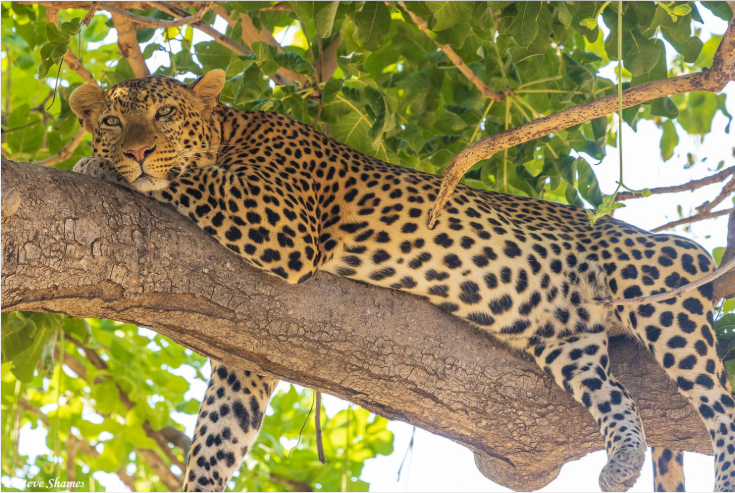
Leopards are present but can be difficult to locate because they are naturally secretive. Spotted hyenas, jackals, and smaller carnivores may also be encountered.
Patience is essential. Nyerere rewards travelers who appreciate the complete ecosystem rather than concentrating exclusively on a checklist of famous animals.
Nyerere is an excellent destination for bird enthusiasts because it contains both aquatic and terrestrial habitats. Riverbanks, lakes, grasslands, and woodlands attract resident and migratory species.
Birds that may be observed include:
The green season can be especially rewarding for birding. Landscapes become lush, resident species display breeding plumage, and migratory birds may be present.
Travelers with a strong interest in birds should tell their safari operator in advance. The company can assign a guide with specialist birding knowledge when available.
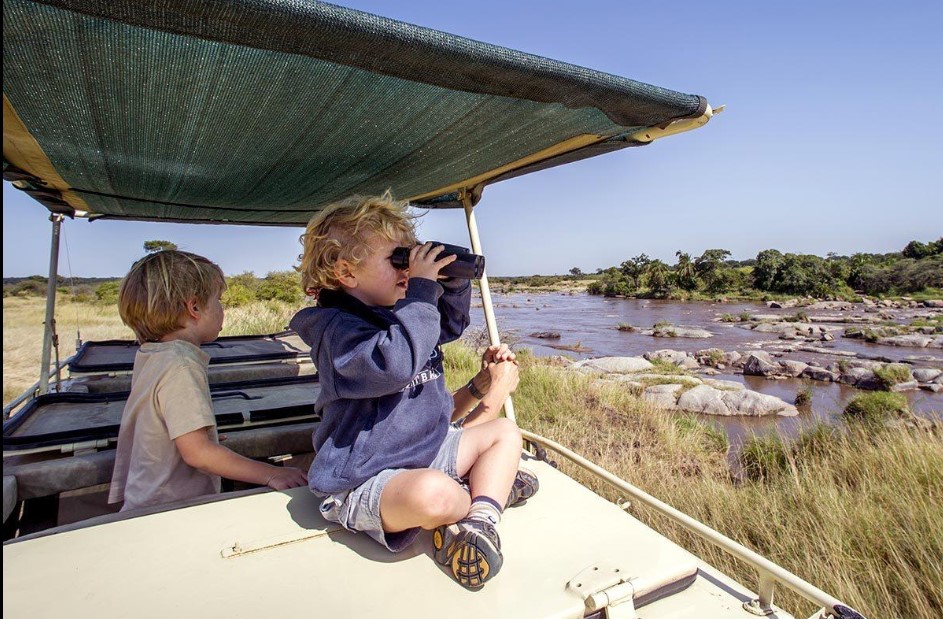
Game drives remain the foundation of most Nyerere safaris. Travelers explore the park in a 4x4 safari vehicle, usually with an open or pop-up roof for unobstructed viewing.
Morning drives normally begin when temperatures are cooler and wildlife is more active. Afternoon drives offer changing light and the possibility of seeing animals approaching rivers or lakes.
A full-day game drive allows visitors to travel farther from camp. It often includes a picnic lunch at a designated location.
A boat safari is one of the signature experiences in Nyerere. It gives travelers opportunities to see hippos, crocodiles, waterbirds, and mammals approaching the river to drink.
Short boat excursions often last approximately two to three hours and may operate in the morning or late afternoon, depending on local arrangements. Rufiji River boat-safari information.
Late-afternoon trips are popular because they may conclude around sunset. However, water levels, weather, safety conditions, and lodge location can affect scheduling.
A walking safari changes the scale of the experience. Rather than covering long distances in a vehicle, visitors concentrate on tracks, insects, plants, droppings, bones, birds, and smaller features of the ecosystem.
Walks are normally conducted by an appropriately qualified guide, sometimes accompanied by an armed ranger where required.
Participants must follow the guide’s safety instructions carefully. Closed shoes, neutral clothing, and a reasonable level of fitness are recommended.
Walking safaris are subject to local regulations, weather, wildlife conditions, and the services offered by the selected accommodation.
Nyerere is highly rewarding for photographers. Its river landscapes, uncrowded routes, dramatic sunsets, and diverse wildlife create opportunities for both wide environmental photographs and close wildlife portraits.
A private vehicle is the best choice for serious photographers because it provides more freedom to choose seating positions and remain longer at sightings.
Bring sufficient batteries and memory cards. A dust cover, lens-cleaning equipment, and a beanbag for supporting a long lens are also helpful.
Nyerere can offer rewarding experiences at different times of the year, but seasonal conditions affect accessibility, animal distribution, landscapes, and prices.
The dry season is generally considered the best period for conventional wildlife viewing. Vegetation becomes thinner, and animals gather around remaining water sources.
Advantages include:
July through October can be particularly popular. Travelers planning for these months should book flights and accommodation well in advance.
Rain transforms the landscape into a rich green environment. Birding can be excellent, newborn animals may be seen, and visitor numbers are often lower.
Possible advantages include:
Rainfall may make some roads difficult to use, and certain camps can close during the heaviest rains. Conditions vary annually, so travelers should confirm access and camp operations before booking.
Visit during the dry months if your highest priority is dependable game viewing. Consider the green season if you prefer landscapes, birdlife, fewer visitors, and a quieter atmosphere.
There is no completely predictable wildlife calendar. Rain patterns and animal movements can change from one year to another.
A minimum of three days is recommended for a meaningful guided Nyerere National Park safari trip, particularly when traveling by air.
A three-day safari provides time for several activities but still moves quickly. Four days creates a more balanced experience, while five days or longer allows travelers to explore at a relaxed pace.
A possible three-day itinerary includes:
Day 1: Dar es Salaam to Nyerere
Fly or drive from Dar es Salaam to the park. After arriving and checking in, enjoy an afternoon activity such as a game drive or boat safari.
Day 2: Full Safari Day
Begin with an early breakfast and spend the day exploring by vehicle. Stop for lunch in the park or return to the lodge, depending on the chosen program. A boat safari may be included in the late afternoon if it was not completed on the first day.
Day 3: Morning Activity and Departure
Take an early game drive or guided walk before returning to camp for breakfast and departing for Dar es Salaam or Zanzibar.
A four-day itinerary is one of the best options for first-time visitors:
Day 1: Travel to Nyerere and enjoy an afternoon boat safari.
Day 2: Full-day game drive with a picnic lunch.
Day 3: Morning walking safari followed by an afternoon game drive.
Day 4: Final morning activity and departure.
This arrangement combines water, walking, and vehicle-based exploration without making the journey feel rushed.
Five days allows greater flexibility. You can dedicate additional time to photography, birdwatching, longer game drives, or relaxation at a riverfront lodge.
It also gives the guide more opportunities to search for elusive animals such as wild dogs and leopards.
Flying is the fastest and most convenient option. Scheduled and charter flights may connect Nyerere with Dar es Salaam, Zanzibar, Arusha, or other safari destinations, depending on the season and airline schedule.
Several airstrips serve different sections of the park. Your safari operator must select the airstrip closest to your accommodation.
Light aircraft normally have strict luggage restrictions, and soft-sided travel bags are usually preferred. Confirm the permitted weight before packing.
Nyerere can be reached by road from Dar es Salaam. The journey takes much longer than flying, and actual travel time depends on the departure point, traffic, weather, road conditions, and location of the camp.
A road safari can be more affordable and allows travelers to see rural areas along the way. However, it is important to use an appropriate safari vehicle and an experienced driver-guide.
Road access may become more challenging during the rainy season.
Some travelers include a train journey as part of a broader southern Tanzania adventure, followed by a road transfer. This requires careful planning because railway schedules and transfer connections may change.
For a short holiday, flying or traveling entirely by private safari vehicle is normally more practical.
Nyerere provides accommodation for different travel styles, although options are not as numerous as in Tanzania’s Northern Circuit.
Luxury lodges may offer spacious rooms or suites, private verandas, swimming pools, premium meals, and personalized service. Many occupy attractive locations near rivers or lakes.
Some packages include most safari activities, meals, and selected drinks. Always check what is covered before comparing prices.
Tented camps provide a close connection with nature while retaining essential comfort. A typical permanent safari tent may include a bed, private bathroom, hot shower, lighting, and a veranda.
Some camps are seasonal and close during periods of heavy rain.
Mid-range properties balance comfort and price. Standards vary, so travelers should examine room descriptions carefully rather than relying only on labels such as “standard” or “comfort.”
Important questions include:
Staying inside the park can reduce daily transfer times and create a deeper wilderness experience. Properties outside the park may offer more affordable rates but can require additional driving to reach the main wildlife areas.
Park-entry timing and activity locations can influence the total value of each option. Ask your operator to explain these differences clearly.
Inclusions vary, but a well-organized package may cover:
Common exclusions may include:
Request a written list of inclusions and exclusions before paying a deposit.
The cost of a guided Nyerere National Park safari trip depends on:
Private road safaris may become more economical when vehicle costs are divided among several travelers. Fly-in packages usually cost more but save significant travel time.
Luxury camps can also operate on packages that include accommodation, meals, drinks, and scheduled activities. A cheaper room rate is not always a cheaper complete safari if game drives and transfers must be purchased separately.
Because park fees, flight fares, and lodge rates can change, travelers should request a personalized quotation for their specific dates.
Pack lightly, especially when using domestic flights.
Recommended items include:
Avoid military-style camouflage clothing because its use by civilians can be restricted or viewed negatively in some destinations. Bright white clothing also shows dust quickly.
Consult a qualified travel-health professional before visiting Tanzania. Advice may depend on your medical history, home country, itinerary, and current public-health requirements.
Travel insurance should cover medical emergencies, evacuation, cancellation, lost luggage, and the safari activities included in your program.
During the trip:
Wild animals are unpredictable. Safe distances and responsible conduct are more important than obtaining a close photograph.
A responsible safari protects wildlife while supporting communities and conservation.
Choose an operator that uses qualified guides, respects park regulations, pays official fees, and avoids pressuring animals for photographs.
Travelers can also help by:
A good safari should leave the environment undisturbed and contribute positively to its long-term protection.
Nyerere works well as part of a broader Tanzania holiday.
This is one of the most attractive combinations for travelers wanting wildlife and beach relaxation. Depending on flight schedules, visitors may fly between Zanzibar and an airstrip near their safari camp.
A typical holiday might include three or four nights in Nyerere followed by four to seven nights in Zanzibar.
Combining Nyerere with Ruaha creates an outstanding Southern Circuit safari. Nyerere contributes river scenery and boat activities, while Ruaha offers rugged landscapes, large elephant populations, and excellent predator viewing.
This combination is best suited to travelers with at least seven or eight safari days.
Mikumi can be combined with Nyerere on a road-based southern itinerary. The journey requires sufficient time, and road conditions must be considered.
Mafia Island is ideal for travelers interested in diving, snorkeling, marine landscapes, and quiet beaches. Flight connections should be checked carefully when designing the itinerary.
Nyerere is an excellent choice for travelers who:
Travelers whose only priority is seeing extremely large concentrations of plains animals may prefer to combine Nyerere with another park. Nyerere’s strength lies in its diverse activities, landscapes, river ecosystem, and wilderness character.
Before confirming your trip, ask your operator:
A reliable operator should provide a detailed itinerary, transparent price, payment terms, and emergency contact information.
A guided Nyerere National Park safari trip reveals a quieter and more adventurous side of Tanzania. The Rufiji River, extensive woodland, open plains, lakes, and seasonal wetlands support a remarkable wildlife community while creating opportunities for game drives, boat safaris, walking experiences, and birdwatching.
Choosing an experienced local safari operator makes the journey easier and more rewarding. Your operator can coordinate transportation, accommodation, park fees, guides, meals, and activities while designing the itinerary around your available time and travel style.
Whether you are planning a short safari from Zanzibar, a romantic honeymoon, a private photographic trip, or a longer Southern Circuit adventure, Nyerere offers space, variety, and genuine wilderness.
Contact Kilipath African Safaris to create a personalized guided Nyerere National Park safari trip based on your travel dates, accommodation preferences, group size, and budget. Our team can arrange private transportation, domestic flights, carefully selected safari camps, Rufiji River boat trips, professional guides, and combinations with Zanzibar, Ruaha, Mikumi, or other Tanzanian destinations.
A Lake Manyara safari can cost USD 150–220 per person for a shared day trip from Arusha. A published example of a…
Read articleA Nyerere Tanzania wildlife safari can take you from a woodland game drive in the morning to a boat on the Rufiji…
Read articlePlanning a Tanzania safari that combines Lake Manyara National Park and Nyerere National Park is an excellent way to experience the country's…
Read articleDiscover Tanzania’s untamed wilderness without exceeding your travel budget. A budget Ruaha safari adventure offers incredible wildlife encounters, spectacular landscapes, authentic African…
Read article