

Nyerere Tanzania Wildlife Safari Guide
A Nyerere Tanzania wildlife safari can take you from a woodland game drive in the morning to a boat on the Rufiji…
Read articleArusha City - Tanzania
Safari & Travel Tips
September 3, 2026 · 21 min read
Planning a photography safari in Tanzania requires more than choosing a few famous national parks. Wildlife photographers need sufficient time at sightings, suitable vehicles, knowledgeable guides, carefully selected accommodation, and an itinerary designed around the best light of the day.
A standard safari may focus on seeing as many animals and destinations as possible. A photography safari takes a slower and more flexible approach. Instead of leaving a sighting quickly, you may spend additional time waiting for an animal to turn toward the camera, move into better light, interact with another animal, or begin hunting.
This complete guide answers the most important questions about photography Tanzania safari package planning. It will help you select the right destinations, season, itinerary, vehicle, equipment, and level of accommodation for your trip.
A Tanzania photography safari package is a wildlife tour specifically designed for travelers who want excellent opportunities to photograph animals, landscapes, birds, local communities, and natural events.
A complete package may include:
The main difference between an ordinary safari and a photography safari is flexibility. Photographers usually need more time, fewer passengers in the vehicle, better positioning, early departures, and opportunities to remain in productive areas until the light or animal behavior changes.
Tanzania offers an exceptional combination of wildlife, landscapes, birdlife, cultural experiences, and protected wilderness. Its northern and southern safari circuits provide very different photographic environments.
Photographers can capture:
The country is also home to famous destinations such as Serengeti National Park, Ngorongoro Crater, Tarangire National Park, Lake Manyara National Park, Ruaha National Park and Nyerere National Park.
Because each area offers different wildlife, scenery and seasonal conditions, good photography Tanzania safari package planning should be based on what you want to photograph—not simply which parks are most famous.
The Serengeti is Tanzania’s most celebrated wildlife photography destination. Its open plains create clean backgrounds and excellent visibility, particularly for big cats and large herbivores.
Possible photographic subjects include:
The Serengeti is divided into several regions, and the best area depends on the month of travel.
Central Serengeti, also known as Seronera, offers productive wildlife viewing throughout the year. The southern Serengeti and Ndutu region are especially attractive during the calving season. Northern Serengeti is famous for migration river crossings between approximately July and October, although wildlife movements depend on rainfall and cannot be guaranteed.
Ngorongoro Crater provides the opportunity to photograph many species within a relatively compact area. The crater floor contains grasslands, wetlands, woodland and a seasonal lake.
Photographers may encounter:
Descending early is strongly recommended. Morning light is softer, temperatures are cooler, and animals are often more active. Early entry can also help photographers enjoy productive sightings before more vehicles arrive.
The crater rim is another important photographic location. It offers expansive views across the caldera, particularly when mist, clouds and changing light create dramatic atmospheric conditions.
Tarangire is known for its elephants, ancient baobab trees, seasonal river and varied landscapes. It is particularly rewarding during the dry season, when wildlife gathers around dependable water sources.
Photographic opportunities include:
Tarangire is an excellent place for environmental wildlife photography, where animals are shown as part of a wider landscape.
Lake Manyara offers forest, woodland, wetlands, escarpment views and birdlife. Although wildlife distribution can change with water levels and seasonal conditions, the park can still provide varied photographic opportunities.
Possible subjects include:
Lake Manyara can be included in a longer northern circuit itinerary, but travelers with limited time may prefer to allocate an additional day to Serengeti, Ngorongoro or Tarangire.
Ndutu is one of Tanzania’s best seasonal photography areas. It is particularly famous for the wildebeest calving period, generally from December through March, with peak activity often occurring around January and February.
Photographers may capture:
The exact location and timing of the herds depend on rainfall. A flexible itinerary and an experienced guide are therefore essential.
Northern Serengeti is best known for the Mara River and seasonal wildebeest crossings. It is usually most popular from July to October.
River crossings are unpredictable. A photographer may wait for hours or even days before the herds enter the river. For this reason, a northern Serengeti photography safari should include at least three nights in the area whenever time and budget permit.
This region is most suitable for a private safari. Shared group itineraries normally follow fixed routes and generally do not include the remote northern Serengeti.
Ruaha is an excellent choice for photographers looking for a quieter and more remote safari. It is known for elephants, lions, wild dogs, baobabs and rugged landscapes.
Compared with the busiest parks of the northern circuit, Ruaha often has fewer vehicles at sightings. This creates better opportunities for patient observation and cleaner compositions.
Ruaha is especially suitable for:
Nyerere National Park offers a different safari environment, with rivers, lakes, woodland and open areas. Depending on the selected camp and itinerary, travelers may combine traditional game drives with boat safaris.
Photography subjects may include:
Boat safaris can offer unusual perspectives, but camera equipment must be protected carefully from water and spray.
There is no single best month for every photographer. The ideal time depends on the subjects, landscapes and experiences you want to capture.
The dry season generally provides easier wildlife viewing because vegetation becomes thinner and animals gather around water.
Advantages include:
Possible disadvantages include higher visitor numbers, dust and premium high-season prices.
This period is excellent for the southern Serengeti and Ndutu region. Photographers visit for green landscapes, newborn wildebeest and predator activity.
Advantages include:
Rain can occur, but it often creates attractive light, vivid colors and interesting skies.
These are traditionally wetter months in many parts of Tanzania. Some camps close temporarily, and certain roads may be challenging. However, photographers can enjoy green landscapes, dramatic weather and fewer vehicles.
Travel during this period requires careful logistical planning and accommodation confirmation.
These months are commonly selected for northern Serengeti migration photography. River crossings may happen during this period, but their precise timing cannot be predicted.
Travelers should understand that no operator or guide can guarantee a river crossing. Increasing the number of nights in northern Serengeti improves the opportunity to witness one.
A photography safari should avoid an itinerary that is too rushed. Long driving distances and frequent lodge changes reduce the time available for photography.
A short safari can cover Tarangire, Serengeti and Ngorongoro. It is suitable for travelers with limited time, but it offers less flexibility.
This is an excellent duration for a first photography safari. It allows more time in Serengeti and reduces pressure to move quickly between parks.
A possible seven-day itinerary is:
A longer itinerary is recommended for serious photographers. It allows multiple days in important wildlife areas, seasonal route adjustments and time for both wide environmental scenes and detailed animal portraits.
A longer safari can also combine different regions, such as Tarangire, Ngorongoro, Central Serengeti and Northern Serengeti or Ndutu.
For the best comfort, two photographers per vehicle is ideal. Each person can use an entire seat row and photograph from either side.
Three photographers can also travel comfortably if the vehicle has sufficient space and an appropriate seating arrangement. Larger groups may require more than one vehicle.
Every photographer should have:
Before confirming a package, ask the operator about the exact number of travelers and photographers assigned to each vehicle.
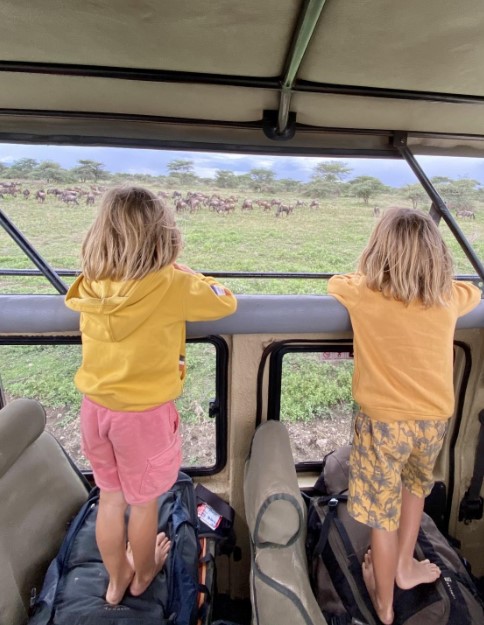
A suitable photography vehicle should be a well-maintained 4x4 Land Cruiser with a pop-up roof.
Useful features include:
Some specialized vehicles offer removable windows, extended roof openings or custom camera supports. These features are helpful but are not always necessary for excellent photography.
The most important factors are space, visibility, vehicle reliability and a guide who understands positioning.
A knowledgeable guide can have a greater impact on your photographs than expensive equipment.
A good photography safari guide should understand:
Tell your guide what you hope to photograph. If you prefer birds, predators, elephants, landscapes or behavioral moments, this information will help shape the game drives.
Communication is essential. Let the guide know whether you need the vehicle moved slightly forward, backward or into a different angle. All movements must remain safe and follow park rules.
The best camera setup depends on experience, weight restrictions and personal style. A flexible wildlife photography kit may include:
A lens in the 100–400mm or 200–600mm range is useful for many wildlife situations. A 70–200mm lens is excellent for larger animals and environmental compositions. A wide-angle lens can be used for landscapes, camps and cultural photography.
Two camera bodies are convenient because they reduce the need to change lenses in dusty conditions.
A full-size tripod is rarely essential during a standard game drive because space inside the vehicle is limited. A beanbag is often more practical for supporting a long lens on the window frame or roof area.
A monopod may also be useful, depending on the vehicle layout.
A tripod can still be valuable for:
Ask your tour operator whether beanbags are provided. If not, bring an empty beanbag and fill it locally with rice, beans or another suitable material.
Dust is common during Tanzania’s dry season. It can enter camera bags, settle on lenses and affect camera sensors.
To protect equipment:
Avoid performing aggressive sensor cleaning unless you have experience. A simple blower is often safer while traveling.
Many safari vehicles have charging sockets or USB connections. Most lodges and tented camps also provide electricity, although power may be available only during specific hours.
Bring:
Travelers staying at public campsites may have more limited access to electricity. Solar power or central charging stations may be available, but this should be confirmed before departure.
Do not rely on a single battery or charging method.
Drone use is restricted and requires advance authorization from the relevant Tanzanian authorities and, where applicable, protected-area management.
Travelers should not assume that a drone can be flown inside a national park. Unauthorized flying may lead to confiscation, fines or other consequences.
Anyone planning professional aerial filming should begin the permit process well in advance and obtain written confirmation. Regulations and application procedures may change, so current requirements should always be verified before travel.
The right accommodation depends on budget, comfort expectations and the areas you want to photograph.
Lodges normally offer permanent rooms, private bathrooms, restaurants and dependable services. They are comfortable but may be farther from some wildlife areas.
Tented camps provide an immersive bush experience while still offering beds, private bathrooms and meals. Mobile or seasonal camps can be positioned near migration areas.
Camping is the most affordable choice. It can include tents, mattresses, sleeping bags, meals prepared by a safari chef, and shared bathroom facilities.
For photographers, location is often more important than luxury. Staying inside or close to a national park can reduce morning travel time and make early game drives easier.
Staying inside a park usually improves access to early-morning and late-afternoon photography. It reduces the time spent driving from an outside lodge to the park gate.
Advantages may include:
Accommodation outside the park is often more affordable and may provide larger rooms or additional facilities.
The best decision depends on the itinerary. In Serengeti, staying near the intended game-drive area is particularly important because the park is enormous.
The price depends on:
A private photography safari generally costs more than a shared tour because the vehicle and guide are reserved exclusively for your party. However, the price per person may become more affordable when two or more travelers share the private vehicle.
Camping provides the lowest-cost option. Mid-range lodges and tented camps balance comfort and price, while luxury camps provide premium locations, service and accommodation.
Request a detailed quotation showing what is included and excluded. This makes it easier to compare packages accurately.
Inclusions commonly cover:
Possible exclusions include:
Always check the written itinerary and inclusion list before paying a deposit.
Yes. Early departures are strongly recommended for wildlife photographers.
Morning light is softer, shadows are less harsh, and many predators are still active. Temperatures are also cooler.
In Serengeti, photography game drives may begin around sunrise, depending on park rules, camp location and the agreed schedule. Ngorongoro Crater visits should also begin as early as possible.
A private safari makes early departures easier because the schedule does not depend on other travelers.
On a private safari, you can normally remain at a sighting for as long as conditions, park rules and the day’s schedule allow.
Patience is one of the most important parts of wildlife photography. An animal that appears inactive may suddenly:
Guides must still consider vehicle regulations, respectful viewing practices, park closing times and the needs of wildlife.
No ethical safari operator can guarantee a particular animal, hunt, river crossing or interaction. Tanzania’s wildlife is free-ranging and natural events are unpredictable.
An experienced guide can improve your chances by understanding habitats, animal behavior, tracks, seasonal movement and information shared through guide radio networks.
A good itinerary also increases opportunities by allowing enough time in the most productive areas.
A Serengeti balloon safari provides a unique aerial perspective of the landscape and wildlife. It can be especially beautiful around sunrise.
However, it has some photographic limitations:
A wide-angle or medium zoom lens is usually practical. Secure all equipment carefully and follow the pilot’s instructions.
A balloon flight should be considered an additional experience, not a replacement for ground-based wildlife photography.
Yes. Tanzania has outstanding bird diversity and is rewarding for both specialist bird photographers and general wildlife travelers.
Bird photography is particularly productive around:
Migratory species can add variety during the green season. Bird photographers should tell the operator in advance, as birding requires a slower pace and a guide interested in finding and identifying smaller species.
Choose lightweight, breathable clothing in neutral colors such as khaki, beige, brown, olive or gray.
Recommended items include:
Ngorongoro Crater and highland areas can be cold in the early morning. Layered clothing is the most practical approach.
Avoid very bright colors. Dark blue and black clothing may also attract tsetse flies in some areas.
Soft-sided luggage is recommended because it fits more easily inside safari vehicles and small aircraft.
Domestic flights often have strict baggage limits, sometimes including hand luggage and camera equipment in the total allowance. Exact rules vary between airlines and ticket types.
If your itinerary includes a domestic flight:
Large suitcases can sometimes be stored in Arusha while you are on safari.
Comprehensive travel insurance is strongly recommended.
The policy should cover:
Standard policies may place low limits on camera equipment. Professional or high-value equipment may require separate specialist coverage.
Keep copies of equipment serial numbers, purchase receipts and insurance documents.
Tanzania safaris are generally safe when travelers follow the instructions of guides and accommodation staff.
Important precautions include:
Wild animals may enter unfenced camps. This is part of the safari environment, and staff will explain the correct safety procedures.
Absolutely. A photography safari is suitable for beginners, enthusiasts and professionals.
Beginners do not need the most expensive camera equipment. Understanding light, stability, focus and composition can produce better results than carrying complicated equipment that is difficult to operate.
Before traveling, practice:
Learning these controls before the safari allows you to respond quickly when wildlife appears.
Professional photographers, filmmakers and commercial content creators should discuss their requirements before booking.
Important considerations include:
Commercial photography may require permissions beyond those used by ordinary tourists. Confirm all requirements before arrival.
Yes. A wildlife safari can be combined with a beach holiday or photography trip in Zanzibar.
Travelers can fly between Zanzibar and airports such as Arusha, Kilimanjaro or Serengeti airstrips, depending on the itinerary and available flight schedules.
Zanzibar offers opportunities to photograph:
When photographing people, ask permission respectfully, especially in villages, markets and religious areas.
For popular seasons, booking six to twelve months ahead is recommended. Northern Serengeti migration camps, Ndutu camps and well-positioned Serengeti properties can fill early.
Last-minute bookings may still be possible, but accommodation choices can be limited.
Book early if you require:
Choose a company with local knowledge, clear communication and experience creating private itineraries.
Ask the operator:
A trustworthy operator should provide a written itinerary, transparent price, accommodation list, payment terms and clear inclusions.
Arrive at Kilimanjaro International Airport or Arusha Airport and transfer to your hotel. Meet your safari representative for a briefing and equipment discussion.
Drive to Tarangire for elephant, baobab and landscape photography. Continue the game drive into the afternoon before proceeding to your lodge or camp.
Travel toward Serengeti, photographing changing landscapes along the way. Enter the park and begin an afternoon game drive.
Depart early to search for lions, leopards, cheetahs and other wildlife. Spend time at productive sightings and return to camp after the afternoon game drive.
Enjoy another complete photography day. The schedule can focus on specific animals, habitats or lighting conditions according to recent sightings.
Take a final morning game drive before traveling toward the Ngorongoro Conservation Area. Photograph the landscape from the crater rim if conditions allow.
Descend early for a crater game drive. Search for black rhinos, lions, elephants, buffaloes, hippos and flamingos. Continue to accommodation near Karatu.
After breakfast, return to Arusha. Depending on the flight schedule, continue to Arusha Airport, Kilimanjaro International Airport or an Arusha hotel.
The itinerary can be extended or adjusted according to the season. During the calving period, additional nights may be added in Ndutu. From July to October, a longer itinerary may include northern Serengeti.
Before confirming your safari, make sure you have:
Successful wildlife photography depends on preparation, patience and access to the right locations. Kilipath African Safaris can create a private Tanzania photography safari package based on your preferred travel dates, budget, accommodation level and photographic interests.
Whether you want to capture the Serengeti migration, Ndutu calving season, Tarangire elephants, Ngorongoro wildlife, colorful birds or the remote wilderness of southern Tanzania, your itinerary can be designed around the subjects that matter most to you.
Contact Kilipath African Safaris with the following details:
We will help you build a comfortable, flexible and carefully planned photography safari through Tanzania.
A Nyerere Tanzania wildlife safari can take you from a woodland game drive in the morning to a boat on the Rufiji…
Read articlePlanning a Tanzania safari that combines Lake Manyara National Park and Nyerere National Park is an excellent way to experience the country's…
Read articleDiscover Tanzania’s untamed wilderness without exceeding your travel budget. A budget Ruaha safari adventure offers incredible wildlife encounters, spectacular landscapes, authentic African…
Read articleA Nyerere Tanzania wildlife safari offers an extraordinary opportunity to discover one of Africa's most spectacular wilderness destinations. From magnificent elephants and…
Read article

