

Budget Ngorongoro Crater Safari Holiday
Planning a budget Ngorongoro Crater safari holiday from Arusha? Compare a crater day trip, a two-day Tarangire and Ngorongoro safari, or a…
Read articleArusha City - Tanzania
Safari & Travel Tips
September 4, 2026 · 11 min read
A guided Tanzania safari itinerary is a planned wildlife journey led by a professional safari driver-guide who handles navigation, game drives, park logistics and wildlife interpretation throughout the trip.
For first-time visitors, one of the most popular routes is Tanzania's Northern Safari Circuit, connecting Tarangire National Park, Serengeti National Park and Ngorongoro Crater, with Lake Manyara often added depending on the number of available days. Tanzania's official tourism information also highlights Tarangire, Ngorongoro and Serengeti as key destinations on the Northern Circuit.
A guided safari allows travelers to concentrate on wildlife and scenery instead of worrying about unfamiliar roads, national park procedures or finding productive wildlife areas.
For travelers visiting Tanzania for the first time, a 5–7 day Northern Circuit safari is one of the most balanced options.
A typical route is:
Arusha → Tarangire → Serengeti → Ngorongoro Crater → Arusha
With additional time, Lake Manyara can be included.
Seven-day routes commonly combine Tarangire, Serengeti and Ngorongoro while allowing more time for game drives instead of constantly moving between destinations.
Most guided safari packages include the essential services required to travel comfortably between Tanzania's wildlife areas.
Depending on the package, your safari may include:
Private and shared-group safari packages may have different inclusions, so travelers should always check the quotation carefully before booking.
Having an experienced guide can significantly improve a Tanzania wildlife safari.
Guides understand wildlife behavior, road conditions, seasonal animal movements and productive game-viewing areas. They also communicate with other guides and can adjust the route when wildlife activity changes.
A guided 4x4 safari is the normal way many travelers explore Tanzania's major national parks.
Your guide can also explain animal behavior, plants, ecosystems and local culture, turning wildlife sightings into a deeper experience.
Welcome to Tanzania.
After arriving at Kilimanjaro International Airport, your driver can transfer you to your accommodation in Arusha.
Arusha is the main gateway for safaris to northern Tanzania and provides a convenient location to rest before starting your wildlife journey.
Your safari representative can brief you about:
Spend the evening relaxing before your adventure begins.
Overnight: Arusha.
After breakfast, meet your professional safari guide and drive toward Tarangire National Park.
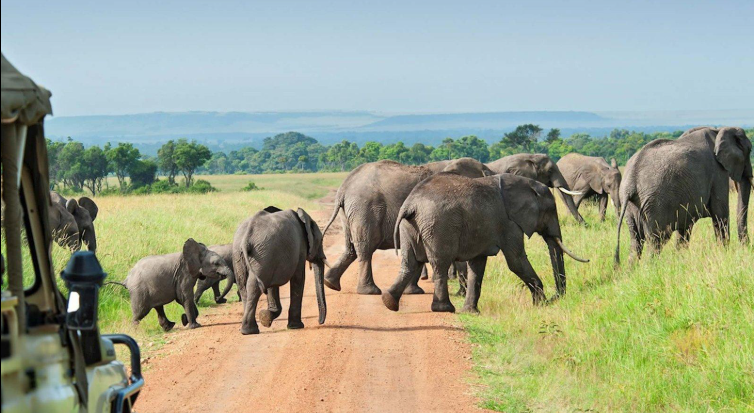
Tarangire is particularly famous for its elephant populations and distinctive baobab-filled landscapes. Tanzania Tourism also highlights elephant herds and baobab scenery among the park's main attractions.
During your game drive, look for:
Your guide will choose wildlife-rich areas according to current conditions.
Enjoy lunch during the safari before continuing your afternoon game drive.
Later, drive to your lodge or tented camp for dinner and relaxation.
Overnight: Tarangire area or Karatu.
After breakfast, continue toward the legendary Serengeti National Park.
The journey passes through beautiful landscapes as you travel toward one of Africa's most celebrated wildlife ecosystems.
Eventually, the scenery opens into seemingly endless plains.
Your Serengeti experience begins with an afternoon game drive.
Possible sightings include:
Your guide will search for predators and other wildlife while explaining the Serengeti ecosystem.
Overnight: Central Serengeti.
Wake early for one of the most exciting days of your guided Tanzania safari itinerary.
Spend the entire day exploring Serengeti National Park.
The Serengeti's vast plains and diverse wildlife make it one of Tanzania's signature safari destinations.
Morning hours can be especially rewarding because wildlife is often active before temperatures rise.
Your guide may search for:
Serengeti contains excellent lion habitat, and prides can often be found around grasslands, rivers and rocky kopjes.
Your guide may check acacia trees and riverine areas where leopards sometimes rest.
Open plains offer excellent hunting habitat for cheetahs.
Large numbers roam the Serengeti ecosystem, with spectacular concentrations occurring during different stages of the Great Migration.
Enjoy lunch before continuing the game drive through the afternoon.
Overnight: Serengeti National Park.
Yes.
However, your itinerary should be designed according to your travel month because the herds move through different parts of the greater Serengeti ecosystem during the year.
Depending on seasonal conditions, itineraries may focus on areas such as:
December–March: Southern Serengeti and Ndutu region
This period corresponds broadly with the calving-season movement of the herds.
April–June: Central and western sections of the ecosystem
The herds gradually move north and west.
July–October: Northern Serengeti
Travelers often visit northern areas during the period associated with Mara River crossings.
The exact position of the herds cannot be guaranteed because rainfall affects migration movements.
Enjoy another morning safari in Serengeti before gradually traveling toward the Ngorongoro Conservation Area.
This gives you additional opportunities to encounter wildlife before leaving the plains.
The landscape changes significantly as you approach the highlands.
Your guide may stop at scenic viewpoints along the journey.
Depending on your itinerary, an optional cultural experience at a Maasai community may also be arranged.
Continue to your lodge near Ngorongoro.
Temperatures around the crater highlands can become noticeably cooler than Serengeti.
Overnight: Ngorongoro or Karatu.
After an early breakfast, drive to the Ngorongoro Crater and descend to the crater floor for a spectacular game drive.
Ngorongoro is one of Tanzania's most remarkable wildlife areas and is recognized as one of the Northern Circuit's major attractions.
Wildlife you may encounter includes:
The endangered black rhinoceros may also be seen, although sightings can never be guaranteed.
Your guide will search different habitats around the crater while explaining its unique ecosystem.
Enjoy picnic lunch before continuing your safari.
Later in the afternoon, leave the crater and return toward Karatu.
Overnight: Karatu.
Your final day can be customized according to your flight schedule.
One option is visiting Lake Manyara National Park.
The park provides a very different environment compared with Serengeti and Ngorongoro.
You may encounter:
After your game drive, return to Arusha.
Depending on your onward journey, you may be transferred to your hotel, Arusha Airport or Kilimanjaro International Airport.
This marks the end of your guided Tanzania safari.
A short safari can normally focus on two or three nearby destinations.
For example:
Tarangire → Ngorongoro → Lake Manyara
or
Serengeti → Ngorongoro
This option works well for travelers with limited time.
A 4-day itinerary can combine:
Tarangire → Serengeti → Ngorongoro
It offers a strong introduction to Tanzania's wildlife but normally involves more driving.
Five days provides better balance between game viewing and travel.
A common itinerary is:
Tarangire → Serengeti → Serengeti → Ngorongoro → Arusha
This allows more valuable time inside Serengeti.
Six days can provide:
Tarangire → Serengeti → Serengeti → Ngorongoro → Lake Manyara
A longer stay makes the safari feel less rushed.
Seven days is ideal for many first-time travelers because it gives enough time to combine several Northern Circuit destinations with multiple Serengeti game drives. Several current Tanzania safari itineraries similarly structure a week around Tarangire, Serengeti and Ngorongoro.
A guided Tanzania safari is normally conducted in a 4x4 Land Cruiser designed for wildlife viewing.
Common features include:
The raised roof allows passengers to stand safely during sightings and photograph wildlife from different angles.
A private safari gives you your own vehicle and professional guide.
This means greater flexibility.
You can spend longer photographing lions, wait near a leopard sighting or adjust departure times depending on the day's plan.
Private safaris are particularly suitable for:
This is generally the dry season.
Wildlife often gathers around permanent water sources, and vegetation may make animals easier to locate.
It is also a popular travel period, so accommodation should be reserved early.
This can be an excellent time for Serengeti and Ndutu safaris, particularly for travelers interested in migration activity and the calving period.
These months normally receive more rainfall.
Landscapes become very green, visitor numbers can be lower and some properties offer attractive seasonal rates.
No wildlife sighting can be guaranteed, but Tanzania offers opportunities to encounter an extraordinary variety of species.
Travelers may see:
Big Five
Other common safari animals include:
Bird enthusiasts can also enjoy Tanzania's remarkable birdlife.
Yes.
Family safaris can be adapted for children by reducing long driving periods and selecting family-friendly accommodation.
A good family itinerary normally includes:
Private safaris usually provide the greatest flexibility for families.
Yes.
Most safari lodges and camps can accommodate dietary requirements when informed before arrival.
Common requests include:
Travelers should communicate serious allergies clearly during booking so the safari company can notify each accommodation property.
Absolutely.
One of Tanzania's most popular combinations is:
Safari + Zanzibar Beach Holiday
After exploring Tarangire, Serengeti and Ngorongoro, travelers can fly from Serengeti or Arusha to Zanzibar.
A typical combination might be:
6 days safari + 4 days Zanzibar
or
7 days safari + 5 days Zanzibar
This creates a balanced wildlife-and-beach vacation.
Useful safari items include:
A jacket is especially useful for early morning game drives and visits to the Ngorongoro highlands.
For peak travel periods, booking several months in advance is strongly recommended.
This becomes particularly important for:
Migration routes and high-season accommodation can become limited well before arrival dates.
Safari prices depend on several factors rather than having one universal rate.
The main factors include:
Number of safari days
Longer safaris increase park, vehicle, guide and accommodation expenses.
Accommodation level
Camping is normally less expensive than mid-range or luxury lodges.
Private or shared safari
Private safari costs are divided among fewer travelers, while shared tours spread expenses across the group.
Travel season
Peak-season accommodation can cost considerably more.
Destinations
Routes involving remote Serengeti regions or domestic flights normally cost more than shorter driving circuits.
The best approach is therefore to request a personalized quotation based on travel dates, number of travelers and accommodation preference.
A safari guide contributes much more than driving the vehicle.
An experienced guide can identify tracks, interpret animal behavior and locate wildlife that an inexperienced visitor may completely miss.
Your guide can also explain:
Because wildlife movements change every day, knowledgeable guiding can make a major difference to the quality of the safari.
The best guided Tanzania safari itinerary combines enough wildlife-viewing time with realistic travel distances.
For many travelers, a route through Tarangire, Serengeti and Ngorongoro Crater provides an outstanding introduction to Tanzania's Northern Circuit. Travelers with additional time can add Lake Manyara, Northern Serengeti, Ndutu, cultural experiences or Zanzibar.
Rather than trying to visit every destination in the shortest possible time, prioritize longer game drives and enough nights in Serengeti. This gives your professional guide more opportunity to locate wildlife and allows you to experience Tanzania without constantly rushing between parks.
A well-designed guided safari can be adjusted for budget camping, mid-range lodges, luxury tented camps, private family safaris, honeymoons or Great Migration trips, making Tanzania suitable for many different travel styles.
Planning a budget Ngorongoro Crater safari holiday from Arusha? Compare a crater day trip, a two-day Tarangire and Ngorongoro safari, or a…
Read articleA Lake Manyara safari can cost USD 150–220 per person for a shared day trip from Arusha. A published example of a…
Read articleExplore Ruaha National Park’s baobab country on a guided safari built around your dates, group size and budget. Spend your game drives…
Read articleA Nyerere Tanzania wildlife safari can take you from a woodland game drive in the morning to a boat on the Rufiji…
Read article

