

Budget Ngorongoro Crater Safari Holiday
Planning a budget Ngorongoro Crater safari holiday from Arusha? Compare a crater day trip, a two-day Tarangire and Ngorongoro safari, or a…
Read articleArusha City - Tanzania
Safari & Travel Tips
September 4, 2026 · 16 min read
An Arusha Tanzania wildlife safari is one of the easiest and most exciting ways to begin exploring the legendary wilderness of northern Tanzania. Arusha is widely used as the gateway to some of Africa's most celebrated safari destinations, including Arusha National Park, Tarangire National Park, Lake Manyara, Ngorongoro Crater and Serengeti National Park.
Travelers can begin with a short wildlife excursion close to the city or use Arusha as the starting point for a multi-day safari through Tanzania's Northern Circuit. Whether you are looking for elephants walking beneath ancient baobab trees, lions resting on the Serengeti plains, giraffes beneath Mount Meru or huge herds inside Ngorongoro Crater, Arusha provides access to an extraordinary variety of wildlife experiences.
Official TANAPA information identifies Arusha National Park as a destination featuring Mount Meru, Momella Lakes and diverse habitats, while nearby Tarangire is particularly associated with elephants and baobabs.
This guide explains everything you should know when planning an Arusha Tanzania wildlife safari, including where to go, what animals you may see, the best time to travel, recommended itineraries, safari styles, costs, accommodation and practical travel tips.
Arusha's location makes it one of Tanzania's most convenient safari bases.
Most Northern Circuit safaris begin here because travelers can easily continue toward Tarangire, Lake Manyara, Ngorongoro and Serengeti. Arusha is also close to Kilimanjaro International Airport and has its own domestic airport for flights to destinations including Zanzibar and various safari airstrips.
The city therefore works well for travelers planning anything from a one-day safari to a week or more in the Tanzanian wilderness.
One of the greatest advantages is variety. From Arusha you can experience:
TANAPA recommends choosing parks according to interests, season, travel route, available time and budget when planning a Tanzania national park trip.
For travelers who have limited time, Arusha National Park provides an excellent introduction to Tanzania's wildlife.
The park lies close enough to Arusha to visit as a day trip, making it popular with travelers arriving before a longer safari or departing the following day.
Its landscapes are very different from the enormous open plains associated with Serengeti. Here you encounter forests, volcanic scenery, grassy areas, crater landscapes and alkaline lakes.
Official Tanzania tourism information highlights Momella Lakes, Ngurdoto Crater and Mount Meru scenery among the principal attractions of an Arusha National Park visit.
Animals commonly associated with the park include:
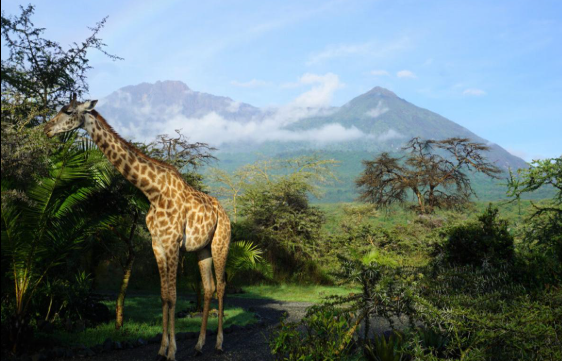
Giraffes are especially memorable here. Seeing one wandering through lush vegetation while Mount Meru rises behind it creates one of northern Tanzania's classic safari scenes.
Arusha National Park should not normally be selected primarily for travelers determined to see large concentrations of lions, cheetahs or elephants. For those species, Tarangire, Ngorongoro and Serengeti usually play a larger role in safari itineraries.
Instead, Arusha National Park is excellent for landscape diversity, primates, giraffes, birds and active safari experiences.
Mount Meru dominates much of the landscape surrounding Arusha National Park.
At approximately 4,566 meters, it is Tanzania's second-highest mountain after Kilimanjaro. Its forested slopes support considerable wildlife and birdlife.
For travelers who want something more active than traditional game drives, Mount Meru can form part of a trekking itinerary before or after a safari.
The mountain also creates spectacular backgrounds for wildlife photography.
The Momella Lakes form another distinctive feature of Arusha National Park.
Their alkaline waters and surrounding vegetation attract many bird species, making this area especially interesting for birdwatchers and photographers.
Depending on conditions, travelers may encounter waterbirds such as flamingos and other species around the lakes.
The combination of lakes, vegetation and mountain scenery gives Arusha National Park a completely different character from Serengeti or Tarangire.
Ngurdoto Crater is sometimes described as a smaller counterpart to Ngorongoro because of its volcanic shape and forested landscape.
Visitors normally admire the crater from viewpoints rather than descending onto its floor.
For photographers, it provides another excellent example of the dramatic geological landscapes found throughout northern Tanzania.
One advantage of an Arusha Tanzania wildlife safari is the opportunity to combine vehicle-based wildlife viewing with a guided walking safari.
Walking through wildlife country creates a completely different safari experience.
Instead of concentrating only on large animals, you begin noticing:
Walking safaris are conducted according to park procedures and generally involve appropriate guides or rangers.
For travelers who want to experience the African bush beyond the vehicle, this can be one of the highlights of an Arusha National Park visit.
Tarangire is another excellent destination for travelers starting their safari from Arusha.
The drive typically takes a few hours depending on road and traffic conditions, meaning Tarangire can be visited either as a day trip or as part of a longer safari.
The park is famous for two things in particular:
elephants and baobab trees.
TANAPA describes Tarangire as a park known for large elephant herds and iconic baobabs.
During the dry season, wildlife frequently concentrates around the Tarangire River, which acts as an important water source.
Official park information explains that wildebeest, zebra and hartebeest move toward the river as surrounding areas become dry, creating particularly good wildlife-viewing opportunities.
Possible sightings include:
Tarangire can be especially rewarding for travelers who love elephants.
Watching a family of elephants move quietly through ancient baobab woodland is one of northern Tanzania's most memorable wildlife experiences.
Lake Manyara can also be incorporated into a safari departing from Arusha.
The park lies beneath the dramatic Rift Valley escarpment and contains forest, woodland, wetlands and lakeshore habitat.
Possible wildlife includes:
TANAPA identifies Lake Manyara as an alkaline lake environment historically known for flamingos and tree-climbing lions.
Wildlife distribution can change depending on rainfall, water levels and seasonal conditions, so sightings are never guaranteed.
If you want high wildlife density within a relatively compact area, Ngorongoro Crater is one of the strongest additions to an Arusha Tanzania wildlife safari.
Travelers typically descend into the crater early in the morning and spend several hours exploring different habitats on the crater floor.
Animals frequently encountered include:
Black rhino sightings are also possible, though they can never be guaranteed.
The combination of dramatic crater walls and abundant wildlife gives Ngorongoro a very different atmosphere from Serengeti.
A typical itinerary from Arusha may include an overnight stay around Karatu or the crater area before entering Ngorongoro early the next morning.
For many travelers, Serengeti is the centerpiece of a Tanzania wildlife safari.
Its enormous plains support an extraordinary range of predators and herbivores.
TANAPA describes Serengeti as world-famous for the Great Migration, endless plains and exceptional wildlife.
Wildlife may include:
Unlike smaller parks that can be explored in one day, Serengeti rewards travelers who spend multiple nights.
Different regions of the ecosystem become important at different times of year.
The Great Migration is one of the main reasons travelers choose Tanzania.
Millions of wildebeest, zebras and other grazing animals move through the greater Serengeti ecosystem in response to rainfall and grazing conditions.
The location of the herds therefore changes throughout the year.
A simplified seasonal pattern is:
| Period | Typical Migration Area |
|---|---|
| December–March | Southern Serengeti / Ndutu |
| April–May | Moving north through central/western areas |
| June | Western and northern movement |
| July–September | Northern Serengeti / Mara River region |
| October | Northern to central movement |
| November | Moving south again |
Nature does not follow exact dates, so migration movements vary according to rainfall.
Travelers should therefore choose their safari route according to the month of travel, rather than assuming the migration remains in one area throughout the year.
Travelers visiting roughly from December through March often consider the southern Serengeti and Ndutu region.
This period is particularly famous for calving.
Large herds gather across nutrient-rich plains, and numerous wildebeest calves are born.
The presence of newborn animals also attracts predators such as:
January and February are generally among the most sought-after months for classic calving-season experiences, although movements vary from year to year.
Travelers visiting between roughly July and October may focus more heavily on northern Serengeti.
This is the period when migrating herds can reach the Mara River region.
River crossings are dramatic but unpredictable.
No tour operator can ethically guarantee a particular crossing at a particular hour or day because herd movements depend on natural behavior.
For travelers whose highest priority is migration, spending several nights in the relevant region improves the opportunity to search for the herds.
Tanzania is a year-round safari destination.
However, the best period depends on your priorities.
This is Tanzania's main dry-season safari period.
Advantages may include:
July, August and September are particularly popular, so accommodation availability may become limited.
This period is excellent for travelers interested in:
It can be an especially rewarding time for repeat safari travelers or photographers.
These months generally experience heavier rainfall.
Possible advantages include:
Road conditions can be more challenging in certain areas, however.
November is commonly associated with shorter rains.
Wildlife safaris remain possible, and landscapes often become greener as seasonal rains return.
Your ideal safari duration depends on which parks you want to visit.
Best for travelers with very limited time.
Possible destinations:
Arusha National Park is often the easiest option because of its proximity to Arusha.
A short safari could combine:
Day 1: Tarangire National Park
Day 2: Ngorongoro Crater
This is a strong option for travelers who want to see varied landscapes and a good range of wildlife in a limited time.
A popular itinerary might include:
Game drive and overnight near Karatu.
Crater game drive followed by overnight near Karatu or return toward Arusha.
Morning game drive followed by return to Arusha.
Alternatively, travelers who prioritize Serengeti may choose a short Serengeti and Ngorongoro itinerary.
A classic itinerary could be:
Explore elephant country and baobab landscapes.
Drive through Ngorongoro highlands toward Serengeti.
Morning game drive before heading toward the crater area.
Early crater safari followed by return to Arusha.
This route provides a strong introduction to Tanzania's Northern Circuit.
With five days, travelers can enjoy a more relaxed itinerary.
Example:
Day 1: Arusha → Tarangire
Day 2: Tarangire/Karatu → Serengeti
Day 3: Full-day Serengeti
Day 4: Serengeti → Ngorongoro area
Day 5: Ngorongoro Crater → Arusha
The additional Serengeti day gives your guide more time to locate predators and explore different wildlife areas.
Six or seven days is an excellent duration for first-time travelers who want a balanced Northern Circuit safari.
Possible route:
Arusha → Tarangire → Serengeti → Ngorongoro → Lake Manyara → Arusha.
Depending on season, Lake Manyara may be replaced with additional Serengeti time or a migration-focused destination.
Longer itineraries also reduce the feeling of constantly moving between parks.
Both options have advantages.
A private safari gives you your own:
Private safaris are ideal for:
You can often spend more time at particular sightings rather than following a fixed group schedule.
Shared safaris are usually more affordable because vehicle and operating costs are divided among several travelers.
They are suitable for:
However, fixed group itineraries usually provide less flexibility than private safaris.
Most Tanzania safaris use specially adapted 4x4 Land Cruisers.
A good safari vehicle typically includes:
The pop-up roof allows travelers to stand during wildlife sightings while maintaining excellent visibility for photography.
Accommodation is one of the biggest factors affecting safari cost.
Public campsites provide the most economical way to stay inside or near wildlife areas.
TANAPA notes that public national-park campsites generally provide basic facilities such as toilets, water points and designated cooking or fire areas.
Budget camping works especially well for travelers who value experience over luxury.
Tented camps combine the atmosphere of camping with additional comfort.
Depending on category, tents may include:
Many travelers consider tented camps one of the most authentic ways to experience Serengeti.
Safari lodges offer permanent buildings and generally provide more extensive amenities.
They can range from comfortable mid-range properties to luxury lodges with pools, spas and exceptional views.
Luxury safaris may include:
Luxury is particularly attractive for honeymooners and travelers celebrating special occasions.
Packages differ between operators, but a well-designed safari commonly includes:
Always check inclusions carefully before comparing safari quotations.
A cheaper quotation may exclude important expenses such as park fees, accommodation or transfers.
Common exclusions may include:
Ask for a complete inclusion-and-exclusion list before paying a deposit.
The cost of an Arusha Tanzania wildlife safari depends on:
There is therefore no single correct price for every safari.
A one-day Arusha National Park experience will cost significantly less than a private week-long Serengeti safari with luxury lodges and internal flights.
Official TANAPA tariffs also vary according to park and visitor category, and park fees are generally valid according to the park's applicable entry conditions.
One of the most famous optional experiences in Tanzania is a hot-air balloon safari.
Balloon flights are commonly offered in areas of Serengeti and occasionally other safari destinations depending on operations and season.
The experience usually begins before sunrise.
As the balloon rises, travelers may see:
A balloon safari can be especially memorable for honeymooners and photographers.
It should generally be booked early during high season because spaces are limited.
Tanzania is one of Africa's outstanding wildlife photography destinations.
Photographers should consider a private safari because it provides more flexibility.
You can tell your guide that you want:
A private vehicle is particularly useful because passengers can move more easily between windows.
An Arusha Tanzania wildlife safari can work very well for families.
Children often enjoy seeing elephants, giraffes, lions and zebras after learning about them from books or television.
When planning with younger children, consider:
Always check age restrictions for walking safaris, balloon flights and particular accommodations.
Tanzania is also an exceptional honeymoon destination.
A honeymoon itinerary can combine:
Safari + Zanzibar
For example:
Arusha → Tarangire → Serengeti → Ngorongoro → Zanzibar.
Many couples enjoy several days of wildlife adventure followed by beach relaxation.
Special arrangements may include:
Birdwatchers should not overlook Arusha National Park.
The diversity of forests, lakes and open habitats supports an impressive range of bird species.
Momella Lakes are particularly attractive for waterbirds.
Birding is often especially rewarding in greener months when migratory species are present and resident birds may be breeding.
Recommended safari items include:
For early morning game drives, bring warmer layers.
Ngorongoro can feel surprisingly cool, particularly around dawn.
Neutral safari colors generally work best.
Good options include:
Avoid very bright colors when possible.
Comfort is more important than trying to look like a professional explorer.
For wildlife photography, useful equipment may include:
Smartphones can also produce excellent landscape and close-range wildlife photographs.
Your guide will normally position the safari vehicle carefully while respecting park regulations.
Tanzania wildlife safaris are generally well organized, but travelers should follow guide instructions at all times.
Never:
Wild animals remain wild even when they appear calm.
Travelers should also consult an appropriate medical professional for current vaccination or malaria advice before traveling.
Entry requirements depend on nationality and can change.
Travelers should verify current requirements with official Tanzanian immigration authorities or the relevant embassy before departure.
Your passport should also meet applicable validity requirements.
Most international travelers arrive through Kilimanjaro International Airport (JRO).
Arusha Airport handles mainly domestic and regional flights.
Depending on your wider itinerary, flights may connect Arusha with:
Many safari packages include or can arrange airport transfers.
One of Tanzania's greatest advantages is the ability to combine world-class wildlife with a tropical beach holiday.
A popular itinerary might be:
Day 1–5: Northern Tanzania safari
Day 6: Fly to Zanzibar
Day 7–11: Zanzibar beach stay
This combination works particularly well for:
After several early safari mornings, relaxing beside the Indian Ocean can provide the perfect ending.
Responsible tourism helps protect Tanzania's wildlife and supports local communities.
Travelers can contribute by:
TANAPA's broader mission emphasizes conserving Tanzania's natural heritage while allowing visitors to experience its national parks.
Yes.
Although many visitors simply use Arusha as a transit point, spending a night before safari can make your itinerary easier.
It allows you to:
Visitors with additional time may also explore local markets, coffee experiences, cultural attractions or nearby nature destinations.
An Arusha Tanzania wildlife safari provides access to an extraordinary concentration of landscapes, animals and safari experiences.
You can begin quietly beneath Mount Meru in Arusha National Park, watch enormous elephant families among Tarangire's baobabs, descend into wildlife-rich Ngorongoro Crater and continue toward the immense plains of Serengeti.
For travelers with only one free day, Arusha National Park provides a convenient introduction to Tanzania's wilderness. For those with four to seven days, Arusha becomes the gateway to one of the world's most rewarding wildlife circuits.
The most important step is choosing your route according to your travel dates, budget and wildlife priorities. If your dream is migration, your itinerary should follow the seasonal herd movements. If elephants are your priority, spend meaningful time in Tarangire. If you want predators and classic savannah scenery, allow enough time for Serengeti. And if you want a mixture of wildlife, scenery and active experiences close to town, do not overlook Arusha National Park.
With thoughtful planning, the journey from Arusha can become much more than simply a safari departure—it can be the beginning of an unforgettable Tanzania adventure.
Planning a budget Ngorongoro Crater safari holiday from Arusha? Compare a crater day trip, a two-day Tarangire and Ngorongoro safari, or a…
Read articleA Lake Manyara safari can cost USD 150–220 per person for a shared day trip from Arusha. A published example of a…
Read articleA Tanzania safari from Zanzibar can mean a short mainland trip during your beach holiday or a complete package with flights, game…
Read articleLooking for a group Tanzania safari price from Kilipath African Safaris? A published example for our four-day shared camping safari through Tarangire,…
Read article

