Nyerere Tanzania Wildlife Safari Guide
A Nyerere Tanzania wildlife safari can take you from a woodland game drive in the morning to a boat on the Rufiji…
Read articleArusha City - Tanzania
Safari & Travel Tips
September 4, 2026 · 13 min read
A photography Tanzania safari deal is designed for travelers who want more than ordinary wildlife sightseeing. It provides the time, vehicle position, professional guidance and itinerary flexibility needed to capture Tanzania’s wildlife and landscapes at their best.
Whether you dream of photographing lions at sunrise, elephants beneath ancient baobab trees, wildebeest crossing a river or flamingos feeding in a soda lake, Tanzania offers exceptional opportunities throughout the year.
Kilipath African Safaris creates private photography safaris for beginners, enthusiasts and professional photographers. Each trip can be adapted to your preferred subjects, travel dates, accommodation level and photography experience.
Tanzania combines abundant wildlife with remarkably varied scenery. During one journey, photographers can capture open savannahs, volcanic highlands, acacia woodlands, wetlands, rivers, lakes and enormous wildlife herds.
The country is especially attractive to photographers because it offers:
A well-planned photography Tanzania safari deal gives you sufficient time at sightings instead of rushing between locations. Your guide can position the vehicle according to the available light, subject movement and preferred background whenever park rules and road conditions allow.
Inclusions vary according to the itinerary, season and accommodation category. A typical private photography package can include:
Optional additions may include:
Every quotation should clearly identify what is included and excluded. This allows you to compare packages accurately instead of choosing a safari based only on the headline price.
A private safari is generally the best choice for serious photographers because the vehicle and guide are dedicated to your party.
On an ordinary group safari, travelers may have different interests. One person might want to leave a sighting after a few minutes while another wants to wait for better light or animal behavior. A private safari removes most of this conflict.
The principal advantages include:
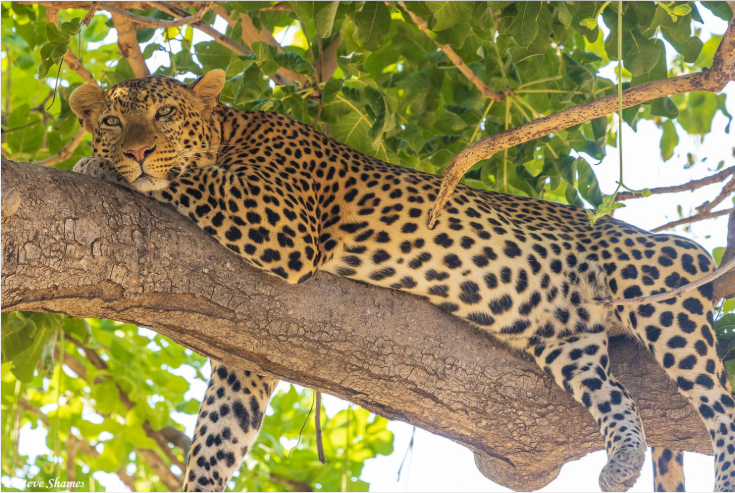
Photography often requires patience. A resting leopard may eventually climb a tree, a lion pride may begin hunting, or a herd of elephants may move into a more attractive position.
Your guide can wait when conditions are promising rather than following a rigid group timetable.
The position of the safari vehicle affects lighting, background and shooting angle. An experienced guide will consider the direction of the sun, anticipated animal movement and other vehicles before selecting a position.
Wildlife movements are unpredictable, so a perfect position can never be guaranteed. Nevertheless, patient and thoughtful positioning greatly improves your chances.
Long lenses, two camera bodies and camera bags occupy considerable space. A private vehicle gives photographers more room to organize equipment safely and change shooting positions.
Photographers often prefer early departures because the light is softer and predators may still be active. Private itineraries can be planned around sunrise, park opening times, wildlife movements and seasonal conditions.
Some photographers concentrate on big cats, while others prefer elephants, birds, landscapes or animal behavior. Your guide can adapt the game drive to these priorities.
The Serengeti is Tanzania’s most famous wildlife photography destination. Its open plains, kopjes, woodlands and river systems support an extraordinary variety of animals.
Photographic subjects may include:
Central Serengeti offers productive wildlife viewing throughout the year. Its resident big-cat population makes it especially attractive to photographers who want predator portraits and behavioral images.
Northern Serengeti is best known for the seasonal movement of wildebeest toward the Mara River. River crossings may occur during the migration season, but they cannot be scheduled or guaranteed. Photographers should allow several nights in the area to improve their chances.
Southern Serengeti and Ndutu become especially interesting during the green season. The short-grass plains attract large herds, and the calving period provides opportunities to photograph newborn wildebeest, predators and dramatic interactions.
The Ngorongoro Crater offers a high concentration of wildlife within a spectacular volcanic landscape. It is a valuable destination for travelers with limited time because many different species can sometimes be photographed during one game drive.
Possible subjects include:
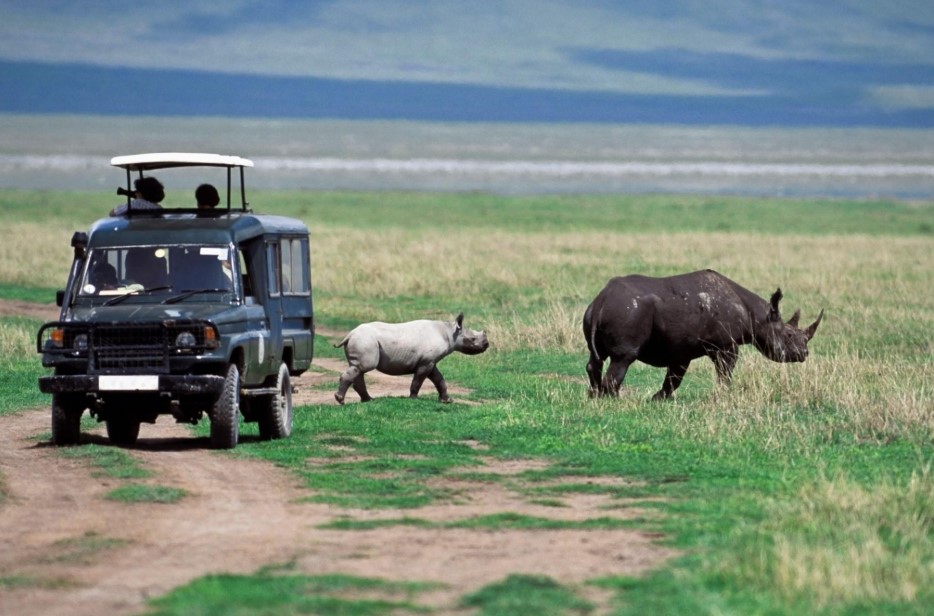
Black rhinos live in the crater, but sightings can be distant or brief. A long telephoto lens is helpful.
The crater’s highland rim can be cold and misty, particularly early in the morning. Carry warm clothing and protect cameras from moisture and sudden temperature changes.
The Ngorongoro Conservation Area Authority encourages visitors to observe wildlife in its natural habitat and provides official visitor information through its website. See the official Ngorongoro Conservation Area website.
Tarangire is known for elephants, baobab trees and dry-season wildlife gatherings around the Tarangire River. It is excellent for both wildlife portraits and environmental compositions.
The park’s landscapes allow photographers to place animals within a broader sense of habitat. Instead of filling the frame with an elephant, you can photograph it walking beneath a baobab or crossing a dusty plain.
TANAPA highlights the Tarangire River and Silale area as important wildlife habitats, with strong elephant and bird photography opportunities. Explore Tarangire’s official attractions.
Lake Manyara offers forests, wetlands, escarpment views and open areas. Its varied habitat is useful for photographers seeking a broader visual portfolio.
Depending on water levels and seasonal conditions, subjects can include:
The forest can produce challenging light, so cameras with good high-ISO performance are useful.
Ruaha is a strong choice for photographers seeking a quieter and less crowded safari. Its baobab-studded landscape, rocky hills and river systems create distinctive compositions.
Ruaha is particularly rewarding for:
The Great Ruaha River and its seasonal pools attract wildlife and can provide excellent golden-hour photography. Read TANAPA’s official overview of Ruaha’s attractions.
Nyerere combines traditional game drives with boat safari opportunities. The Rufiji River system creates a different photographic environment from Tanzania’s northern parks.
Photographers can look for:
TANAPA describes Nyerere as an important habitat for wild dogs, elephants, big cats and more than 430 recorded bird species. Discover Nyerere’s wildlife and habitats.
There is no single best month for every photographer. The right period depends on the subjects, scenery and atmosphere you want.
The dry season is popular because vegetation becomes thinner and animals gather near permanent water sources.
It is suitable for:
July through September is usually a high-demand period. Accommodation and private photography vehicles should be booked early.
The short rains often refresh the landscape without producing continuous rain every day. Conditions vary from year to year.
Potential benefits include:
This period is especially attractive around Ndutu and the southern Serengeti, where migration herds are often present during the calving season.
Photographic opportunities can include:
Calving and predator action are natural events and cannot be guaranteed on a particular day.
These months can produce intense colors, beautiful skies and fewer safari vehicles. Some camps close temporarily, and certain roads may become difficult after heavy rain.
This period is best for flexible travelers who accept changing conditions in exchange for atmospheric images and quieter parks.
A short safari can produce excellent images, but longer itineraries give you more chances to encounter interesting behavior and favorable light.
This duration can cover destinations such as Tarangire, Central Serengeti and Ngorongoro Crater. It works for travelers combining a safari with Zanzibar or another part of Tanzania.
This is a strong option for most photography travelers. It provides more time in the Serengeti and reduces pressure to leave productive sightings quickly.
A longer safari is ideal for serious enthusiasts and professionals. It allows you to concentrate on particular species, explore more than one region or include remote destinations such as Ruaha and Nyerere.
For migration photography, spending multiple nights in the relevant Serengeti region is usually more valuable than visiting many parks for only one night each.
Arrive at Kilimanjaro International Airport or Arusha Airport and transfer to your hotel. Meet your safari representative for an itinerary and equipment briefing.
Travel to Tarangire for your first game drive. Photograph elephants, baobab trees, giraffes and antelopes before continuing to your lodge.
Drive toward Serengeti National Park, stopping for landscape photographs along the way. Begin your Central Serengeti game drive in the afternoon.
Leave early for the best available light. Search for big cats and spend time observing animal behavior. Return to camp after the day’s photography.
A second full day provides another chance to photograph missed species, revisit productive areas or concentrate on a specific subject.
Enjoy a morning game drive before traveling toward Ngorongoro. Depending on the route and schedule, stop at selected viewpoints.
Descend into the crater early. Photograph wildlife on the crater floor before returning to Arusha in the afternoon or evening.
This itinerary can be adjusted to include Ndutu, Northern Serengeti, Lake Manyara, Ruaha, Nyerere or a flight to Zanzibar.
A versatile wildlife photography kit may include:
You do not need professional equipment to enjoy a photography safari. Modern mirrorless cameras, DSLR cameras and even smartphones can produce memorable images when the light and composition are good.
Avoid changing lenses unnecessarily in dusty conditions. Using two bodies—one with a long lens and one with a shorter lens—can protect the camera sensor and help you respond quickly when wildlife approaches the vehicle.
A zoom lens in the 100–400mm range is one of the most practical options because it provides flexibility when animals change distance.
Longer lenses, such as a 500mm or 600mm lens, are useful for birds, distant subjects and detailed portraits. However, they can be heavy and may feel restrictive when large animals approach closely.
A 24–70mm or similar lens is useful for:
The best setup normally includes both a telephoto and a shorter zoom.
The safari vehicle can strongly influence the experience. A photography-friendly Land Cruiser should provide:
Kilipath African Safaris can organize private vehicles so photographers have more space and flexibility. If you use particularly large lenses, tell the company before booking so suitable supports and seating arrangements can be discussed.
Ethical photography protects animals, habitats and visitors.
Responsible practices include:
TANAPA states that off-road driving is prohibited unless it has been explicitly permitted. It also notes that drone use is restricted and requires special permission. Review TANAPA’s official trip-planning guidance.
A responsible guide will prioritize wildlife welfare and park rules even if that means missing a particular photograph.
Do not assume that you can fly a drone inside a Tanzanian national park.
Drone operation is restricted and can require authorization from multiple authorities. Regulations, permit processes and fees can change, while additional requirements may apply to professional or commercial work.
Inform your safari operator well in advance if aerial photography is essential. Never pack a drone with the intention of using it secretly. Unauthorized operation can disturb wildlife and lead to serious legal consequences.
Yes. Travelers taking holiday photographs for personal use are not necessarily treated in the same way as professionals producing commercial films, advertisements, documentaries or other monetized content.
Professional productions may require:
Explain the intended use of your images when requesting a quotation. This enables the operator to seek accurate guidance from the relevant authorities.
The price depends on:
A private safari may cost more per traveler than a standard group tour, but it provides much better control over timing, vehicle position and time spent at sightings.
For an accurate quotation, provide your travel dates, group size, accommodation preference and main photography interests.
To find an affordable photography Tanzania safari deal:
Do not reduce the number of game-drive days too aggressively. Time in the field is one of the most important elements of a successful photography safari.
Yes. A photography safari is not limited to professionals.
Beginners benefit from:
Before traveling, become familiar with shutter speed, aperture, ISO, autofocus modes and exposure compensation. Practice photographing moving animals, birds or pets at home.
Yes. Couples, friends and family members can travel together even if only one person is a serious photographer.
However, everyone should understand that a photography-focused safari may involve:
A private vehicle makes it easier to balance photography with general wildlife viewing.
Provide:
The best photography safari is not simply the itinerary with the greatest number of destinations. It is the journey that gives you enough time, space and flexibility to observe wildlife patiently.
Kilipath African Safaris can create a private itinerary around your travel dates, budget and photography goals. Whether you want Serengeti predators, the Great Migration, Tarangire elephants, Ngorongoro wildlife or the remote landscapes of Southern Tanzania, the safari can be tailored to your interests.
Contact Kilipath African Safaris for a personalized photography Tanzania safari deal and begin planning an unforgettable journey through Tanzania’s wild places.
A Nyerere Tanzania wildlife safari can take you from a woodland game drive in the morning to a boat on the Rufiji…
Read articlePlanning a Tanzania safari that combines Lake Manyara National Park and Nyerere National Park is an excellent way to experience the country's…
Read articleDiscover Tanzania’s untamed wilderness without exceeding your travel budget. A budget Ruaha safari adventure offers incredible wildlife encounters, spectacular landscapes, authentic African…
Read articleA Nyerere Tanzania wildlife safari offers an extraordinary opportunity to discover one of Africa's most spectacular wilderness destinations. From magnificent elephants and…
Read article