Lake Manyara vs. Nyerere Safari Prices | Tanzania Guide
A Lake Manyara safari can cost USD 150–220 per person for a shared day trip from Arusha. A published example of a…
Read articleArusha City - Tanzania
Safari & Travel Tips
September 5, 2026 · 15 min read
Planning a Tanzania safari with children is exciting, but understanding the price can feel complicated. The family Lake Manyara safari cost depends on the number and ages of travelers, the length of the trip, accommodation style, travel season, vehicle arrangement, and other parks included in the itinerary. A simple day trip from Arusha costs much less than a private five-day family safari combining Lake Manyara, Serengeti, Tarangire, and the Ngorongoro Crater.
For most international families, a Lake Manyara safari may cost approximately USD 250–450 per person for a private day trip, USD 550–1,000 per person for a two- or three-day budget or mid-range trip, and USD 1,200–2,500+ per person for a longer Northern Circuit itinerary. Children often receive reduced park fees and, depending on the lodge, discounted accommodation. These are planning estimates rather than fixed quotations because family composition and room arrangements can make a significant difference.
At Kilipath African Safaris, we build family itineraries around comfort, safety, manageable driving times, and the ages of the children. Tell us your dates, number of adults, children’s ages, and preferred comfort level, and we will provide an accurate, itemized quotation.
The cost of a family safari to Lake Manyara can range from a few hundred dollars for a one-day experience to several thousand dollars for a private multi-park holiday. The following table offers a useful starting point.
| Safari style | Typical duration | Estimated price per person | Best suited to |
|---|---|---|---|
| Private family day trip | 1 day | USD 250–450 | Families staying in Arusha or Karatu |
| Budget camping safari | 2–3 days | USD 550–850 | Adventurous families with older children |
| Mid-range lodge safari | 2–3 days | USD 700–1,200 | Families seeking private rooms and comfort |
| Luxury family safari | 2–3 days | USD 1,200–2,000+ | Families wanting premium lodges and service |
| Northern Circuit family safari | 4–7 days | USD 1,500–4,500+ | Families combining several famous parks |
These ranges generally assume that transport, a professional guide, park entry, meals during the safari, drinking water, and accommodation shown in the itinerary are included. International flights, visas, travel insurance, gratuities, and optional activities are usually separate.
Family pricing should always be calculated from the actual ages of the children. A child’s age can affect park fees, airline fares, activity eligibility, and whether a lodge charges for a shared bed, an extra bed, or a separate room. For this reason, a couple traveling with a four-year-old may receive a very different quote from a couple traveling with two teenagers.
Lake Manyara National Park is one of the most convenient additions to Tanzania’s Northern Safari Circuit. It lies close to Mto wa Mbu and can be reached from Arusha or included between Tarangire and the Ngorongoro Highlands. Its relatively compact size makes it suitable for families who want a rewarding game drive without spending every day in the vehicle.
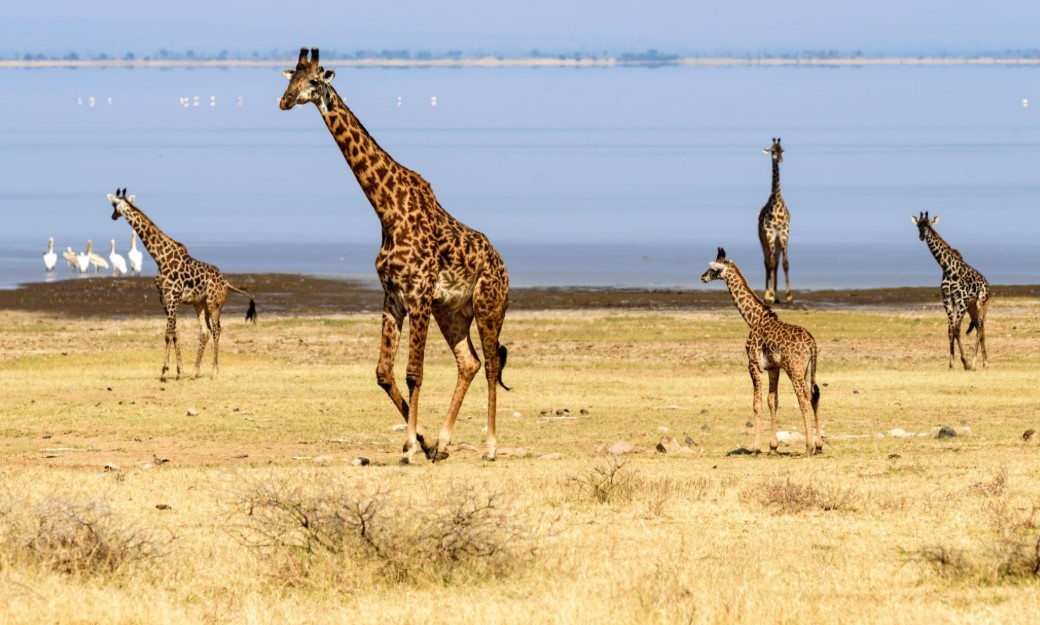
The park’s habitats change quickly. Families may travel through groundwater forest, open floodplains, acacia woodland, and areas overlooking the alkaline lake. Wildlife sightings may include elephants, giraffes, buffaloes, zebras, wildebeest, hippos, baboons, blue monkeys, and many bird species. Lake Manyara is also associated with tree-climbing lions, although every sighting is a privilege and can never be guaranteed.
For children, variety is often more important than chasing a long wildlife checklist. Watching baboons interact, seeing an elephant family cross the road, identifying colorful birds, and stopping at a viewpoint can keep young travelers engaged. A private vehicle also allows parents to pause for snacks, adjust the pace, and return to the lodge when the children have had enough.
Safari vehicle and guide costs are shared across the traveling party. A private safari can therefore become better value per person as the family grows. Two adults and two children sharing one vehicle will often pay a lower per-person transport cost than one adult traveling with one child.
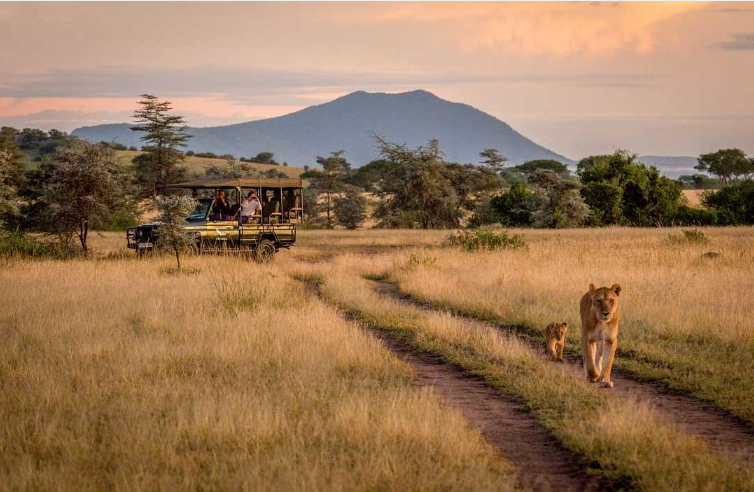
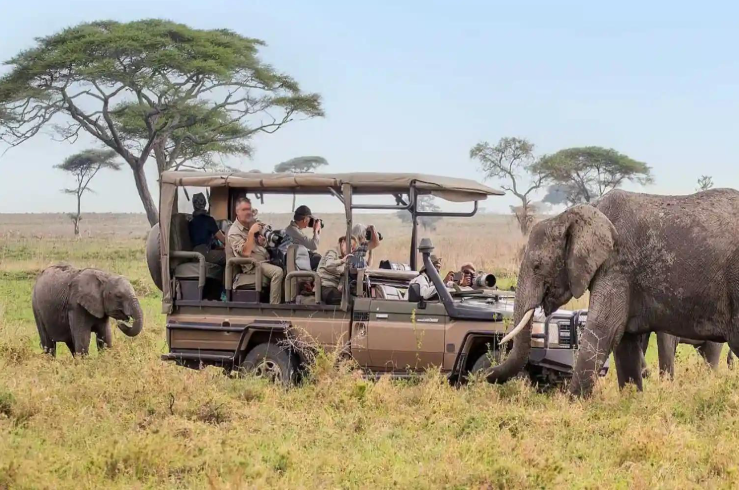
Vehicle capacity still matters. Families with five or six members, child seats, and substantial luggage may need a larger arrangement or careful luggage planning. Kilipath uses safari-prepared 4x4 Land Cruisers with pop-up roofs and window access. We match the seating plan to the group rather than simply filling every available place.
Children may qualify for reduced conservation fees, while very young children may enter under different tariff rules. Lodges use their own child policies, which can depend on age, room sharing, meal plan, and season. Some properties allow one or two children to share with parents; others require a family room or interconnected rooms.
Always provide each child’s age at the time of travel—not only their current age—when requesting a quote. This helps prevent unexpected changes when bookings are confirmed.
A shared safari normally has a lower price per traveler because transport and guide expenses are divided among guests. However, a private safari is frequently the better option for families. It provides more control over departure times, comfort stops, meal timing, photography, and the length of each game drive.
Shared tours usually follow a fixed schedule and use English-speaking guides. A private trip can be designed around the children’s routine and may offer other guide languages on request. Families should compare overall convenience, not price alone.
Accommodation is one of the largest variables in the final price.
Staying outside the national park, particularly around Mto wa Mbu or Karatu, can offer good value and a wider choice of family accommodation. Staying in or close to a wildlife area may reduce morning transfer time but can increase fees and room rates.
A Lake Manyara day trip is the cheapest option, but a two- or three-day safari often feels more relaxed. It allows the family to combine Manyara with Tarangire or Ngorongoro and avoids returning to Arusha immediately after the game drive.
Longer itineraries have higher total prices, yet the average cost per day may improve because airport transfers and some fixed logistics are spread over more days. The key is to choose a duration that suits the children’s energy and the family’s travel goals.
Lodge prices and availability change throughout the year. Peak travel periods, including popular holiday months, can bring higher accommodation rates and stricter booking conditions. Quieter periods may offer better value and fewer vehicles, although rain can affect road conditions and daily plans.
Wildlife remains wild in every season. Rather than selecting dates only for the lowest rate, consider school holidays, weather preferences, the children’s ages, and the full route. Early booking is especially important when a family needs interconnected rooms or a rare family suite.
Lake Manyara is often included in a broader circuit. Adding Tarangire is relatively straightforward, while Serengeti requires more time and increases park, accommodation, and transport costs. Ngorongoro adds a world-famous wildlife experience but also has its own entry and vehicle-related charges.
A carefully designed route minimizes backtracking. For a short family trip, Lake Manyara with Tarangire or Ngorongoro may offer better value than trying to include every destination.
Optional experiences can enrich a family holiday but should be budgeted separately. Depending on current operation, age limits, water levels, and availability, possibilities around the Manyara area may include cultural visits in Mto wa Mbu, guided walks, cycling, a canopy walkway, night game drives, or village activities.
Not every activity is suitable for every age. We confirm current rules, family suitability, timing, and price before adding an experience to the itinerary.
This option works well for families with limited time or those already staying in Arusha, Mto wa Mbu, or Karatu.
Your guide collects the family in the morning in a private 4x4 safari vehicle. After registration, you enter Lake Manyara National Park for a game drive through its varied habitats. A picnic lunch is served at an appropriate site, and the game drive continues before returning to your accommodation.
Estimated cost: USD 250–450 per person, depending on family size, departure point, children’s ages, and current fees.
Usually includes: private vehicle, professional guide, park fees listed in the quote, picnic lunch, and drinking water.
Usually excludes: accommodation, international flights, visas, insurance, tips, and optional activities.
Day 1: Travel from Arusha to Lake Manyara for a game drive. Continue to a lodge near Mto wa Mbu or Karatu for dinner and overnight.
Day 2: Descend into the Ngorongoro Crater for an early game drive and picnic lunch, then return to Arusha.
This route combines Manyara’s forest and lakeshore environment with the dramatic Ngorongoro landscape. It is busy but rewarding for families that only have two safari days.
Estimated cost: USD 750–1,400 per person for a private budget-to-mid-range trip. Luxury accommodation increases the price.
Day 1: Arusha to Tarangire National Park, afternoon game drive, and overnight near Karatu or Mto wa Mbu.
Day 2: Lake Manyara National Park game drive, with time to enjoy the changing scenery and wildlife at a family-friendly pace.
Day 3: Ngorongoro Crater game drive followed by the return to Arusha.
This is one of the strongest short family itineraries because each park has a different character. It also avoids the long drive to Serengeti.
Estimated cost: USD 900–1,700 per person, depending on accommodation and group size.
Day 1: Arusha to Tarangire National Park.
Day 2: Lake Manyara National Park.
Day 3: Travel to Serengeti with game viewing en route.
Day 4: Serengeti game drive and travel toward the Ngorongoro area.
Day 5: Ngorongoro Crater and return to Arusha.
This itinerary introduces the family to four celebrated destinations. It is best for children who can manage longer drives. Families wanting a slower pace should add one or two nights rather than compressing the same route.
Estimated cost: USD 1,800–3,500+ per person, depending on season, lodging level, and the children’s ages.
A well-prepared family safari quotation should clearly state all inclusions. A typical Kilipath package may include:
If an item is important to your family, ask for it to appear in writing. This includes child seats, dietary needs, twin beds, interconnected rooms, airport transfers, and pre- or post-safari accommodation.
The following expenses are commonly excluded unless the quotation says otherwise:
Knowing these exclusions helps families set a realistic total holiday budget. It is also wise to keep a contingency amount for snacks, souvenirs, additional hotel nights, or flight disruptions.
A budget safari prioritizes wildlife and essential services. Camping can be memorable for children who enjoy outdoor adventures, but parents should be comfortable with shared bathrooms and a simpler routine. Ask about the campsite, bedding, meal arrangements, charging facilities, and nighttime temperatures before booking.
Budget lodge packages can offer a useful compromise. Sleeping outside the park in a modest lodge may provide private bathrooms and proper beds without the cost of high-end properties.
Mid-range is the most popular choice for many families. It balances cost with private bathrooms, comfortable beds, reliable meals, and properties that may have gardens or swimming pools. Family rooms are valuable but limited, so booking early matters.
Luxury is about more than decoration. The higher cost may provide spacious suites, excellent locations, shorter transfers, attentive service, flexible dining, and activities designed for children. Parents should still check minimum-age policies, because some small camps restrict young guests for safety reasons.
For a larger family, sharing one private vehicle can reduce the transport cost per person while preserving flexibility. Confirm that the vehicle offers suitable space for passengers and luggage.
A family room or triple arrangement may cost less than booking two separate rooms. The cheapest-looking room combination is not always suitable, however, so compare privacy, bed configuration, and lodge rules.
Properties around Mto wa Mbu and Karatu can provide excellent value. They also make it easier to combine Manyara with cultural activities or continue toward Ngorongoro.
Trying to see Lake Manyara, Tarangire, Serengeti, and Ngorongoro in too few days creates long drives and may reduce enjoyment. A shorter, well-paced route can cost less and feel more rewarding.
Some periods offer lower lodge rates. The exact saving depends on the property and dates, and wet-weather conditions should be considered. Request two date options if your family schedule is flexible.
Early planning may not always reduce published rates, but it improves access to family rooms and suitable lodges. Waiting can leave only expensive room combinations available.
A low quote may omit park fees, transfers, drinks, or the final night. Compare like for like. Ask whether the total is per person or for the full family, whether taxes are included, and which services require payment locally.
Lake Manyara can be visited throughout the year, and the best period depends on the family’s priorities. Drier months can make general wildlife viewing and road travel easier. Greener periods offer lush scenery, birdlife, dramatic skies, and sometimes attractive accommodation offers.
Families traveling during Christmas, New Year, Easter, or the main summer holiday months should plan well ahead. These dates often have strong demand. Travelers with very young children may prefer moderate temperatures and a less crowded period, while families combining Manyara with Serengeti should choose dates based on the entire route rather than one park alone.
No ethical operator should promise a particular animal sighting. Water levels, vegetation, weather, and wildlife movement all vary. A skilled guide interprets the environment and makes the most of the conditions on the day.
Mto wa Mbu is close to the Lake Manyara area and offers accommodation across several price levels. It is convenient for cultural visits, local markets, cycling, and onward travel.
Karatu is a popular base between Lake Manyara and Ngorongoro. It has many lodges, farms, gardens, and family-friendly properties. Its cooler highland setting can be refreshing after a warm game drive.
Staying close to the park can reduce transfer time and create a stronger wilderness atmosphere. Availability is more limited, and prices may be higher. Families should weigh location against room space, facilities, and budget.
Lake Manyara is generally suitable for a professionally guided family safari. Safety depends on following park regulations and guide instructions. Children should remain inside the vehicle unless the guide confirms that leaving is permitted at a designated area. They should never feed wildlife, lean far outside the vehicle, or approach animals.
Parents should bring sunscreen, hats, insect repellent, familiar medication, hand sanitizer, and layers of clothing. A small activity book or wildlife checklist can help during quiet periods. Tell the consultant about allergies, dietary needs, motion sickness, or medical conditions before arrival.
For young children, private travel is usually preferable. The guide can shorten a drive, find a bathroom stop, or adjust lunch time without affecting unrelated guests.
Pack light, practical clothing in neutral colors. Useful items include:
Avoid bringing too many toys or hard suitcases. Space inside a safari vehicle is valuable, and families often need less than expected for a short circuit.
A family safari requires more planning than a standard adult itinerary. We consider the small details that influence the experience: ages, bed arrangements, driving tolerance, dietary requirements, preferred pace, and arrival or departure logistics.
With Kilipath African Safaris, families can expect:
Our goal is not simply to fit Lake Manyara into a route. It is to design a holiday in which parents can relax and children can remain curious, comfortable, and excited.
The most accurate way to calculate your family Lake Manyara safari cost is to build the trip around your real family—not an average traveler. Send us:
Kilipath African Safaris will prepare a clear proposal with the route, accommodation, inclusions, exclusions, and total price. Whether you want a simple Lake Manyara day trip or a complete Tanzania family holiday, we will help you choose a comfortable itinerary that provides genuine value.
Start planning your family Lake Manyara safari today. Contact Kilipath African Safaris for a personalized itinerary and no-obligation quotation.
Family Lake Manyara safari cost and private game driveElephants seen on a family Lake Manyara safariFamily accommodation near Lake Manyara National ParkPrivate family safari vehicle at Lake ManyaraBook a family Lake Manyara safari packageAll prices on this page are indicative planning ranges, not binding offers. Confirm current government fees, taxes, accommodation availability, child policies, and exchange-rate effects before publication or quotation. Display “from” beside promotional prices and state clearly whether each amount is per person or per family.
A Lake Manyara safari can cost USD 150–220 per person for a shared day trip from Arusha. A published example of a…
Read articlePlanning a Tanzania safari that combines Lake Manyara National Park and Nyerere National Park is an excellent way to experience the country's…
Read articlePlanning an unforgettable African wildlife adventure from Zanzibar? Understanding the Tanzania safari package Zanzibar price is an important first step toward choosing…
Read articlePlanning an African wildlife adventure? Understanding the group Tanzania safari price is an important step toward choosing an affordable and unforgettable safari…
Read article