

Budget Ngorongoro Crater Safari Holiday
Planning a budget Ngorongoro Crater safari holiday from Arusha? Compare a crater day trip, a two-day Tarangire and Ngorongoro safari, or a…
Read articleArusha City - Tanzania
Safari & Travel Tips
September 15, 2026 · 9 min read
A cheap Tanzania safari tour experience proves that you do not need a luxury budget to enjoy some of Africa’s most spectacular wildlife destinations. From elephants walking beneath ancient baobab trees in Tarangire to lions resting on the endless Serengeti plains and wildlife gathering on the floor of Ngorongoro Crater, Tanzania offers unforgettable safari experiences for travelers with different budgets.
Tanzania is internationally known for wildlife safaris, extraordinary landscapes, cultural experiences and destinations such as Serengeti, Ngorongoro, Tarangire and Lake Manyara.
At Kilipath African Safaris, we believe that an affordable safari should still provide excellent wildlife viewing, professional guides, reliable safari vehicles and memorable experiences. By choosing shared safaris, camping accommodation, shorter itineraries and carefully planned routes, travelers can reduce costs without missing the highlights of Tanzania.
Whether you are a backpacker, solo traveler, couple, student, family or group of friends, there are several ways to create an exciting Tanzania safari while keeping expenses under control.
Safari prices are influenced by park fees, accommodation, transportation, number of travelers, season and the length of the itinerary. However, choosing a budget safari does not mean sacrificing the essential safari experience.
The main difference is usually the style of accommodation and whether your safari vehicle is shared or private.
Budget travelers can still enjoy:
The Tanzania Tourism Board currently promotes both short and multi-day northern Tanzania safari options, including routes combining Tarangire, Ngorongoro, Lake Manyara and Serengeti.
Choosing the right parks is one of the easiest ways to control your safari budget.
Serengeti is one of Tanzania's most famous safari destinations. Its huge open plains provide excellent opportunities to see lions, elephants, giraffes, cheetahs, buffaloes, zebras and large herds of wildebeest.
The park is also famous for the Great Migration, although wildlife viewing remains rewarding throughout much of the year.
Central Serengeti is especially suitable for many budget itineraries because it can be combined efficiently with Ngorongoro and Tarangire.
The official Tanzania Tourism Board describes Serengeti as an iconic destination characterized by vast plains and rich wildlife.
Ngorongoro Crater is frequently included in short Tanzania safari packages because travelers can experience remarkable wildlife viewing within a relatively compact area.
A typical safari day involves descending into the crater in the morning for a game drive before returning toward Karatu or Arusha later in the day.
Wildlife possibilities include lions, buffaloes, zebras, wildebeest, hippos, hyenas and, with some luck, black rhinos.
Because Ngorongoro works well as part of a two-, three- or four-day itinerary, it is an excellent destination for travelers trying to maximize their experience without extending their safari unnecessarily.
Tarangire is particularly famous for its elephants and dramatic baobab landscapes. The Tarangire River also plays an important role in the park's ecosystem.
It is roughly suited to both day trips and multi-day northern circuit itineraries.
Combining Tarangire with Ngorongoro is one of the most practical options for travelers with only two days available.
Lake Manyara can be added to three-, four- or five-day itineraries.
The park offers forests, Rift Valley scenery, birdlife, monkeys, elephants and other wildlife. The Tanzania Tourism Board highlights Lake Manyara for birdlife, forest scenery and wildlife viewing.
For travelers who have already included Serengeti and Ngorongoro, Lake Manyara can provide a different landscape and atmosphere.
There are several practical strategies for lowering your safari cost.
A shared safari is one of the best choices for budget-conscious visitors.
Instead of paying for an entire safari vehicle, you share transportation and guide expenses with other travelers.
At Kilipath African Safaris, joining safaris normally operate with a small number of travelers in a 4x4 safari vehicle, allowing guests to experience Tanzania's northern parks while reducing the cost per person.
Shared safaris are particularly suitable for:
Solo travelers, couples, backpackers and small groups who do not require a completely private itinerary.
Public camping is another major way to save money.
Instead of staying in expensive safari lodges, travelers sleep in tents at designated campsites.
Camping safaris can include tents, mattresses, sleeping bags, meals and a safari chef, depending on the package.
Bathrooms and showers at public campsites are generally shared. Electricity may also be limited, although solar charging facilities can sometimes be available.
The biggest advantage is simple: you spend less on accommodation and more time enjoying the same national parks and wildlife.
Private safari costs become much more affordable when divided among several travelers.
A private safari for one person can be relatively expensive because that traveler pays for the vehicle and guide alone.
For four, five or six travelers, these costs are divided between the group.
Families and groups of friends can therefore sometimes enjoy a private safari at an attractive per-person price.
You do not necessarily need seven or ten days to enjoy Tanzania.
A carefully planned 2-day or 3-day Tanzania safari can provide outstanding wildlife encounters.
Official Tanzania Tourism Board examples currently include day trips as well as two- and three-day itineraries covering destinations such as Tarangire, Ngorongoro, Lake Manyara and Serengeti, demonstrating how these destinations can work within shorter trips.
Here is an example of a popular budget-friendly itinerary.
Your safari begins in Arusha.
After meeting your safari guide, travel toward Tarangire National Park.
Spend the day exploring the park while looking for elephants, giraffes, zebras, antelopes, buffaloes and predators.
Enjoy lunch during the safari before continuing your afternoon game drive.
Later, travel toward your campsite or budget accommodation for dinner and overnight.
After breakfast, continue toward Serengeti.
The journey itself introduces you to changing landscapes as you travel toward Tanzania's most celebrated safari plains.
Once inside Serengeti, begin your game drive.
Look for lions, elephants, giraffes, buffaloes, wildebeest, zebras and perhaps cheetahs or leopards.
In the evening, head to your accommodation or campsite for dinner and overnight.
Wake early and continue toward Ngorongoro.
Descend into the crater for your final game drive.
The crater's landscape makes wildlife viewing particularly exciting because many species can be encountered within the conservation area.
After your picnic lunch and game drive, begin your journey back toward Arusha.
This type of itinerary is ideal for visitors wanting several iconic northern Tanzania destinations without committing to a long safari.
A cheap Tanzania safari tour experience may include most of the essential expenses required during the safari.
Depending on your selected package, inclusions can cover:
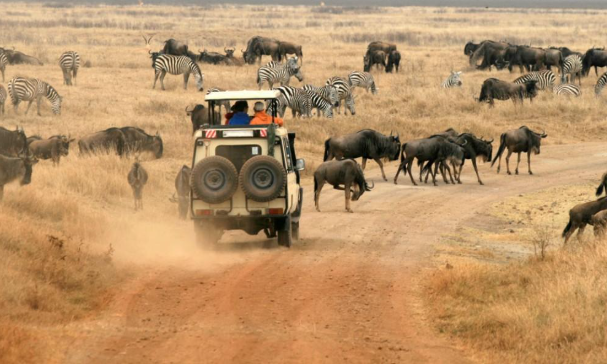
Safari vehicle: A 4x4 Land Cruiser with pop-up roof designed for wildlife viewing.
Safari guide: An experienced English-speaking driver guide accompanies you throughout the itinerary.
Park fees: Entrance and conservation fees stated in your itinerary.
Accommodation: Camping, budget lodge or tented accommodation depending on your package.
Meals: Breakfast, lunch and dinner according to the itinerary.
Drinking water: Water is provided during safari drives.
Game drives: Wildlife viewing activities mentioned in your itinerary.
Camping equipment: For camping packages, essential equipment may be provided.
The Tanzania Tourism Board similarly lists professional guides, 4x4 safari vehicles, game drives, relevant park fees, meals, accommodation and transfers among common package inclusions for its featured safari programs.
Travelers should always read their quotation carefully.
Common exclusions can include international flights, Tanzania visa costs, travel insurance, personal expenses, alcoholic beverages, tips and optional activities.
Balloon safaris, cultural experiences and additional excursions can normally be arranged separately.
Tanzania offers safari opportunities throughout the year, but prices can change depending on season and demand.
Peak periods generally attract greater demand for accommodation and vehicles. Travelers who are flexible with dates may find better-value accommodation outside the busiest months.
Your ideal travel period should therefore balance three things:
Wildlife priorities, weather preferences and budget.
If seeing a particular migration stage is your priority, itinerary planning becomes more important than simply selecting the cheapest month.
If your main goal is general wildlife viewing, there is much greater flexibility.
Absolutely.
Shared safaris are particularly valuable for solo travelers because they allow one person to join other guests instead of paying the full cost of a private vehicle.
You can arrive independently in Arusha and join a scheduled departure.
This makes Tanzania considerably more accessible to backpackers and travelers visiting Africa alone.
A cheap safari normally uses one of three accommodation styles.
Public camping provides the greatest savings and offers a more adventurous experience.
Budget lodges provide beds and private rooms while keeping accommodation costs manageable.
Tented camps combine safari atmosphere with additional comfort but normally increase the total package cost.
You can also mix accommodation styles—for example, staying in a lodge near Tarangire and camping in Serengeti.
No safari company can guarantee specific wildlife sightings because these are wild animals living naturally.
However, Tanzania's major safari areas are home to an extraordinary variety of species.
Travelers may encounter:
Lions, elephants, giraffes, zebras, wildebeest, buffaloes, hippos, hyenas, baboons, warthogs, gazelles, antelopes and numerous bird species.
With good timing and some luck, you may also encounter cheetahs, leopards or black rhinos.
Tanzania's official tourism platform promotes wildlife safaris as one of the country's signature experiences, including opportunities to encounter the Big Five and extensive wildlife populations.
Keep your luggage practical and comfortable.
Bring lightweight neutral-colored clothing, comfortable shoes, sunscreen, sunglasses, a hat and a warm layer for cool mornings and evenings.
Ngorongoro can be surprisingly cold during early mornings, so carrying a jacket is strongly recommended.
Also bring:
Camera, extra batteries, power bank, personal medication, insect repellent, toiletries and binoculars if you prefer using your own.
When using domestic flights, always check your airline's current baggage allowance before packing.
Yes.
The animals do not know whether you paid for a luxury suite or slept in a basic tent.
A lion crossing the Serengeti road, an elephant herd walking through Tarangire or sunrise over Ngorongoro can be equally impressive regardless of your accommodation category.
Budget safari travel works because it reduces spending on luxury rather than eliminating the actual wildlife experience.
That makes it one of the best choices for travelers whose priority is exploring Tanzania rather than staying in expensive hotels.
Planning a budget Ngorongoro Crater safari holiday from Arusha? Compare a crater day trip, a two-day Tarangire and Ngorongoro safari, or a…
Read articleA Lake Manyara safari can cost USD 150–220 per person for a shared day trip from Arusha. A published example of a…
Read articleExplore Ruaha National Park’s baobab country on a guided safari built around your dates, group size and budget. Spend your game drives…
Read articleA Nyerere Tanzania wildlife safari can take you from a woodland game drive in the morning to a boat on the Rufiji…
Read article

