

Tanzania Safari Package Zanzibar Price Guide
A Tanzania safari from Zanzibar can mean a short mainland trip during your beach holiday or a complete package with flights, game…
Read articleArusha City - Tanzania
Safari & Travel Tips
September 16, 2026 · 9 min read
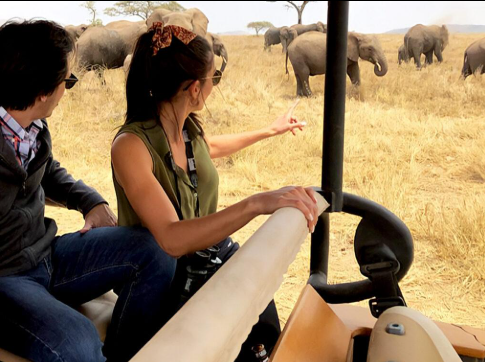
A family safari in Tanzania is more than a holiday—it is an opportunity for parents and children to experience wildlife, landscapes, culture, and adventure together. From watching elephants walking beside a safari vehicle in Tarangire to spotting lions across the Serengeti plains, family Tanzania safari packages can create memories that last for generations.
Tanzania is particularly well suited to families because several of its famous wildlife destinations can be combined into one Northern Circuit itinerary. Tarangire National Park, the Ngorongoro Conservation Area, and Serengeti National Park form one of Tanzania's signature safari routes, offering elephant herds, dramatic landscapes, abundant wildlife, and classic game-drive experiences.
Whether you are traveling with small children, teenagers, grandparents, or several generations together, choosing the right itinerary is essential. This guide explains how to plan a comfortable, exciting, and family-friendly Tanzania safari.
Tanzania offers an impressive combination of wildlife, scenery, culture, and different types of accommodation. The country is home to internationally recognized safari destinations such as the Serengeti, Tarangire, Lake Manyara, and Ngorongoro Crater. The Tanzania Tourist Board also highlights these areas among the country's major wildlife attractions.
For families, one of the biggest advantages is variety. Children do not have to spend every day doing exactly the same activity. A family itinerary can combine game drives with swimming at the lodge, short cultural experiences, nature walks where appropriate, picnic lunches, and visits to interesting historical sites.
A private safari is particularly convenient for families because the daily schedule can be adjusted according to the children's energy levels. Families can stop for photographs, take bathroom breaks when required, return to their lodge earlier, or spend longer watching an animal that has caught the children's attention.
Tarangire is an excellent first safari destination for families.
The park is famous for its elephant populations and distinctive baobab landscapes. Tanzania's official tourism promotion for the Northern Circuit specifically highlights Tarangire for its elephant herds, baobab trees, and scenic safari experiences.
Children are often fascinated by elephants because they are large, social, and relatively easy to observe from a safari vehicle.
A typical family day in Tarangire can include a morning departure from Arusha, several hours of game viewing, a picnic or hot lunch, and an afternoon drive before continuing to the family's lodge.
Besides elephants, families may encounter giraffes, zebras, wildebeest, antelopes, buffaloes, monkeys, and numerous bird species.
No guide to family Tanzania safari packages would be complete without the Serengeti.
Its vast grasslands provide the classic African safari scenery many children have previously seen only in wildlife documentaries.
The Serengeti is known for its extensive plains and rich wildlife, while the wider Serengeti ecosystem is associated with one of the world's great wildlife migrations.
Families can search for:
Spending at least two nights in or around the Serengeti is often more comfortable for families than attempting to rush through the park.
Young travelers especially enjoy learning animal tracks, identifying different species, and keeping a checklist of everything they see.
Ngorongoro is another highlight for families visiting Northern Tanzania.
The Ngorongoro Conservation Area is internationally recognized for its combination of wildlife, landscapes, cultural heritage, and human history. Official conservation information describes the crater as a major wildlife area and also highlights the wider region's Maasai culture and archaeological heritage.
A typical family safari involves descending into the crater in the morning and exploring its different habitats by 4x4.
Wildlife encounters may include buffaloes, zebras, wildebeest, hippos, lions, hyenas, elephants and, with good fortune, black rhinos.
Because many wildlife species can potentially be seen within a relatively concentrated area, Ngorongoro can be particularly rewarding for children.
Lake Manyara can be included in longer family safari programs or used as an alternative stop depending on the family's route and interests.
The destination is known for varied scenery and birdlife, and Tanzania's tourism materials list it among the country's important safari attractions.
It can work especially well for families who want a varied itinerary rather than spending every safari day on expansive open plains.
There is no single perfect duration. It depends on the children's ages, budget, travel style, and how many parks the family wants to visit.
A short package can work for families combining safari with Zanzibar or another Tanzania holiday.
A possible route is:
Day 1: Arusha – Tarangire National Park
Day 2: Ngorongoro Crater
Day 3: Lake Manyara – Arusha
This itinerary keeps the safari relatively short while still introducing children to several habitats.
A four-day itinerary can introduce the Serengeti:
Day 1: Arusha – Tarangire
Day 2: Tarangire – Serengeti
Day 3: Serengeti – Ngorongoro area
Day 4: Ngorongoro Crater – Arusha
This is a popular style of Northern Circuit itinerary, although families with younger children may prefer a slower schedule.
Five days offers a more comfortable balance.
For example:
Day 1: Arusha – Tarangire
Day 2: Tarangire – Serengeti
Day 3: Full-day Serengeti safari
Day 4: Serengeti – Ngorongoro/Karatu
Day 5: Ngorongoro Crater – Arusha
Having a complete Serengeti day reduces the feeling of constantly changing accommodation.
For families who have enough holiday time, six or seven days allows the itinerary to move at a gentler pace.
Extra time can be used for longer Serengeti stays, cultural activities, relaxation at family-friendly lodges, or an additional destination.
For many families, a slower journey is preferable to trying to visit as many parks as possible.
Accommodation is an important part of planning family Tanzania safari packages.
Depending on budget, families can choose between:
Camping provides a more adventurous safari experience and is usually the most economical option.
Families should remember that public campsites may have shared bathroom and shower facilities, making camping more suitable for adventurous families comfortable with basic amenities.
Tented camps are popular because they combine the feeling of being close to nature with considerably more comfort.
Many have private bathrooms, proper beds, restaurant facilities and comfortable communal areas.
They are a strong option for families who want an authentic safari atmosphere without basic camping.
Lodges generally provide additional comfort and may include swimming pools, landscaped grounds, restaurants, family rooms, or connecting rooms.
For younger children, having a swimming pool or comfortable space to relax between game drives can be valuable.
Luxury properties can offer larger suites, personalized meals, private activities and higher service levels.
They are well suited to multigenerational families, special celebrations, and travelers who want maximum comfort throughout the trip.
Inclusions vary between safari operators, but a well-organized package commonly covers most major safari arrangements.
At Kilipath African Safaris, packages can be structured to include elements such as:
Always check the final quotation carefully so you know which flights, visas, insurance, tips, beverages, optional activities and personal expenses are excluded.
Tanzania offers safari opportunities throughout much of the year, but each season produces a different experience.
These months are generally drier in Northern Tanzania and are popular for wildlife safaris.
School holidays in many countries also make July and August convenient for families, although accommodation demand can be high.
This period can be attractive for families interested in the southern Serengeti and Ndutu ecosystem, where migratory herds use the short-grass plains during the wet-season period. Ngorongoro Conservation Area information notes that these plains are important wet-season grazing and calving grounds, generally between December and May.
These months are part of the wetter period in many Northern Circuit areas.
Travel can still be possible, and the landscapes may be beautifully green, but families should prepare for rain and occasionally more challenging road conditions.
The best season ultimately depends on your school calendar, budget, wildlife priorities and preferred weather.
The price varies considerably according to:
Families traveling with four, five, or six people can sometimes achieve better value per traveler on private safaris because several vehicle-related costs are shared across the group.
Instead of selecting a package only according to the cheapest advertised price, ask for a quotation showing clearly what is included and excluded.
This prevents surprises involving park fees, accommodation, transfers, meals, or transportation.
Preparation can make the difference between a tiring trip and an unforgettable adventure.
Bring comfortable neutral-colored clothing, sun protection, hats, closed shoes, insect repellent, reusable water bottles where suitable, and a warmer layer for early mornings and the Ngorongoro highlands.
Children can also bring binoculars, notebooks, wildlife identification books, and cameras.
Another useful strategy is making the safari interactive. Encourage children to keep an animal checklist or safari journal rather than simply sitting in the vehicle waiting for the next sighting.
Families should also avoid packing each day too tightly. Safari drives can involve several hours in the vehicle, so breaks and relaxed evenings are important.
One of Tanzania's great advantages is the ability to combine wildlife and beach experiences within the same vacation.
After several days exploring the Northern Circuit, families can fly to Zanzibar and enjoy time by the Indian Ocean.
A typical combination might be:
5 days: Northern Tanzania safari
4-7 days: Zanzibar beach holiday
This creates two very different experiences within one trip: adventure and wildlife followed by relaxation.
For children, the change of pace can be particularly enjoyable after several early safari mornings.
Families should use an experienced safari operator, follow their guide's instructions, and respect park and lodge safety rules.
Wildlife should never be approached without professional guidance. Parents should supervise children closely at unfenced camps and lodges because animals may move through surrounding wilderness areas.
During game drives, children should remain safely inside the vehicle unless the guide confirms that getting out is permitted at a designated location.
Good planning, responsible supervision, and professional guiding are central to an enjoyable family safari.
The best family Tanzania safari packages are not simply itineraries with several national parks added together. A successful family safari considers children's ages, comfortable driving times, suitable accommodation, meal preferences, safety, budget, and enough flexibility for everyone to enjoy the journey.
Whether your dream is seeing elephants beneath Tarangire's baobab trees, searching for lions across the Serengeti, descending into Ngorongoro Crater, or finishing your holiday on the beaches of Zanzibar, Tanzania offers outstanding possibilities for families.
Kilipath African Safaris can customize your journey according to your family size, preferred travel dates, accommodation level, budget and number of safari days.
Ready to start planning your family adventure? Contact Kilipath African Safaris today for a customized Tanzania family safari itinerary and quotation designed around your family.
A Tanzania safari from Zanzibar can mean a short mainland trip during your beach holiday or a complete package with flights, game…
Read articlePlanning a Tanzania safari that combines Lake Manyara National Park and Nyerere National Park is an excellent way to experience the country's…
Read articleDiscover Tanzania’s untamed wilderness without exceeding your travel budget. A budget Ruaha safari adventure offers incredible wildlife encounters, spectacular landscapes, authentic African…
Read articleA Nyerere Tanzania wildlife safari offers an extraordinary opportunity to discover one of Africa's most spectacular wilderness destinations. From magnificent elephants and…
Read article

