

Budget Ngorongoro Crater Safari Holiday
Planning a budget Ngorongoro Crater safari holiday from Arusha? Compare a crater day trip, a two-day Tarangire and Ngorongoro safari, or a…
Read articleArusha City - Tanzania
Safari & Travel Tips
October 10, 2026 · 4 min read
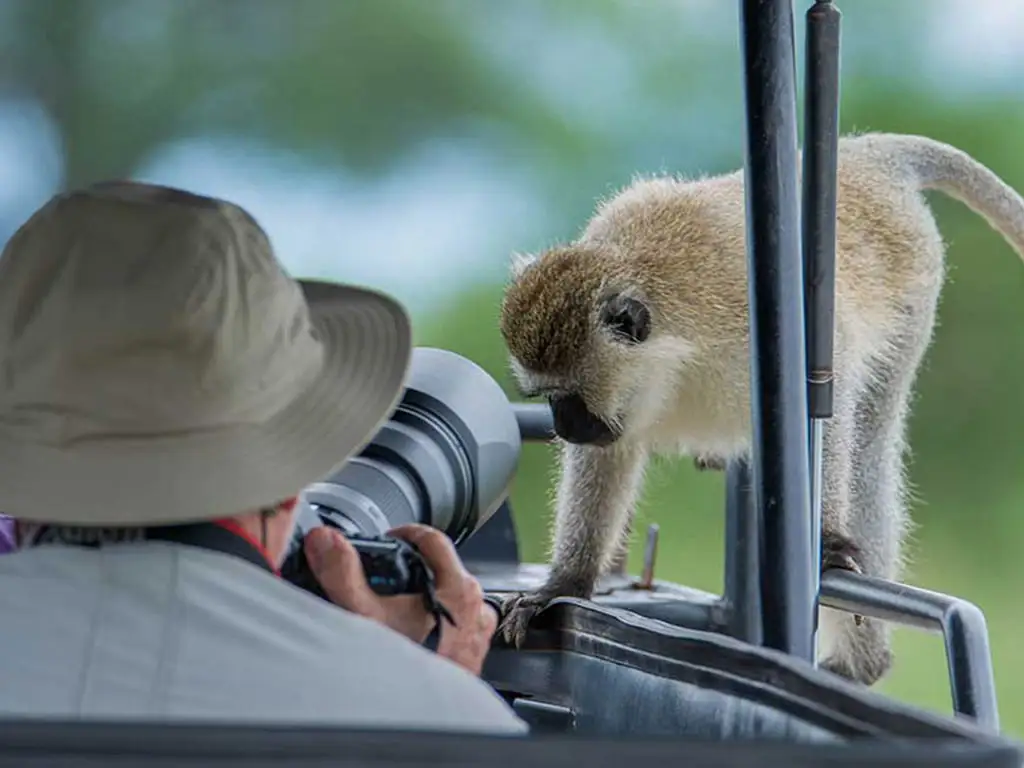
A photography Serengeti safari vacation gives you time to capture Tanzania’s wildlife, changing light, and sweeping landscapes. From a lion resting beside a rocky outcrop to zebras crossing an open plain, each encounter offers a different photographic story.
Successful safari photography depends on more than an expensive camera. Choosing the right area, allowing enough time, and working patiently with your guide can make a significant difference. This guide helps you plan a trip around the photographs you want to create.
The Serengeti combines grasslands, woodlands, river habitats, and rocky formations known as kopjes. These settings offer opportunities for animal portraits, environmental photographs, and wide landscape compositions. The park is also known for the Great Migration, alongside its resident wildlife.
Rather than filling every frame with an animal, include its surroundings. An elephant beneath a broad sky or a lion framed by grasses can communicate the atmosphere of the Serengeti just as effectively as a close-up.
Choose your dates according to your photographic priorities. Migration movements vary with rainfall and grazing conditions, so seasonal patterns guide planning without guaranteeing a particular encounter.
January to March: The southern Serengeti ecosystem and Ndutu area are associated with the calving season. Green plains, young wildebeest, and predator activity can provide compelling subjects. Ndutu includes areas outside Serengeti National Park, so your itinerary should specify the locations and applicable fees.
June to October: Dry-season conditions can suit travelers seeking open views and golden landscapes. Northern Serengeti itineraries during the migration season may provide opportunities around the Mara River. River crossings are unpredictable and can require long waits.
Other months: Changing skies, greener scenery, and resident wildlife can still make rewarding photographs. Ask your operator which region fits your dates instead of choosing accommodation solely by name.
Bring equipment you can use confidently. A practical kit includes:
A second camera body can reduce lens changes in dusty conditions. Smartphone users can still capture landscapes, travel details, and wildlife when animals are suitably close. Avoid relying on heavy digital zoom for distant subjects.
Begin with a shutter speed suited to the animal’s movement. Around 1/1000 second can be a useful starting point for moving mammals; faster action may need more. Adjust your settings for available light and check your results.
Use continuous autofocus for moving subjects and focus on the nearest visible eye for portraits. Burst shooting can help with action, but short, deliberate bursts make sorting images easier.
Early and late light often produces softer colors and more flattering shadows. Discuss game-drive timing before confirming your trip. Never assume that every itinerary includes sunrise departures or extended evening drives.
Leave space in the direction an animal is looking or moving. Watch backgrounds, avoid cutting off feet, and photograph behavior as well as individual animals.
Day 1: Travel from Arusha to Central Serengeti, photographing landscapes along the route where stops are permitted.
Days 2 and 3: Explore Central Serengeti with your guide. Allow time for patient observation rather than moving constantly between sightings.
Day 4: Enjoy another game drive before continuing toward the Ngorongoro area.
Day 5: Photograph wildlife in Ngorongoro Crater, then return to Arusha.
This is a planning example. A northern migration itinerary needs a different route, while Ndutu should be considered for suitable calving-season dates.
Stay inside the vehicle unless your guide confirms a permitted place to leave it. Do not feed, call, or crowd animals to obtain a photograph. Follow your guide’s instructions and respect other vehicles’ viewing space.
Patient observation protects wildlife and often reveals more interesting behavior than trying to force an encounter.
Share your dates, group size, accommodation preference, and photography interests with Kilipath African Safaris. Tell us whether your priority is big cats, migration herds, birds, or landscapes.
Contact Kilipath African Safaris for a personalized photography safari itinerary and quotation.
Planning a budget Ngorongoro Crater safari holiday from Arusha? Compare a crater day trip, a two-day Tarangire and Ngorongoro safari, or a…
Read articleA Tanzania safari from Zanzibar can mean a short mainland trip during your beach holiday or a complete package with flights, game…
Read articleLooking for a group Tanzania safari price from Kilipath African Safaris? A published example for our four-day shared camping safari through Tarangire,…
Read articlePair game drives on Tanzania’s mainland with a few days on Zanzibar’s coast. With Kilipath African Safaris, you can start in Arusha…
Read article

