Lake Manyara vs. Nyerere Safari Prices | Tanzania Guide
A Lake Manyara safari can cost USD 150–220 per person for a shared day trip from Arusha. A published example of a…
Read articleArusha City - Tanzania

Safari & Travel Tips
October 29, 2026 · 6 min read
Lake Manyara National Park is one of Tanzania's most beautiful and diverse wildlife destinations. Located along the dramatic Great Rift Valley escarpment in northern Tanzania, the park offers an unforgettable combination of spectacular landscapes, abundant birdlife, lush groundwater forests, open grasslands, and exciting wildlife encounters.
Our top Lake Manyara safari travel guide provides everything you need to plan a memorable wildlife adventure, from choosing the best time to visit to understanding safari activities, accommodation options, travel routes, and essential packing recommendations.
Although Lake Manyara is smaller than famous destinations such as Serengeti National Park and Ngorongoro Crater, it offers a distinctive safari experience. Visitors can explore different ecosystems within a relatively short distance, making the park especially attractive for first-time safari travelers, photographers, couples, families, and visitors with limited time.
With Kilipath African Safaris, travelers can include Lake Manyara National Park in a customized northern Tanzania safari itinerary alongside Tarangire National Park, Serengeti National Park, and the Ngorongoro Conservation Area.
Lake Manyara National Park is a rewarding destination for travelers interested in wildlife, natural beauty, and diverse habitats.
One of Lake Manyara's best-known attractions is its association with tree-climbing lions. Unlike the typical image of lions resting on the ground, some lions in this region have been observed resting on tree branches.
However, sightings are not guaranteed. Lions move freely throughout the park, and seeing one in a tree depends on wildlife movements, weather conditions, and luck.
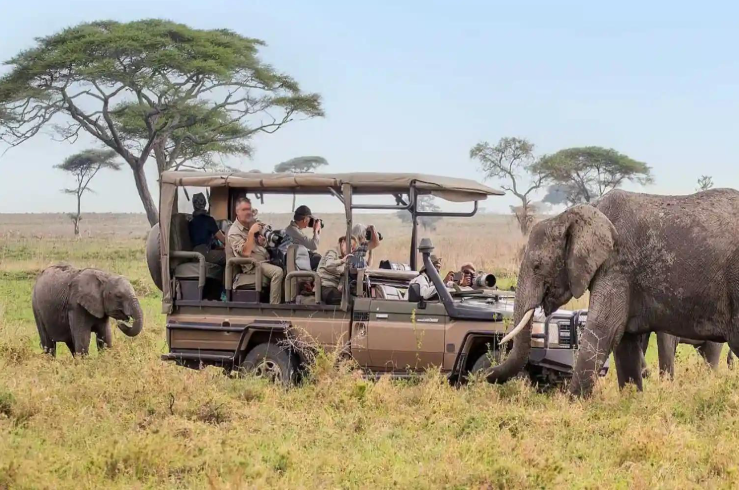
Lake Manyara is well known for elephant encounters, particularly around its forested areas and woodland habitats. Visitors may observe elephants feeding, walking along established routes, or interacting within family groups.
Lake Manyara is an attractive destination for bird enthusiasts. The lake, wetlands, forest, and grassland habitats support hundreds of recorded bird species.
Visitors may encounter flamingos when water and feeding conditions are suitable, as well as pelicans, storks, herons, hornbills, kingfishers, and various birds of prey.
The towering escarpment of the Great Rift Valley provides an impressive backdrop to the park. The contrast between the steep cliffs, green forest, seasonal wetlands, and lake scenery makes Lake Manyara an excellent destination for nature photography.
Lake Manyara is conveniently located between Arusha and several major northern Tanzania safari destinations. Its location makes it suitable for a one-day wildlife excursion or a stop within a longer multi-park itinerary.
Lake Manyara National Park can be visited throughout the year, but different seasons provide different experiences.
| Season | Months | Safari experience |
|---|---|---|
| Dry season | June–October | Generally easier wildlife viewing and less vegetation |
| Short rains | November–December | Greener scenery and excellent photographic opportunities |
| Warm, relatively dry period | January–February | Good safari conditions and birdwatching |
| Long rains | March–May | Lush landscapes, fewer visitors, and potentially muddy roads |
The dry season is often preferred for general wildlife viewing, while wetter months can be particularly attractive to photographers and birdwatchers.
Tanzania Parks+1
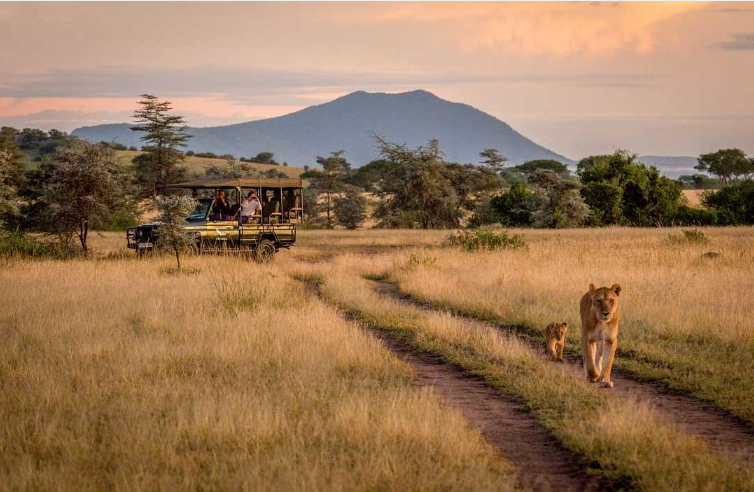
Game drives are the main attraction. Travelers explore the park in a specially equipped safari vehicle with an experienced guide who helps identify animals, birds, and different habitats.
A typical game drive may include sightings of elephants, giraffes, buffaloes, zebras, baboons, and various antelope species. Predators such as lions and leopards are possible but less predictable.
The park supports more than 400 recorded bird species, making it a rewarding destination for birdwatching. Seasonal flamingo gatherings, wetland birds, and forest species provide excellent opportunities for photography.
Lake Manyara National Park
The treetop walkway provides an elevated perspective of the forest, allowing visitors to observe vegetation, butterflies, monkeys, and birds from above. This activity is subject to availability and additional arrangements.
Where conditions and park permissions allow, visitors may enjoy canoeing or guided walking activities. Canoeing depends on suitable lake water levels, while walking safaris require authorized guides and arrangements.
Lake Manyara National Park
Lake Manyara is approximately 125 kilometers from Arusha, with a typical road journey of around 2–2.5 hours under favorable conditions. Most safaris begin in Arusha after arrival at Kilimanjaro International Airport or Arusha Airport.
The park entrance is near Mto wa Mbu, making it convenient to combine a game drive with cultural experiences in the surrounding community.
Lake Manyara National Park
Ideal for visitors with limited time.
Morning: Depart Arusha and travel toward Lake Manyara National Park.
Midday: Enjoy a guided wildlife game drive, exploring forest habitats, woodland areas, and accessible lakeside viewpoints. Have a picnic lunch at a designated location.
Afternoon: Continue wildlife viewing before returning to Arusha.
Day 1 – Tarangire National Park: Enjoy game drives among ancient baobab trees, elephant herds, and scenic savanna landscapes. Overnight near Karatu or Mto wa Mbu.
Day 2 – Lake Manyara National Park: Explore the groundwater forest, look for elephants and monkeys, and enjoy birdwatching and scenic viewpoints. Overnight near Karatu.
Day 3 – Ngorongoro Crater: Descend into the crater for an exciting wildlife game drive, with opportunities to see lions, buffaloes, hippos, elephants, and potentially black rhinos. Return to Arusha.
Travelers can choose accommodation according to their comfort preferences and safari budget.
Budget accommodation: Guesthouses and campsites around Mto wa Mbu provide affordable overnight options.
Mid-range accommodation: Comfortable lodges and tented properties near Mto wa Mbu and Karatu offer private rooms, meals, and convenient access to the park.
Luxury accommodation: Upscale lodges and exclusive safari properties provide premium facilities, scenic settings, and personalized hospitality.
The total cost of a Lake Manyara safari depends on the number of travelers, duration, accommodation category, transportation, and included activities.
A one-day safari generally costs less than a multi-day itinerary, while private safaris provide greater flexibility and exclusive use of the safari vehicle.
Typical package inclusions may cover park entry fees, a professional safari guide, a 4x4 safari vehicle, drinking water, and meals as specified in the itinerary. Accommodation and transfers depend on the selected package.
Travelers should request an updated quotation because park tariffs and accommodation rates can change.
Bring comfortable neutral-colored clothing, sunscreen, sunglasses, a hat, insect repellent, binoculars, a camera, and comfortable walking shoes.
A light jacket is useful for cooler mornings, while a reusable water bottle and personal medication are important for comfort throughout the journey.
Always follow park regulations, remain inside the vehicle except at authorized areas, and avoid feeding wildlife.
Experience the breathtaking landscapes, fascinating wildlife, and remarkable biodiversity of Lake Manyara National Park with Kilipath African Safaris.
Whether you are planning a budget-friendly adventure, a private family safari, a romantic honeymoon, or a longer Tanzania wildlife holiday, our team can help design an itinerary that suits your travel dates, interests, and budget.
Contact Kilipath African Safaris today to request your personalized Lake Manyara safari itinerary and quotation. Discover the beauty of Tanzania with experienced local safari guides and unforgettable wildlife experiences.
A Lake Manyara safari can cost USD 150–220 per person for a shared day trip from Arusha. A published example of a…
Read articlePlanning a Tanzania safari that combines Lake Manyara National Park and Nyerere National Park is an excellent way to experience the country's…
Read articlePlanning an unforgettable African wildlife adventure from Zanzibar? Understanding the Tanzania safari package Zanzibar price is an important first step toward choosing…
Read articlePlanning an African wildlife adventure? Understanding the group Tanzania safari price is an important step toward choosing an affordable and unforgettable safari…
Read article