Guided Ruaha Safari Deal
For a first visit to Ruaha National Park, 4 days and 3 nights gives you two full days for game drives. A…
Read articleArusha City - Tanzania
Safari & Travel Tips
November 27, 2026 · 8 min read
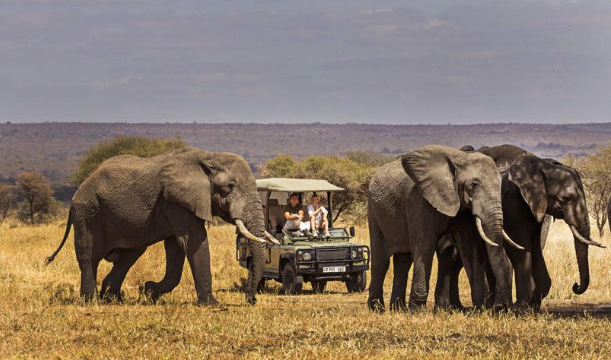
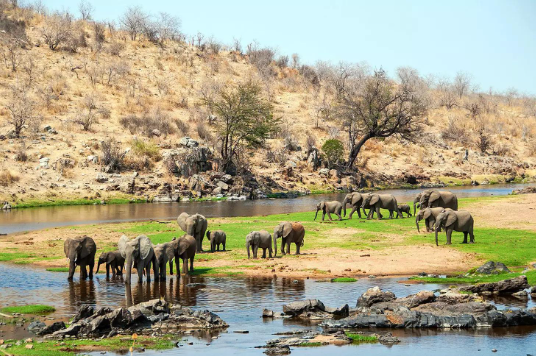
On a dry-season morning in Ruaha National Park, your guide might stop at a sandy riverbed where elephants have dug for water. A little farther along, you could find a greater kudu browsing below a baobab or a pride of lions resting in the shade. Those moments explain the appeal of a Ruaha safari. The river, woodland and rocky hills change what you see from one drive to the next, and there’s good reason to linger when you find something worth watching.
Ruaha lies in Tanzania’s Southern Circuit and can be reached by road via Iringa or by light aircraft. For a first visit, allow at least three nights if you can. That gives you two full days to explore, with time on arrival and departure days depending on your transfers. June to October is the usual dry-season window. If you’re drawn to greener landscapes and bird photography, consider the wetter months and check which camps operate on your dates.
The Great Ruaha River is a natural starting point for many game drives, especially as the dry season progresses. Water can recede into pools in some stretches, drawing animals to the remaining water and shade. The side roads show another side of the park. A drive may take you through woodland and past granite outcrops before opening onto a sandy riverbed or a plain dotted with baobabs.
A typical full day starts with an early game drive. After breakfast or lunch, depending on your camp and the plan for the day, you can rest through the hottest hours and head out again in the afternoon. If the area you want to explore is farther from camp, ask about a longer drive with a packed lunch. Your guide can adjust the route based on road conditions, recent sightings and how long you’d like to spend at each stop.
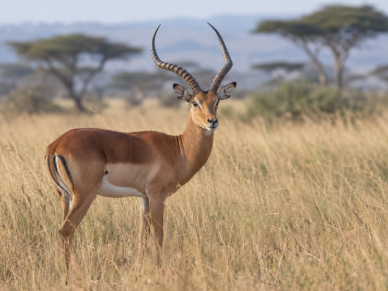
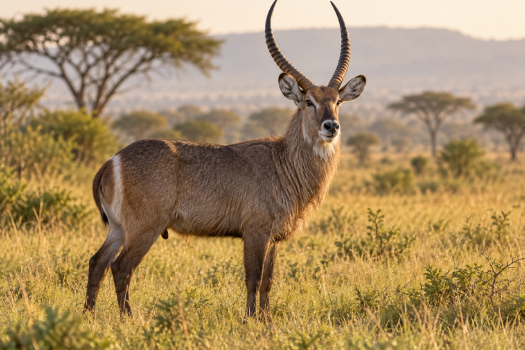
Elephants, buffalo and greater kudu are among the animals to look for. Ruaha also supports lesser kudu, sable and roan antelope. Lions are one of the park’s main draws, while leopard, cheetah and African wild dog are possible sightings. If a particular species matters to you, tell your guide early so they can spend time in suitable habitat. Sightings vary with season, location and luck.
The best encounter of the day might come from staying with a herd for twenty minutes. Watch how elephants make room for calves at the water’s edge or how kudu stop feeding and turn their ears toward a sound in the brush. Ruaha is rewarding for birders too. Bring binoculars and ask your guide to stop along the river and in woodland, where you can look for different species as the habitat changes.
| Travel period | What to expect | Who it suits |
|---|---|---|
| June to August | The dry season gets underway, and early drives can feel cool. Wildlife starts to concentrate around reliable water as conditions dry out. | First-time visitors and travelers who prefer cooler mornings |
| September to October | Conditions are typically drier and hotter. Remaining pools and shaded river corridors can be productive places to watch wildlife. | Travelers who prioritize game viewing and are comfortable with heat |
| November to May | Rainfall and access vary across this period. Greener landscapes can offer good birding and photography, and some camps may operate seasonally. | Birders, landscape photographers and travelers with flexible plans |
The month matters, but so does where you stay. Ask what routes your camp usually drives at that time of year and whether longer game drives are available. If you’re visiting late in the dry season, plan to leave early and use the middle of the day for a break. If you’re considering the rainy season, check camp opening dates and road conditions before building the rest of your itinerary around Ruaha.
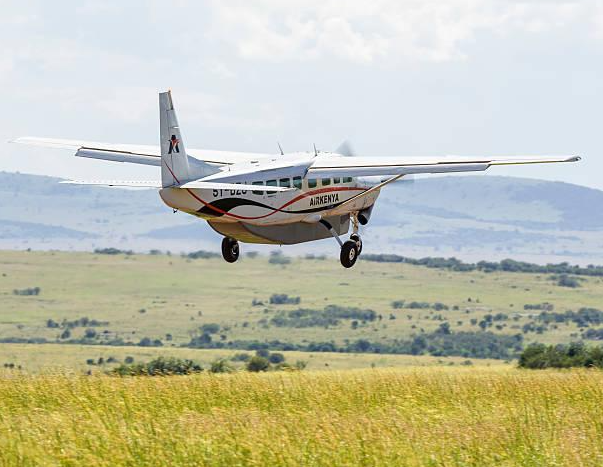
By air. A fly-in safari can save time when you have a short holiday or want to connect Ruaha with another park. Msembe and Jongomero are airstrips listed by Tanzania National Parks. Ask your operator which airstrip serves your camp, how long the onward drive takes and whether it is included. Confirm the baggage allowance and bag requirements for each flight before packing. Connections depend on your dates and the airline timetable.
By road. Iringa is a practical staging point for a road safari. If you’re coming from farther away, an overnight in town can make the journey more manageable and give you an earlier start the next day. Ask for a realistic transfer time to your specific accommodation. When you compare road and fly-in quotes, count the time you’ll spend traveling as well as the number of game drives you’ll get at each end.
Two nights can work if you fly in and your flights allow for a drive on arrival or departure day. Three nights give you two full days and a better chance to explore more than one area. Four nights or more make sense if you want time for photography, birding or longer stops without having to choose between them and seeing a different part of the park.
| Day | What you could do |
|---|---|
| Day 1 | Arrive and transfer to camp. If your arrival is early enough, head out for an afternoon game drive. |
| Day 2 | Start near the Great Ruaha River and check riverbanks and adjacent woodland. Take a midday break, then head out again in the afternoon. |
| Day 3 | Ask your guide to explore a different area or return to a productive spot in better light. Consider a longer drive with a picnic if the route and conditions suit it. |
| Day 4 | Fit in a short morning drive if the transfer allows, then continue to the airstrip or depart by road. |
If you’re comparing itineraries with the same number of nights, check how many full days they actually leave in the park. A late arrival followed by an early flight home can make a short stay feel much shorter than it looks on paper.
Start with location. Ask how long it takes to reach the areas your guide expects to visit, whether your transfer crosses the park, and what a typical morning departure looks like. A camp that puts you close to the drives you care about may offer better value than an upgrade farther from your preferred routes.
Tented camps can suit travelers who enjoy hearing the bush at night, while properties with more facilities may appeal to families or anyone who likes to spend the midday break in comfort. Compare room layouts, meals, power and charging, and how the camp handles early breakfasts or packed lunches. Families should confirm minimum ages for accommodation and activities, and whether a private vehicle is needed for their group.
Game drives are the main activity. Some operators may also arrange guided walks where permitted, depending on the camp, season and applicable rules. If a walk is important to your booking, ask who leads it, how long it lasts, what age limits apply and whether it costs extra.
For photography, early and late drives give you more opportunities to work with softer light. Bring binoculars, spare batteries and something to protect your camera from dust. If you want to spend longer with individual subjects or revisit a spot the next morning, ask for a private vehicle. Tell your guide if you prefer photos of animals in the wider landscape so they can look for open sightlines and useful backgrounds.
The main variables are travel dates, camp category, number of travelers, vehicle arrangements and whether you fly or travel by road. For a solo traveler or couple, vehicle costs can account for a larger share of the per-person price. For a family or small group, check how sharing a private vehicle affects the total. A fly-in quote may also include separate airstrip transfers or domestic flights, so check the line items before comparing totals.
Ask for a quote that shows accommodation, meals, park and applicable accommodation-related fees, guiding, vehicle use, transfers and domestic flights if requested. Check which activities and drinks are included, and whether the vehicle is shared or reserved for you. If two quotes differ, compare the camp location, the full days in the park and the number of drives before deciding which one gives you better value.
Ruaha and Nyerere National Park make a natural Southern Circuit pairing. Plan game drives in Ruaha and ask about a boat safari in Nyerere if your camp and seasonal conditions allow it. Leave enough time in both parks so a connection day doesn’t use up most of your safari time.
Ruaha and Serengeti can suit a longer Tanzania holiday. Choose your Serengeti area according to the month and your wildlife interests, then check domestic connections before confirming camps. You may need a transfer or an overnight between parks depending on the route.
Ruaha and Zanzibar work well for a safari followed by beach time. Confirm flight times and any connection before booking a same-day island transfer. If your beach stay is short, compare arrival times at the hotel as well as arrival times at Zanzibar Airport.
Pack light layers for early drives, breathable clothing for the middle of the day, a hat, sunscreen, insect repellent and closed shoes. Add a warm layer for cool dry-season mornings or a light rain jacket if you’re visiting in wetter months. Binoculars are useful for spotting birds and animals in shade. If you’re flying, use a bag that meets your airline’s published requirements and include your camera equipment when you check the weight.
Send us your travel dates, group size, starting point and preferred accommodation. Tell us what you most want to see and whether you’d like to add Nyerere or Zanzibar. Contact Kilipath African Safaris to request a tailored Ruaha safari itinerary and quote.
For a first visit to Ruaha National Park, 4 days and 3 nights gives you two full days for game drives. A…
Read articleSpend two nights near Ruaha National Park and a full day exploring its baobab country and river valleys with a safari guide.…
Read articleStart with early game drives along the Great Ruaha River, then spend a few days on Zanzibar with a beach, a book…
Read articleA four-day private Ruaha safari gives you two full days to explore the park, with a travel day on each side. Fly…
Read article