An all inclusive Lake Manyara safari is one of the easiest and most rewarding ways to explore Tanzania’s famous Northern Safari Circuit. Situated beneath the dramatic Great Rift Valley escarpment, Lake Manyara National Park combines groundwater forests, open floodplains, acacia woodland, wetlands and an alkaline lake within a relatively compact safari destination.
The park is particularly famous for its tree-climbing lions, large elephants, baboons, hippos and abundant birdlife, while seasonal gatherings of flamingos can create spectacular scenes along the lakeshore. Tanzania National Parks reports that Lake Manyara supports hundreds of bird species and a diverse mix of wildlife habitats.
Choosing an all-inclusive safari means that most of the important arrangements—transportation, park fees, guide services, meals, accommodation and game drives—can be organized together in one safari package. This makes Lake Manyara especially convenient for first-time visitors, couples, families and travelers combining the park with Tarangire, Ngorongoro Crater and Serengeti National Park.
Why Choose an All Inclusive Lake Manyara Safari?
An all-inclusive safari removes much of the logistical work involved in organizing a Tanzania wildlife holiday.
Instead of arranging a vehicle, guide, park entry, accommodation and meals separately, travelers can have these components organized as one complete itinerary.
A typical all inclusive Lake Manyara safari package may include:
- Private or shared 4×4 safari transportation
- Professional English-speaking safari guide
- Lake Manyara National Park entrance fees
- Game drives
- Accommodation according to your selected category
- Breakfast, lunch and dinner as stated in the itinerary
- Drinking water during safari
- Airport or hotel transfers when included
- Government taxes and applicable safari charges
- Picnic lunch during the game drive
- Pickup and drop-off in Arusha
- Assistance before and during your trip
Exact inclusions vary according to the package, so travelers should always confirm what is included before booking.
International airfare, Tanzania visas, travel insurance, gratuities and personal purchases are normally handled separately unless specifically included.
Where Is Lake Manyara National Park?
Lake Manyara National Park is located in northern Tanzania at the base of the Great Rift Valley escarpment, close to Mto wa Mbu.
It is an excellent stop between Arusha and the Ngorongoro Conservation Area.
TANAPA describes the drive from Arusha as approximately 125 km and around 2–2.5 hours, depending on traffic and road conditions.
Because of its location, Lake Manyara works extremely well as:
- A one-day safari from Arusha
- The first destination of a Northern Circuit safari
- The final park before returning to Arusha
- Part of a Lake Manyara–Ngorongoro itinerary
- Part of a Tarangire–Manyara–Ngorongoro safari
- Part of a longer Serengeti safari
This convenient position is one reason the park remains popular with travelers who have limited time in Tanzania.
What Makes Lake Manyara Special?
Lake Manyara is not Tanzania’s largest national park, but its diversity makes it particularly interesting.
Within a relatively short game drive, visitors can move through dense groundwater forest, woodland, open grassland, marshes and lakeshore habitats.
TANAPA describes Lake Manyara National Park as covering approximately 648.7 square kilometers and highlights its unusually diverse landscapes beneath the Rift Valley escarpment.
1. Tree-Climbing Lions
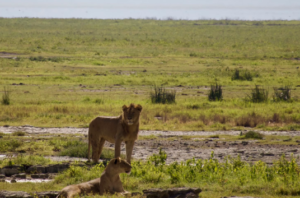
Lake Manyara is especially associated with its famous tree-climbing lions.
Lions may occasionally be observed resting along branches of acacia trees or other vegetation.
However, they are wild animals, and sightings can never be guaranteed.
Seeing one is therefore a memorable bonus rather than something travelers should expect on every safari.
2. Elephants
Elephants are among Lake Manyara’s most impressive residents.
The park’s forest and woodland areas provide excellent habitat for them, and visitors may encounter solitary bulls or family groups.
TANAPA specifically lists elephants among the major wildlife attractions of Lake Manyara.
3. Flamingos and Waterbirds
Lake Manyara’s alkaline waters can attract lesser and greater flamingos, pelicans, storks, herons and other waterbirds.
Flamingo numbers are seasonal and change with water levels and feeding conditions, so no ethical safari company should guarantee enormous flamingo flocks on a particular date.
Nevertheless, birdwatching remains one of Lake Manyara’s strongest attractions.
TANAPA reports hundreds of recorded bird species across the park’s wetlands, forests and woodland environments.
4. Great Rift Valley Scenery
The Rift Valley escarpment rises dramatically behind the park.
Its steep cliffs provide a beautiful backdrop for photography, especially around the open plains and lakeshore.
5. Groundwater Forest
One of the first environments many visitors encounter is Lake Manyara’s lush groundwater forest.
Freshwater springs support tall vegetation that creates a striking contrast with Tanzania’s more open savannah parks.
Blue monkeys, baboons and forest birds are frequently associated with this environment.
Wildlife You Can See on a Lake Manyara Safari
Wildlife sightings vary from day to day, but Lake Manyara supports a surprisingly diverse animal population.
Possible sightings include:
Elephants – Large herds and individual bulls may be encountered through woodland and floodplain habitats.
Giraffes – Often seen browsing acacia trees and moving across open areas.
Buffaloes – Commonly encountered near grasslands, wetlands and water sources.
Zebras – Frequently seen grazing in open sections of the park.
Wildebeest – Often share feeding areas with zebras and other herbivores.
Hippos – Usually associated with pools and wetland areas.
Baboons – Lake Manyara is particularly well known for its large troops of baboons.
Blue monkeys – Most likely encountered within forested habitats.
Impala – Common antelope found in woodland and open areas.
Bushbuck – More secretive and often associated with forested vegetation.
Lions – Present throughout the ecosystem, with Lake Manyara particularly famous for tree-climbing behavior.
Other predators may occasionally be encountered, although sightings are less predictable.
TANAPA lists elephants, lions, buffalo, zebra, wildebeest, giraffe, hippos and numerous primate and bird species among the park’s wildlife.
Birdwatching at Lake Manyara
For bird enthusiasts, Lake Manyara can be one of the highlights of northern Tanzania.
More than simply a place to photograph flamingos, the park supports a wide variety of forest, woodland, wetland and migratory birds.
Possible sightings include:
- Lesser flamingos
- Greater flamingos
- Pelicans
- African fish eagles
- Storks
- Herons
- Spoonbills
- Bee-eaters
- Hornbills
- Kingfishers
- Cormorants
- Egrets
- Raptors
- Migratory waterbirds
TANAPA reports over 400 recorded bird species on its current wildlife information page, making Manyara an excellent location for birding-focused itineraries.
What Is Included in an All Inclusive Lake Manyara Safari?
The definition of “all inclusive” can vary between safari companies.
A comprehensive package should clearly state each service included.
Safari Vehicle
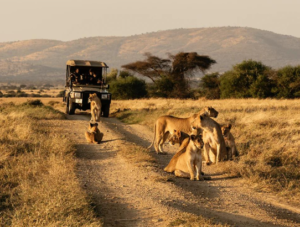
Most Lake Manyara safaris use a 4×4 Land Cruiser with a pop-up roof.
The raised roof provides better visibility for observing and photographing wildlife.
Private safaris give you the entire vehicle, while shared safaris combine several travelers.
Professional Safari Guide
Your driver-guide is responsible for much more than driving.
A good guide helps identify wildlife, interpret animal behavior, explain ecosystems and locate promising wildlife areas.
They also coordinate park timing and safari logistics.
Park Entrance Fees
National park entrance fees should be included when the package specifically advertises an all-inclusive rate.
Because official tariffs can change, travelers should rely on the current TANAPA tariff rather than old prices found on blogs. TANAPA maintains the official park tariff information online.
Meals
Depending on your itinerary, meals may include:
- Breakfast
- Picnic lunch
- Dinner
- Drinking water
On a day safari, the most common arrangement is a packed picnic lunch enjoyed at a designated location inside or near the park.
Accommodation
For multi-day itineraries, accommodation may be provided near:
- Mto wa Mbu
- Lake Manyara
- Karatu
- The Rift Valley escarpment
Accommodation can range from budget guesthouses to comfortable tented camps and luxury lodges.
TANAPA notes that accommodation is available both around the park and in nearby Mto wa Mbu and Karatu.
Lake Manyara Safari Accommodation Options
Budget Accommodation
Budget accommodation is suitable for travelers prioritizing wildlife experiences over luxury.
It generally offers:
- Private or shared rooms
- Basic bathrooms
- Simple meals
- Comfortable beds
- Convenient access to the safari route
Mid-Range Accommodation
Mid-range lodges are among the most popular options.
Travelers can generally expect:
- Private ensuite rooms
- Comfortable bedding
- Restaurant
- Hot showers
- Attractive gardens or views
- Breakfast and dinner
This category works especially well for couples and families.
Luxury Accommodation
A luxury Lake Manyara safari can include beautiful lodges overlooking the Rift Valley or exclusive properties near the park.
Facilities may include:
- Spacious suites
- Swimming pools
- Premium dining
- Private terraces
- Personalized service
- Scenic lake or escarpment views
Example 1-Day All Inclusive Lake Manyara Safari
Early Morning – Departure from Arusha
Your safari guide collects you from your Arusha hotel.
After a safari briefing, drive toward Lake Manyara National Park.
The journey passes through northern Tanzania’s countryside before reaching the Great Rift Valley area.
Morning – Enter Lake Manyara
After registration at the park gate, begin your game drive through the groundwater forest.
This section is excellent for spotting baboons, blue monkeys, elephants and forest birds.
Late Morning – Floodplain Game Drive
Continue toward more open habitats.
Possible sightings include:
- Giraffes
- Buffaloes
- Zebras
- Wildebeest
- Impalas
- Elephants
Your guide searches for signs of predators, including Lake Manyara’s famous lions.
Afternoon – Picnic Lunch
Stop at a designated picnic location for lunch.
Enjoy the surroundings while following park rules regarding wildlife and food.
Afternoon Game Drive
Continue exploring the lakeshore and wetland areas.
Depending on conditions, you may see hippos, waterbirds and flamingos.
Late Afternoon – Return to Arusha
Leave Lake Manyara and drive back toward Arusha.
A one-day safari is particularly suitable for travelers with only one free day before or after Kilimanjaro climbing, Zanzibar or a longer Tanzania journey.
2-Day Lake Manyara and Ngorongoro Safari
This is one of the strongest short safari combinations.
Day 1: Arusha – Lake Manyara
Drive from Arusha to Lake Manyara.
Spend several hours game driving through forests, woodland and lakeshore areas.
After the game drive, travel to your lodge around Karatu or Mto wa Mbu.
Dinner and overnight at your selected lodge.
Day 2: Ngorongoro Crater – Arusha
After breakfast, drive toward Ngorongoro.
Descend into the crater for a game drive.
Ngorongoro offers excellent opportunities to see large mammals including lions, elephants, buffaloes, zebras and wildebeest.
After lunch and further wildlife viewing, return to Arusha.
This combination gives travelers two dramatically different ecosystems in only two days.
3-Day All Inclusive Lake Manyara Safari
A popular itinerary is:
Day 1: Arusha – Tarangire National Park
Explore Tarangire, famous for elephants and baobab landscapes.
Overnight near Karatu or Mto wa Mbu.
Day 2: Ngorongoro Crater
Descend into Ngorongoro Crater for wildlife viewing.
Return to your lodge in the evening.
Day 3: Lake Manyara – Arusha
Explore Lake Manyara’s forests, floodplains and lakeshore before returning to Arusha.
This itinerary is excellent for travelers seeking a short Northern Circuit experience.
Combining Lake Manyara With Serengeti
Travelers with additional time should consider a longer safari incorporating Serengeti National Park.
A typical itinerary could be:
Day 1: Arusha → Tarangire
Day 2: Tarangire → Serengeti
Day 3: Serengeti full-day game drive
Day 4: Serengeti → Ngorongoro area
Day 5: Ngorongoro Crater → Lake Manyara/Karatu
Day 6: Lake Manyara → Arusha
This route combines four of northern Tanzania’s most famous safari destinations.
Best Time for a Lake Manyara Safari
Lake Manyara is open year-round, according to TANAPA.
However, the experience changes with the seasons.
June to October
This generally corresponds with Tanzania’s drier period.
Advantages can include:
- Easier wildlife viewing
- Less dense vegetation in some areas
- Pleasant safari conditions
- Convenient combination with Serengeti migration safaris
November to December
Short rains can make the landscape greener.
Birdlife becomes particularly interesting as migratory species begin arriving.
January to February
This can be another attractive time to visit northern Tanzania.
Travelers may combine Lake Manyara with Serengeti or the Ndutu region.
March to May
The main rainy season creates lush vegetation and dramatic landscapes.
There are generally fewer tourists than during peak safari months.
Some tracks can become wet or temporarily difficult after heavy rainfall, so conditions should be checked locally.
Can You See Flamingos at Lake Manyara?
Yes, but their presence and concentration are seasonal.
Flamingos feed according to water chemistry, algae availability and water levels.
They can move between different Rift Valley lakes.
Therefore, avoid safari advertisements promising huge flamingo numbers on specific dates.
TANAPA describes flamingos as a seasonal attraction of the alkaline lake.
Can You See Tree-Climbing Lions?
Yes, Lake Manyara is famous for them.
However, lions are wild animals and their location changes constantly.
Tree-climbing behavior may occur, but it cannot be guaranteed.
Visitors should treat any tree-climbing lion sighting as a special wildlife encounter rather than the only reason to visit.
Activities in Lake Manyara National Park
Lake Manyara offers more than conventional game drives.
Official TANAPA information lists several possible activities.
Day Game Drives
The classic Lake Manyara experience.
Game drives allow visitors to explore the groundwater forest, acacia woodland, plains and lakeshore.
Birdwatching
Excellent for both casual visitors and specialist birders.
Canopy Walk
Lake Manyara offers a canopy walkway experience providing an elevated perspective of the forest.
TANAPA describes the walkway as having viewing platforms among the trees, offering opportunities to observe birds, butterflies and monkeys.
Night Game Drives
Night drives may be possible where authorized.
These offer opportunities to experience the park after sunset and search for nocturnal wildlife.
Such activities should be arranged in advance.
Walking Experiences
Guided walking opportunities can also be organized subject to park regulations and availability.
Canoeing
Canoeing may be available depending on water level and operational conditions.
Mto wa Mbu Cultural Experience
Mto wa Mbu is located close to Lake Manyara National Park and can be incorporated into an itinerary.
Travelers interested in local culture may add:
- Village walks
- Local food experiences
- Market visits
- Banana plantation visits
- Bicycle excursions
- Community-based activities
TANAPA itself lists cultural visits around Mto wa Mbu among the experiences associated with Lake Manyara.
This can make an excellent addition when your itinerary allows extra time.
Private vs Shared Lake Manyara Safari
Private Safari
A private safari gives your party an exclusive vehicle and guide.
Advantages include:
- Flexible departure times
- Greater privacy
- More control over wildlife stops
- Better photography flexibility
- Convenient family travel
- Personalized itinerary
Private safaris are especially suitable for honeymooners, families and photographers.
Shared Safari
Shared safaris reduce costs because several travelers share the vehicle.
Advantages include:
- Lower per-person cost
- Opportunity to meet other travelers
- Good choice for solo visitors
- Efficient for standard Northern Circuit routes
The itinerary is usually less flexible because the group follows a common schedule.
What to Pack for Lake Manyara
Pack lightly and practically.
Recommended items include:
- Lightweight neutral-colored clothing
- Comfortable shoes
- Hat
- Sunglasses
- Sunscreen
- Insect repellent
- Camera
- Extra batteries
- Power bank
- Binoculars
- Light jacket
- Reusable water bottle
- Passport
- Travel insurance details
TANAPA recommends items such as binoculars, sunscreen and neutral-colored safari clothing.
Photography Tips
Lake Manyara offers excellent photographic opportunities because wildlife can be viewed against forests, wetlands, lake scenery and the Rift Valley escarpment.
For better results:
Use a telephoto lens for wildlife.
A range around 200–400 mm can be useful for birds and distant animals.
Carry a wider lens for:
- Elephant landscapes
- Rift Valley scenery
- Safari vehicle shots
- Lake panoramas
- Lodge photography
Morning and late afternoon usually offer softer light.
Keep cameras accessible because wildlife encounters can appear suddenly.
Is Lake Manyara Suitable for Families?
Yes.
Lake Manyara’s relatively compact layout makes it particularly suitable for families that do not want extremely long driving days.
Children can enjoy seeing elephants, giraffes, monkeys, zebras and hippos while parents appreciate the scenic environment.
Families may prefer private safaris because they allow greater flexibility with:
- Rest stops
- Meal timing
- Wildlife viewing time
- Departure schedules
Lake Manyara Safari for Couples
Lake Manyara can also be incorporated into romantic safari itineraries.
Couples can combine it with:
- Luxury Rift Valley lodges
- Private safari vehicles
- Ngorongoro Crater
- Serengeti
- Zanzibar beach holidays
A popular honeymoon combination is:
Arusha → Tarangire → Lake Manyara → Ngorongoro → Serengeti → Zanzibar.
Lake Manyara and Zanzibar Safari Combination
Combining safari with Zanzibar is one of Tanzania’s most popular holiday formats.
A sample trip could include:
Days 1–4
Northern Tanzania safari covering Lake Manyara, Tarangire and Ngorongoro.
Days 5–9
Flight or transfer onward to Zanzibar.
Enjoy beaches, Stone Town, spice tours, snorkeling or relaxation.
This creates a balanced wildlife-and-beach holiday.
How Much Does an All Inclusive Lake Manyara Safari Cost?
There is no single fixed price.
The total cost depends on:
- Number of travelers
- Private versus shared safari
- Number of safari days
- Accommodation level
- Travel season
- Vehicle exclusivity
- Optional activities
- Airport transfers
- Additional parks
- Domestic flights
A one-day shared or private safari will naturally cost much less than a luxury multi-day Northern Circuit package.
When comparing prices, do not simply choose the cheapest number.
Check whether the quote includes:
Park fees + vehicle + guide + meals + accommodation + taxes + transfers.
A seemingly cheap safari may become expensive if major components are charged separately later.
Responsible Safari Travel
Responsible tourism helps protect Lake Manyara’s sensitive forests and wetlands.
Visitors should:
- Never feed animals
- Never throw litter
- Remain inside the vehicle unless at designated locations
- Respect wildlife viewing distances
- Keep noise low
- Avoid disturbing birds
- Follow ranger instructions
- Do not pressure guides to drive off-road illegally
TANAPA specifically asks visitors to remain on authorized routes and boardwalks, avoid feeding wildlife and maintain safe distances near wildlife such as elephants and hippos.
Book an All Inclusive Lake Manyara Safari
An all inclusive Lake Manyara safari is ideal for travelers who want Tanzania’s wildlife experience without having to organize every component separately.
Whether you choose a one-day safari from Arusha or include Lake Manyara within a longer Tarangire, Serengeti and Ngorongoro safari, the park provides a memorable introduction to Tanzania’s Northern Circuit.
A well-planned package can cover your safari vehicle, professional guide, park fees, meals, accommodation and transfers while leaving you free to concentrate on the wildlife and landscapes.
From elephants moving through groundwater forests to hippos in wetlands, monkeys in the trees and flamingos gathering along the soda lake, Lake Manyara offers an impressive amount of diversity in a relatively compact destination.
For the strongest experience, combine it with at least one other Northern Circuit park and choose an itinerary suited to your available time, accommodation preference and budget