Skip to content

An all inclusive Ngorongoro Crater safari adventure brings together dramatic landscapes, outstanding wildlife viewing, comfortable transport, meals, accommodation, and professional guiding in one carefully organized trip. Instead of arranging park fees, transfers, food, and lodging separately, travelers can enjoy the experience while a local safari company handles the logistics.
Ngorongoro Crater is one of northern Tanzania’s most memorable wildlife destinations. Its vast floor contains open grassland, freshwater pools, woodland, marshes, and the shallow soda lake known as Lake Magadi. These habitats support an impressive concentration of animals, making the crater a rewarding choice for first-time safari travelers, couples, families, photographers, and visitors with limited time.
This guide explains what an all-inclusive package normally covers, how a crater safari works, when to travel, which animals you may encounter, what to pack, and how to combine Ngorongoro with Serengeti, Tarangire, or Lake Manyara.
Why Choose Ngorongoro Crater for a Safari?
Ngorongoro is not simply a wildlife park. It forms part of the larger Ngorongoro Conservation Area, a landscape where wildlife conservation, human history, and Maasai pastoral traditions meet. The conservation area is recognized by UNESCO for both its natural and cultural importance.
The crater itself is the remains of an enormous volcano that collapsed long ago. Its steep walls surround a floor covering roughly 260 square kilometers. Once your safari vehicle descends from the rim, the landscape feels like a self-contained natural sanctuary.
Travelers choose Ngorongoro because it offers:
- Excellent wildlife viewing within a relatively compact area
- A chance to search for lions, elephants, buffaloes, and endangered black rhinos
- Beautiful viewpoints from the crater rim
- Easy connections with Serengeti, Tarangire, and Lake Manyara
- Options ranging from budget camping to luxury lodges
- A strong safari experience even on a short Tanzania itinerary
Wildlife sightings are never guaranteed, but the crater’s varied habitats and resident animal populations often allow visitors to see many species during one game drive.
What Does an All-Inclusive Ngorongoro Safari Include?
The exact package depends on the operator, accommodation level, group size, and itinerary. A properly explained all-inclusive package will normally include most of the essential safari services.
Typical inclusions are:
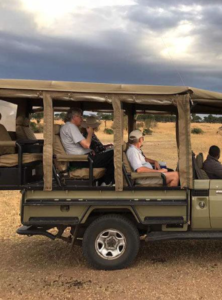
- Transport in a 4×4 safari Land Cruiser with a pop-up roof
- Services of a professional English-speaking driver-guide
- Ngorongoro Conservation Area entry fees
- Crater service or descent fees
- Accommodation specified in the itinerary
- Meals during the safari
- Drinking water in the vehicle
- Airport or hotel transfers listed in the program
- Game drives and scheduled sightseeing
- Government taxes applicable to the quoted services
Some private packages may also include soft drinks, binoculars, cultural visits, domestic flights, laundry, or premium beverages. These benefits should be confirmed in writing rather than assumed.
Items commonly excluded include international flights, Tanzania visas, travel insurance, tips, alcoholic drinks, personal purchases, optional activities, and accommodation before or after the stated itinerary.
Before booking, ask for a clear list of inclusions and exclusions. “All inclusive” should mean that the essential arrangements are covered—not that every possible personal expense is included.
What Happens on a Typical Ngorongoro Crater Safari Day?
A crater day usually begins early. If you sleep in Karatu, the drive first climbs toward the conservation area entrance and continues through the highlands to the rim. Travelers staying at a rim lodge or campsite have a shorter journey to the descent road.
After registration, your guide drives down the steep crater road. Morning is an excellent time to look for active predators and enjoy softer light for photography. On the floor, the guide selects routes based on recent sightings, road conditions, weather, and animal movements.
You may explore the open plains, Lerai Forest, marsh areas, hippo pools, and the surroundings of Lake Magadi. Lunch is commonly served at a designated picnic site. Wildlife may be nearby, so follow your guide’s instructions and never feed animals.
Most crater visits last several hours because entry is managed and vehicles must leave the floor within the permitted operating period. After the game drive, the vehicle ascends the crater wall and continues to Karatu, Arusha, or the next destination in your itinerary.
Animals You May See in Ngorongoro Crater
Zebra, wildebeest, and flamingos demonstrate the crater’s wildlife diversity. Image source: Wildlife Worldwide.
Ngorongoro is celebrated for its dense and diverse wildlife. Commonly observed species include wildebeest, zebra, buffalo, Thomson’s and Grant’s gazelles, warthog, hippo, spotted hyena, and golden jackal.
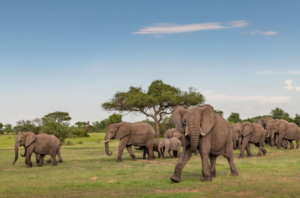
Lions are among the crater’s best-known predators. Cheetahs may be seen on open ground, while leopards are present but more elusive. Large bull elephants sometimes move through the forest and grasslands; family herds are more frequently encountered elsewhere in the wider conservation area.
The black rhinoceros is one of the crater’s most sought-after sightings. Visitors should remember that rhinos can remain far from the road, so binoculars are helpful. A responsible guide will observe them without disturbing their behavior or leaving designated tracks.
Birdlife changes with habitat and season. Travelers may spot crowned cranes, ostriches, kori bustards, secretary birds, raptors, waterbirds, and—when conditions are favorable—flamingos around Lake Magadi.
The Big Five are associated with the Ngorongoro ecosystem, but seeing all five during one descent is not assured. Leopard sightings in particular can be difficult. A good safari should be measured by the entire ecosystem and quality of observation, not only by a checklist.
Best Time for an All Inclusive Ngorongoro Crater Safari Adventure
Ngorongoro can be visited throughout the year. The best period depends on your priorities.
June to October: Dry Season
The dry season generally brings cooler mornings, drier roads, shorter grass in many areas, and strong wildlife viewing. July through September is popular, so accommodation and vehicles should be reserved early. The crater rim can be cold, especially before sunrise and after sunset.
November to December: Short Rains
Short rains can refresh the landscape and reduce dust. Showers are often brief, although weather cannot be predicted precisely. This period can provide green scenery and interesting photography.
January to March: Green Season
The wider Ngorongoro and southern Serengeti region is lush during the green season. Travelers combining the crater with Ndutu may experience the wildebeest calving season, particularly around January and February, depending on rainfall and herd movements.
April to May: Long Rains
This is usually the wettest period. The scenery can be especially green, visitor numbers may be lower, and some lodges offer seasonal value. Roads can be muddy, and clouds may obscure rim views at times, but the crater remains accessible under normal conditions.
How Many Days Do You Need?
One crater descent is sufficient for travelers with limited time, but the complete safari length depends on the parks being combined.
Two-Day Safari
A popular two-day route combines Tarangire National Park with Ngorongoro Crater. It suits travelers who want a compact safari from Arusha without visiting Serengeti.
Three-Day Safari
A three-day program can include Tarangire, Ngorongoro, and Lake Manyara. Another option combines Serengeti and Ngorongoro, although drive times are longer.
Four-Day Safari
Four days allows a more balanced northern circuit, often covering Tarangire, Serengeti, and Ngorongoro. This is a strong option for first-time visitors who want variety without a very long trip.
Five to Seven Days
A longer itinerary provides more time in Serengeti, a more relaxed pace, and opportunities for cultural or walking activities. Private safaris can be customized around arrival times, accommodation preferences, and special interests.
Sample 3-Day All-Inclusive Itinerary
Day 1: Arusha to Tarangire National Park
Meet your guide after breakfast and travel to Tarangire, known for baobab trees, elephant herds, and the Tarangire River. Enjoy a game drive and picnic lunch before continuing to a lodge or camp near Karatu.
Day 2: Ngorongoro Crater
Depart early for the conservation area. Descend to the crater floor for a game drive among grasslands, woodland, marshes, and lakes. Stop for a picnic lunch, continue wildlife viewing, and return to your accommodation in the late afternoon.
Day 3: Lake Manyara and Return to Arusha
Explore Lake Manyara National Park, depending on seasonal conditions and traveler preferences. Look for primates, elephants, antelope, and birds before returning to Arusha. The route can also be adapted to include a cultural visit or relaxed departure morning.
Accommodation: Camping, Mid-Range, or Luxury?
Budget camping is the most affordable approach. Public campsites usually provide shared bathroom facilities, while the safari team supplies tents and essential sleeping equipment. On a camping safari, a cook may travel with the group and prepare meals.
Mid-range safaris normally use lodges or tented camps with private bathrooms. Properties around Karatu often offer better value, gardens, comfortable rooms, and convenient access to the conservation area. Staying on the crater rim may reduce morning driving but generally costs more.
Luxury lodges prioritize location, design, service, cuisine, and panoramic views. Premium packages may include large suites, fireplaces, private dining, spa services, or elevated crater-facing settings.
Choose accommodation according to the experience you value—not only the room category. A comfortable Karatu lodge may offer better value, while a rim property is ideal for travelers who prioritize views and quick access.
Shared Safari or Private Safari?
A shared safari is suitable for solo travelers, friends, or couples who want to reduce costs. Guests join other travelers in one vehicle and follow a fixed route and schedule. Reputable shared tours limit passenger numbers so each traveler has reasonable viewing access.
A private safari gives your party its own vehicle and guide. It is better for families, honeymooners, photographers, travelers with mobility considerations, and anyone who wants more control over departure times or time spent at sightings.
When comparing prices, confirm the maximum number of guests per vehicle, whether everyone has a window seat, the luggage limit, and whether the quoted itinerary is fixed or flexible.
Responsible and Respectful Travel
Maasai culture forms an important part of the wider Ngorongoro landscape. Image source: TraceDirecte.
Responsible tourism protects both wildlife and communities. Select an operator that follows conservation rules, pays official fees, employs qualified local guides, and treats staff fairly.
During a game drive, remain inside the vehicle unless your guide says it is safe to leave at an approved location. Keep noise low near animals, never request off-road driving where it is prohibited, and take all waste out of the area.
If you visit a Maasai community, choose a respectful, transparently arranged experience. Ask before photographing people, listen to local hosts, and avoid treating cultural life as a performance created only for visitors.
What to Pack for Ngorongoro
Temperatures can change quickly between the rim and crater floor. Pack light layers rather than relying on one heavy item.
Useful items include:
- A warm jacket or fleece for the crater rim
- Neutral-colored, comfortable clothing
- Sun hat, sunglasses, and sunscreen
- Closed shoes or comfortable walking shoes
- Camera, spare batteries, and memory cards
- Binoculars if you prefer your own pair
- Reusable water bottle
- Personal medication and a small day bag
- Insect repellent
- Rain jacket during wetter months
Soft-sided luggage is more practical in a safari vehicle, especially on a shared departure or when domestic flights are included.
Health, Safety, and Travel Preparation
Purchase comprehensive travel insurance that covers medical treatment, cancellation, baggage, and safari activities. Consult a qualified travel-health professional well before departure for personalized vaccination and malaria advice.
Drink safe water supplied by your safari operator and tell the company about dietary requirements or allergies before arrival. Vegetarian, vegan, halal, and other meal preferences can usually be arranged with advance notice.
Follow your guide’s safety instructions throughout the trip. Wild animals are unpredictable, even when they appear relaxed. Never approach or feed them.
Book Your Ngorongoro Crater Adventure
The best all-inclusive package is one built around your time, budget, comfort level, and travel style. Kilipath African Safaris can arrange shared or private departures, airport transfers, carefully selected accommodation, professional guides, meals, park fees, and combinations with Serengeti, Tarangire, Lake Manyara, or Zanzibar.
To request a personalized quotation, share:
- Your travel dates
- Number of adults and children
- Preferred safari length
- Shared or private safari preference
- Camping, mid-range, or luxury accommodation
- Arrival and departure airport
- Dietary or accessibility requirements
With these details, your consultant can recommend a realistic route and provide a transparent list of inclusions, exclusions, and payment terms.
Final Thoughts
An all inclusive Ngorongoro Crater safari adventure is one of the easiest ways to experience northern Tanzania’s wildlife without managing every logistical detail separately. The destination offers extraordinary scenery, diverse habitats, excellent animal viewing, and straightforward connections to other famous parks.
Choose a reputable local operator, read the inclusions carefully, pack warm layers, and keep realistic expectations about wildlife. With thoughtful planning and a skilled guide, Ngorongoro can become the defining highlight of a Tanzania journey.