Skip to content

An all inclusive Ngorongoro Crater safari trip is one of the easiest ways to experience Tanzania’s extraordinary wildlife without worrying about arranging transportation, park permits, meals, guides, and game drives separately. Located in northern Tanzania, the Ngorongoro Crater combines dramatic volcanic scenery with a remarkable concentration of wildlife, making it an excellent destination for first-time safari travelers, couples, families, photographers, and visitors combining Ngorongoro with Serengeti, Tarangire, or Lake Manyara.
The crater forms part of the wider Ngorongoro Conservation Area, a UNESCO World Heritage Site covering about 809,440 hectares. UNESCO recognizes the area for its natural landscapes, biodiversity, cultural significance, archaeological history, and its role within the greater Serengeti ecosystem. The Ngorongoro Crater itself is considered the world’s largest unbroken caldera.
This guide explains what an all-inclusive safari normally covers, the wildlife you may encounter, the best time to travel, accommodation choices, recommended itineraries, and the most important questions to ask before booking.
What Is an All Inclusive Ngorongoro Crater Safari Trip?
An all-inclusive Ngorongoro safari is a package in which most of the essential safari arrangements are organized in advance by a tour operator.
Instead of arranging a safari vehicle, driver-guide, conservation fees, accommodation, food, and permits separately, travelers receive one coordinated itinerary.
Exactly what is included depends on the package and the number of safari days, so travelers should always read their quotation carefully.
A typical package may include:
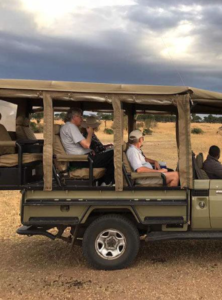
- Private or shared 4×4 safari transportation, professional safari guide, Ngorongoro conservation and crater-related fees specified in the quotation, accommodation where applicable, breakfast/lunch/dinner according to the itinerary, drinking water during safari, scheduled game drives, pickup and drop-off arrangements, and applicable government taxes. International flights, visas, travel insurance, gratuities, alcoholic drinks, personal expenses, and optional activities are normally separate unless specifically stated as included.
This arrangement makes an all inclusive Ngorongoro Crater safari trip particularly convenient for travelers visiting Tanzania for the first time.
Why Visit Ngorongoro Crater?
Ngorongoro offers something quite different from the endless plains normally associated with the Serengeti.
You begin from the highlands surrounding the crater before descending toward the crater floor. The landscape contains grasslands, woodland, wetlands, springs, and seasonal water sources, creating habitat for many different animals within a relatively compact area.
UNESCO describes Ngorongoro as globally important for biodiversity conservation and notes the presence of threatened species including the black rhinoceros. The wider conservation area also forms part of the annual movement of wildebeest, zebra, gazelles, and other grazing animals within the Serengeti ecosystem.
The combination of scenery and wildlife concentration means travelers can often see a great deal during a single crater game drive.
However, wildlife is wild and sightings can never be guaranteed.
Wildlife on an Ngorongoro Crater Safari
Wildlife viewing is the main reason travelers book an all inclusive Ngorongoro Crater safari trip.
Common sightings can include wildebeest, zebra, African buffalo, Thomson’s gazelle, Grant’s gazelle, warthog, spotted hyena, and various antelope species.
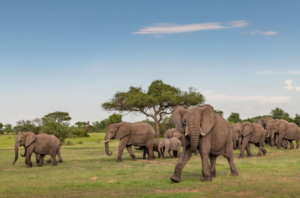
Lions are also regularly associated with the crater ecosystem, while elephants may be encountered around woodland areas. Hippos can sometimes be observed near permanent water.
For many visitors, the black rhinoceros is one of Ngorongoro’s most sought-after animals. UNESCO specifically identifies the black rhino among the endangered species found within the conservation area.
Seeing one still requires patience and luck because animals may be distant or hidden depending on conditions.
Bird enthusiasts can also enjoy Ngorongoro. UNESCO notes around 500 bird species across the wider conservation area.
Can You See the Big Five in Ngorongoro?
Ngorongoro is associated with four animals that travelers frequently include in their Big Five searches: lion, elephant, buffalo, and black rhinoceros.
Leopards occur in the wider ecosystem but are much more elusive, and travelers should not expect every member of the Big Five during one crater visit.
A better approach is to enjoy the complete ecosystem instead of treating the safari as a checklist.
You may spend one moment watching a hyena moving across open grassland and the next observing elephants, zebra, buffalo, or lions.
That unpredictability is part of what makes a Tanzania safari exciting.
How Does a Ngorongoro Crater Game Drive Work?
Crater safari days normally start early.
Guests travel toward the Ngorongoro highlands, complete the required entry procedures, and descend into the crater in a 4×4 safari vehicle.
Once on the crater floor, the guide searches different wildlife habitats while explaining animal behavior, ecology, vegetation, and conservation.
The crater floor covers roughly 250 square kilometers according to UNESCO nomination documentation, giving visitors a substantial area to explore despite its enclosed appearance from viewpoints above.
Your exact route depends on wildlife movements, weather, road conditions, and regulations applicable on the day.
An experienced guide is particularly valuable because animal locations constantly change.
Private vs Shared Ngorongoro Safari
Both private and shared safaris can work well.
A shared safari generally provides better value for solo travelers or couples who are comfortable traveling with other guests. Costs for the vehicle and guide are distributed among the group.
Private safaris offer greater flexibility.
Couples, honeymooners, families, photographers, and groups of friends may appreciate having their own vehicle because stops can be adjusted around their interests.
For example, photographers may want additional time with a particular animal rather than immediately moving to the next sighting.
Private safaris also make it easier to combine Ngorongoro with destinations such as Serengeti, Tarangire, Lake Manyara, Ndutu, or cultural experiences.
One-Day Ngorongoro Safari or Multi-Day Safari?
A Ngorongoro day trip can work for travelers with limited time, particularly when starting from an appropriate location in northern Tanzania.
However, travelers who have several days available usually benefit from combining Ngorongoro with another park.
A classic northern Tanzania safari might include Tarangire for elephants and baobab landscapes, Serengeti for extensive plains and predator viewing, and Ngorongoro for a concentrated crater safari experience.
Lake Manyara can also be included depending on the itinerary.
For travelers particularly interested in the Great Migration, the best routing depends heavily on the month of travel because different sections of the Serengeti ecosystem become important at different times.
Example 3-Day Ngorongoro Safari Combination
A short three-day safari could begin with Tarangire National Park before continuing toward the Ngorongoro highlands.
The first day provides a contrasting landscape of baobabs, savannah, riverine areas, and elephant country.
The second day could involve a longer game-viewing experience in the region or travel toward another destination depending on the package.
The final morning can start early with the Ngorongoro Crater descent, followed by wildlife viewing and the return toward Arusha.
Another popular short itinerary combines Serengeti and Ngorongoro, although the driving distances are greater.
Travelers should select itineraries based on realistic travel times rather than trying to visit too many parks in too few days.
Best Time for an All Inclusive Ngorongoro Crater Safari Trip
Ngorongoro can be visited throughout the year.
During the generally drier months, wildlife viewing can feel easier because vegetation may be shorter and driving conditions are often more predictable.
The greener months create beautiful scenery, dramatic skies, excellent photographic backgrounds, and active birdlife.
January and February can be especially interesting when combining Ngorongoro with the southern Serengeti/Ndutu region because this period is associated with calving in the short-grass plains of the wider ecosystem. UNESCO notes that large numbers of migrating wildebeest pass through the property and calve around the short-grass plains along the Ngorongoro–Serengeti ecosystem.
There is therefore no single perfect month for everyone.
Travelers should choose according to their priorities: wildlife, photography, migration, budget, weather, or crowd levels.
Where Do You Stay Near Ngorongoro?
Accommodation varies from affordable camps and guesthouses to comfortable mid-range lodges and high-end properties.
Some accommodations are positioned around Karatu while others are located closer to or within the conservation area.
Properties close to the crater can make an early start easier, while accommodation around Karatu may offer attractive value and a wider range of options.
When comparing packages, check whether the accommodation has private bathrooms, hot showers, electricity or charging facilities, meal plans, and the room configuration you require.
During busy safari periods, accommodation availability can influence the final route, so booking earlier provides more choices.
What Should You Pack?
Temperatures around the Ngorongoro highlands can feel much cooler than travelers expect, especially during early mornings and evenings.
Layered clothing is therefore useful.
Bring a warm jacket or fleece, comfortable neutral-colored clothing, sun protection, closed shoes, sunglasses, a hat, camera equipment, spare batteries or power banks, and any personal medications.
Binoculars are also extremely useful because some animals may remain far from the road.
Pack lightly if your safari includes domestic flights because small aircraft may have stricter luggage limitations than international airlines.
Is Ngorongoro Suitable for Families?
Yes. Ngorongoro can be a good safari destination for families because substantial wildlife viewing can be achieved within one main game-drive day.
Children often enjoy seeing zebra, wildebeest, elephants, lions, hippos, and other large animals.
Families may prefer a private vehicle because it offers greater control over stops and pacing.
Parents should nevertheless consider the children’s ages, ability to spend several hours inside a safari vehicle, and the total driving time between parks.
A slower itinerary usually works better than attempting to cover several distant destinations every day.
Is Ngorongoro Good for Honeymoon Safaris?
Ngorongoro works particularly well in honeymoon itineraries when combined with comfortable accommodation and a private vehicle.
Couples can pair the crater with Serengeti before flying to Zanzibar for a beach stay.
A private safari creates flexibility for scenic stops, photography, leisurely lunches, and personalized game viewing.
Higher-end packages can also use lodges positioned in spectacular highland settings.
Can Ngorongoro Be Combined With Serengeti?
Absolutely.
Ngorongoro and Serengeti are among the most natural combinations in Tanzania’s northern safari circuit.
The wider Ngorongoro Conservation Area is ecologically connected with the Serengeti ecosystem, and migrating animals move across portions of this landscape seasonally.
A common itinerary travels from Arusha toward Tarangire or Lake Manyara before continuing to Serengeti and later visiting Ngorongoro Crater.
The order can also be reversed.
The ideal routing depends on your arrival location, safari length, month of travel, accommodation availability, and whether domestic flights are included.
Are There Other Activities Around Ngorongoro?
Yes.
The Ngorongoro Conservation Area offers much more than a crater game drive.
The official Ngorongoro Conservation Area Authority identifies walking safari areas including the crater rim, Empakaai Crater, Olmoti Crater, Ndutu, Olduvai Gorge, Endoro Waterfalls, and other highland locations. Activities and access requirements vary, so they should be arranged in advance through an authorized operator where necessary.
This makes Ngorongoro a useful destination for travelers who want to combine wildlife viewing with scenery, hiking, cultural experiences, or archaeological interests.
Plan Your Ngorongoro Safari With Kilipath African Safaris
An all inclusive Ngorongoro Crater safari trip can be arranged as a short standalone experience or incorporated into a longer Tanzania itinerary covering Serengeti, Tarangire, Lake Manyara, Ndutu, Zanzibar, and other destinations.
Kilipath African Safaris can tailor the itinerary according to the number of travelers, preferred accommodation standard, travel dates, private or shared safari preference, arrival airport, and overall safari length.
The most useful information to provide when requesting a quotation is your travel dates, number of travelers, number of safari days, accommodation preference, and whether you prefer a private or shared safari.