Skip to content
An all-inclusive Tanzania safari itinerary deal is one of the easiest and most reliable ways to explore Tanzania’s extraordinary national parks. Instead of arranging accommodation, transportation, park permits, meals, and guides separately, an all-inclusive package combines the essential services into one organized safari experience.
Whether you want to see the Great Wildebeest Migration in Serengeti National Park, search for the Big Five inside the Ngorongoro Crater, encounter large elephant herds in Tarangire, or relax on Zanzibar’s beaches after your safari, the right itinerary can transform your Tanzanian holiday into an unforgettable adventure.
This complete guide explains what all-inclusive Tanzania safari deals normally cover, the best itinerary options, expected prices, accommodation choices, travel seasons, and important booking considerations.
What Is an All-Inclusive Tanzania Safari Itinerary Deal?
An all-inclusive Tanzania safari itinerary deal is a professionally organized travel package that covers most of the services required during your trip. You pay one agreed price, and the safari operator coordinates the daily activities and logistics.
A well-designed package usually includes:
- Airport pickup and drop-off
- Private or shared safari transportation
- Professional English-speaking safari guide
- Accommodation throughout the itinerary
- National park entrance fees
- Ngorongoro Crater service fees, where applicable
- Daily game drives
- Breakfast, lunch, and dinner
- Drinking water during the safari
- Government taxes and tourism levies
- Emergency assistance during the trip
- Flying Doctors emergency evacuation cover, when specified
- Domestic flights, when included in the proposal
However, the meaning of “all-inclusive” can vary between operators. Travelers should always read the detailed inclusions and exclusions before confirming a reservation.
International flights, visas, travel insurance, alcoholic drinks, guide gratuities, optional activities, and personal expenses are often excluded unless the itinerary specifically states otherwise.
Why Choose an All-Inclusive Tanzania Safari?
Planning a safari independently can be complicated. Tanzania’s protected areas have different entrance fees, accommodation categories, seasonal rates, driving distances, and reservation procedures. An all-inclusive deal brings these elements together in one coordinated plan.
Easier Budget Planning
Knowing the total safari cost before arrival makes it easier to manage your travel budget. Most major expenses are paid or arranged in advance, reducing the need to carry large amounts of cash during the trip.
Professional Route Planning
A local safari specialist understands realistic driving times, park regulations, wildlife seasons, and accommodation locations. This helps avoid itineraries that look attractive on paper but involve too much driving and too little time watching wildlife.
Reliable Transportation
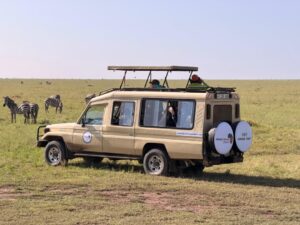
Most Tanzania safaris use a specially modified 4×4 Land Cruiser with a pop-up roof. The raised roof provides excellent visibility and makes wildlife photography easier.
Depending on the vehicle and operator, additional features may include:
- Charging sockets or USB ports
- A cooler or refrigerator
- Radio communication
- First-aid equipment
- Seatbelts
- Binoculars
- Comfortable individual seats
- Large windows
- Space for luggage
Expert Safari Guidance
A professional guide does more than drive the vehicle. Your guide tracks animals, explains wildlife behavior, identifies birds and plants, communicates with other guides, manages park-entry schedules, and selects productive areas for game viewing.
One Point of Contact
When accommodation, transfers, meals, permits, and activities are arranged through one company, you have a single contact person if you need help or want to adjust the trip.
Best Destinations for an All-Inclusive Tanzania Safari
Tanzania has several wildlife circuits, each offering a different type of safari experience.
Serengeti National Park
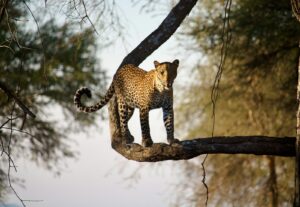
Serengeti National Park is Tanzania’s most celebrated safari destination. Its enormous plains support lions, leopards, cheetahs, elephants, giraffes, buffaloes, hyenas, zebras, wildebeest, and hundreds of bird species.
The park is also home to the Great Wildebeest Migration, during which vast herds move through the Serengeti ecosystem in search of fresh grass and water.
Different areas become important during different seasons:
- Southern Serengeti and Ndutu: Best known for calving from approximately December to March
- Central Serengeti: Excellent for resident wildlife throughout the year
- Western Corridor: Migration activity is often possible from May to June
- Northern Serengeti: Famous for Mara River crossings, commonly from July to October
Migration timing is controlled by rainfall and cannot be guaranteed. A knowledgeable operator should recommend the most appropriate area based on your travel dates.
Ngorongoro Crater
The Ngorongoro Crater is one of Tanzania’s most concentrated wildlife areas. The crater floor contains grasslands, forests, wetlands, and permanent water sources that support an impressive variety of animals.
Possible sightings include:
- Lions
- Elephants
- Buffaloes
- Hippos
- Zebras
- Wildebeest
- Hyenas
- Jackals
- Flamingos
- Black rhinoceroses
The crater is particularly valuable for travelers hoping to complete their Big Five experience. Leopards can be difficult to spot on the crater floor, but they are sometimes encountered around the surrounding highlands.
Because vehicle access is regulated and descent hours are limited, it is important to enter early whenever possible.
Tarangire National Park
Tarangire is famous for its ancient baobab trees, open landscapes, and large elephant populations. During the dry season, wildlife gathers near the Tarangire River, creating excellent viewing opportunities.
Common sightings include:
- Elephants
- Lions
- Giraffes
- Zebras
- Wildebeest
- Buffaloes
- Impalas
- Warthogs
- Ostriches
- Numerous bird species
Tarangire is approximately two hours from Arusha, making it an excellent first or final destination on a Northern Circuit safari.
Travelers should avoid wearing very dark blue or black clothing in areas where tsetse flies are present.
Lake Manyara National Park
Lake Manyara is a compact park situated beneath the Great Rift Valley escarpment. It contains groundwater forests, floodplains, acacia woodland, and lake habitats.
Wildlife can include elephants, giraffes, buffaloes, baboons, zebras, hippos, and many species of birds. The park has also become famous for its tree-climbing lions, although sightings are never guaranteed.
Lake Manyara can be included in longer itineraries, but wildlife distribution changes according to water levels and seasonal conditions. Your safari consultant may sometimes recommend additional time in Tarangire, Serengeti, or Ngorongoro instead.
Nyerere National Park
Formerly part of the Selous Game Reserve, Nyerere National Park offers a quieter safari atmosphere in southern Tanzania. It is an excellent choice for travelers who want fewer vehicles and a wider variety of activities.
Depending on the camp and season, visitors may enjoy:
- Traditional game drives
- Boat safaris on the Rufiji River
- Guided walking safaris
- Birdwatching
- Photography
- Sundowner experiences
Nyerere is easily combined with Zanzibar through scheduled domestic flights.
Ruaha National Park
Ruaha is one of Tanzania’s largest and most remote protected areas. It is known for dramatic scenery, large elephant populations, predators, baobab-covered landscapes, and relatively low visitor numbers.
Ruaha works particularly well for experienced safari travelers, photographers, honeymooners, and anyone seeking a peaceful wilderness experience.
Sample Seven-Day All-Inclusive Tanzania Safari Itinerary
A seven-day itinerary provides a comfortable balance between wildlife viewing and travel time. It is long enough to include Tanzania’s principal Northern Circuit destinations without making every day feel rushed.
Day 1: Arrival in Tanzania
Upon arrival at Kilimanjaro International Airport or Arusha Airport, you will meet your representative and transfer to your accommodation in Arusha.
Depending on your arrival time, you can relax at the hotel or participate in an optional activity such as:
- Arusha city tour
- Coffee plantation visit
- Cultural heritage center visit
- Local market experience
- Serval Wildlife excursion
- Materuni Waterfalls day trip
Your safari guide or representative may provide a short briefing about the following day’s departure, luggage recommendations, park rules, and expected weather.
Accommodation: Arusha hotel or lodge
Meals: Depending on arrival time and package
Day 2: Arusha to Tarangire National Park
After breakfast, depart Arusha and travel to Tarangire National Park. The journey normally takes approximately two hours, depending on traffic and your starting location.
After completing the entrance formalities, begin your first game drive through landscapes dominated by baobab trees, acacia woodland, and seasonal swamps.
Tarangire’s elephants are one of its greatest attractions. Large herds may be seen feeding, bathing, or moving between the river and surrounding woodland.
A picnic or hot lunch can be served inside the park. Continue exploring in the afternoon before driving to your lodge or tented camp.
Accommodation: Lodge or tented camp near Tarangire or Karatu
Meals: Breakfast, lunch, and dinner
Day 3: Tarangire to Serengeti National Park
After breakfast, travel toward Serengeti National Park through the Ngorongoro Conservation Area. The drive offers beautiful views of the highlands and changing vegetation.
Depending on the itinerary, you may stop at a viewpoint overlooking the Ngorongoro Crater. An optional visit to a Maasai village or Olduvai Gorge may also be arranged.
Continue toward the Serengeti, enjoying wildlife sightings along the way. Once inside the park, begin an afternoon game drive while traveling toward your accommodation.
The Serengeti’s open plains provide opportunities to see lions, cheetahs, hyenas, elephants, giraffes, buffaloes, and large herds of herbivores.
Accommodation: Serengeti lodge or tented camp
Meals: Breakfast, lunch, and dinner
Day 4: Full-Day Serengeti Game Drive
Spend the full day exploring Serengeti National Park.
Your guide will plan the route according to current wildlife movements, weather, road conditions, and information received from other guides. You may leave early with a packed breakfast or enjoy breakfast at camp before starting the game drive.
A full day in Serengeti provides time to search for predators and observe animal behavior without rushing from one destination to another.
You may choose between:
- A full-day game drive with picnic lunch
- Morning and afternoon game drives with a break at camp
- An optional sunrise hot-air balloon safari
- Seasonal migration-focused game viewing
A balloon safari usually begins before sunrise and ends with a celebratory breakfast. It must be reserved in advance and is normally charged separately.
Accommodation: Serengeti lodge or tented camp
Meals: Breakfast, lunch, and dinner
Day 5: Serengeti to Ngorongoro Highlands
Begin with another morning game drive in Serengeti. Early morning is an excellent time to search for active predators before the temperature rises.
After lunch, continue toward the Ngorongoro Conservation Area. The journey gives you another opportunity to enjoy the Serengeti landscape and search for wildlife.
Arrive at your lodge or camp near the crater rim, in the highlands, or around Karatu.
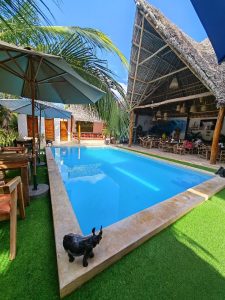
Accommodation near the crater rim provides convenient access the following morning but is usually more expensive. Properties around Karatu often offer better value, gardens, swimming pools, and spacious rooms, although the drive to the descent gate is longer.
Accommodation: Ngorongoro or Karatu lodge
Meals: Breakfast, lunch, and dinner
Day 6: Ngorongoro Crater Safari
Wake up early, have breakfast, and drive to the Ngorongoro Crater descent road.
Descend approximately 600 meters to the crater floor for an extensive game drive. The enclosed ecosystem supports a high concentration of wildlife, making it one of Africa’s most rewarding safari locations.
You may explore areas such as:
- Lerai Forest
- Ngoitoktok Springs
- Lake Magadi
- Open grasslands
- Hippo pools
- Seasonal wetlands
After lunch and further wildlife viewing, ascend from the crater and return to your accommodation.
Accommodation: Karatu or nearby lodge
Meals: Breakfast, lunch, and dinner
Day 7: Lake Manyara and Return to Arusha
After breakfast, drive to Lake Manyara National Park for a final game drive.
Explore its groundwater forest, open plains, lake environment, and wooded areas while searching for elephants, baboons, giraffes, buffaloes, and birds.
After lunch, return to Arusha. You may be transferred to your hotel, Arusha Airport, or Kilimanjaro International Airport according to your departure arrangements.
Travelers should avoid booking an early flight on the final day. Returning from the parks can be affected by road conditions, traffic, park procedures, and unexpected delays.
Meals: Breakfast and lunch
Alternative Five-Day Tanzania Safari Itinerary
A five-day itinerary is suitable for travelers who want to visit the principal Northern Circuit destinations within a shorter holiday.
A popular route is:
- Day 1: Arusha to Tarangire
- Day 2: Tarangire to Serengeti
- Day 3: Full-day Serengeti safari
- Day 4: Serengeti to Ngorongoro
- Day 5: Ngorongoro Crater and return to Arusha
This itinerary offers strong wildlife opportunities but involves several long drives. Travelers who prefer a more relaxed pace should consider six or seven days.
Four-Day Tanzania Safari Deal
A four-day safari normally covers Tarangire, Serengeti, and Ngorongoro.
A typical program follows this route:
- Day 1: Arusha to Tarangire
- Day 2: Tarangire to Serengeti
- Day 3: Serengeti to Ngorongoro
- Day 4: Ngorongoro Crater and return to Arusha
It is a rewarding option for travelers with limited time, although the Serengeti portion is short. A four-day private safari offers more control over departure times than a shared tour.
Three-Day Safari Itinerary
Travelers with only three days should focus on a small number of destinations.
The most popular options are:
Serengeti and Ngorongoro
- Day 1: Arusha to Serengeti
- Day 2: Serengeti to Ngorongoro
- Day 3: Ngorongoro Crater and return to Arusha
Tarangire, Ngorongoro, and Lake Manyara
- Day 1: Tarangire
- Day 2: Ngorongoro Crater
- Day 3: Lake Manyara
The first option provides the classic Serengeti experience but involves longer driving. The second covers three parks with less travel time.
Private Versus Shared Safari Deals
Both private and shared safaris can be sold as all-inclusive packages, but they provide different experiences.
Private Safari
A private safari gives your group exclusive use of the vehicle and guide.
It is ideal for:
- Couples
- Honeymooners
- Families with children
- Photographers
- Groups of friends
- Travelers with special interests
- Visitors who want a flexible schedule
You can decide when to start the day, how long to remain at sightings, and when to return to camp, provided park rules are followed.
Private safaris are also required for certain specialized routes, including many Northern Serengeti, Ndutu, remote southern, or customized itineraries.
Shared Safari
A shared safari allows travelers to join other guests in the same vehicle. It is usually more affordable, especially for solo travelers and couples.
A quality shared safari should provide:
- A guaranteed window seat
- A clear maximum group size
- An English-speaking guide
- Confirmed accommodation
- Defined pickup arrangements
- Transparent inclusions
- Adequate luggage space
Shared tours follow a fixed schedule. Travelers have less control over departure times, wildlife-viewing duration, accommodation selection, and itinerary changes.
Safari Accommodation Categories
Accommodation strongly influences the price of an all-inclusive Tanzania safari itinerary deal.
Budget Camping
Budget camping normally uses public campsites inside or near the parks. The operator may provide tents, mattresses, sleeping bags, pillows, meals, and a safari chef.
Bathroom and shower facilities are generally shared. Hot water and electricity may be limited, but camping offers an adventurous experience close to nature.
Mid-Range Lodges and Tented Camps
Mid-range accommodation offers more comfort while maintaining an authentic safari atmosphere.
Rooms or permanent tents normally have:
- Private bathrooms
- Proper beds
- Hot showers
- Mosquito nets
- Dining facilities
- Charging access
- Comfortable seating areas
Some properties also have swimming pools, Wi-Fi, bars, and laundry services.
Luxury Safari Accommodation
Luxury lodges and camps offer premium locations, spacious suites, personalized service, high-quality dining, and refined interior design.
Luxury packages may include:
- Private plunge pools
- Butler service
- Premium drinks
- Bush breakfasts
- Sundowners
- Private dining
- Laundry service
- Scenic crater-rim or migration-area locations
Mixed-Style Safari
Combining accommodation categories can provide better value. For example, travelers may choose mid-range lodges in Tarangire and Karatu while booking a luxury camp in Serengeti.
How Much Does an All-Inclusive Tanzania Safari Cost?
Safari prices vary significantly. The final amount depends on:
- Number of travelers
- Length of itinerary
- Private or shared arrangement
- Travel season
- Accommodation category
- Parks included
- Domestic flights
- Vehicle type
- Optional activities
- Airport transfers
- Single-room supplements
Approximate per-person planning ranges may be:
| Safari style | Estimated price per person per day |
|---|---|
| Shared budget camping | USD 200–350 |
| Private budget safari | USD 300–450 |
| Private mid-range safari | USD 450–700 |
| Luxury safari | USD 700–1,500+ |
| Ultra-luxury safari | USD 1,500+ |
These are broad estimates, not fixed quotations. Park fees, concession charges, government taxes, fuel costs, and lodge prices can change.
Private safari prices generally decrease per person when more travelers share the vehicle. Solo travelers usually pay more because they cover the vehicle and guide costs alone and may also pay a single-room supplement.
What Should Be Included in the Price?
Before booking, request a written quotation showing all included services.
A comprehensive safari package may include:
- Meet-and-greet service
- Airport transfers
- Pre-safari accommodation
- Safari vehicle and fuel
- Professional guide
- Park entrance fees
- Conservation fees
- Crater descent fees
- Accommodation
- All meals during the safari
- Drinking water
- Government taxes
- Domestic flights, if listed
- Zanzibar transfers, if listed
- Emergency contact support
Common Exclusions
Even when a package is described as all-inclusive, it may exclude:
- International airfare
- Tanzania visa
- Travel and medical insurance
- Vaccinations
- Alcoholic beverages
- Laundry
- Guide and staff gratuities
- Balloon safari
- Maasai village entrance
- Olduvai Gorge fees
- Personal purchases
- Telephone charges
- Additional nights caused by flight changes
- Activities not listed in the itinerary
Ask the operator to confirm every exclusion before paying a deposit.
Best Time to Book a Tanzania Safari
Tanzania offers wildlife viewing throughout the year, but each season has advantages.
June to October
This is the main dry season and one of the most popular periods for safari travel.
Advantages include:
- Easier wildlife viewing near water sources
- Comfortable daytime conditions
- Lower rainfall
- Northern Serengeti migration opportunities
- Excellent Tarangire wildlife concentrations
Because demand is high, lodges and camps may sell out months in advance.
November to December
Short rains can turn the landscapes green and reduce dust. Visitor numbers may be lower, although holiday dates can still be busy.
Rain usually falls in short periods rather than continuously, but weather patterns are unpredictable.
January to March
This period is especially important in the southern Serengeti and Ndutu region. Wildebeest calving normally peaks between January and February, attracting lions, cheetahs, hyenas, and other predators.
April and May
These months are generally quieter and wetter. Some remote camps close, but many properties remain open and offer attractive rates.
Photographers often appreciate the green scenery, dramatic skies, fewer vehicles, and soft light.
Combining a Tanzania Safari with Zanzibar
A safari-and-Zanzibar package is one of Tanzania’s most popular holiday combinations.
After several days of game drives, travelers can fly to Zanzibar for beaches, cultural excursions, and relaxation.
Popular Zanzibar activities include:
- Stone Town tour
- Spice farm visit
- Prison Island excursion
- Safari Blue experience
- Mnemba snorkeling
- Jozani Forest visit
- Sunset dhow cruise
- Dolphin excursions
- Beach relaxation
Domestic flights are available from Arusha, Kilimanjaro, Serengeti, Nyerere, and other safari areas.
A combined itinerary may look like this:
- Day 1: Arrival in Arusha
- Days 2–6: Northern Circuit safari
- Day 7: Flight to Zanzibar
- Days 8–11: Zanzibar beach holiday
- Day 12: Departure
Check whether the quoted deal includes Zanzibar accommodation, transfers, domestic flights, and activities.
Optional Activities to Add to Your Safari
An all-inclusive itinerary can be customized with special experiences.
Hot-Air Balloon Safari
A balloon flight over Serengeti offers aerial views of the plains at sunrise. Flights are weather-dependent and should be booked early.
Maasai Cultural Visit
A guided visit can introduce travelers to Maasai traditions, homes, clothing, and community life. Choose respectful, community-supported programs rather than staged encounters.
Walking Safari
Walking safaris are offered in selected areas under the supervision of an armed ranger or qualified guide.
Night Game Drive
Night drives are available only in authorized parks, wildlife management areas, and private concessions. They provide opportunities to see nocturnal animals that are rarely active during daytime drives.
Materuni Waterfalls and Coffee Tour
This excursion near Moshi combines hiking, local culture, coffee preparation, and views of the Kilimanjaro region.
Mount Kilimanjaro Day Hike
Travelers who do not have time for a summit expedition can complete a guided hike on the lower slopes of Mount Kilimanjaro. This can be added before or after a safari.
What to Pack for Your Safari
Pack lightly and choose practical clothing in neutral colors.
Recommended items include:
- Lightweight shirts
- Comfortable safari trousers
- Warm jacket or fleece
- Hat
- Sunglasses
- Sunscreen
- Insect repellent
- Comfortable closed shoes
- Camera and extra batteries
- Power bank
- Binoculars
- Personal medication
- Small first-aid supplies
- Reusable water bottle
- Travel documents
- Soft-sided luggage
Ngorongoro mornings and evenings can be cold, so warm clothing is essential. Bright white clothing quickly becomes dusty, while dark blue and black may attract tsetse flies in certain areas.
How to Choose a Tanzania Safari Operator
Selecting the right operator is one of the most important parts of safari planning.
Look for:
- A registered Tanzanian company
- A physical business address
- Clear contact information
- Detailed written itineraries
- Transparent prices
- Recent independent reviews
- Secure payment methods
- Clear cancellation terms
- Fast and professional communication
- Experienced guides
- Properly maintained vehicles
- Emergency support
Be careful with quotations that are much cheaper than comparable offers. Extremely low prices may indicate omitted park fees, poor accommodation, overcrowded vehicles, limited meals, or last-minute changes.
Ask the operator to identify every lodge and camp rather than accepting vague descriptions such as “similar accommodation.”
Booking and Payment Process
The normal booking process is straightforward:
- Share your travel dates, group size, accommodation preference, and budget.
- Receive a customized itinerary and quotation.
- Review the inclusions, exclusions, hotels, and cancellation terms.
- Request adjustments where necessary.
- Confirm availability.
- Pay the required deposit.
- Receive a booking confirmation or invoice.
- Pay the remaining balance according to the agreement.
Deposits are often required because accommodation, permits, and domestic flights must be confirmed in advance. Some supplier payments may become non-refundable once issued.
Always request written confirmation before sending money.
Final Thoughts
The best all-inclusive Tanzania safari itinerary deal is not necessarily the cheapest package. It is the itinerary that provides enough time in each destination, uses comfortable and well-located accommodation, includes all essential fees, and matches your preferred travel style.
A carefully planned safari can combine Tarangire’s elephant herds, the endless Serengeti plains, the wildlife-rich Ngorongoro Crater, and the tropical beaches of Zanzibar in one seamless journey.
Before booking, confirm the accommodation names, transportation type, park fees, meal plan, domestic flights, airport transfers, payment schedule, and cancellation conditions. With these details clearly documented, you can travel confidently and focus on enjoying Tanzania’s landscapes, wildlife, and hospitality.