Skip to content

An all-inclusive Tanzania safari brings the main parts of your wildlife holiday into one organized package. Instead of arranging every lodge, vehicle, meal, and park visit separately, you work with a tour operator to create a coordinated itinerary.
However, “all inclusive” does not have one standard meaning across safari companies. One package might cover accommodation, meals, game drives, and park fees, while another also includes domestic flights and airport transfers. Successful all inclusive Tanzania safari package planning starts with understanding exactly what your quotation covers.
This guide explains how to choose your route, compare accommodation, plan your budget, and book a safari that suits your travel style.
What Does an All-Inclusive Tanzania Safari Include?
A comprehensive safari quotation should clearly identify the services included for each day. Common components are:
- Accommodation for the nights listed in the itinerary.
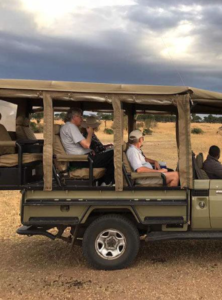
- Safari transport and the services of a driver-guide.
- Scheduled game drives and sightseeing.
- Applicable park entrance and conservation fees.
- Crater service fees when a Ngorongoro Crater descent is included.
- Meals according to the stated meal plan.
- Drinking water during the safari.
- Transfers specifically listed in the booking.
Do not assume that every drink or activity is covered. Full-board accommodation usually refers to breakfast, lunch, and dinner; it does not automatically include alcohol, laundry, or room service.
Ask whether meals begin with lunch on your first safari day and end with lunch on your final day. Arrival-night dinners and departure-day meals may need separate arrangements.
Check the Exclusions Before Comparing Prices
Two quotations can look similar while covering different services. Before choosing, check whether the following are included or charged separately:
| Item | What to confirm |
|---|---|
| International flights | Whether your package begins after arrival in Tanzania |
| Domestic flights | Route, baggage allowance, and airport transfers |
| Accommodation | Exact property, room type, and number of nights |
| Drinks | Drinking water, soft drinks, and alcoholic beverages |
| Optional activities | Balloon rides, cultural visits, and guided walks |
| Transfers | Arrival airport, departure airport, and hotel pickups |
| Personal expenses | Tips, laundry, souvenirs, and other extras |
Also request the payment schedule and cancellation terms in writing. Flights and accommodation can have separate supplier conditions.
Choose a Route That Matches Your Interests
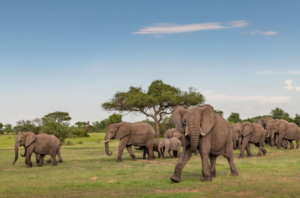
For an introduction to northern Tanzania, consider an itinerary combining Tarangire, Serengeti, and Ngorongoro. Tanzania’s tourism board highlights this circuit for its wildlife and varied landscapes, including Tarangire’s elephants and baobabs, Serengeti’s plains, and Ngorongoro Crater.
A shorter holiday works better when it concentrates on fewer destinations. If you have only two safari days, ask about Tarangire and Ngorongoro rather than trying to include a distant Serengeti visit.
For longer trips, discuss extra nights in Serengeti, a seasonal migration route, or a different circuit. Avoid choosing parks simply to make the destination list longer. Time spent watching wildlife matters as much as the number of places visited.
Decide Between a Shared and Private Safari
A shared safari can help travelers reduce costs by sharing the vehicle and guide. It follows a group itinerary, so departure times, routes, and overnight stops have less flexibility.
Kilipath African Safaris’ shared safaris accommodate a maximum of seven guests in a safari vehicle, with a window seat for each traveler and an English-speaking guide. Confirm the accommodation arrangement for your chosen departure.
A private safari provides a dedicated vehicle and guide for your party. It allows more flexibility for photography, family travel, preferred accommodation, and time spent at sightings. Request any preferred guide language before booking so availability can be checked.
Compare both options using the same travel dates and accommodation standard.
Select Accommodation for Comfort and Location
Accommodation affects both the price and the daily rhythm of your safari.
Budget camping: Suitable for travelers comfortable with simple facilities. Confirm whether tents, mattresses, sleeping bags, pillows, meals, and a chef are included. Public campsites generally have shared bathroom facilities.
Mid-range lodges and tented camps: A practical choice for travelers who want comfortable rooms and private bathrooms. Ask for the property names and whether each room has its own shower and toilet.
Luxury accommodation: Appropriate when you want higher service levels, more spacious rooms, and additional comforts. Luxury properties still have different inclusion policies, especially for drinks and activities.
Location deserves attention at every budget level. Ask how each overnight stop affects the next day’s drive, and whether a camp is inside the park or outside its boundary.
Choose Your Travel Season
Your preferred wildlife experience should help determine your dates. Tanzania’s tourism guidance identifies June to October as the main dry-season window for general wildlife viewing, while late January and February are associated with wildebeest calving in the southern Serengeti.
Migration-focused itineraries require more precise planning than a general safari. Ask where the herds are expected during your travel period and choose accommodation accordingly. Rainfall affects movements, and sightings cannot be guaranteed.
A greener-season safari can also be rewarding. Before booking, discuss likely weather, road conditions, camp operations, and how those factors affect your specific route.
Sample Five-Day Private Safari Itinerary
The following is a planning example, subject to accommodation availability and your arrival arrangements.
| Day | Suggested plan | Overnight area |
|---|---|---|
| 1 | Depart Arusha for Tarangire; game drive and lunch | Tarangire area or Karatu |
| 2 | Travel toward Central Serengeti; game viewing as time permits | Central Serengeti |
| 3 | Spend the day exploring Serengeti | Central Serengeti |
| 4 | Morning game drive, then travel toward Ngorongoro | Crater rim or Karatu |
| 5 | Ngorongoro Crater game drive, then return toward Arusha | Arrange according to departure plans |
Arrive before the safari starts when possible. This gives you time to rest and reduces dependence on a flight arriving punctually.
Check the final-day transfer carefully before buying an onward ticket. Allow for the game drive, road journey, check-in requirements, and possible delays.
Plan the Complete Budget
There is no single price for an all-inclusive Tanzania safari. The total depends on travel dates, party size, duration, accommodation, transport, and activities.
Request a quotation that states the total for your entire party as well as the price per person. Confirm whether it assumes two people sharing a room and whether a solo traveler pays a supplement.
Set aside money for exclusions, even with an inclusive package. Comparing complete trip totals will give you a clearer decision than comparing headline prices alone.
Prepare Before Departure
Pack light clothing, comfortable shoes, sun protection, camera batteries, and a warm layer for cool mornings and the Ngorongoro highlands. If your package includes small-aircraft flights, check the airline’s baggage rules before choosing luggage.
Share dietary requirements, allergies, mobility needs, and children’s ages early. Confirm which needs the operator and accommodation can meet.
Plan Your Safari With Kilipath African Safaris
Contact Kilipath African Safaris with your travel preferences to discuss a suitable itinerary. Ask for named accommodation, a complete inclusion list, clearly stated exclusions, and payment terms so you can book with a clear understanding of your holiday.