Skip to content

Planning a safari from Arusha is one of the best ways to explore Tanzania’s famous Northern Safari Circuit. Arusha provides convenient access to Serengeti National Park, Ngorongoro Crater, Tarangire National Park, Lake Manyara National Park and other remarkable destinations.
However, the cost of a safari from Arusha varies according to the length of the itinerary, accommodation standard, number of travelers, season and whether you choose a private or shared safari.
A budget shared safari may cost approximately USD 250–350 per person per day, while a private mid-range safari can range from around USD 450–700 per person per day. Luxury safari prices may exceed USD 1,000 per person per day.
These are general planning estimates. A personalized quotation is necessary to establish the exact price for your chosen dates and itinerary.
Quick Overview of Arusha Tanzania Safari Costs
| Safari category | Estimated cost per person per day |
|---|---|
| Shared camping safari | USD 250–350 |
| Private camping safari | USD 300–450 |
| Shared lodge safari | USD 350–550 |
| Private mid-range safari | USD 450–700 |
| Private luxury safari | USD 700–1,500+ |
| Premium fly-in safari | USD 1,000–2,000+ |
Safari prices are usually calculated in US dollars. The final amount depends on the number of guests sharing the vehicle and rooms.
How Much Does a Safari from Arusha Cost?
The cost of a safari starting in Arusha can range from approximately USD 250 for a simple group day trip to several thousand dollars for a private, multi-day luxury experience.
A traveler joining a shared camping safari will generally pay less than a couple booking a private lodge safari. Families and groups can often reduce the cost per person because vehicle and guide expenses are divided among more participants.
Here are some general price estimates:
| Safari duration | Budget shared safari | Private mid-range safari | Private luxury safari |
|---|---|---|---|
| 1 day | USD 250–350 | USD 350–550 | USD 600+ |
| 2 days | USD 450–700 | USD 750–1,200 | USD 1,400+ |
| 3 days | USD 600–950 | USD 1,100–1,800 | USD 2,100+ |
| 4 days | USD 750–1,200 | USD 1,500–2,400 | USD 2,800+ |
| 5 days | USD 950–1,500 | USD 1,900–3,000 | USD 3,500+ |
| 6–7 days | USD 1,150–2,000 | USD 2,400–4,500 | USD 4,500+ |
The figures above are approximate and should not be considered fixed package prices.
A lower price does not necessarily mean a poor safari experience. Budget camping safaris visit the same national parks and wildlife areas as luxury tours. The primary differences are accommodation, privacy, service level and flexibility.
Arusha Safari Cost by Number of Days
One-Day Safari from Arusha
A day trip is ideal for travelers with limited time. Tarangire, Lake Manyara, Arusha National Park and Ngorongoro Crater can be visited from Arusha, although Ngorongoro involves a longer drive.
Estimated cost: USD 250–500 per person
The price normally includes transportation, park fees, lunch, drinking water and a professional guide.
Two-Day Safari from Arusha
A two-day safari allows visitors to combine destinations such as:
- Tarangire and Ngorongoro Crater
- Lake Manyara and Ngorongoro Crater
- Tarangire and Lake Manyara
Estimated cost: USD 450–900 per person
This option works well for travelers who want more than a day trip but do not have enough time to reach Serengeti.
Three-Day Safari from Arusha
A popular three-day itinerary combines Serengeti National Park and Ngorongoro Crater. Another affordable option includes Tarangire, Lake Manyara and Ngorongoro.
Estimated cost: USD 600–1,300 per person
Travelers choosing Serengeti should expect longer driving times. Camping or shared-group travel can help reduce the cost.
Four-Day Safari from Arusha
A standard four-day Northern Circuit itinerary usually covers:
- Tarangire National Park
- Serengeti National Park
- Serengeti and the Ngorongoro area
- Ngorongoro Crater and return to Arusha
Estimated cost: USD 750–1,800 per person
Four days provide a more balanced experience because travelers have more game-viewing time in Serengeti.
Five-Day Safari from Arusha
A five-day safari commonly combines Lake Manyara, Tarangire, Serengeti and Ngorongoro Crater.
Estimated cost: USD 950–2,500 per person
This itinerary is suitable for first-time visitors who want to experience Tanzania’s main Northern Circuit destinations without rushing too much.
Six- to Seven-Day Safari
A longer safari provides additional time in Serengeti and may include cultural activities, Lake Eyasi, Lake Natron or a special Great Migration area.
Estimated cost: USD 1,200–4,500+ per person
The price increases significantly when the itinerary includes luxury camps, domestic flights or remote areas such as Northern Serengeti.
What Determines the Cost of an Arusha Safari?
1. Shared or Private Safari
A shared safari is usually the most affordable choice. Guests join other travelers and divide the vehicle, fuel and guide expenses. Kilipath African Safaris’ shared tours normally use a 4×4 Land Cruiser carrying up to seven guests, with a window seat for every traveler.
A private safari provides a dedicated vehicle and guide. It is more expensive but offers greater flexibility. Guests can select their departure time, spend longer at wildlife sightings and adjust some activities according to their interests.
Private safaris are particularly suitable for:
- Families
- Honeymoon couples
- Wildlife photographers
- Groups of friends
- Travelers requiring greater comfort
- Visitors with special interests
2. Accommodation Category
Accommodation has a major influence on the final price.
Budget camping
Public camping is the most economical option. The package generally includes a tent, mattress, sleeping bag, pillow, meals and a safari chef. Toilets and showers are usually shared.
Mid-range accommodation
Mid-range lodges and tented camps provide private rooms or permanent safari tents, comfortable beds, private bathrooms and restaurant facilities. This category offers a good balance between price and comfort.
Luxury accommodation
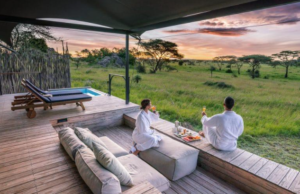
Luxury camps may offer spacious suites, premium locations, swimming pools, personalized services, fine dining and exceptional views. Some luxury properties are situated inside Serengeti, reducing daily travel but increasing the package price.
3. Number of Travelers
Safari vehicle costs are often calculated per vehicle rather than per passenger. A private safari for one traveler is therefore relatively expensive. When four or six travelers share the same private vehicle, the cost per person becomes lower.
Solo travelers who want an affordable option can join a scheduled shared safari.
4. Travel Season
Tanzania’s high season usually brings increased lodge prices and higher demand.
Peak and high seasons
The dry season from approximately June to October is popular for wildlife viewing. July to September is particularly important for travelers interested in the Great Migration river crossings in Northern Serengeti.
December to February is also popular, especially during the festive season and the Ndutu calving period.
Green and shoulder seasons
Traveling during quieter months may provide lower accommodation rates, fewer vehicles and beautiful green landscapes. Some rain can occur, but wildlife viewing remains rewarding.
5. Parks Included
The destinations selected directly affect the cost.
Tarangire and Lake Manyara are relatively close to Arusha, making them suitable for shorter safaris. Serengeti is farther away and normally requires several days, additional fuel, accommodation and park fees.
Ngorongoro Crater has conservation and vehicle-access expenses that make it more costly than some other destinations. Despite this, it remains one of Tanzania’s most valuable wildlife experiences.
6. Driving or Flying
A road safari is generally more affordable. A fly-in safari saves time and provides greater comfort, but domestic flights increase the total cost.
Fly-in safaris are useful for:
- Luxury travelers
- Honeymooners
- Visitors with limited time
- Travelers combining Zanzibar and Serengeti
- Guests visiting Northern Serengeti
What Is Included in an Arusha Safari Price?
A properly organized safari package will usually include:
- A 4×4 Land Cruiser with a pop-up roof
- Professional English-speaking safari guide
- National park entrance fees
- Ngorongoro conservation fees when applicable
- Accommodation specified in the itinerary
- Breakfast, lunch and dinner during the safari
- Drinking water
- Game drives
- Fuel and vehicle expenses
- Arusha hotel pickup and drop-off
- Government taxes
- Camping equipment and chef for camping safaris
Travelers should always request a complete list of inclusions before confirming the booking.
What Is Usually Excluded?
The following expenses may not be included:
- International flights
- Tanzania visa
- Travel and medical insurance
- Tips for the guide and chef
- Alcoholic beverages
- Personal shopping
- Laundry services
- Balloon safari
- Maasai village entrance
- Olduvai Gorge visit
- Additional accommodation in Arusha
- Optional airport transfers
- Domestic flights unless mentioned
Tanzania’s official immigration guidance lists an ordinary tourist visa at USD 50, while eligible United States passport holders generally require a USD 100 multiple-entry visa. Travelers should confirm their nationality-specific requirements through the Tanzania Immigration Department.
Additional Safari Expenses to Consider
Tips
Tipping is voluntary but customary when guests are satisfied with the service. Travelers may budget approximately USD 10–20 per person per day, depending on the group size and whether both a guide and chef are involved.
Serengeti Balloon Safari
A Serengeti balloon safari usually costs approximately USD 550–600 per person. It normally begins before sunrise and includes an aerial flight followed by breakfast.
Cultural Experiences
A Maasai village, Hadzabe community experience, local market or coffee tour may involve an additional entrance or activity charge.
Airport Transfers
Arusha is served by two main airports:
- Kilimanjaro International Airport (JRO): approximately 45–60 minutes from Arusha, depending on traffic.
- Arusha Airport (ARK): located close to the city and mainly used for domestic flights.
Travelers should confirm whether airport pickup and drop-off are included in the quotation.
Accommodation Before and After Safari
Shared safaris often depart early in the morning. Travelers should therefore arrive in Arusha at least one day before the safari starts. An additional hotel night may need to be added to the overall budget.
Cost of Visiting Different Parks from Arusha
Tarangire National Park
Tarangire is approximately two hours from Arusha and is famous for elephants, baobab trees and seasonal wildlife concentrations. Its convenient location makes it a good choice for day trips and short safaris.
Lake Manyara National Park
Lake Manyara can be combined with Tarangire or Ngorongoro. Visitors may see elephants, giraffes, hippos, monkeys, birds and, with good fortune, tree-climbing lions.
Serengeti National Park
Serengeti is the most famous safari destination in Tanzania. Because of its distance from Arusha, travelers should ideally allow at least three or four days for a road safari. Costs increase with additional nights, park fees and travel distances.
Ngorongoro Crater
Ngorongoro offers an excellent chance to observe a high concentration of wildlife within a relatively small area. The crater is home to lions, elephants, buffaloes, hippos, hyenas and occasionally black rhinoceroses.
Arusha National Park
Arusha National Park is a convenient destination for travelers with only one free day. Activities may include game drives, walking safaris and canoeing, depending on availability and park conditions.
Shared Safari vs Private Safari
| Feature | Shared safari | Private safari |
|---|---|---|
| Price | More affordable | Higher |
| Vehicle | Shared with other guests | Exclusive to your party |
| Departure time | Fixed | Flexible |
| Wildlife stops | Group decision | Based on your preferences |
| Itinerary | Usually fixed | Customizable |
| Best for | Solo travelers and budget visitors | Couples, families and photographers |
| Privacy | Limited | Excellent |
How to Reduce Your Arusha Tanzania Safari Cost
Join a group safari
Shared transportation reduces the per-person price and is especially beneficial for solo travelers and couples.
Choose camping
Budget camping provides an authentic safari experience while keeping accommodation expenses low.
Travel with friends
A private safari becomes more affordable when several travelers divide the vehicle and guide costs.
Visit closer parks
Travelers with limited time and money can focus on Tarangire, Lake Manyara, Arusha National Park and Ngorongoro rather than adding a rushed Serengeti visit.
Travel outside the busiest months
Lodges may offer better prices during the green and shoulder seasons.
Book with a local Arusha operator
A reputable local operator can provide direct communication, destination knowledge and transparent pricing without unnecessary intermediary costs.
Avoid unnecessary itinerary changes
Late changes may cause extra accommodation, permit or transportation expenses. Confirm dates and preferences before the operator makes non-refundable payments.
Is a Cheap Safari Worth It?
An affordable safari can still offer outstanding wildlife viewing. The animals and national parks remain the same regardless of whether guests stay at a public campsite or a luxury lodge.
However, travelers should avoid quotations that are unrealistically cheap. A trustworthy safari price must cover park fees, a licensed guide, a reliable vehicle, fuel, accommodation, food and government taxes. Extremely low prices may result in poor vehicle maintenance, hidden charges or inadequate services.
Before booking, check:
- Company registration and reputation
- Recent traveler reviews
- Detailed itinerary
- Accommodation names
- Payment and cancellation conditions
- Safari inclusions and exclusions
- Emergency support
- Vehicle type
- Group size
Sample Four-Day Arusha Safari
Day 1: Arusha to Tarangire
Depart Arusha in the morning and drive to Tarangire National Park. Enjoy a full-day game drive among baobab trees and elephant herds before continuing to your campsite or lodge.
Day 2: Tarangire to Serengeti
Travel through the Ngorongoro Highlands toward Serengeti. Enjoy an afternoon game drive before proceeding to your accommodation.
Day 3: Serengeti to Ngorongoro Area
Begin with a morning Serengeti game drive. Search for lions, cheetahs, leopards and migrating herbivores before traveling toward Ngorongoro.
Day 4: Ngorongoro Crater to Arusha
Descend into the crater for a game drive and picnic lunch. Later, return to Arusha, arriving in the late afternoon or evening.