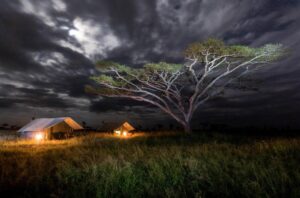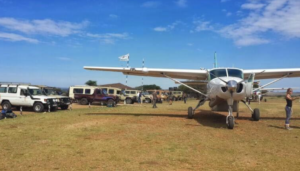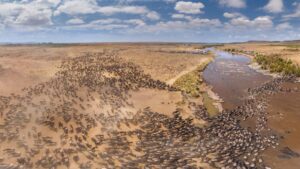
A Nyerere National Park safari is one of the finest choices for travelers seeking an authentic and less crowded wildlife experience in Tanzania. With its vast wilderness, beautiful lakes, woodland landscapes, abundant wildlife, and the mighty Rufiji River, Nyerere offers a distinctly different experience from Tanzania’s famous Northern Circuit.
The best Nyerere National Park safari combines traditional game drives with a boat safari, guided nature walk, comfortable wilderness accommodation, and enough time to explore the park without rushing. Unlike destinations where several safari vehicles may gather around one animal sighting, Nyerere often feels peaceful, remote, and wonderfully wild.
Visitors can search for lions across open plains, observe elephants along the river, watch hippos and crocodiles from a safari boat, and listen to birds while drifting between river channels. Nyerere is also an important habitat for African wild dogs, although sightings are never guaranteed.
Whether you are organizing a honeymoon, family holiday, photographic adventure, private safari, or Zanzibar beach-and-safari combination, this complete guide will help you plan the best Nyerere National Park safari.
Where Is Nyerere National Park?
Nyerere National Park is located in southern Tanzania and forms part of the country’s Southern Safari Circuit. It is accessible from Dar es Salaam by road or scheduled domestic flight. Travelers staying in Zanzibar can also reach the park by flying through Dar es Salaam or, when available, using a direct or connecting bush flight.
The park was established from part of the historic Selous Game Reserve and was named after Julius Nyerere, Tanzania’s first president. Because of this history, some accommodations, airlines, and safari itineraries may still use the word “Selous” when referring to the general destination.
However, Nyerere National Park and the remaining Selous Game Reserve are not exactly the same protected area. Most photographic safari activities take place in the northern tourism zone of Nyerere, particularly around the Rufiji River, lakes, floodplains, and established game-viewing tracks.
The park can be reached by road through routes such as Kibiti and Utete, while scheduled and charter flights serve airstrips including Mtemere and Kiba. A four-wheel-drive vehicle is recommended, particularly during rainy periods. Travelers should always confirm current road, flight, and airstrip conditions before departure.
Why Choose a Nyerere National Park Safari?
Nyerere is ideal for travelers who value wilderness, variety, and privacy. Its character is shaped by rivers, lakes, miombo woodland, palm-fringed channels, open grasslands, and seasonal floodplains.
Here are the main reasons to include Nyerere in your Tanzania holiday:
Fewer Safari Vehicles
Nyerere generally receives fewer visitors than Serengeti National Park and the Ngorongoro Conservation Area. This makes it an attractive destination for travelers who want quieter game drives and more personal wildlife encounters.
Although popular sightings can still attract several vehicles during peak periods, the overall atmosphere is usually calm and uncrowded.
Boat Safaris on the Rufiji River
Boat safaris are among Nyerere’s most distinctive attractions. Visitors can explore parts of the Rufiji River system while observing hippos, Nile crocodiles, waterbirds, and animals approaching the riverbanks.
The experience is especially beautiful in the late afternoon, when the light becomes softer and the temperature begins to fall.
Boat activities must follow park safety requirements. Travelers should wear life jackets, remain seated when instructed, and follow the directions of their boat guide.
Diverse Safari Activities
A carefully planned Nyerere itinerary may include:
- Traditional game drives
- Rufiji River boat safaris
- Guided walking safaris
- Birdwatching
- Wildlife photography
- Bush meals
- Scenic viewpoints
- Relaxing time at a riverfront lodge or tented camp
This variety makes the destination suitable for both first-time safari travelers and returning visitors who want something different.
Excellent Wildlife
Nyerere supports elephants, buffaloes, giraffes, zebras, wildebeest, impalas, hippos, crocodiles, lions, leopards, spotted hyenas, and many smaller animals.
It is also known as an important refuge for African wild dogs. These energetic predators range across large territories, so finding them requires patience and an experienced guide.
Easy Combination with Zanzibar
Nyerere is one of the most practical safari destinations to combine with a Zanzibar beach holiday. Depending on seasonal airline schedules, travelers may fly between Zanzibar, Dar es Salaam, and airstrips near the park.
This can create an excellent bush-and-beach itinerary without requiring a long journey to northern Tanzania.
What Wildlife Can You See in Nyerere?
Wildlife sightings vary according to the season, water availability, vegetation, time of day, and natural animal movement. No responsible safari operator can guarantee a particular sighting, but Nyerere offers an impressive range of species.
Elephants
Elephants are one of the park’s signature animals. They may be seen moving through woodland, crossing tracks, feeding near lakes, or gathering close to the Rufiji River.
Watching elephants from a respectful distance is especially rewarding. Herds may include protective adult females, playful calves, and young males testing their independence.
Lions
Nyerere has a healthy lion population. Prides often rest in shade during the warmer parts of the day and become more active in the early morning or late afternoon.
An experienced guide will look for tracks, alarm calls, vultures, fresh kills, and the behavior of other animals when searching for predators.
African Wild Dogs
African wild dogs are among the most exciting animals associated with Nyerere. They are highly social predators that live and hunt in coordinated packs.
A sighting may involve dogs resting together, greeting each other, traveling across an open area, or preparing for a hunt. Because packs cover large territories, visitors should treat every wild-dog encounter as a special privilege rather than an expectation.
Hippos and Crocodiles
The Rufiji River, its channels, and surrounding lakes provide excellent habitats for hippos and Nile crocodiles. Boat safaris can offer memorable views, but guests must always follow safety instructions and keep an appropriate distance.
Hippos may appear relaxed in the water, but they are powerful and potentially dangerous animals. Professional boat guides understand how to approach viewing areas responsibly.
Leopards and Other Predators
Leopards occur in the park but can be difficult to find because of their secretive nature and the dense vegetation in some areas. Spotted hyenas, jackals, and other smaller carnivores may also be encountered.
Patient travelers who spend several nights in the park generally have better opportunities to observe a wider range of wildlife.
Birds
Nyerere is an outstanding birdwatching destination. TANAPA highlights more than 430 recorded bird species, including African fish eagles, kingfishers, bee-eaters, herons, storks, and wetland waders.
The combination of riverine vegetation, lakes, woodland, and open spaces creates habitats for both resident and migratory birds. Even travelers who do not consider themselves birdwatchers often become fascinated by the park’s colorful species.
Best Time to Visit Nyerere National Park
The best time for your Nyerere safari depends on your interests. Wildlife can be seen throughout much of the year, but the seasons affect road conditions, vegetation, animal distribution, availability, and photographic opportunities.
June to October: Dry Season
The dry season is generally considered the best time for traditional wildlife viewing. Vegetation becomes less dense, roads are usually easier to navigate, and animals often gather around reliable water sources.
July through October is particularly popular. Days are commonly sunny, while early mornings can feel cool, especially during open-vehicle game drives.
Advantages of the dry season include:
- Easier wildlife spotting
- More predictable road conditions
- Comfortable weather during most days
- Good opportunities around rivers and lakes
- Lower malaria risk than during wetter months, although precautions remain important
This is also a popular travel period, so flights and accommodations should be reserved early.
November to December: Short Rains
The short rains usually bring greener vegetation, dramatic skies, and refreshing landscapes. Rain frequently comes in temporary showers rather than continuing all day, although weather patterns can vary.
This season may suit photographers, birdwatchers, and travelers looking for a quieter experience. Some roads can become muddy after heavy rain.
January to February: Green Season
January and February can offer lush scenery, colorful birdlife, newborn animals, and beautiful photographic conditions. Temperatures can be warm and humid, but mornings and evenings may still be pleasant.
Wildlife may become more dispersed because water is available across a wider area. This can make certain animals harder to locate, but the green landscapes are rewarding.
March to May: Long-Rain Season
The long rains commonly occur between March and May. Some roads may become difficult or temporarily inaccessible, and certain camps can close for maintenance.
Travel is still possible in selected areas, but itineraries require careful planning. Always confirm that your preferred accommodation, airstrip, roads, boat activities, and transfers are operating.
Top Activities in Nyerere National Park
The best Nyerere National Park safari should include more than one way of experiencing the wilderness.
Game Drives
Game drives remain the foundation of most Nyerere itineraries. Guests travel in a four-wheel-drive safari vehicle with a professional guide who understands animal behavior, seasonal movements, tracks, habitats, and park regulations.
Morning game drives are excellent because temperatures are cooler and predators may still be active. Afternoon drives provide softer photographic light and opportunities to see animals emerging after resting during the hottest hours.
A full-day game drive allows visitors to travel farther and explore different habitats. A packed lunch may be served at an authorized picnic site or another safe area approved for the activity.
Boat Safari
A boat safari offers an entirely different perspective. Instead of following dusty tracks, visitors move slowly along the river and observe wildlife from the water.
Possible sightings include:
- Hippos
- Nile crocodiles
- African fish eagles
- Kingfishers
- Herons
- Bee-eaters
- Monitor lizards
- Elephants drinking along the riverbank
- Monkeys moving through riverine trees
A late-afternoon boat trip is popular because it may conclude near sunset. However, routes and departure times depend on river conditions, park regulations, and lodge arrangements.
Guided Walking Safari
A guided walking safari allows visitors to experience smaller details that can be missed from a vehicle. Depending on the route, a guide may explain tracks, insects, plants, animal droppings, medicinal vegetation, bird calls, and ecosystem relationships.
Walking safaris are conducted under strict safety procedures with authorized professionals. Guests must follow every instruction, wear suitable closed shoes, avoid bright clothing, and never leave the group.
Walking routes may have minimum-age or fitness requirements. These should be confirmed during booking.
Birdwatching
Nyerere’s varied ecosystems make it ideal for birdwatching. River channels support kingfishers and fish eagles, while floodplains attract waders and woodland areas provide habitats for many colorful species.
Travelers with a strong birding interest should tell their safari operator in advance. This allows the company to arrange a guide who understands bird identification and can plan a slower, observation-focused itinerary.
Photography
The Rufiji River, reflections on the lakes, dramatic trees, open floodplains, and relatively quiet tracks create excellent photographic opportunities.
Photographers should consider a private vehicle so they can control the pace of the game drive and spend longer at sightings. Beanbags, spare batteries, memory cards, lens-cleaning equipment, and dust protection are useful.
When booking, ask whether charging facilities are available in the vehicle and accommodation.
How Many Days Do You Need in Nyerere?
A minimum of three days and two nights is recommended for most travelers. However, four or five days provides a more relaxed and complete experience.
Two-Day Safari
A two-day itinerary can work for travelers with limited time, particularly when flying into the park. However, the schedule can feel rushed and may offer only one major game-viewing day.
Three-Day Safari
Three days and two nights is a popular option. It normally allows time for a game drive, boat safari, and possibly a short walking safari, depending on flight or road schedules.
Four-Day Safari
Four days and three nights is one of the best choices for first-time visitors. It provides more flexibility and gives travelers time to explore without placing every activity into a tight schedule.
Five-Day Safari
Five days is excellent for photographers, birdwatchers, honeymooners, and travelers who prefer a slower pace. Extra time improves the chances of finding less predictable animals such as African wild dogs and leopards.
Suggested Four-Day Nyerere Safari Itinerary
Day 1: Travel to Nyerere and Afternoon Boat Safari
Travel from Dar es Salaam by road or fly to an airstrip near your accommodation. Meet your guide and transfer to the lodge or camp.
After lunch and time to relax, take an afternoon boat safari on the Rufiji River. Observe hippos, crocodiles, waterbirds, and the golden evening light before returning for dinner.
Day 2: Full-Day Game Drive
Begin after an early breakfast and explore the park’s lakes, woodlands, floodplains, and riverine habitats.
Search for lions, elephants, buffaloes, giraffes, zebras, antelopes, and African wild dogs. Enjoy a packed lunch in a safe designated area before continuing the game drive.
Return to your accommodation before dark.
Day 3: Walking Safari and Afternoon Game Drive
Start with an authorized guided walking safari. Learn about tracks, trees, insects, birds, and the small signs that reveal how the ecosystem functions.
Return for breakfast or brunch, depending on the lodge schedule. Relax during the warmest part of the day before taking another game drive in the afternoon.
Day 4: Final Activity and Departure
Enjoy a final short game drive or relaxed breakfast, depending on your departure schedule. Transfer to the airstrip for a flight to Dar es Salaam or Zanzibar, or begin the road journey back to Dar es Salaam.
This itinerary can be adjusted according to flight times, accommodation location, road conditions, and traveler preferences.
Fly-In Safari or Road Safari?
Both options can provide an excellent experience.
Fly-In Nyerere Safari
A fly-in safari is the most convenient choice for travelers with limited time or those combining Nyerere with Zanzibar.
Advantages include:
- Less travel time
- Scenic views from the aircraft
- More time inside the park
- Convenient access to remote camps
- Easier bush-and-beach combinations
Travelers should note that small aircraft have strict luggage restrictions. Soft-sided bags are usually preferred, and weight limits vary by airline.
Road Safari from Dar es Salaam
A road safari may be more affordable and allows visitors to observe rural landscapes along the journey. However, travel time can be long, and road conditions may vary according to rainfall, traffic, construction, and the selected park gate.
A reliable four-wheel-drive safari vehicle and experienced driver-guide are essential. Travelers choosing road transport should avoid building a tight flight connection immediately after the return journey.
Accommodation in and Around Nyerere
Accommodation ranges from simple campsites to comfortable tented camps and exclusive riverside lodges.
Budget Accommodation
Budget safaris may use public campsites or simple camps outside the main park area. These options provide essential facilities but fewer luxuries.
Always confirm whether the quoted price includes bedding, camping equipment, meals, park fees, transfers, and bathroom arrangements.
Mid-Range Tented Camps
Mid-range camps offer a comfortable balance between price and atmosphere. Many have permanent or semi-permanent safari tents with beds, private bathrooms, mosquito nets, dining areas, and views of the wilderness.
Facilities differ considerably, so travelers should check recent details rather than relying only on the words “mid-range.”
Luxury Lodges and Camps
Luxury properties may offer spacious suites, private verandas, swimming pools, high-quality meals, personalized service, and prime river or lake locations.
High-end camps are particularly attractive for honeymooners and travelers who want privacy. Some operate seasonally, so availability should be verified.
Inside or Outside the Park?
Accommodation inside or beside the main wildlife areas reduces transfer time and creates a stronger wilderness atmosphere. Camps outside the park may be more affordable and easier to reach by road.
Before booking, ask:
- Is the property inside the park?
- How far is it from the main game-viewing area?
- Are park or concession fees charged each night?
- Are boat and walking safaris included?
- Does the room have a private bathroom?
- Is electricity available throughout the night?
- Are mosquito nets provided?
- Does the camp operate during the rainy season?
How Much Does a Nyerere Safari Cost?
The price depends on the number of days, transport, accommodation category, group size, travel season, and included activities.
A fly-in luxury safari will normally cost more than a road-based mid-range tour. A private safari for one traveler also costs more per person than a private trip shared by two or four guests because vehicle and guide expenses are divided among fewer people.
The quotation may include:
- Airport or hotel transfers
- Four-wheel-drive safari vehicle
- Professional driver-guide
- Park entry fees
- Accommodation
- Meals during the safari
- Drinking water
- Boat safari
- Guided walking safari
- Domestic flights, when specified
- Government taxes and service charges
It may exclude:
- International flights
- Tanzania visa
- Travel insurance
- Tips
- Alcoholic beverages
- Personal expenses
- Optional activities
- Accommodation before or after the safari
- Medical costs
- Changes caused by missed flights
Park, activity, vehicle, camping, and concession fees can change. Travelers should request a detailed quotation based on their dates rather than relying on an old online price.
Nyerere or Serengeti: Which Is Better?
Neither destination is universally better. They provide different safari experiences.
Choose Nyerere if you prefer:
- Fewer vehicles
- Boat safaris
- Guided walking opportunities
- River and lake landscapes
- A convenient combination with Zanzibar
- Southern Tanzania’s quieter atmosphere
Choose Serengeti if you prefer:
- Vast open plains
- A chance to follow the Great Wildebeest Migration
- A larger selection of safari camps
- Easy combination with Ngorongoro and Tarangire
- Classic open-grassland photography
Travelers with enough time can visit both parks, but the journey should be planned carefully because they are in different regions of Tanzania.
Nyerere or Ruaha: Which Should You Visit?
Nyerere is known for the Rufiji River, boat safaris, lakes, and diverse activities. Ruaha is famous for rugged landscapes, baobab trees, large predator populations, and an exceptionally remote atmosphere.
Nyerere is usually the more convenient choice for visitors traveling from Dar es Salaam or Zanzibar. Ruaha is ideal for experienced safari travelers seeking a dry, dramatic wilderness.
An itinerary combining Nyerere and Ruaha creates one of Tanzania’s most rewarding Southern Circuit adventures.
Combining Nyerere with Zanzibar
A Nyerere and Zanzibar holiday offers an excellent balance of adventure and relaxation.
A typical itinerary might include:
- Three or four nights in Nyerere
- A flight to Zanzibar
- Four to seven nights on the beach
- A Stone Town tour
- A spice-farm experience
- Optional snorkeling or diving
It is usually best to schedule the safari before the beach stay. After early mornings and active game drives, visitors can relax beside the Indian Ocean.
Airline schedules can change seasonally, so avoid making separate bookings with very short connections.
What to Pack for a Nyerere Safari
Pack light, comfortable clothing in neutral colors such as khaki, beige, olive, and brown.
Recommended items include:
- Lightweight long trousers
- Long-sleeved shirts
- Comfortable closed shoes
- Sandals for the lodge
- Warm layer for early mornings
- Sun hat
- Sunglasses
- High-SPF sunscreen
- Insect repellent
- Binoculars
- Camera and spare batteries
- Power bank
- Personal medication
- Small first-aid kit
- Reusable water bottle
- Soft-sided travel bag
- Travel documents and insurance details
Bright white clothing quickly shows dust, while dark blue and black can attract tsetse flies in some woodland areas. Camouflage-patterned clothing may be restricted or considered inappropriate in certain settings, so neutral safari colors are safer.
Health and Safety
Consult a qualified travel-health professional before visiting Tanzania. Advice may depend on your nationality, medical history, vaccination record, itinerary, and countries visited before arrival.
Malaria prevention should be discussed with a healthcare professional. Travelers should also use insect repellent, sleep under mosquito nets where provided, and wear long sleeves in the evening.
During the safari:
- Follow your guide’s instructions
- Never feed wildlife
- Do not leave the vehicle without permission
- Keep a safe distance from animals
- Wear a life jacket during boat activities
- Do not approach hippos or crocodiles
- Drink enough water
- Use sun protection
- Avoid loud behavior at sightings
- Never take a walking safari without an authorized guide
Travel insurance should cover medical treatment, evacuation, trip interruption, lost luggage, and activity-related risks.
Responsible Safari Practices
A responsible safari protects wildlife and supports local communities.
Travelers can help by:
- Choosing an established Tanzania-based operator
- Respecting park rules
- Avoiding litter and single-use plastics
- Never asking a driver to crowd animals
- Keeping noise low
- Conserving water at camps
- Supporting locally employed guides and staff
- Buying genuine local crafts
- Avoiding wildlife products
- Asking permission before photographing people
Do not pressure a guide to drive off-road where it is prohibited or move too close to wildlife. A respectful sighting is safer and usually more rewarding.
How to Choose the Best Nyerere Safari Operator
Your tour operator can determine the quality and safety of the entire experience.
Look for a company that provides:
- A clear day-by-day itinerary
- Transparent inclusions and exclusions
- Properly maintained safari vehicles
- Experienced driver-guides
- Realistic travel times
- Confirmed accommodation
- Secure payment options
- Emergency support
- Clear cancellation terms
- Honest explanations about wildlife sightings
- Recent traveler feedback
Ask whether the person preparing your itinerary understands the location of each camp, airstrip, gate, and activity. A cheap quotation may become poor value if it uses distant accommodation, excludes important fees, or provides too little time in the park.
Plan Your Best Nyerere National Park Safari
The best Nyerere National Park safari is not simply the cheapest or longest package. It is an itinerary designed around your available time, preferred accommodation, travel season, transport method, and personal interests.
For a complete first visit, consider spending three or four nights in the destination. Include at least one full game drive, an authorized boat safari on the Rufiji River, and a guided walking experience where available. Choose accommodation close to your activities and allow enough time between flights or road transfers.
Kilipath African Safaris can arrange private Nyerere safari packages, fly-in adventures, road safaris from Dar es Salaam, family holidays, honeymoon experiences, photographic tours, and Nyerere–Zanzibar combinations.
Share your travel dates, number of guests, accommodation preference, arrival point, and estimated budget to receive a personalized itinerary. With thoughtful planning and an experienced local team, your Nyerere safari can become one of the most peaceful and memorable wildlife experiences in Tanzania.