

Budget Ngorongoro Crater Safari Holiday
Planning a budget Ngorongoro Crater safari holiday from Arusha? Compare a crater day trip, a two-day Tarangire and Ngorongoro safari, or a…
Read articleArusha City - Tanzania
Safari & Travel Tips
August 10, 2026 · 16 min read
The best Tanzania safari tour trip combines extraordinary wildlife, beautiful African landscapes, comfortable travel arrangements, professional guiding, and an itinerary designed around the traveler's available time and interests.
For many first-time visitors, Tanzania's famous Northern Safari Circuit is the ideal choice. A classic itinerary can combine Tarangire National Park, Serengeti National Park, the Ngorongoro Crater, and Lake Manyara National Park.
Travelers with additional time can extend their safari toward Northern Serengeti during the Great Migration season, visit the Ndutu region during the wildebeest calving period, experience Lake Eyasi, or combine the safari with Mount Kilimanjaro and Zanzibar.
There is therefore no single safari itinerary that is perfect for every traveler. The best safari depends on how many days you have, your budget, the season of travel, preferred accommodation, wildlife priorities, and whether you want a private or shared safari.
This guide explains everything travelers need to know before choosing the best Tanzania safari experience.
Tanzania is one of Africa's most celebrated wildlife destinations.
Its protected areas contain enormous savannahs, volcanic landscapes, forests, lakes, mountains, and wildlife-rich ecosystems. Travelers can experience everything from elephant herds beneath giant baobab trees to lions hunting on the Serengeti plains.
The country is particularly attractive because several world-famous safari destinations can be combined into one itinerary.
A typical Northern Circuit safari begins from Arusha, Tanzania's main gateway to destinations such as Tarangire, Serengeti, Lake Manyara, and Ngorongoro.
Instead of visiting only one national park, travelers can experience completely different ecosystems during the same trip.
You might spend one day watching elephants in Tarangire, another searching for big cats across the Serengeti, and the following morning descending into the Ngorongoro Crater.
That variety is one of the main reasons Tanzania remains an exceptional safari destination.
No complete Tanzania safari discussion can ignore the Serengeti National Park.
The Serengeti is famous for its enormous open plains, predators, resident wildlife, and the seasonal movements associated with the Great Wildebeest Migration.
Travelers may encounter:
Central Serengeti, commonly known as the Seronera region, is especially valuable because wildlife can be seen throughout much of the year.
Big cats are a major attraction.
The open landscapes make the Serengeti excellent for observing wildlife behavior rather than simply checking animals off a list.
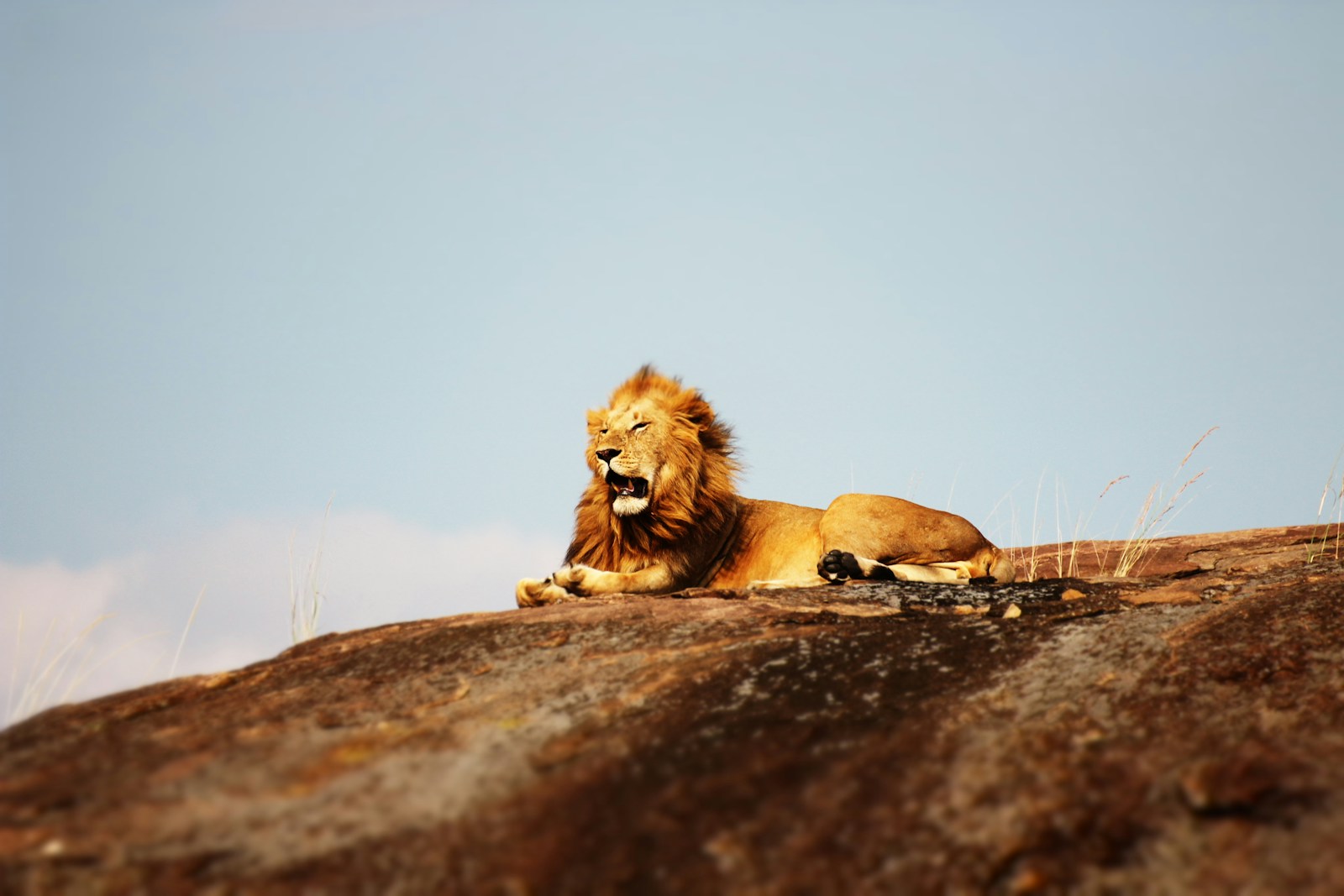
You might watch lions resting beneath acacia trees, cheetahs scanning the grasslands, elephants crossing the plains, or thousands of wildebeest moving through the ecosystem.
A Tanzania safari without Serengeti can still be excellent, but travelers searching for the classic African safari atmosphere generally prioritize Serengeti.
The Ngorongoro Crater provides a completely different experience from Serengeti.
The crater is part of the larger Ngorongoro Conservation Area and is one of the world's most impressive volcanic landscapes.
Safari vehicles descend from the crater rim into the caldera for wildlife viewing.
Inside the crater, travelers may encounter:
The crater is also considered one of the better locations in Tanzania for travelers hoping to encounter the endangered black rhinoceros, although sightings can never be guaranteed.
Because many different species occupy a relatively concentrated area, Ngorongoro provides excellent wildlife viewing during a relatively short period.
For that reason, most Northern Tanzania safari itineraries include at least one Ngorongoro Crater game drive.
Tarangire is sometimes underestimated by first-time travelers who primarily recognize the names Serengeti and Ngorongoro.
However, it can become one of the highlights of the entire journey.
The park is particularly famous for its elephants and enormous baobab trees.
During the dry season, wildlife is frequently concentrated around the Tarangire River, which acts as an important water source within the ecosystem.
Travelers can potentially see elephants, giraffes, zebras, wildebeest, buffalo, antelopes, lions, leopards, and numerous bird species.
The landscape also feels noticeably different from Serengeti.
Baobabs, river valleys, woodland, and open areas create beautiful opportunities for photography.
Because Tarangire is relatively accessible from Arusha, it is commonly used as the first destination on a multi-day Northern Circuit safari.
Lake Manyara National Park sits beneath the dramatic Great Rift Valley escarpment.
Despite being smaller than Serengeti or Tarangire, the park contains an impressive range of habitats.
Visitors may drive through groundwater forest before reaching more open areas near the lake.
Wildlife can include elephants, giraffes, buffalo, zebras, monkeys, baboons, hippos, and numerous birds.
Lake Manyara is also widely associated with tree-climbing lions, although wildlife sightings always depend on natural conditions.
The park works particularly well as an additional destination within a five- or six-day Northern Circuit itinerary.
Travelers with limited time may choose Tarangire instead, while longer itineraries can comfortably include both.
The ideal itinerary depends heavily on the number of days available.
A short safari can include:
Day 1: Arusha – Tarangire National Park
Depart Arusha in the morning and drive to Tarangire. Spend the day enjoying a game drive among baobab trees and searching for elephants, giraffes, lions, zebras, and other wildlife.
Continue toward Karatu or the Ngorongoro area for overnight accommodation.
Day 2: Ngorongoro Crater – Arusha
After breakfast, travel toward Ngorongoro and descend into the crater.
Enjoy several hours of wildlife viewing before returning to Arusha later in the day.
This itinerary is excellent for travelers with limited time.
However, it does not include Serengeti.
Travelers wanting Serengeti should normally consider at least three days.
A classic itinerary is:
Day 1: Arusha – Serengeti
Day 2: Serengeti – Ngorongoro
Day 3: Ngorongoro Crater – Arusha
This itinerary gives travelers a taste of two of Tanzania's most famous wildlife destinations.
It is suitable for travelers with a tight schedule but involves relatively long driving distances.
A four-day safari provides a much better balance.
A popular route is:
Day 1: Arusha – Tarangire
Day 2: Tarangire – Serengeti
Day 3: Serengeti – Ngorongoro
Day 4: Ngorongoro Crater – Arusha
This is one of the strongest options for first-time visitors.
It includes three major wildlife destinations while keeping the trip relatively affordable.
A five-day safari allows travelers to explore the Northern Circuit at a more enjoyable pace.
A typical itinerary could be:
Day 1: Arusha – Tarangire
Day 2: Tarangire – Serengeti
Day 3: Full-day Serengeti
Day 4: Serengeti – Ngorongoro
Day 5: Ngorongoro Crater – Arusha
Another version can include Lake Manyara.
Having a full day inside Serengeti is particularly valuable because travelers have more time to follow wildlife rather than constantly moving toward the next destination.
For travelers with sufficient time, six days offers an excellent balance between wildlife viewing and travel.
Example:
Day 1: Arusha – Tarangire
Day 2: Tarangire – Serengeti
Day 3: Full-Day Serengeti
Day 4: Serengeti – Ngorongoro
Day 5: Ngorongoro Crater – Karatu
Day 6: Lake Manyara – Arusha
This itinerary showcases four different ecosystems and provides excellent opportunities for wildlife photography.
A seven-day safari provides an even more relaxed experience.
Travelers can spend additional time inside Serengeti or combine wildlife viewing with cultural activities.
Possible route:
Day 1: Arusha – Tarangire
Day 2: Tarangire – Serengeti
Day 3: Central Serengeti
Day 4: Serengeti
Day 5: Serengeti – Ngorongoro
Day 6: Ngorongoro Crater
Day 7: Lake Manyara – Arusha
Depending on the season, private itineraries can also be adjusted toward Northern Serengeti or Ndutu.
Tanzania offers wildlife viewing throughout the year.
However, different months provide different safari experiences.
This period generally corresponds with Tanzania's dry season.
Wildlife often gathers around permanent water sources and vegetation becomes thinner, which can make animals easier to locate.
July through October is also an important period for travelers interested in following migration activity toward the northern Serengeti ecosystem.
Because this is a popular travel period, accommodation availability can become limited.
Early booking is therefore recommended.
This period is particularly interesting for travelers interested in the southern Serengeti and Ndutu ecosystems.
Large numbers of wildebeest may gather in the region during the calving season.
Predator activity can also be impressive because lions, cheetahs, hyenas, and other predators follow the herds.
These months generally receive heavier rainfall.
The landscapes become beautifully green, birdlife is excellent, and tourist numbers may be lower.
However, rain can affect road conditions and certain remote routes.
November frequently brings shorter seasonal rains.
Wildlife viewing remains possible and landscapes begin becoming greener.
The Great Wildebeest Migration is not a single event occurring at one fixed location.
It is a continuous natural movement through the greater Serengeti-Mara ecosystem.
Rainfall, grazing conditions, and other natural factors influence the exact location of the herds.
Broadly, travelers can consider:
December to March: Southern Serengeti and Ndutu region
April to May: Herds begin moving northwest
June: Western and central regions
July to October: Northern Serengeti and Mara River region
November: Movement gradually returns southward
These periods should be treated as general guidelines rather than guarantees.
Nature does not follow an exact calendar.
Yes, particularly during the migration season.
Northern Serengeti offers beautiful landscapes and can provide opportunities to witness large concentrations of wildebeest.
Travelers hoping for Mara River crossing activity generally focus on this region during the appropriate months.
However, Northern Serengeti requires additional driving time and usually increases the overall safari cost.
For that reason, it is most suitable for private itineraries lasting approximately six days or longer.
Travelers with only three or four days are usually better served by concentrating on Central Serengeti and Ngorongoro rather than spending too much time driving.
Choosing between private and shared safari arrangements can significantly affect the experience.
A private safari means the vehicle and guide are dedicated exclusively to your booking.
Advantages include:
Private safaris are particularly recommended for travelers visiting Northern Serengeti, Ndutu, Lake Natron, Lake Eyasi, or other locations outside standard shared safari routes.
Mid-range safaris combine comfort and reasonable pricing.
Accommodation may include:
Rooms normally include private bathrooms and proper beds.
Mid-range safaris are excellent for couples, families, honeymooners, and travelers who want comfort without paying premium luxury rates.
Luxury safaris focus on privacy, location, service, exclusivity, and high-end accommodation.
Luxury camps and lodges may offer:
Luxury safaris are popular for honeymoons, anniversaries, special occasions, and travelers who prioritize comfort.
Tanzania safari prices vary significantly.
The main factors affecting cost are:
Shared camping safaris are normally the most affordable.
Private luxury safaris are considerably more expensive because vehicle costs are divided among fewer travelers and premium accommodation can significantly increase the nightly rate.
Travelers should compare what is actually included instead of choosing an operator based only on the lowest advertised price.
A well-organized safari package usually includes most essential safari services.
Depending on the itinerary, this can include:
Travelers should always request a clear list of inclusions and exclusions before paying a deposit.
Yes.
Tanzania can be an excellent family safari destination.
Children often enjoy seeing elephants, giraffes, lions, zebras, monkeys, hippos, and other animals in their natural habitat.
Private safaris are normally more comfortable for families because parents control the daily schedule more easily.
Families can stop when necessary, spend more time at sightings children enjoy, and arrange suitable accommodation.
Families traveling with very young children should discuss driving distances with the safari operator.
Some Northern Circuit routes involve several hours of driving.
A carefully designed itinerary can reduce unnecessary travel and make the safari more enjoyable.
Tanzania is one of the most romantic safari destinations in Africa.
Honeymoon itineraries can combine:
A popular honeymoon combination is approximately five to seven days on safari followed by several nights in Zanzibar.
This gives couples both adventure and relaxation.
Yes.
Safari and Zanzibar is one of Tanzania's most popular holiday combinations.
A traveler might spend:
5 days: Northern Tanzania safari
4–7 days: Zanzibar beach holiday
Domestic flights connect mainland Tanzania with Zanzibar, making the combination relatively convenient.
After several days of early safari mornings and game drives, Zanzibar provides an excellent opportunity to relax beside the Indian Ocean.
Yes.
Domestic flights operate between several Tanzanian airports and airstrips within the Serengeti ecosystem.
Fly-in safaris reduce long driving times and are particularly useful for luxury travelers or visitors with limited time.
However, flying generally increases the safari cost.
Overland safaris provide the advantage of experiencing landscapes gradually while visiting attractions along the route.
Neither option is universally better.
The ideal choice depends on time, budget, and travel preferences.
Tanzania offers opportunities to see an extraordinary variety of wildlife.
Possible sightings include:
Birdlife is also excellent.
However, wild animals move freely within natural ecosystems.
No responsible safari operator should guarantee sightings of specific wildlife.
Yes.
Tanzania is home to all members of Africa's famous Big Five:
Northern Tanzania provides excellent opportunities to search for them.
Lions, elephants, and buffalo are relatively common in several parks.
Leopards are more difficult because they are secretive.
Black rhinos are rare and sightings are never guaranteed.
For many travelers, however, safari becomes far more rewarding when the focus expands beyond simply collecting Big Five sightings.
Cheetahs, giraffes, wildebeest, zebras, hyenas, birds, landscapes, and animal behavior can be equally memorable.
Most Northern Tanzania safaris use specially modified 4x4 Toyota Land Cruisers.
A safari vehicle commonly features:
The pop-up roof allows travelers to stand safely inside the vehicle when conditions permit and photograph wildlife from an elevated perspective.
The quality of your guide can dramatically influence your safari experience.
An experienced guide does much more than drive.
A good safari guide can:
Wildlife is unpredictable.
Experienced guides use tracks, sounds, behavior, landscape knowledge, and communication networks to improve the chances of productive sightings.
Travelers should keep safari packing relatively simple.
Useful items include:
Early mornings in Serengeti and Ngorongoro can feel surprisingly cold.
Layered clothing is therefore highly recommended.
During the middle of the day, temperatures can become considerably warmer.
Yes.
Even travelers who are not serious photographers normally find themselves taking hundreds of safari photographs.
A camera with moderate zoom capability can make wildlife photography particularly enjoyable.
Smartphones are also excellent for landscapes, videos, camps, sunsets, and nearby wildlife.
Binoculars are useful for observing distant animals and birds.
Tanzania has a long-established safari tourism industry.
Safari activities take place under established national park and conservation regulations.
Travelers should nevertheless follow normal travel precautions and always listen to their professional guide.
Never leave the safari vehicle in wildlife areas unless your guide confirms that it is permitted and safe.
At campsites and tented camps, follow staff instructions regarding movement after dark.
Wild animals may move near accommodation facilities, particularly inside or close to national parks.
For standard travel periods, booking several months ahead is usually advisable.
Travelers visiting during:
should consider booking particularly early.
Popular camps and lodges can fill quickly.
Last-minute safaris may still be possible, especially camping or shared trips, but accommodation choices can become limited.
Yes.
Shared safari departures are particularly useful for solo travelers.
Instead of paying the entire cost of a private safari vehicle, solo visitors can join other travelers following the same route.
This can significantly reduce the overall price.
Shared safaris can also be social because travelers meet people from different parts of the world.
Solo travelers wanting specialized migration routes or complete schedule flexibility can instead choose a private safari.
For most first-time travelers:
2 days: Good for Tarangire and Ngorongoro
3 days: Minimum practical Serengeti experience
4 days: Excellent short Northern Circuit safari
5 days: Recommended for a balanced experience
6 days: Excellent combination of major parks
7+ days: Best for deeper exploration
If your main goal is Serengeti wildlife, four or five days is considerably better than trying to visit too many parks within three days.
Quality matters more than simply adding destinations.
For first-time visitors, a 4- to 6-day Northern Circuit safari is difficult to beat.
A strong combination includes:
Tarangire + Serengeti + Ngorongoro
Travelers with additional time can add Lake Manyara.
This itinerary provides:
Choosing the right operator is just as important as selecting the itinerary.
Look for a company that provides:
Avoid selecting a safari based purely on the cheapest quotation.
Extremely low pricing sometimes means something important has been removed or compromised.
Always compare:
What parks are included?
How many game-drive hours are planned?
What accommodation is included?
Are park fees included?
Is the safari private or shared?
Are airport transfers included?
Are domestic flights included?
What meals are provided?
Are there additional fees?
Once those questions are answered, comparing packages becomes much easier.
The best Tanzania safari tour trip is not simply the most expensive safari or the itinerary containing the greatest number of national parks.
It is the safari that matches your travel dates, available days, wildlife interests, accommodation preferences, and budget.
For most first-time travelers, a Northern Circuit itinerary combining Tarangire, Serengeti, and Ngorongoro Crater provides one of the most complete introductions to Tanzania.
Travelers with additional time can add Lake Manyara, Northern Serengeti, Ndutu, Lake Eyasi, cultural experiences, Kilimanjaro, or Zanzibar.
Budget-conscious travelers can experience the same extraordinary national parks through shared camping safaris, while travelers wanting privacy and flexibility can choose private mid-range or luxury packages.
Whichever style you choose, allow enough time to experience each destination properly.
Safari is not only about seeing as many animals as possible.
It is about watching elephants move quietly beneath ancient baobabs, waking to the sounds of the Serengeti, following lions across golden grasslands, descending into the spectacular Ngorongoro Crater, and experiencing Tanzania's wilderness one unforgettable moment at a time.
A thoughtfully planned Tanzania safari transforms those moments into a journey you will remember for years.
Planning a budget Ngorongoro Crater safari holiday from Arusha? Compare a crater day trip, a two-day Tarangire and Ngorongoro safari, or a…
Read articleA Lake Manyara safari can cost USD 150–220 per person for a shared day trip from Arusha. A published example of a…
Read articleExplore Ruaha National Park’s baobab country on a guided safari built around your dates, group size and budget. Spend your game drives…
Read articleA Nyerere Tanzania wildlife safari can take you from a woodland game drive in the morning to a boat on the Rufiji…
Read article

